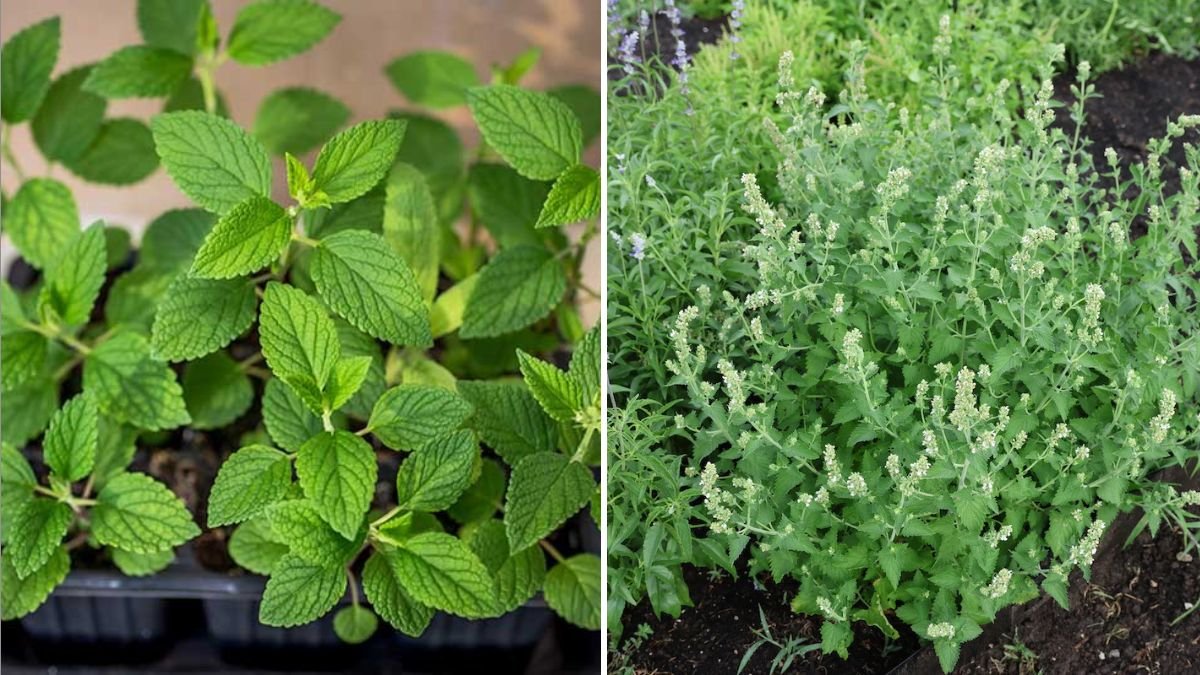
If you’re a cat owner in America, chances are you’ve seen your furry friend go wild for catnip—rolling, purring, or even leaping with joy. But did you know that catnip isn’t just a toy-store novelty? It’s a versatile, easy-to-grow herb that belongs in every pet-loving gardener’s backyard.
Scientifically known as Nepeta cataria, catnip is part of the mint family (Lamiaceae) and offers more than feline entertainment. It’s also a beautiful pollinator-friendly plant, a natural pest repellent, and even has soothing effects on humans when brewed as tea.
Whether you’re looking to grow catnip at home, learn how it affects cats, or discover its surprising health benefits, this guide covers everything you need to know about this fascinating herb taking over American gardens.
What Is Catnip? The Herb Behind the Hype
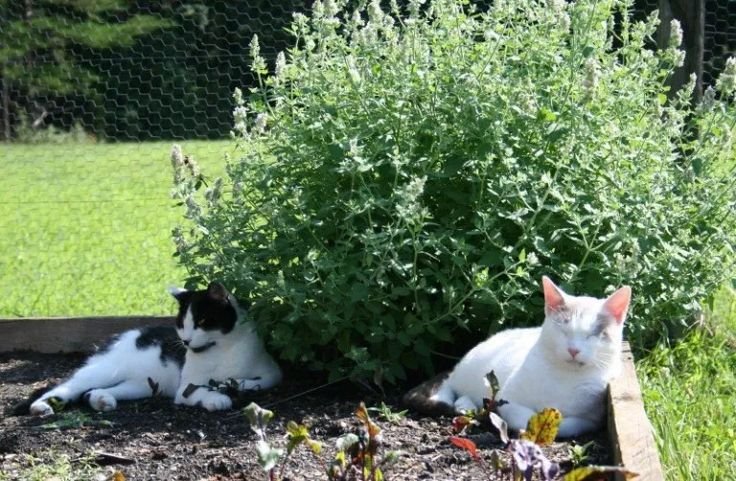
Catnip, native to Europe and Asia, has made its home in gardens and meadows across North America. It’s a perennial herb that thrives in a variety of climates, making it perfect for gardeners from the East Coast to the Pacific Northwest.
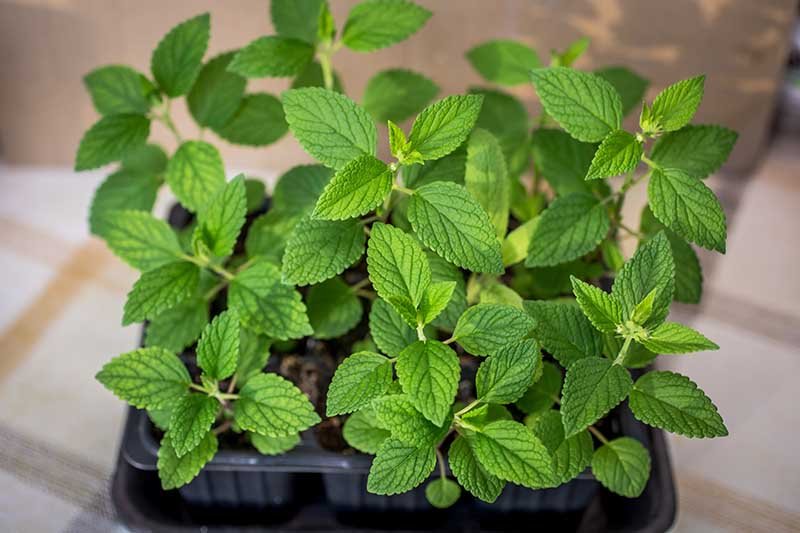
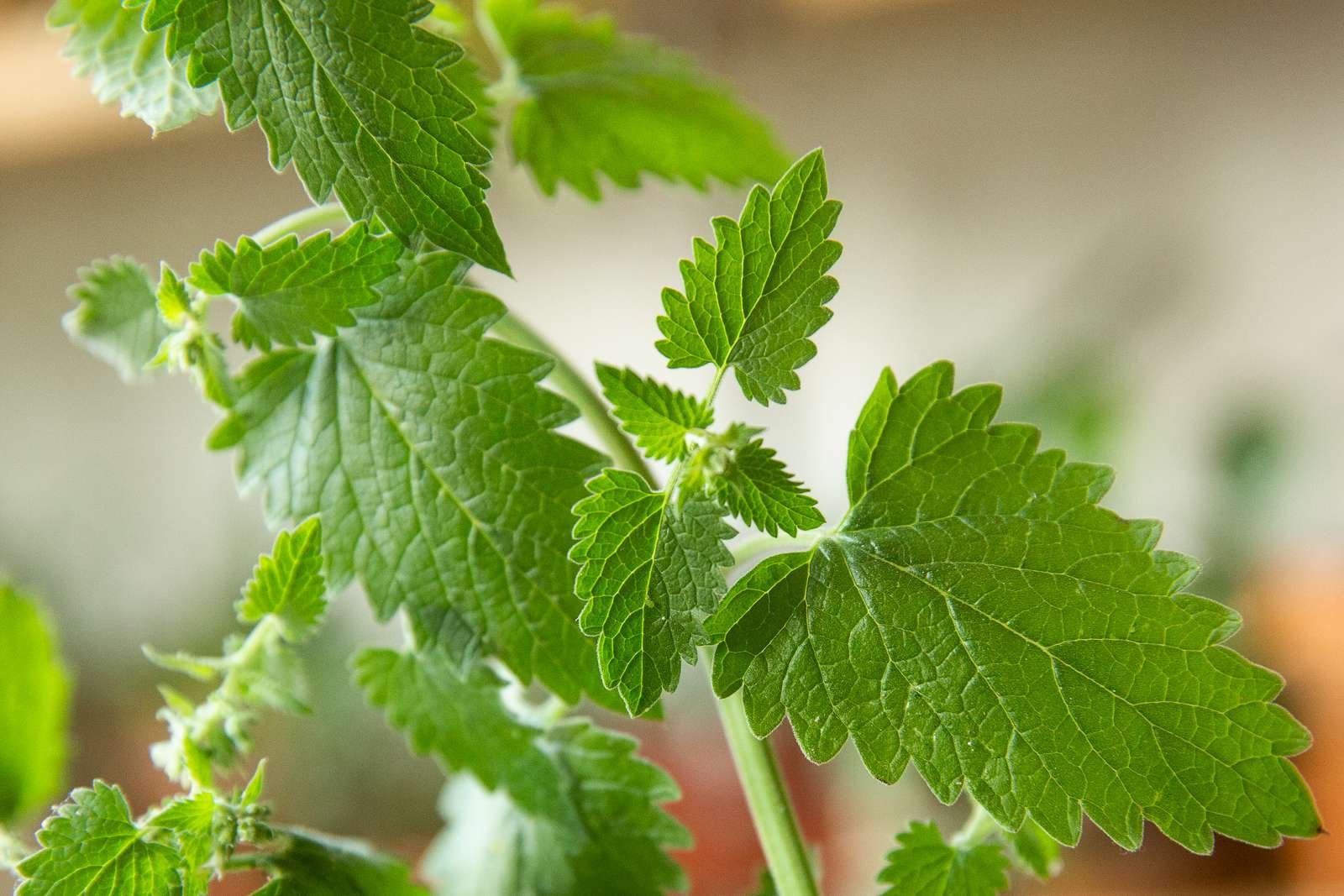
This minty green herb features heart-shaped, gray-green leaves and small white to lavender flowers that bloom from spring through fall. But what makes catnip truly special is a compound called nepetalactone—an essential oil found in the plant’s leaves and stems.
Nepetalactone is the magical ingredient that triggers that famous feline frenzy. When cats smell it, it binds to their nasal receptors and stimulates playful, euphoric behavior. However, the same compound also offers calming, insect-repelling, and medicinal properties for humans.
Why Catnip Belongs in Every American Garden
Catnip is one of those rare plants that’s both fun and functional. Here’s why American gardeners and cat owners love growing it:

- Cats Love It: It’s an instant source of entertainment and joy for indoor and outdoor cats.
- Easy to Grow: Catnip thrives in almost any soil and climate with minimal effort.
- Pollinator-Friendly: Bees and butterflies love its tiny blossoms.
- Pest-Repelling: Its strong aroma deters mosquitoes, aphids, and even cockroaches.
- Useful for People: It’s a traditional herb for relaxation, digestion, and mild cold relief.
In short, catnip is an herb that benefits both humans and pets—making it a perfect fit for modern American households focused on wellness and sustainability.
How to Grow Catnip in Your U.S. Garden
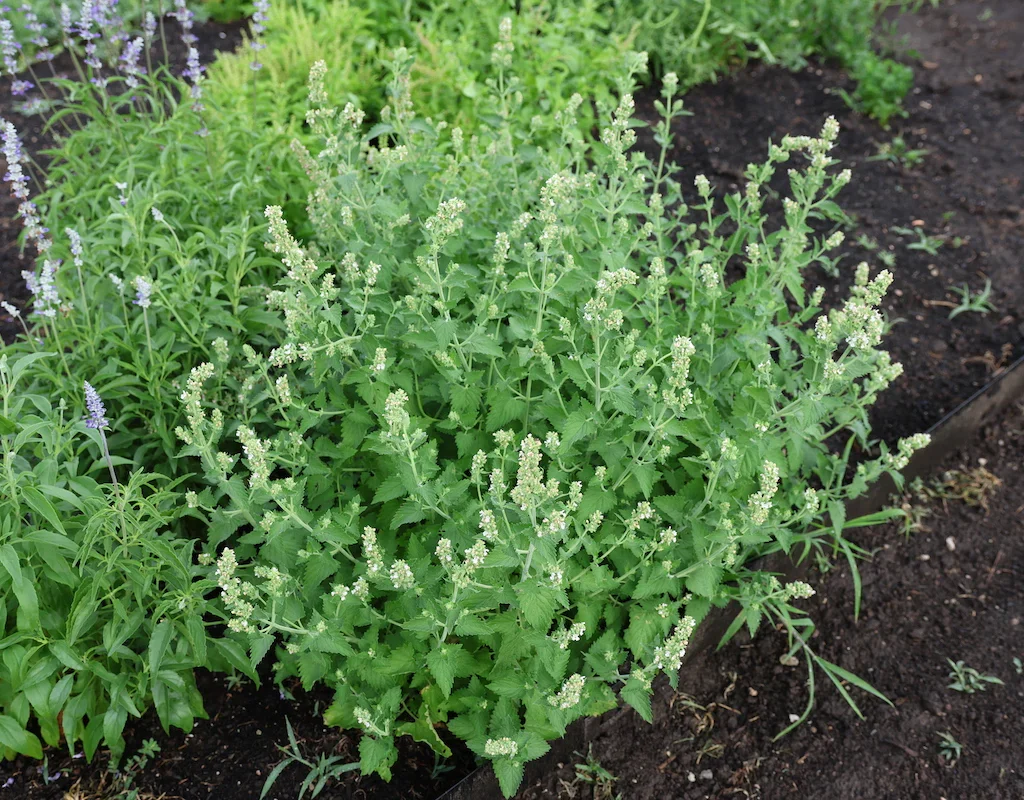
Whether you live in sunny California or the cooler Northeast, catnip grows effortlessly across USDA zones 3–9. Here’s a step-by-step guide to planting and maintaining your own catnip patch.
1. Choosing the Right Spot
Catnip loves full sun but will tolerate partial shade. Pick a location with well-draining soil—sandy or loamy is ideal. Since it can spread quickly, consider growing it in a container if space is limited.
2. Planting Catnip
You can grow catnip from seeds, cuttings, or starter plants.
- From seed: Sow directly outdoors after the last frost or indoors 6–8 weeks before planting.
- Spacing: Plant seeds or transplants about 18–24 inches apart.
- Watering: Keep the soil lightly moist until plants are established, then water sparingly.
3. Care and Maintenance
Catnip is a low-maintenance herb, but trimming is key to keeping it tidy. Regular pruning encourages bushy growth and prevents it from becoming invasive. To control self-seeding, remove flowers before they go to seed.
4. Harvesting Catnip
The best time to harvest catnip leaves is right before it flowers, when nepetalactone levels are at their peak. Snip stems early in the day after dew has dried, then hang them upside down to dry in a cool, dark place.
Tip: Store dried catnip in airtight containers away from sunlight. Its potency can last up to six months.

How Catnip Affects Cats—And Why They Love It
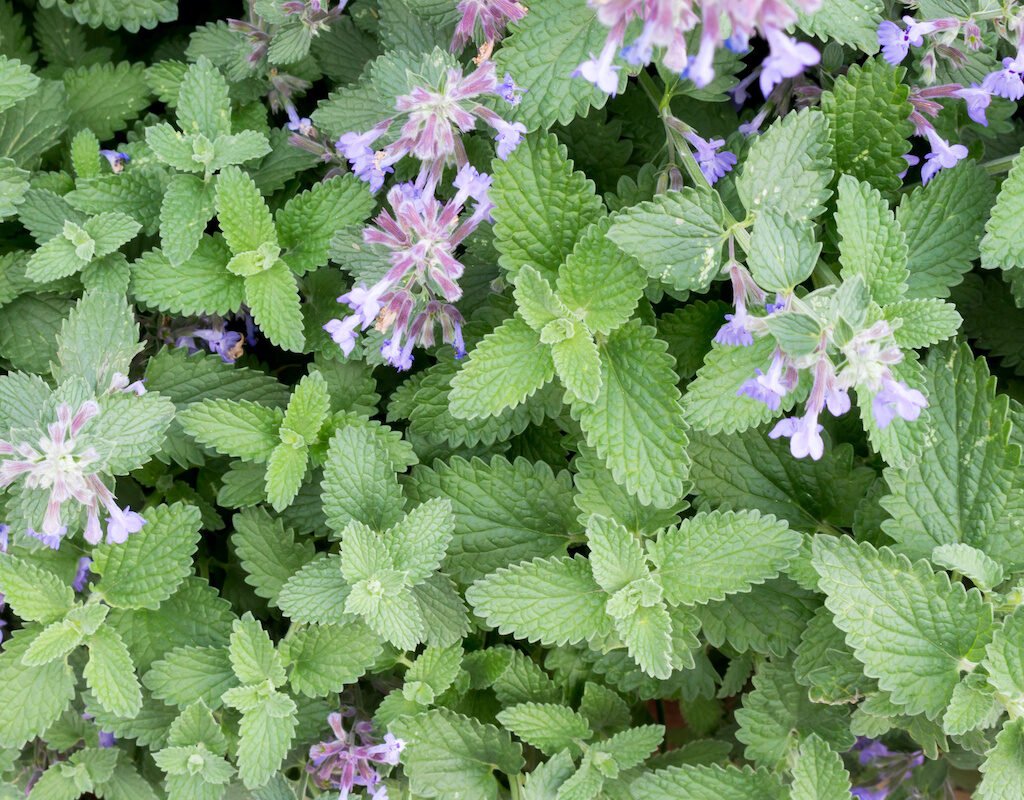
For most cats, catnip is pure magic. About 70–80% of cats carry a genetic sensitivity to nepetalactone, which triggers a range of behaviors—rolling, rubbing, purring, and playful zoomies.
Here’s how it works:
- Smelling catnip: Triggers euphoria and hyperactivity that lasts about 10–15 minutes.
- Eating catnip: Has a calming effect, making cats more relaxed.
- Kittens under six months: Usually don’t respond to it. Sensitivity develops with age.
Interestingly, not all cats react—sensitivity is hereditary. If your cat doesn’t respond, try silvervine or valerian root, which can produce similar effects.
Safety Note: Catnip is completely non-toxic. Overindulgence might cause mild stomach upset, but it’s rare and temporary.
Creative Ways to Use Catnip for Your Cat
Want to make the most of your homegrown herb? Here are a few fun and easy DIY ideas American cat owners love:
1. Homemade Catnip Toys
Fill small fabric pouches or socks with dried catnip and sew them shut. Your cat will have hours of entertainment chasing and batting them around.
2. Catnip Spray
Make a natural catnip spray by steeping dried catnip in warm water for 15 minutes. Strain and pour into a spray bottle. Use it to refresh old toys or encourage your cat to use scratching posts.

3. Catnip Treats
Sprinkle a small pinch of dried catnip over your cat’s food for an occasional treat—or mix it into homemade cat biscuits for an herbal twist.
4. Cat Garden Corner
Plant catnip alongside cat grass (wheat or oat grass) in a dedicated area of your garden or balcony. Your feline will have a safe, organic playground to explore.
Health and Wellness Benefits of Catnip for Humans
While catnip is most famous for its feline appeal, it’s also a valuable medicinal herb for people—used for centuries in traditional herbalism.
1. Natural Stress and Sleep Aid
Catnip tea has mild sedative properties that help calm nerves and promote better sleep. It’s caffeine-free and pairs well with chamomile or lemon balm.
2. Digestive Support
Drinking catnip tea can ease indigestion, bloating, and cramps. Its natural oils help relax smooth muscles in the digestive tract.
3. Cold and Flu Relief
Catnip has mild antispasmodic and decongestant effects, making it a gentle herbal remedy for coughs and congestion.
4. Insect Repellent
Nepetalactone is so potent that researchers have found it can repel mosquitoes even more effectively than DEET in some cases. Crush fresh leaves and rub them on exposed skin (test first for sensitivity) for a natural bug deterrent.

5. Skincare and Aromatherapy
Infused catnip oil or catnip hydrosol can be used in DIY lotions and sprays for relaxation and skin soothing.
Note: Always consult a healthcare professional before using herbal remedies regularly, especially during pregnancy or while on medication.
Preserving and Storing Catnip
To enjoy your harvest year-round, you can easily preserve catnip by drying or freezing it.
- Drying: Hang bunches upside down in a dry, dark space until leaves are crisp. Strip leaves from stems and store in sealed jars.
- Freezing: Place fresh leaves in freezer-safe bags. They’ll retain potency for several months.
- Infused Oil or Tea: Use dried leaves to make herbal oil or store-bought tea blends.
For cat owners, dried catnip stays potent for 6–12 months—just keep it in a cool, airtight container away from moisture.
Catnip Varieties to Try in America
Not all catnip is created equal! Here are a few types popular among American gardeners:
- Common Catnip (Nepeta cataria): The classic variety cats adore.
- Lemon Catnip (Nepeta cataria citriodora): Offers a lemony aroma and is great for teas.
- Catmint (Nepeta faassenii): Milder for cats but stunning as a border plant with purple flowers.
Each variety has its own charm, whether you’re growing for your pet or for ornamental beauty.
Fun Facts About Catnip
- Ancient Romans used catnip as a culinary herb long before it became known for feline fun.
- Big cats—like lions and tigers—often react to catnip the same way domestic cats do.
- In colonial America, catnip tea was a popular household remedy for colds and insomnia.
- The word Nepeta comes from “Nepete,” an ancient Italian city where the plant was first cultivated.
Conclusion: Catnip—The Herb That Connects Nature, Wellness, and Joy
Few plants bring as much happiness to both people and pets as catnip. It’s an herb that bridges worlds—offering entertainment for cats, health benefits for humans, and beauty for gardens.

Whether you’re a cat parent looking to enrich your feline’s life or a gardener wanting a fragrant, pollinator-friendly plant, catnip fits right in. It’s easy to grow, endlessly useful, and full of character.
So this season, plant a little catnip and watch the magic unfold—your cat will thank you, your garden will flourish, and you’ll find yourself falling in love with one of America’s most delightful herbs.