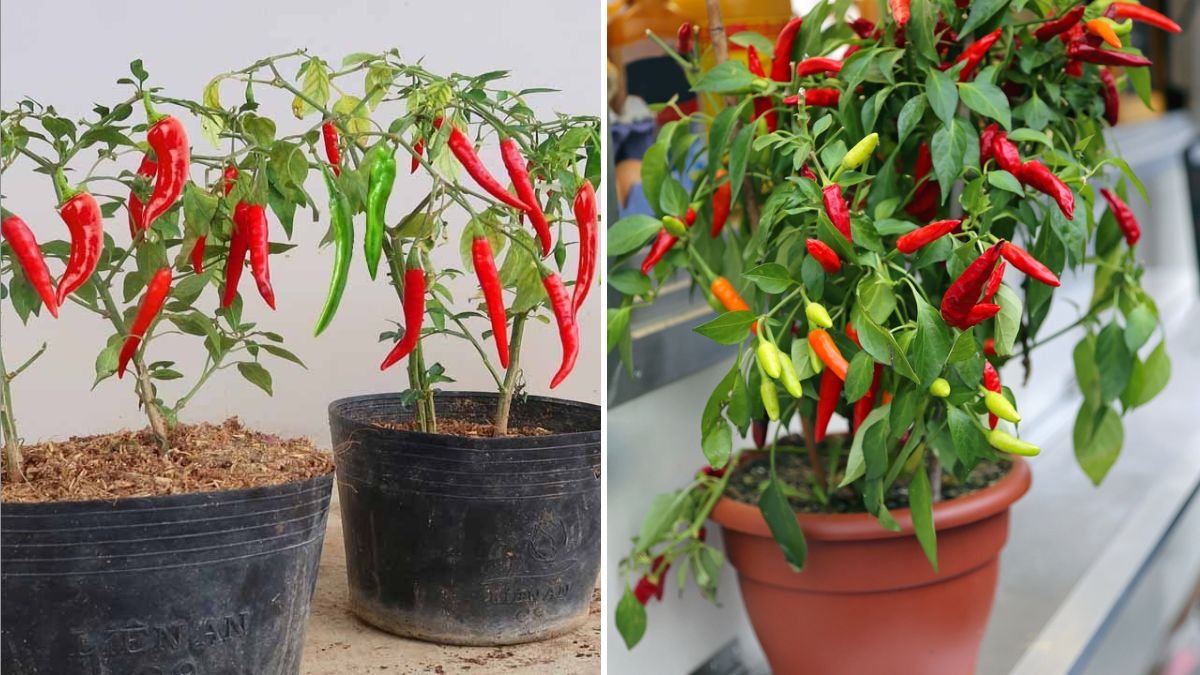
Few ingredients can awaken your taste buds like a chili pepper. From smoky jalapeños in Tex-Mex dishes to the bold kick of cayenne in Southern cooking, chili peppers are the heartbeat of spicy cuisine across America. But these colorful pods aren’t just about heat — they’re loaded with antioxidants, vitamins, and a cultural legacy that stretches from ancient Aztecs to modern backyard gardeners.
In this fiery guide, we’ll explore the origins, varieties, health benefits, culinary uses, and home-growing tips for chili peppers — plus how to choose the right heat level for your favorite dishes. Whether you’re a spice lover, a home cook, or a gardening enthusiast, this is everything you need to know about chili peppers in the American kitchen and garden.
1. The History of Chili Peppers: From Ancient Roots to American Tables
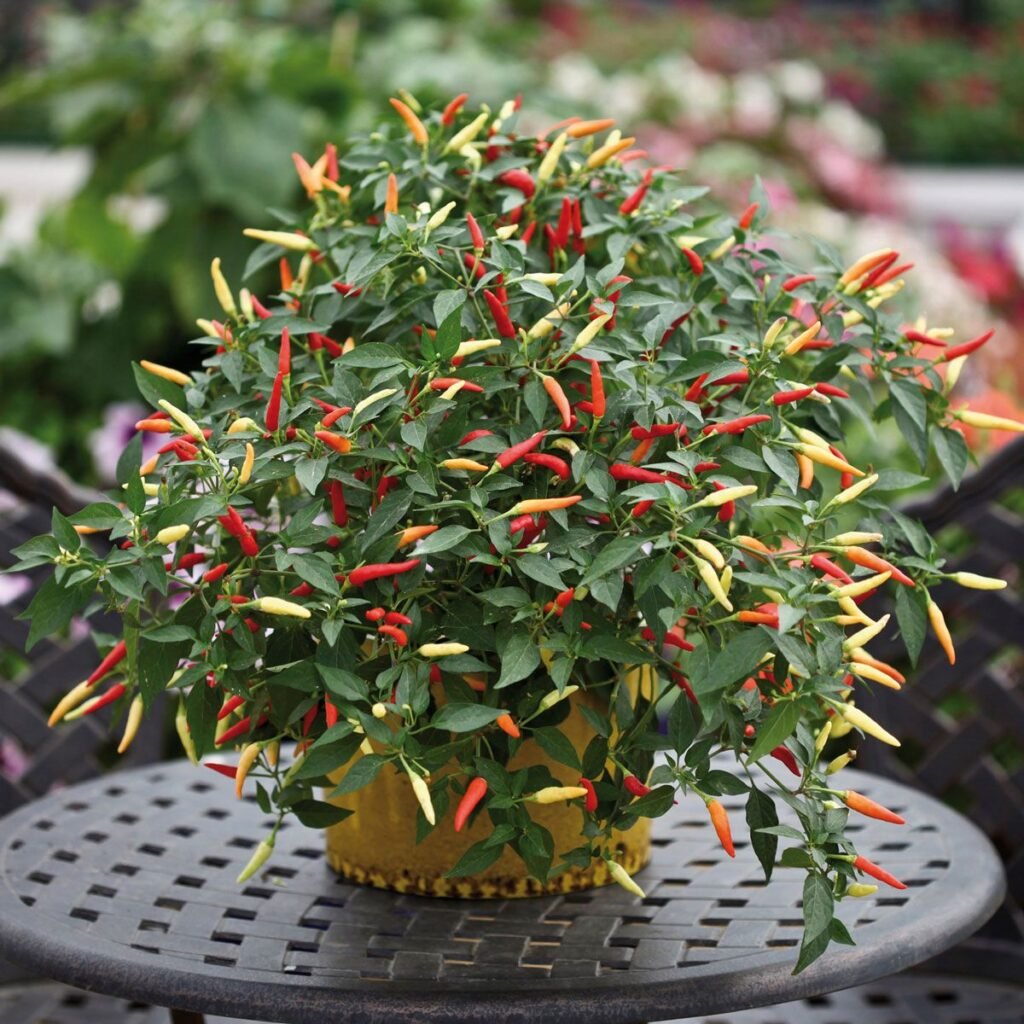
Chili peppers have been spicing up meals for over 6,000 years, originally cultivated in Central and South America. Ancient civilizations like the Aztecs and Mayans valued chili peppers not only for their flavor but also for their medicinal properties and even religious rituals.
After Christopher Columbus’s voyages in the late 15th century, chili peppers spread rapidly to Europe, Africa, and Asia — transforming cuisines worldwide. Fast forward to today, and you’ll find chili peppers at the heart of American regional dishes, from Louisiana hot sauce to New Mexico’s red and green chile stews.
2. Understanding the Heat: What Makes Chili Peppers Spicy?
The heat of chili peppers comes from capsaicin, a natural compound found mostly in the seeds and inner membranes. Capsaicin triggers the same receptors in your mouth that sense pain, creating that signature burning sensation we call “spice.”

The intensity of heat is measured using the Scoville Heat Scale:
- Bell Pepper: 0 Scoville Heat Units (SHU)
- Jalapeño: 2,500–8,000 SHU
- Cayenne Pepper: 30,000–50,000 SHU
- Habanero: 100,000–350,000 SHU
- Ghost Pepper (Bhut Jolokia): 1,000,000+ SHU
- Carolina Reaper: 2,200,000+ SHU (one of the hottest in the world)
Pro tip: The heat level can vary depending on the variety, ripeness, and even growing conditions — so always test a small bite first!
3. Popular Chili Pepper Varieties in the U.S.
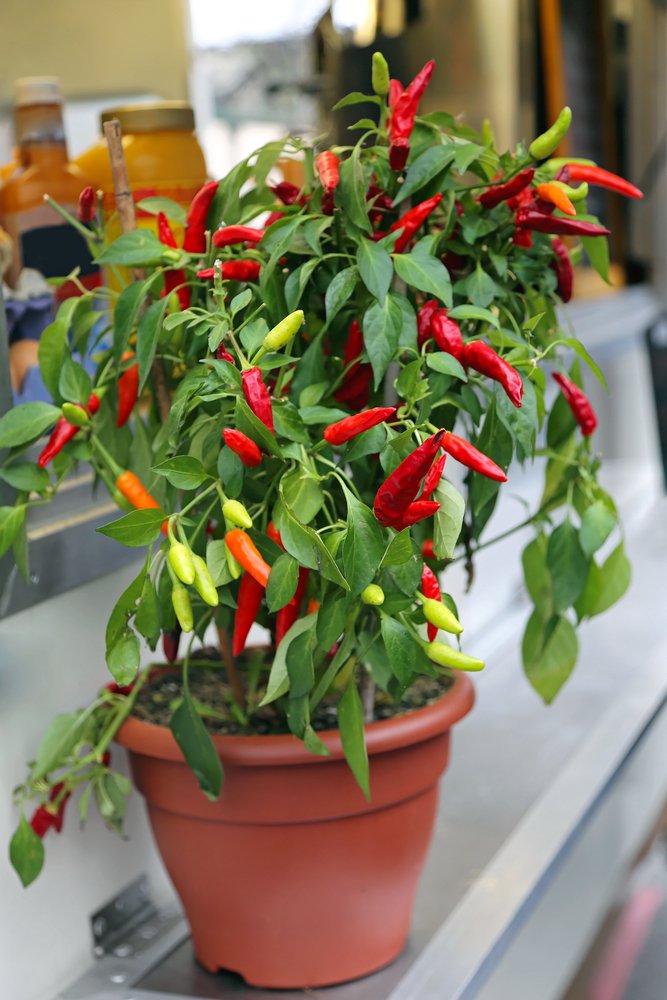
America’s diverse food culture means chili peppers come in countless forms and flavors. Here are some of the most popular types found across U.S. kitchens and farmers’ markets:
1. Jalapeño
A staple in American cooking, jalapeños are medium-hot and versatile. Use them fresh in nachos, salsa, or stuffed poppers, or smoke them to create chipotle peppers.
2. Serrano
Slightly hotter than jalapeños, serranos pack bright, crisp heat. Perfect for fresh salsas, guacamole, and ceviche.

3. Cayenne
Often dried and ground into powder, cayenne is a classic for spicing up soups, chili, and barbecue rubs.
4. Habanero
Known for its fruity and floral flavor, habaneros bring intense heat to hot sauces and Caribbean dishes.
5. Anaheim and Hatch Chile
These mild-to-medium peppers are favorites in Southwestern and Mexican-American cuisine, especially in stuffed pepper recipes and green chile sauces.
6. Poblano
Mild and earthy, poblanos are great for chiles rellenos or roasting. When dried, they become ancho chiles, a smoky staple in mole sauces.
7. Ghost Pepper and Carolina Reaper
For the bravest spice enthusiasts, these ultra-hot varieties are used sparingly in extreme sauces, spicy challenges, and novelty snacks.

4. Health Benefits of Chili Peppers: More Than Just Heat
Beyond their fiery flavor, chili peppers are nutritional powerhouses packed with vitamins and antioxidants. Here’s why adding a little spice can actually be good for you:
Boosts Metabolism
Capsaicin increases thermogenesis — your body’s process of burning calories — helping support weight management and fat loss.
Improves Heart Health
Regular consumption of chili peppers has been linked to lower cholesterol levels, reduced blood pressure, and improved circulation.
Strengthens Immunity
Chili peppers are rich in vitamin C, beta-carotene, and antioxidants that help strengthen your immune system.
Reduces Pain and Inflammation
Capsaicin creams are often used to relieve joint pain, arthritis, and muscle soreness, proving that the same compound that burns your mouth can heal your body.

Boosts Mood
Eating spicy food releases endorphins and dopamine, natural chemicals that elevate mood and reduce stress — no wonder spice lovers feel a “pepper high” after a good meal!
5. Cooking with Chili Peppers: Tips, Tricks, and Recipes
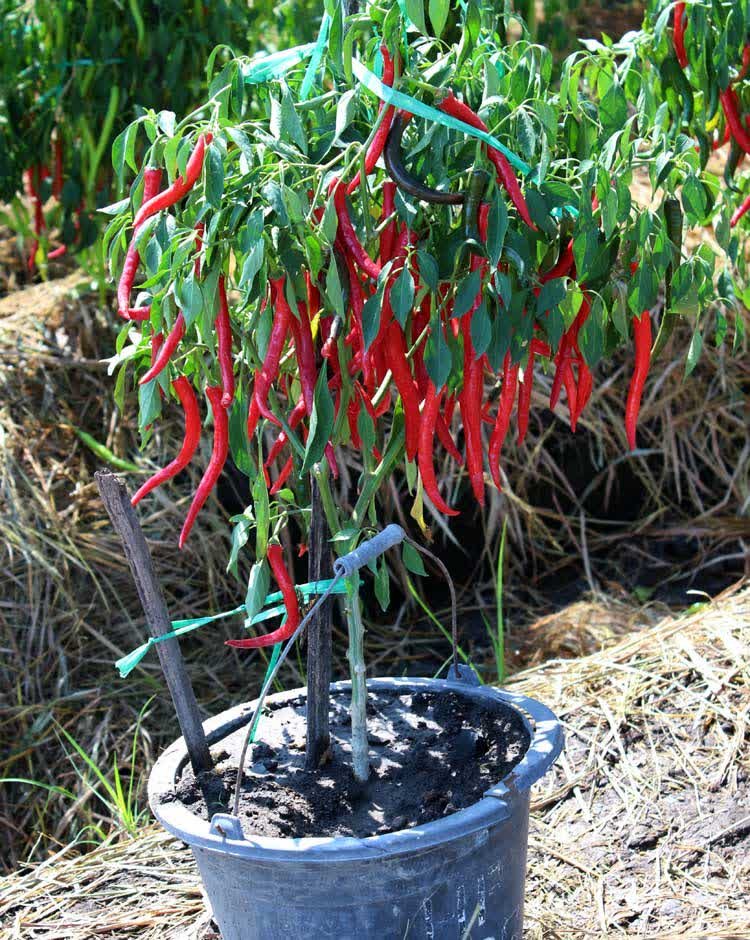
Chili peppers are incredibly versatile — they can be fresh, roasted, dried, or pickled. Here’s how to make the most of them in your kitchen:
Handling Tips
- Wear gloves when cutting hot peppers to avoid skin irritation.
- Remove seeds and membranes for milder flavor.
- To reduce heat, soak chopped peppers in vinegar or lemon juice for a few minutes.
Quick Culinary Uses
- Fresh: Add sliced jalapeños to tacos, salads, or burgers.
- Dried: Use ground cayenne or chili flakes to season meats and stews.
- Roasted: Blend roasted poblanos or Hatch chiles into creamy sauces.
- Pickled: Pickled peppers make tangy toppings for sandwiches and pizzas.
- Hot Sauce: Blend habaneros with vinegar, garlic, and honey for a homemade kick.
Simple Recipe: Spicy Garlic Chili Oil
Ingredients:
- 1 cup neutral oil (like canola or avocado oil)
- 5 cloves garlic (minced)
- 2 tbsp crushed red pepper flakes
- 1 tsp soy sauce
- ½ tsp salt
Instructions:
- Heat the oil and garlic on low until golden.
- Add red pepper flakes and let steep for 5 minutes.
- Stir in soy sauce and salt.
- Cool and store in a jar — drizzle over noodles, pizza, or fried rice!
6. Growing Chili Peppers at Home: A Gardener’s Dream
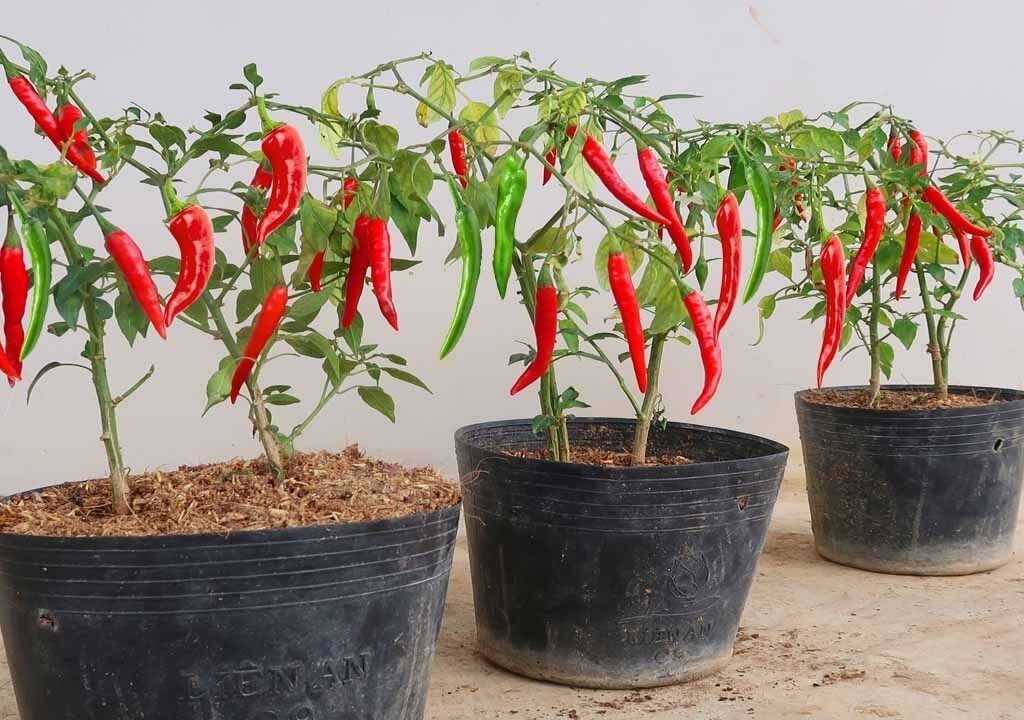
Chili peppers are among the easiest and most rewarding plants to grow, even for beginners. Here’s how to start your own mini pepper garden — whether in a backyard or a sunny balcony.

Planting Basics
- Soil: Use well-draining, nutrient-rich soil with compost.
- Sunlight: 6–8 hours of full sun daily.
- Temperature: Ideal growing range is 70°F–85°F.
Watering & Care
- Keep soil consistently moist but not soggy.
- Add organic fertilizer every few weeks.
- Watch for pests like aphids or whiteflies — neem oil works great as a natural repellent.
Harvesting
Chili peppers are usually ready 60–90 days after planting. Harvest when they turn red, yellow, or orange — depending on the variety. The longer they stay on the plant, the hotter they get!
Bonus Tip:
If you live in cooler regions, grow chili peppers in pots so you can bring them indoors during cold months.
7. Fun Chili Pepper Facts
- The world’s hottest pepper, the Carolina Reaper, averages over 2.2 million Scoville units.
- Chili peppers belong to the nightshade family, along with tomatoes and eggplants.
- Birds are immune to capsaicin — they can eat hot peppers without feeling the burn!
- The word “chili” comes from the Nahuatl (Aztec) word “chīlli”, meaning “red pepper.”
Conclusion: Turn Up the Heat in Your Kitchen and Garden
Chili peppers are more than just a fiery flavor boost — they’re a symbol of warmth, health, and creativity in the kitchen. From adding a mild jalapeño zing to crafting homemade hot sauces or growing your own colorful varieties, there’s no limit to how you can enjoy them.
So next time you’re cooking, remember: a little heat goes a long way. Embrace the spice, explore new varieties, and let chili peppers bring bold energy to your meals — and your life.