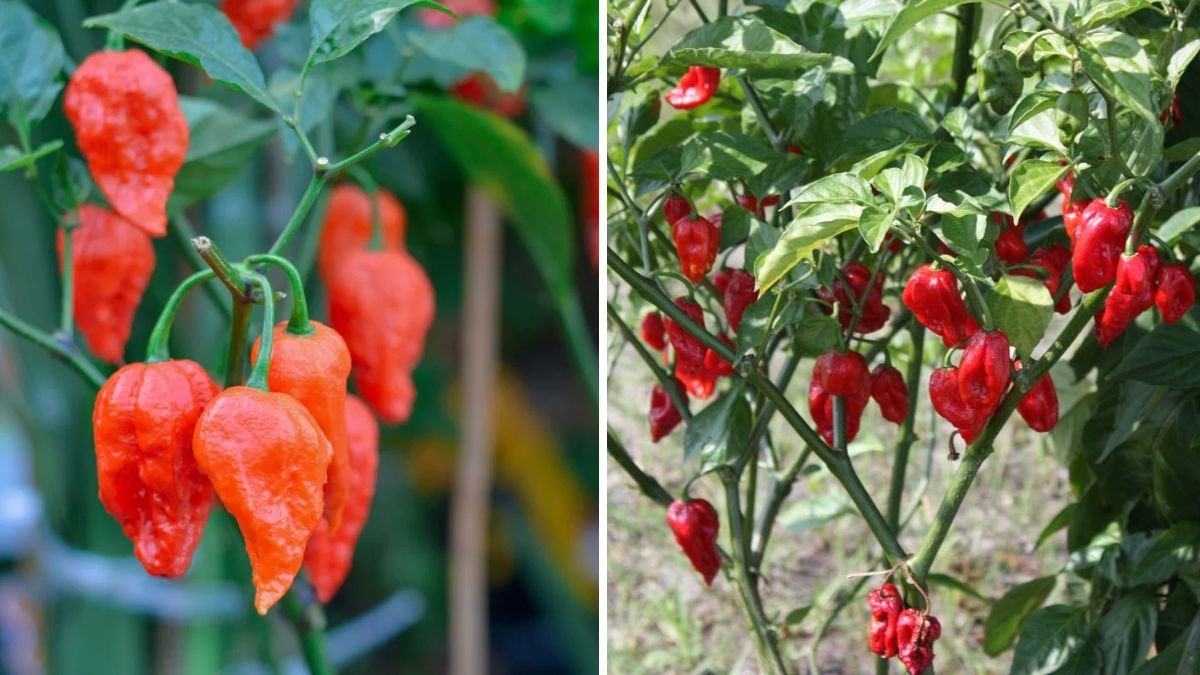
Few chilies command as much respect—or fear—as the Ghost Pepper. Also known as Bhut Jolokia, this infamous chili once held the title of the world’s hottest pepper, and for good reason. Clocking in at over 1,000,000 Scoville Heat Units (SHU), the Ghost Pepper delivers a fiery punch that can make even seasoned spice lovers sweat.
But there’s more to this pepper than just its extreme heat. Beneath the burn lies a sweet, smoky, and fruity flavor that’s become a favorite among American hot sauce makers, home gardeners, and culinary daredevils. From fiery sauces to spicy snacks and even gourmet dishes, Ghost Peppers are taking American cuisine to thrilling new heights.
In this comprehensive guide, we’ll explore everything about Ghost Peppers—where they come from, how to grow them, how to cook with them safely, and why they’re so much more than just a dare.
What Is a Ghost Pepper?
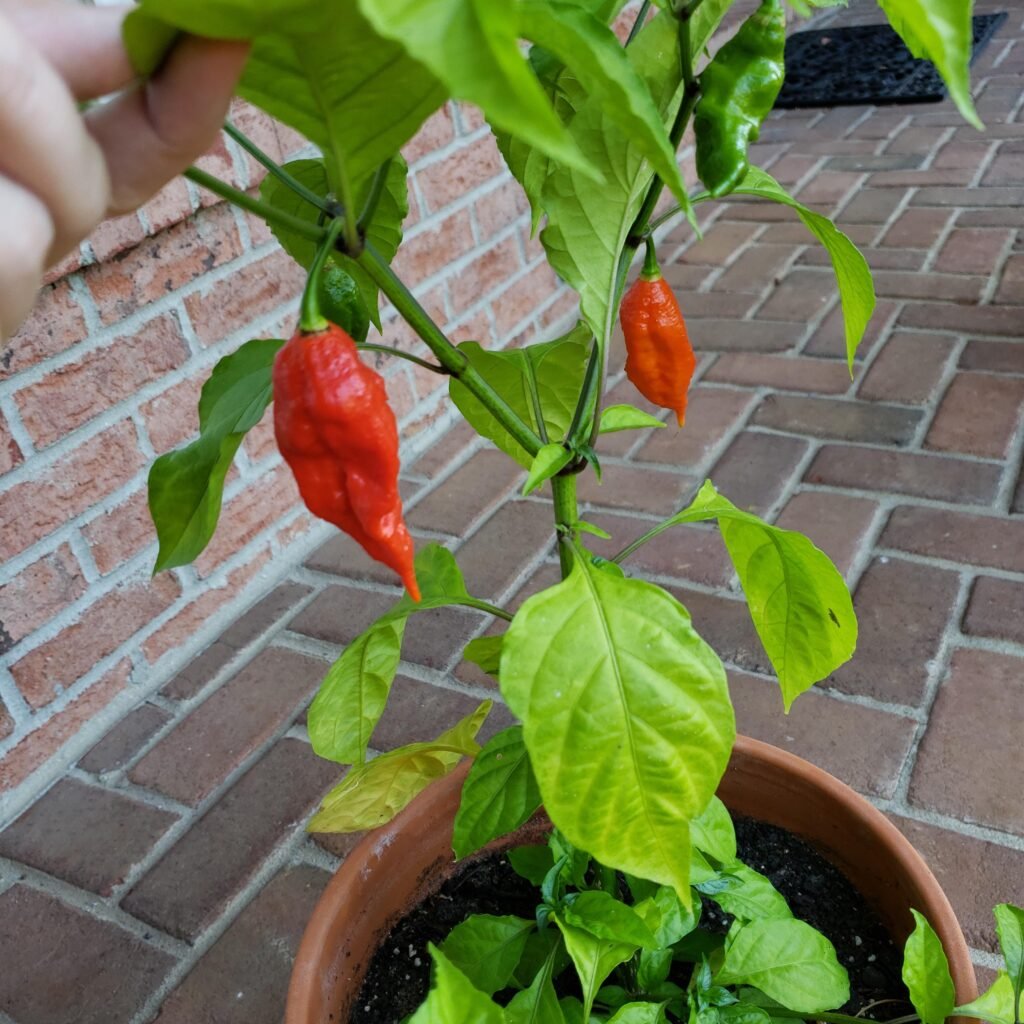
The Ghost Pepper (Bhut Jolokia) originates from northeastern India, specifically Assam and Nagaland, where it has been used for centuries in local cuisine and even for natural pest control. The name “Bhut Jolokia” roughly translates to “ghost chili” in Assamese—a fitting name for a pepper whose heat seems to haunt your taste buds.
In 2007, the Ghost Pepper was officially recognized by the Guinness World Records as the world’s hottest chili, surpassing 1,000,000 SHU on the Scoville Heat Scale. Although newer varieties like the Carolina Reaper have since overtaken it, the Ghost Pepper remains an icon in the world of extreme spice.
How Hot Is a Ghost Pepper?
The Ghost Pepper’s heat level is the stuff of legend. On the Scoville scale, it ranks between 855,000 and 1,041,427 SHU. To put that in perspective:

| Pepper Type | Scoville Heat Units (SHU) |
|---|---|
| Jalapeño | 2,500 – 8,000 |
| Cayenne | 30,000 – 50,000 |
| Habanero | 100,000 – 350,000 |
| Ghost Pepper (Bhut Jolokia) | 855,000 – 1,041,427 |
| Carolina Reaper | 1,400,000 – 2,200,000 |
That means a single Ghost Pepper is more than 200 times hotter than a jalapeño. But unlike many ultra-hot chilies, the Ghost Pepper’s heat builds slowly—starting with a smoky sweetness before erupting into a powerful, lingering burn that lasts for several minutes.
Ghost Pepper Flavor Profile
Beneath its fiery heat, the Ghost Pepper offers a surprisingly complex flavor. When used correctly (and sparingly), it adds a fruity, earthy, and slightly smoky taste that enhances everything from hot sauces to stews.
The trick is to balance its heat with ingredients that complement its flavor—such as sweet fruits, vinegars, creamy sauces, or smoky grilled meats.
Growing Ghost Peppers in the United States
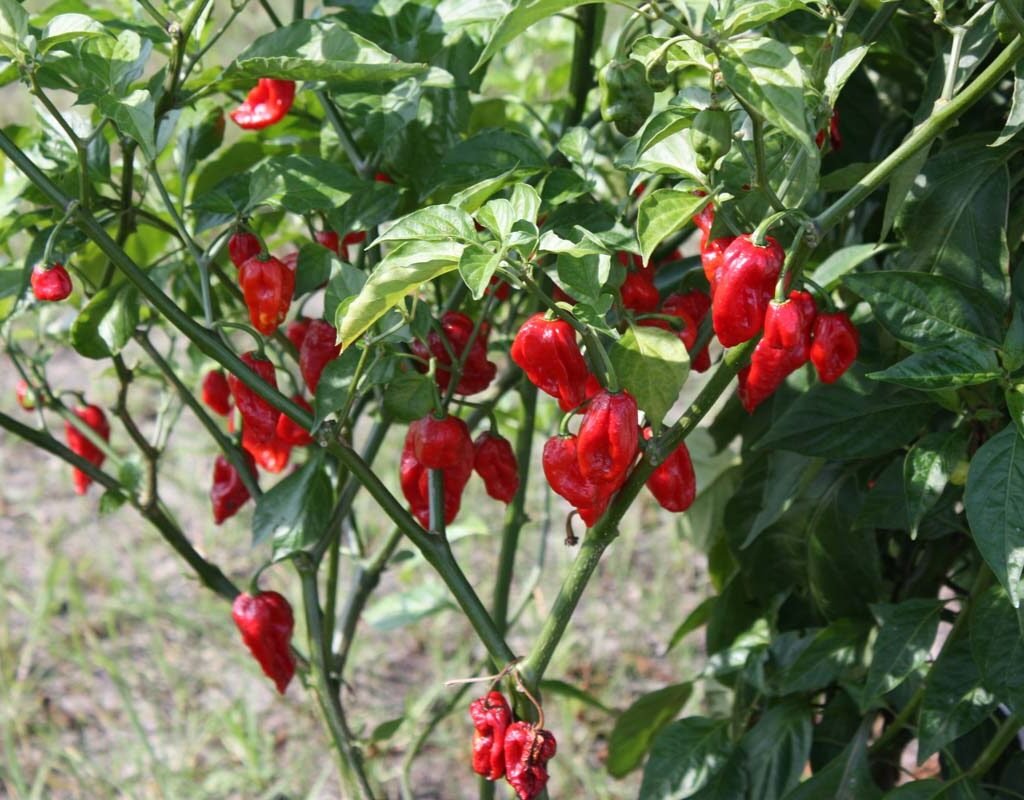
Despite their exotic origins, Ghost Peppers grow exceptionally well in warm American climates, particularly in southern states like Texas, Florida, Arizona, and California. Even if you live in a cooler area, you can grow them indoors or in a greenhouse with proper care.
1. Starting from Seeds
Ghost Pepper seeds take longer to germinate than most chili varieties.
- Start indoors 10–12 weeks before the last frost date.
- Sow seeds ¼ inch deep in moist, well-draining potting mix.
- Keep the temperature between 80–90°F (a heat mat helps).
- Germination can take 2–4 weeks, so patience is key.
2. Transplanting Outdoors
Once seedlings are 6–8 inches tall and nighttime temperatures stay above 60°F:

- Transplant them into full sun.
- Space plants 18–24 inches apart.
- Use rich, loamy soil with good drainage and a pH between 6.0–6.8.
3. Watering and Fertilization
- Keep soil consistently moist but not soggy.
- Water at the base to avoid wetting leaves.
- Feed with a balanced fertilizer (10-10-10) every few weeks.
4. Harvesting
Ghost Peppers mature about 120–150 days after transplanting.
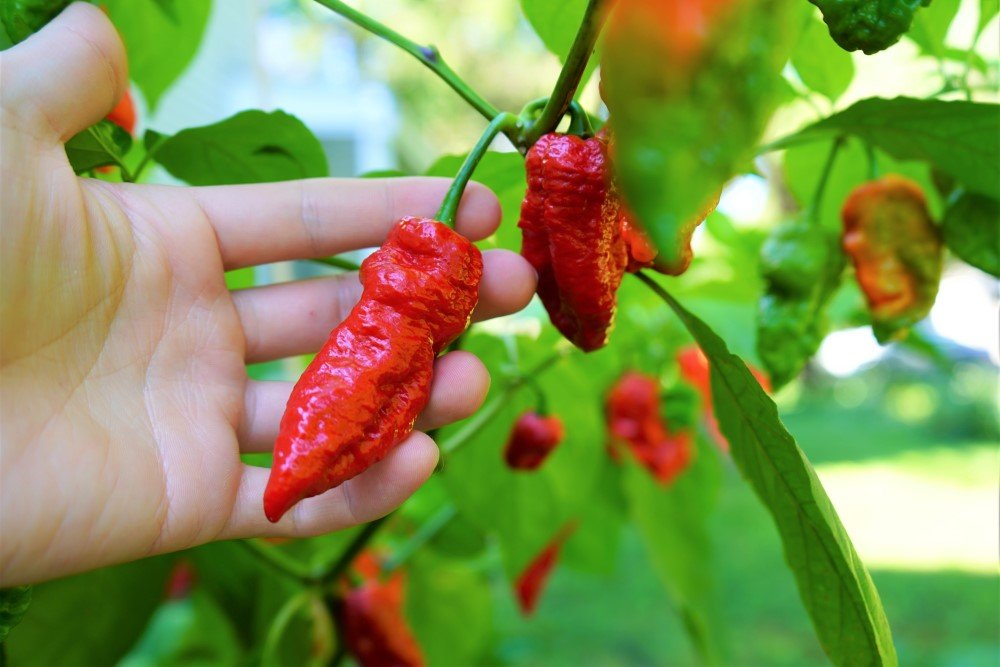
- They start green, then ripen to bright red, orange, yellow, or even chocolate brown, depending on the variety.
- Harvest with scissors or shears to prevent damaging the plant.
Each plant can produce up to 100 peppers per season, making it a rewarding (and spicy) addition to your garden.
Cooking with Ghost Peppers: Handle with Care
Ghost Peppers are not for the faint of heart, but when used wisely, they can transform a dish into something unforgettable.
Safety Tips
- Always wear gloves when handling Ghost Peppers.
- Avoid touching your face, eyes, or skin after handling.
- Wash hands and utensils thoroughly with soap and vinegar.
- Remember: A little goes a long way. Even a tiny sliver can heat up an entire dish.
5 Fiery Ways to Cook with Ghost Peppers
1. Homemade Ghost Pepper Hot Sauce
A few Ghost Peppers blended with vinegar, garlic, onions, and salt can create a flavorful, potent hot sauce that lasts for months. Add mango or pineapple for a sweet Caribbean twist.
2. Ghost Pepper Chili
Kick your classic American chili up a notch by adding half a Ghost Pepper (finely minced). It delivers deep, smoky heat that pairs perfectly with beans, beef, and tomatoes.
3. Spicy BBQ Glaze
Mix Ghost Pepper puree into barbecue sauce for a bold, fiery glaze perfect for grilled ribs, wings, or burgers.

4. Ghost Pepper Salsa
Blend one Ghost Pepper with roasted tomatoes, lime juice, onions, and cilantro for an ultra-spicy salsa that’s both fiery and flavorful.
5. Ghost Pepper Infused Oil
Add a whole dried Ghost Pepper to a bottle of olive oil and let it infuse for a few weeks. Use it sparingly for cooking or drizzling on pizza.
Ghost Pepper Health Benefits
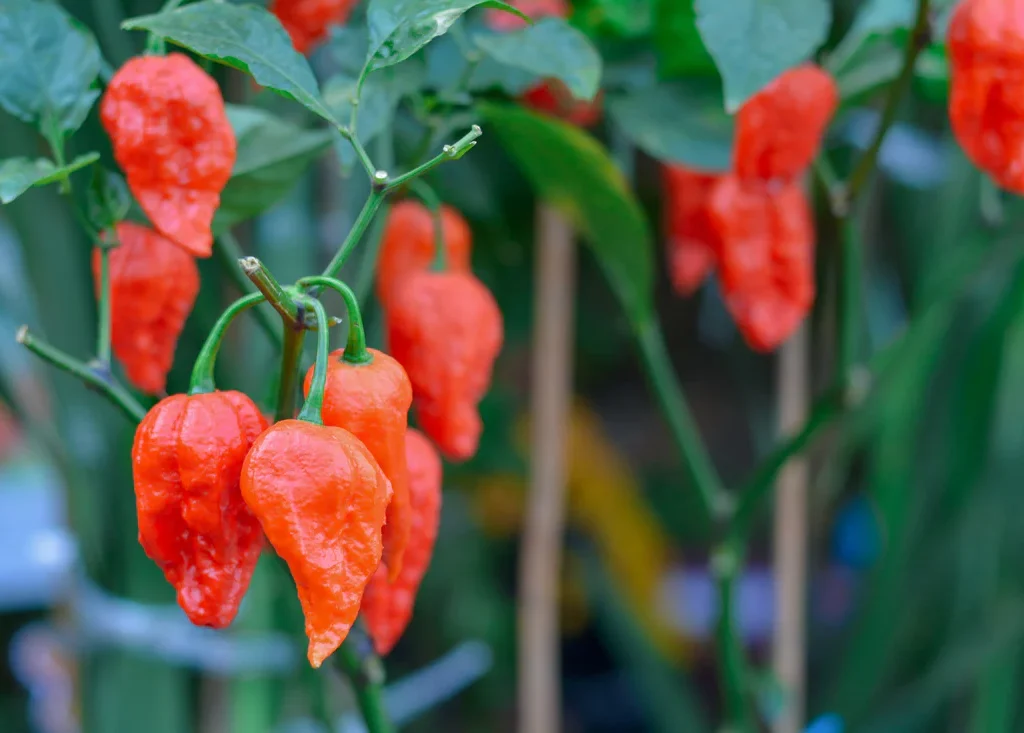
While Ghost Peppers might make your eyes water, they’re packed with nutritional and medicinal benefits.
1. Rich in Vitamins
They’re high in vitamin C (boosts immunity) and vitamin A (supports vision and skin health).
2. Boosts Metabolism
The capsaicin in Ghost Peppers increases your metabolic rate, helping the body burn more calories.
3. Natural Pain Relief
Capsaicin is known to block pain receptors, which is why it’s used in topical creams for arthritis and nerve pain.

4. Antioxidant Power
Ghost Peppers are rich in antioxidants, which protect cells from oxidative damage and support heart health.
5. Mood Booster
Eating spicy food releases endorphins, producing that signature “spice high” that leaves you feeling exhilarated.
Preserving and Storing Ghost Peppers
Because Ghost Peppers are so potent, even a small batch goes a long way. Here’s how to make the most of your harvest:
- Drying: Air-dry or use a dehydrator to make Ghost Pepper flakes or powder.
- Freezing: Store whole peppers in freezer bags for up to 8 months.
- Pickling: Preserve sliced peppers in vinegar with garlic and salt.
- Hot Sauce: Blend and store in sterilized glass bottles for long-term use.
Always label containers clearly—Ghost Peppers look innocent but pack a serious punch!
Fun and Surprising Facts About Ghost Peppers
- The Ghost Pepper was the first chili to cross one million Scoville units.
- In India, it’s used to keep elephants away from crops due to its intense smell and heat.
- The pepper’s burn can last up to 20 minutes after eating!
- Despite its heat, chefs worldwide use Ghost Peppers for gourmet sauces, chocolates, and even spicy cocktails.
- Ghost Pepper challenges went viral on social media, making it a pop-culture phenomenon in America.
Ghost Pepper Varieties You’ll Find in the U.S.
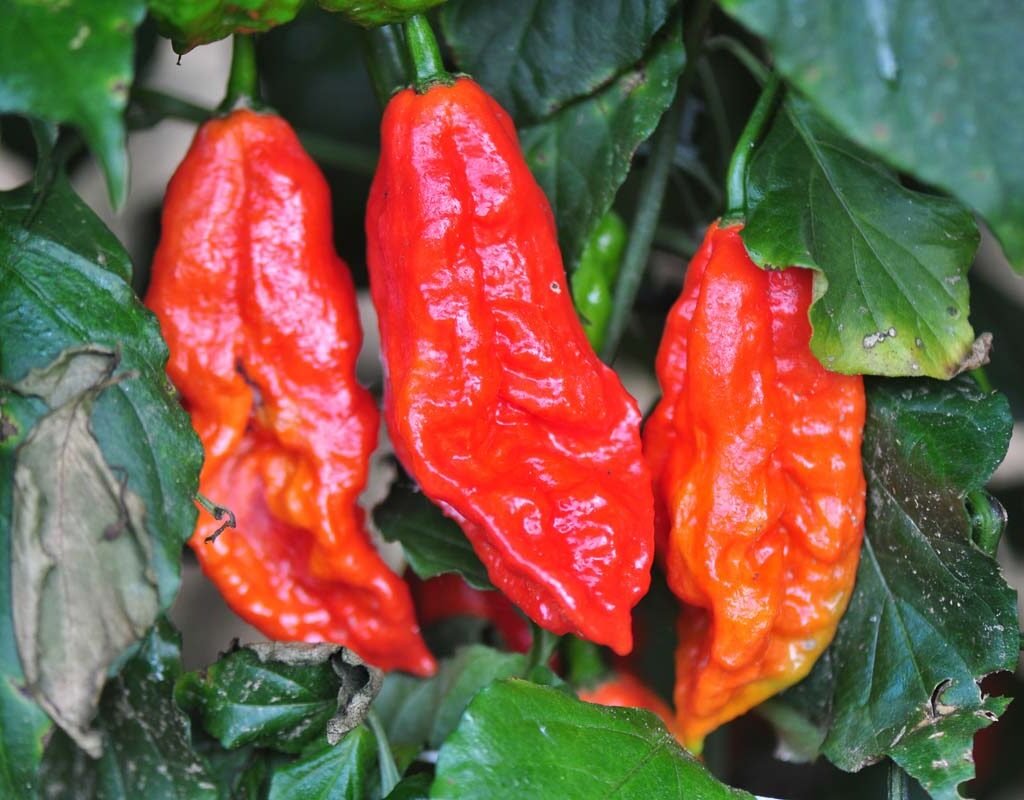
There are several color and heat variations of the Ghost Pepper, each offering a slightly different flavor:
| Variety | Color | Flavor Notes | Heat Level |
|---|---|---|---|
| Red Ghost Pepper | Bright Red | Sweet, smoky | 1,000,000 SHU |
| Orange Ghost Pepper | Orange | Fruity, tangy | 900,000 SHU |
| Chocolate Ghost Pepper | Brown | Earthy, rich | 1,200,000 SHU |
| Yellow Ghost Pepper | Yellow | Citrusy, floral | 850,000 SHU |
Each brings its own flair to recipes, so experiment carefully!

The Ghost Pepper in American Cuisine
Once a rare find, Ghost Peppers are now a star ingredient in American craft hot sauces, spicy snacks, and food challenges. You’ll find them in:
- Ghost Pepper Hot Sauce Wings – for extreme heat lovers.
- Spicy Ghost Pepper Burgers – offered by gourmet burger joints.
- Ghost Pepper Potato Chips – a fiery snack craze across the U.S.
- Ghost Pepper Chocolate Bars – sweet meets heat in a thrilling combo.
Their bold flavor and fiery kick make them a favorite among adventurous eaters seeking something new and unforgettable.
Conclusion: Embrace the Heat Responsibly
The Ghost Pepper isn’t just a chili—it’s an experience. It symbolizes the thrill of culinary adventure, the beauty of flavor balanced with fire, and the growing American love affair with heat.
Whether you’re growing them in your backyard, blending them into a hot sauce, or daring your friends to take a bite, Ghost Peppers deliver unforgettable flavor and excitement.
Just remember: respect the heat, start small, and enjoy the ride. Because when it comes to Ghost Peppers, the burn is real—but so is the flavor.

Leave A Comment