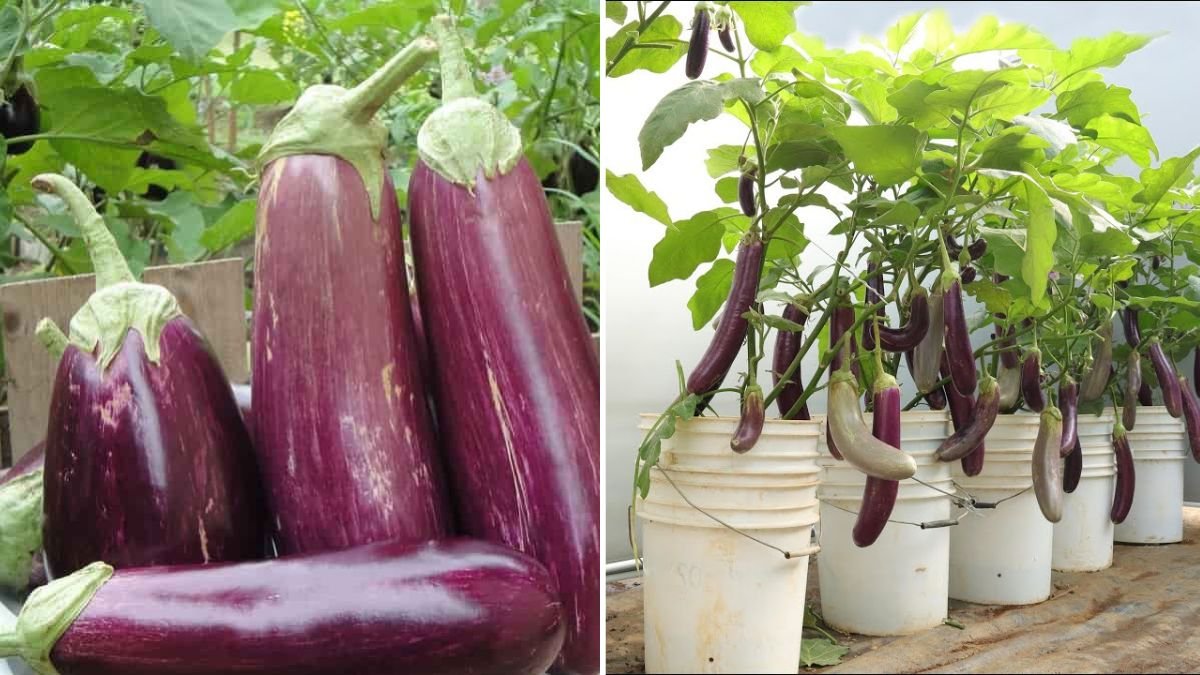
When you think of eggplants, you might picture large, glossy purple fruits sprawling across a garden bed. But there’s a whole world of compact, flavorful, and colorful dwarf eggplant varieties that are perfect for modern lifestyles. These petite powerhouses are ideal for urban gardeners, balcony growers, and container gardening enthusiasts across the U.S. — delivering the same rich taste and nutrition as their full-sized cousins, all from a small and manageable plant.
Whether you’re in sunny California, the humid South, or a compact city apartment in New York, dwarf eggplants make it easy to grow your own vegetables without needing a large yard. In this detailed guide, we’ll explore everything you need to know about growing, caring for, and harvesting these miniature garden gems.
1. What Are Dwarf Eggplants?
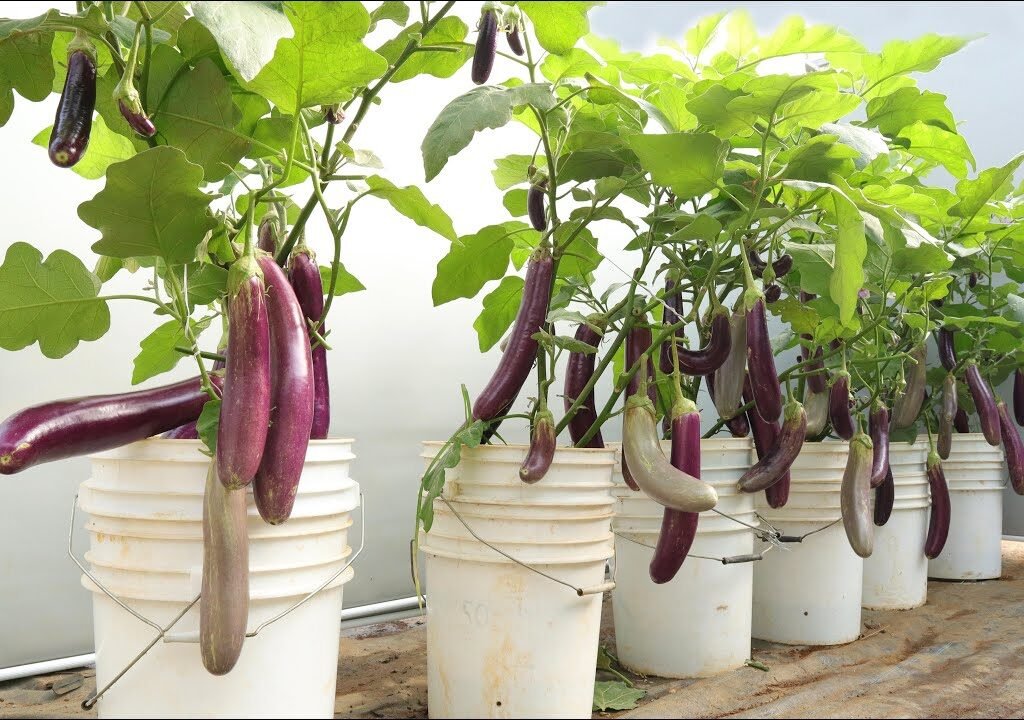
Dwarf eggplants are compact, short-growing varieties bred specifically for limited spaces and containers. Unlike traditional eggplants that can reach 3 to 4 feet tall, dwarf varieties typically grow between 12 and 24 inches, making them ideal for patios, balconies, or raised garden beds.
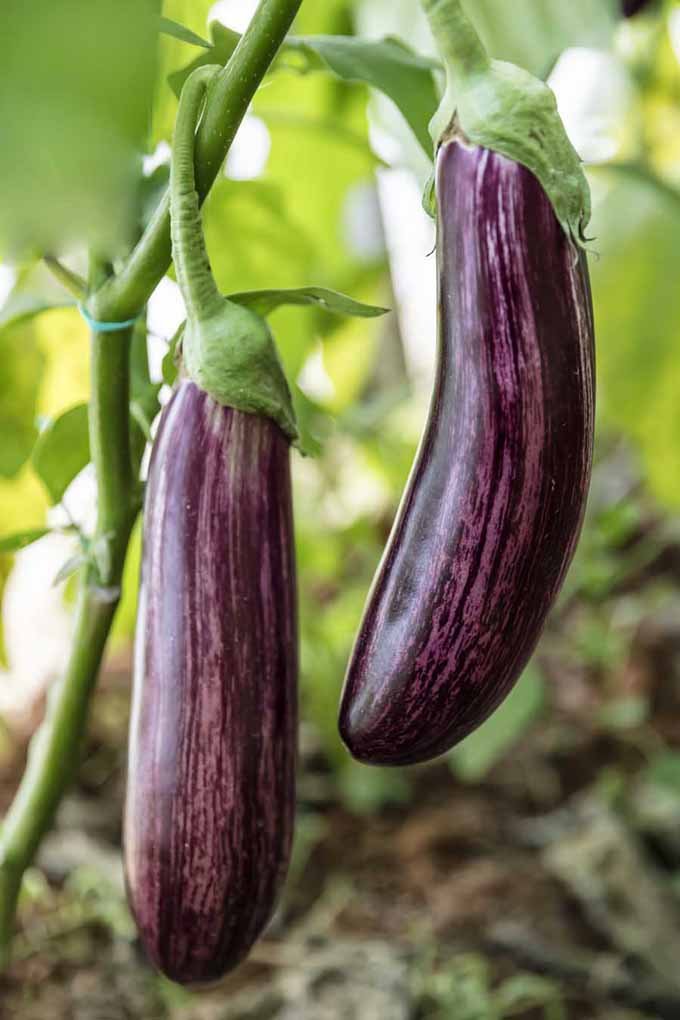
Despite their smaller size, dwarf eggplants are highly productive, often yielding dozens of fruits per plant throughout the growing season. Their fruits can range from deep purple and glossy black to lavender, white, or even striped, depending on the variety.
Many home gardeners love them not only for their taste but also for their ornamental appeal — their flowers and colorful fruits add beauty to outdoor spaces while serving a functional purpose.
2. Why Grow Dwarf Eggplants in the U.S.?
Urban and suburban gardeners across America are turning to dwarf crops due to space constraints and the rise of container gardening. Dwarf eggplants are an ideal choice for several reasons:

- Space Efficiency: Perfect for small gardens, balconies, and decks.
- Adaptability: Thrive in containers, raised beds, or sunny windowsills.
- High Yield: Produce ample fruit despite compact growth.
- Easy Maintenance: Require less pruning and support than full-sized plants.
- Aesthetic Appeal: Their vibrant fruits and blossoms double as décor.
Plus, dwarf eggplants adapt well to the diverse climates of the U.S. — from hot Southern states like Texas and Florida to cooler regions such as Oregon or Michigan (with a bit of greenhouse help).
3. Top Dwarf Eggplant Varieties to Try
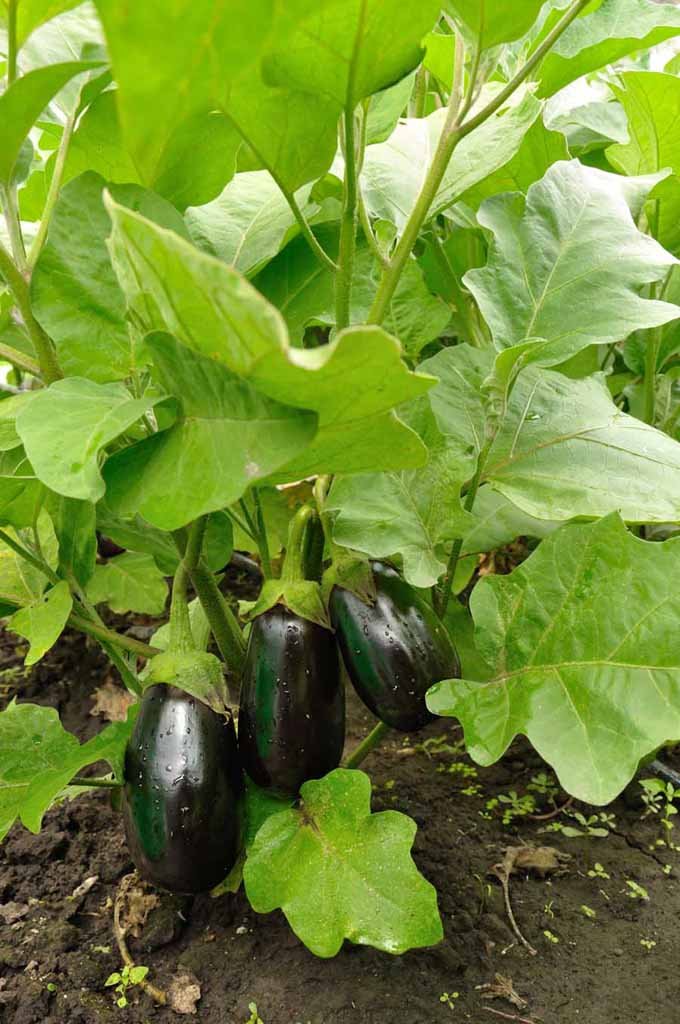
Here are some of the most popular dwarf and container-friendly eggplant varieties available in U.S. nurseries and seed catalogs:
1. ‘Fairy Tale’
- Small, striped lavender fruits with white streaks.
- Grows about 18 inches tall.
- Ideal for containers and quick harvests (ready in 50 days).
- Sweet, tender flavor with few seeds.
2. ‘Patio Baby’
- A true favorite among urban gardeners.
- Compact plant (12–18 inches tall).
- Bears small, glossy purple fruits perfect for grilling or roasting.
- Early maturing and high yielding.
3. ‘Hansel’ and ‘Gretel’
- Award-winning varieties from All-America Selections.
- ‘Hansel’ produces glossy dark-purple fruits, while ‘Gretel’ offers creamy white ones.
- Both thrive in containers and produce continuously through summer.
4. ‘Little Fingers’
- Slender, dark purple fruits that can be harvested early.
- Mild and tender texture.
- Grows up to 24 inches, perfect for patio pots.
5. ‘Bambino’
- True to its name, this mini eggplant variety is compact and bushy.
- Produces adorable round fruits with rich flavor.
- Ideal for decorative edible landscapes.
Each of these varieties offers a unique look and flavor profile, making them excellent choices for home chefs and garden enthusiasts alike.
4. How to Grow Dwarf Eggplants at Home
Growing dwarf eggplants is surprisingly simple — and incredibly rewarding. Here’s a step-by-step guide tailored for U.S. home gardeners:
Step 1: Choose the Right Container
Use a container that’s at least 12 inches deep and wide with good drainage. Eggplants don’t like “wet feet,” so ensure the pot has holes and is elevated slightly to avoid soggy soil.
Pro Tip: Use a dark-colored pot to keep roots warm in cooler climates, or a light-colored one in hot states like Arizona to prevent overheating.

Step 2: Use Quality Soil
Eggplants love rich, well-draining soil. Use a premium potting mix enriched with compost or organic fertilizer. The ideal pH is between 5.8 and 6.5.
Mix in perlite or coco coir for added aeration — perfect for container growth.
Step 3: Planting and Sunlight
Start seeds indoors 6–8 weeks before your last frost date, or buy healthy seedlings from a local nursery. Transplant outdoors when nighttime temperatures consistently stay above 55°F.
Eggplants thrive in full sun (6–8 hours daily), so place them in the brightest spot you have.
Step 4: Watering and Feeding
Water deeply but avoid overwatering. The soil should remain moist, not soggy. In warm states, watering every other day may be necessary.
Feed your plants with a balanced vegetable fertilizer every two weeks or a slow-release organic mix once a month. Fertilizers rich in potassium and phosphorus will boost flowering and fruiting.

Step 5: Support and Maintenance
Although dwarf eggplants are compact, they can become heavy with fruit. Use a small stake or tomato cage to support the plant if needed.
Regularly prune yellowing leaves and harvest fruits early to encourage continuous production.
5. Common Challenges and Solutions
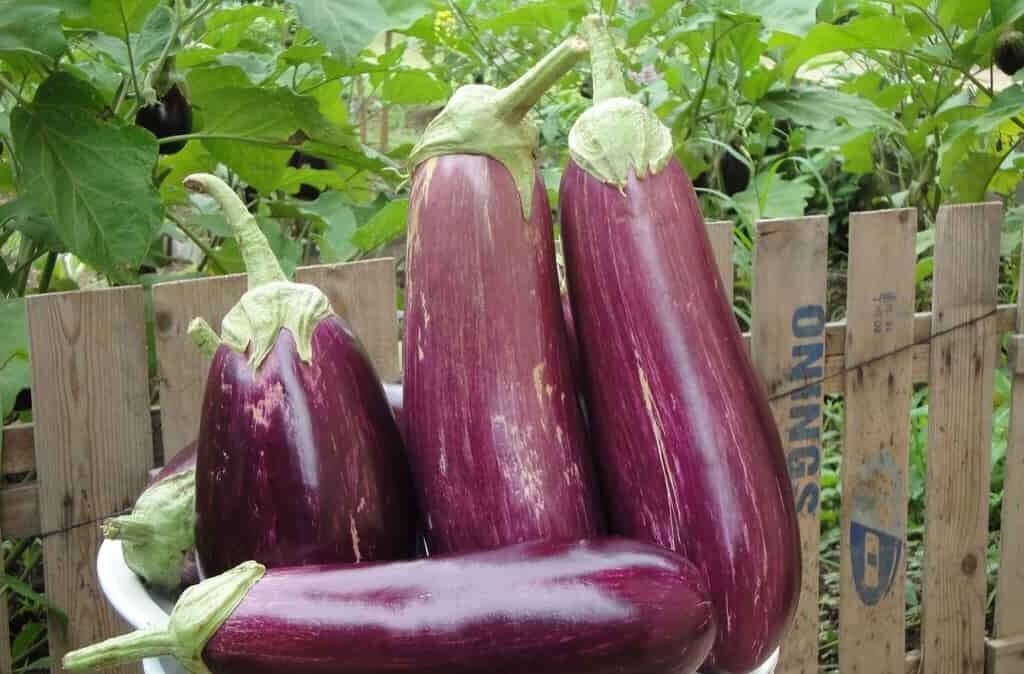
Even low-maintenance crops like dwarf eggplants can face a few issues. Here’s how to handle them:
| Problem | Cause | Solution |
|---|---|---|
| Yellow Leaves | Overwatering or poor drainage | Check soil moisture and pot drainage |
| Blossom Drop | Temperature fluctuations | Move to a sheltered spot; maintain consistent watering |
| Flea Beetles | Common pest in warm climates | Use neem oil spray or floating row covers |
| Slow Growth | Lack of sunlight or nutrients | Move to full sun and feed regularly |
Tip: Rotate your container crops each season to reduce pest buildup.
6. Harvesting and Using Dwarf Eggplants
Dwarf eggplants typically mature within 50–70 days depending on the variety. Harvest fruits when they’re glossy, firm, and about 3–5 inches long. Dull skin means the fruit is overripe.
Use a sharp knife or pruning shears to cut fruits from the stem, leaving a small cap attached. Frequent harvesting encourages the plant to produce more fruit.

Culinary Uses
These mini eggplants shine in various dishes:
- Grilled or roasted for smoky flavor.
- Stir-fried or sautéed with garlic and olive oil.
- Stuffed and baked with cheese and herbs.
- Added to curries, pasta, or salads.
Their tender texture and mild taste make them a perfect substitute for larger varieties in any recipe.
7. Seasonal Growing Tips for the U.S.
- Spring: Start seeds indoors or buy seedlings from local nurseries.
- Summer: Move containers to sunny patios and water frequently.
- Fall: Continue harvesting; consider moving pots indoors in cooler zones.
- Winter: In southern states like Florida or Texas, you can grow them year-round with proper sunlight.
In northern areas, extend the growing season by using greenhouses, grow lights, or indoor hydroponic setups.
8. Sustainable and Aesthetic Benefits
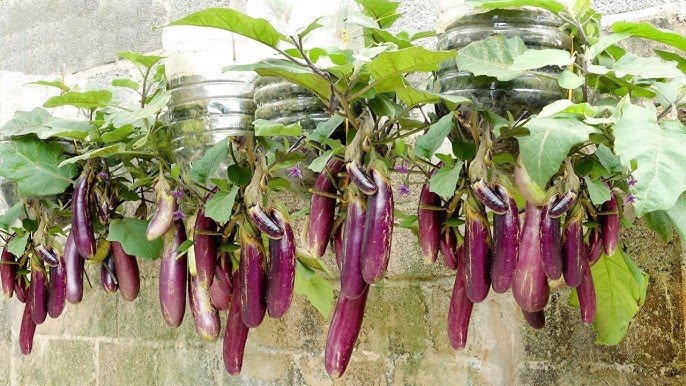
Beyond producing tasty vegetables, dwarf eggplants offer eco-friendly and decorative advantages:
- Reduce your food miles by growing produce at home.
- Add color and charm to small balconies or patios.
- Attract pollinators like bees with their vibrant flowers.
- Teach kids about sustainable food and easy gardening.
Many urban gardeners even mix dwarf eggplants with herbs like basil or parsley for a beautiful and functional mini-ecosystem.
Conclusion: Small Plants, Big Impact
Dwarf eggplants prove that size doesn’t define productivity or beauty. Whether you live in a cozy apartment, a suburban home, or a rural area with limited garden space, these compact varieties allow anyone to enjoy the satisfaction of growing fresh produce.

From ‘Patio Baby’ to ‘Fairy Tale’, there’s a dwarf eggplant variety suited to every American gardener’s climate and taste. With minimal effort and maximum reward, these charming plants bring a blend of color, flavor, and sustainability to any space.
So this season, grab a few pots, some good soil, and let your miniature eggplant garden flourish — right on your balcony or patio.