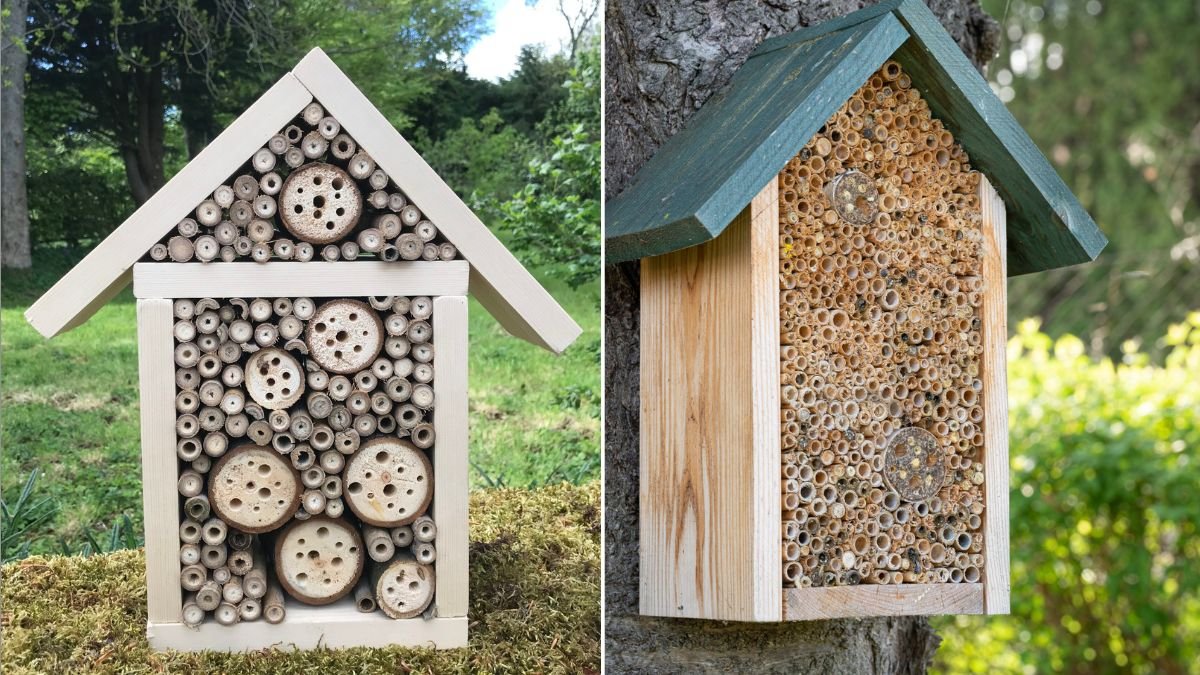
Pollinators are the unsung heroes of our gardens. While honeybees and bumblebees often get most of the spotlight, solitary bees like mason bees and leafcutter bees play a crucial role in pollination too. In fact, many of these solitary bees are more efficient pollinators than honeybees. Yet they struggle to find nesting places in our modern, manicured landscapes.
That’s where a bee hotel comes in. By creating a simple habitat in your backyard, you can give these hardworking insects a safe place to live, breed, and thrive—all while boosting your garden’s productivity. The best part? Building a bee hotel is inexpensive, fun, and a great project for the whole family.
Here’s a step-by-step guide to creating your own bee hotel, plus tips to keep it safe and welcoming for your buzzing guests.
Why Build a Bee Hotel?
Before diving into the how-to, it helps to understand why bee hotels matter:
- Boost Pollination: More bees mean more flowers, fruits, and vegetables thriving in your garden.
- Support Biodiversity: Many native bee species are in decline due to habitat loss. A bee hotel gives them shelter.
- Educational Value: Watching bees nest and work is a great way to learn about nature, especially for kids.
- Low Maintenance: Once set up, bee hotels require little upkeep compared to other wildlife projects.
Step 1: Choose the Right Location
Location is everything when it comes to building a bee hotel. Bees prefer a spot that is:

- Sunny: South- or southeast-facing positions work best, since warmth helps bees stay active.
- Sheltered: Avoid areas with strong winds or heavy rain exposure.
- Near Flowers: Bees need nearby food sources—plant pollinator-friendly blooms within a few meters.
Tip: Mount the hotel at least 3–5 feet above the ground to protect from predators and flooding.
Step 2: Pick the Right Materials
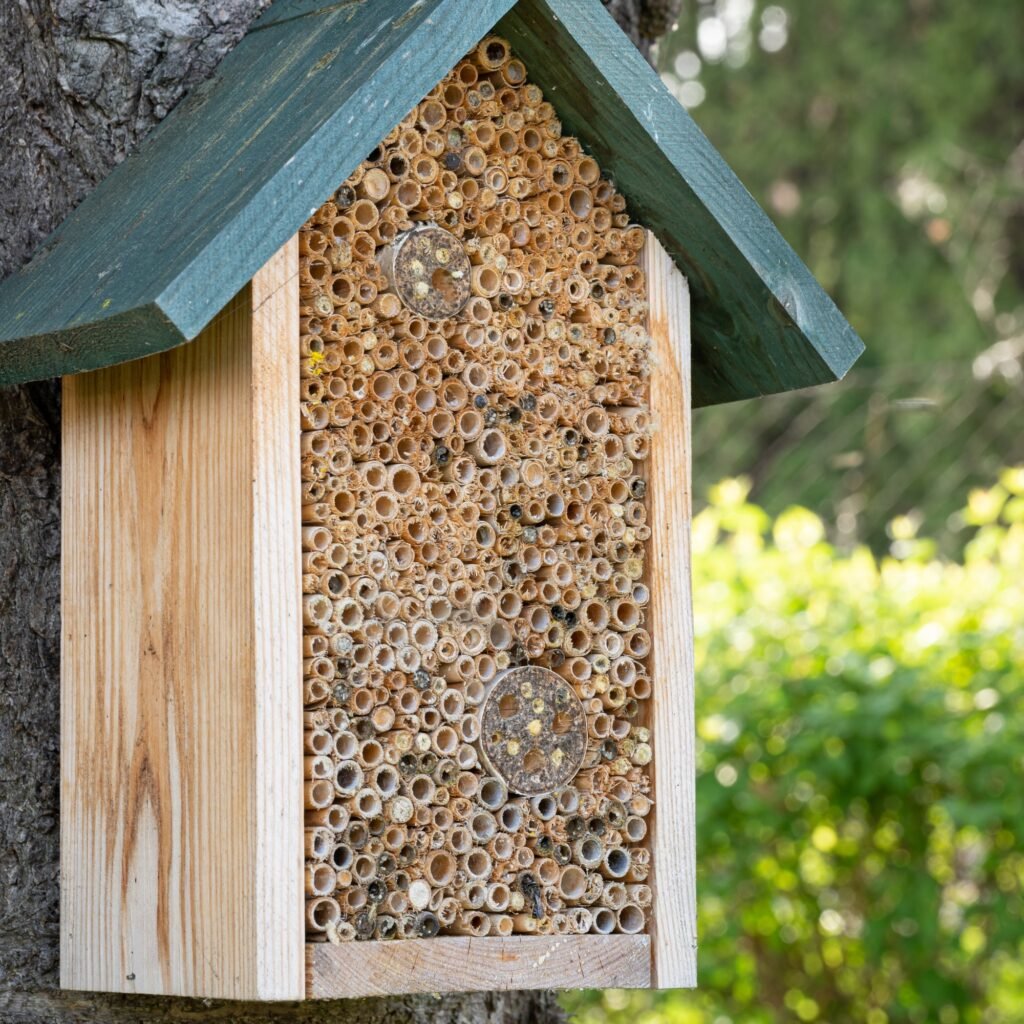
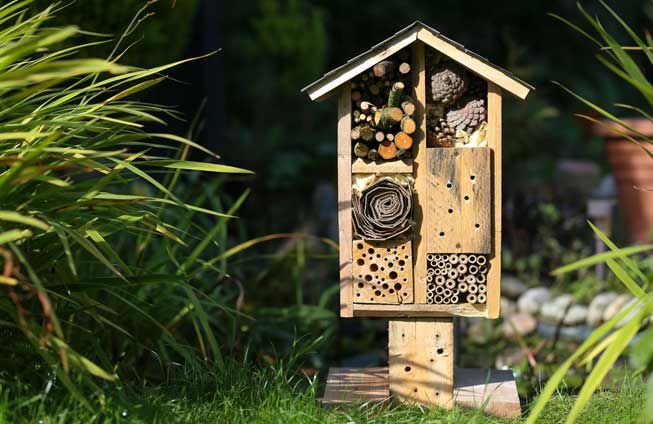
A bee hotel should mimic natural nesting environments, such as hollow stems, wood cavities, and crevices. You can use:
- Untreated Wood Blocks: Drill holes of varying diameters (2–10mm) about 4–6 inches deep.
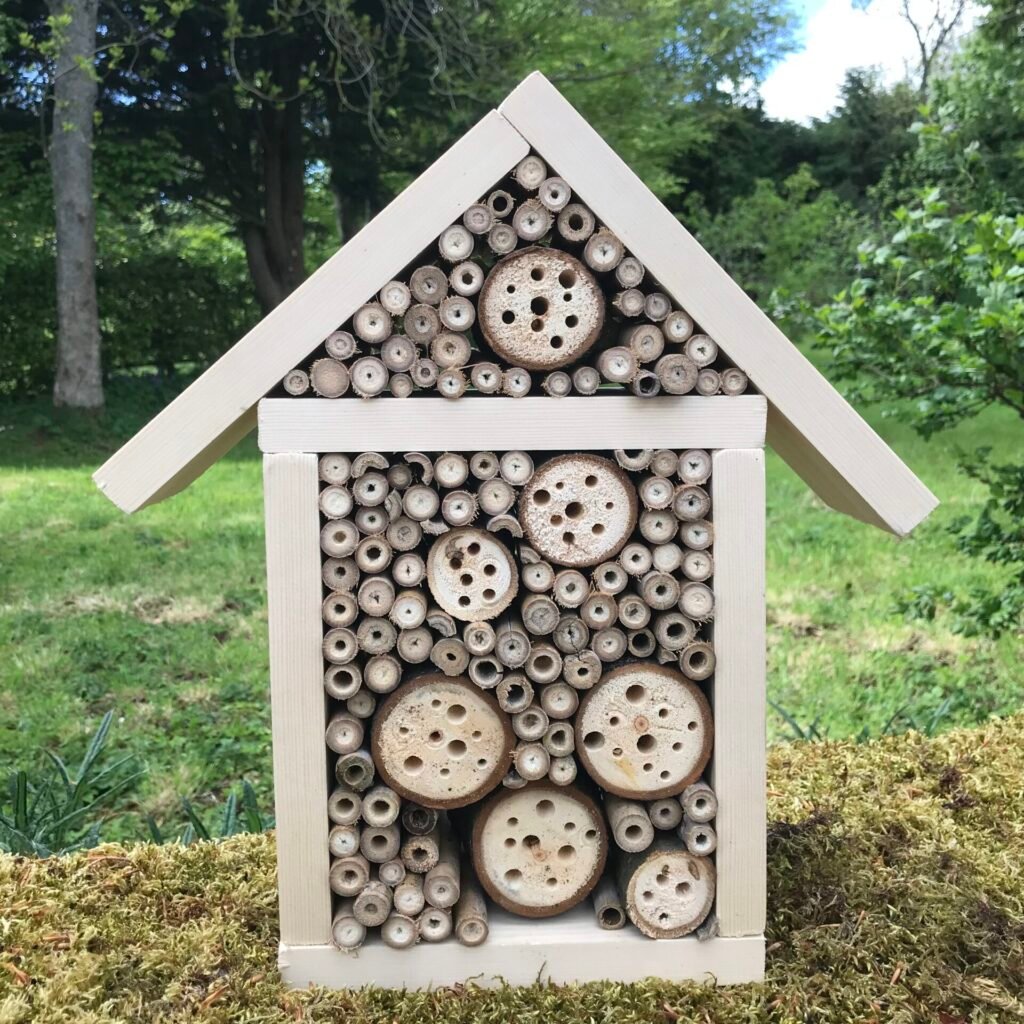
- Hollow Stems: Bamboo, reeds, or hollow plant stems work perfectly.
- Logs or Branches: As long as they’re untreated and free of chemicals.
- Recycled Materials: Old cans, wooden boxes, or crates can serve as the hotel’s frame.
Important: Never use treated wood or plastic. Bees are sensitive to chemicals, and poor ventilation can trap moisture, leading to mold.
Step 3: Design and Build the Frame
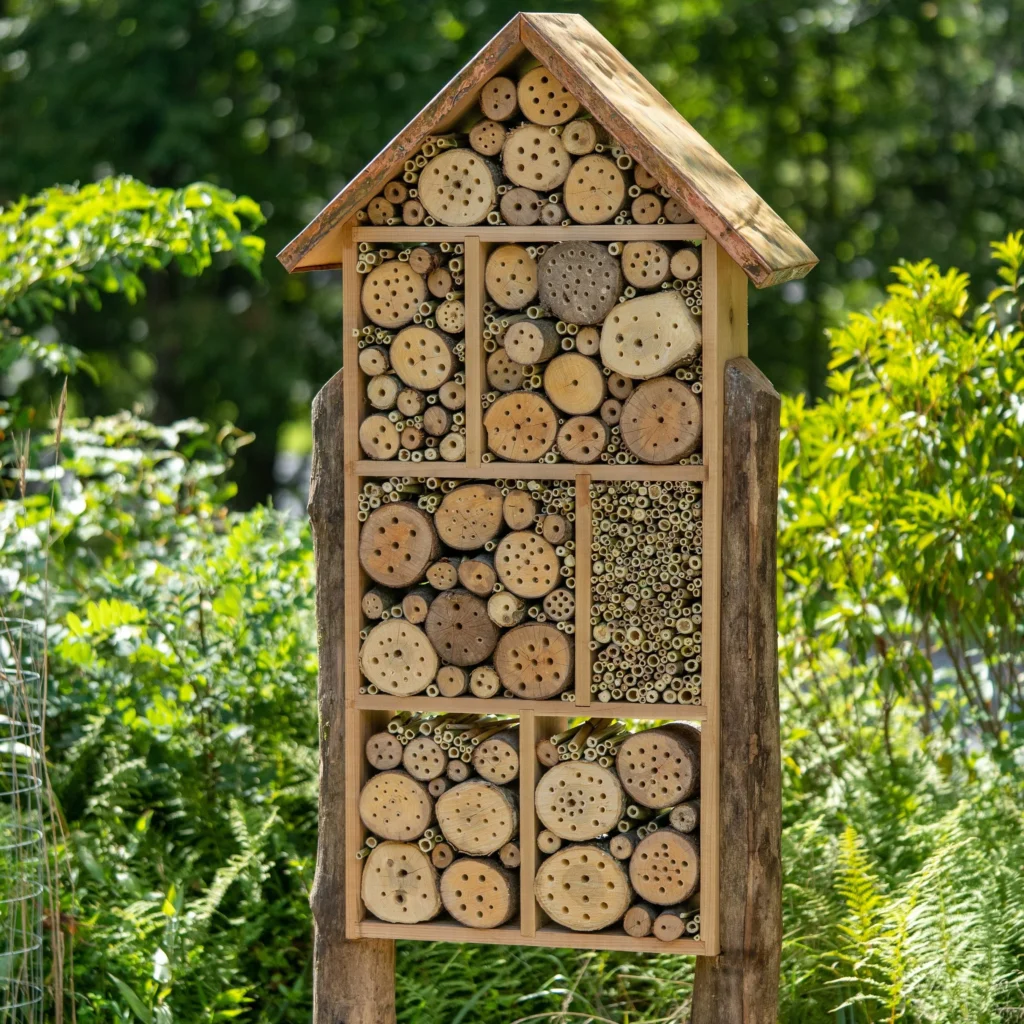
The frame is essentially the “house” that holds the nesting materials. It can be as simple or creative as you like:
- Use a wooden box, crate, or even a section of old pallet.
- Make sure it has a back panel so the materials don’t fall out.
- A sloping roof is recommended to help rainwater run off.
- Fill the frame tightly with nesting materials like bamboo or drilled wood blocks.
Think of the frame as a bookshelf—neat rows and tightly packed materials help bees feel safe.

Step 4: Drill Nesting Holes Correctly
If you’re making holes in wood blocks, follow these guidelines:
- Depth: At least 4 inches to allow proper nesting.
- Diameter: Provide a mix (2mm for tiny bees, 10mm for larger species).
- Smoothness: Sand hole edges to prevent wing damage.
- Closed Ends: Bees prefer cavities with only one entrance.
Avoid drilling all the way through the wood; closed ends help protect larvae.
Step 5: Add Variety for Different Bees
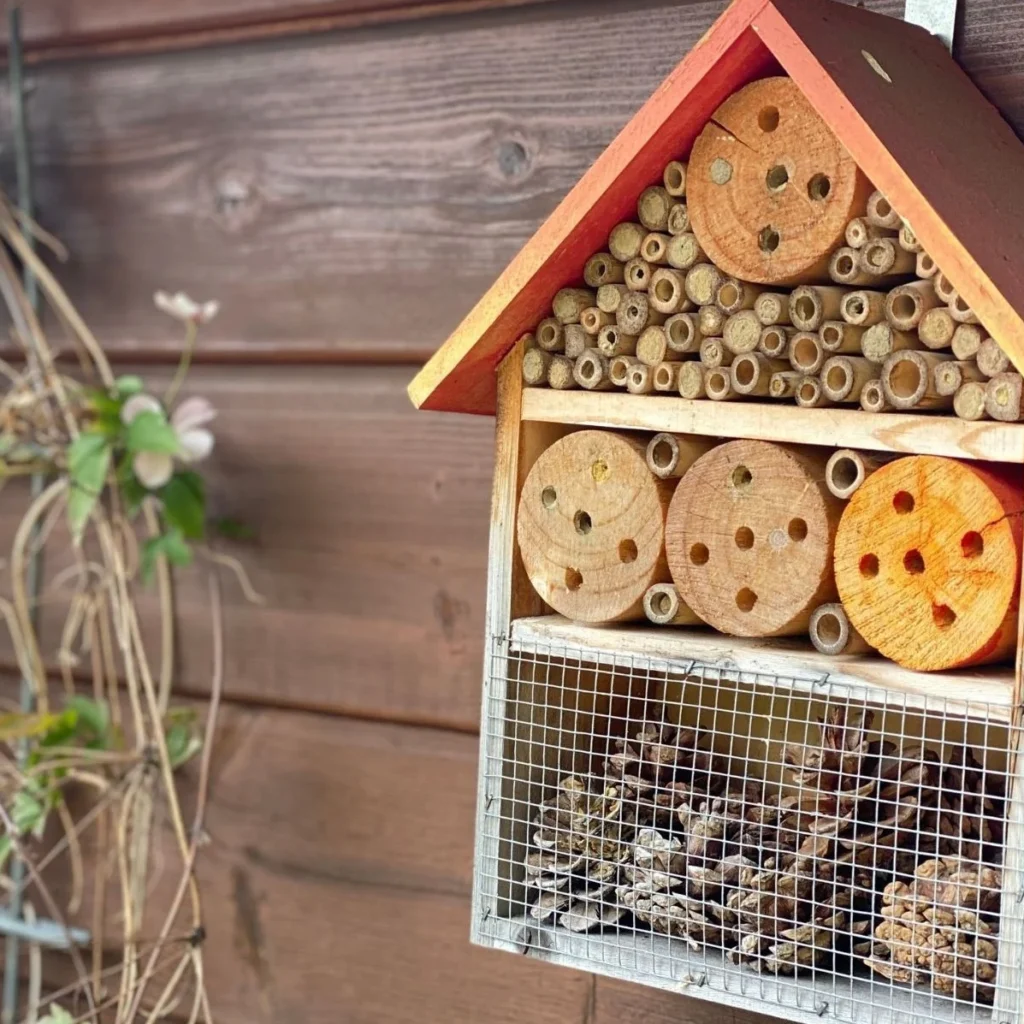
Not all solitary bees nest the same way. By offering a mix of materials, you’ll attract more species:
- Mason Bees: Love small drilled holes and tubes.
- Leafcutter Bees: Prefer larger cavities and use leaf pieces to line their nests.
- Carpenter Bees: Like untreated softwood for boring.
The more diverse the hotel, the more pollinators you’ll attract.
Step 6: Secure and Mount the Hotel
Mount your bee hotel securely to prevent shaking or tipping. Bees don’t like instability. Attach it firmly to a wall, fence, or sturdy post. Make sure it’s level so nesting holes don’t face upward, which could let rain in.

Tip: Avoid hanging it from a string or hook—wind movement can discourage bees from settling.
Step 7: Maintain Your Bee Hotel
Although bee hotels are low-maintenance, some care ensures they remain safe:
- Clean Every 1–2 Years: Replace worn or moldy materials.
- Avoid Parasites: Occasionally check for signs of mites or wasps taking over.
- Don’t Relocate: Keep the hotel in the same spot year to year to avoid disorienting returning bees.
After winter, you may notice mud- or leaf-sealed holes. That’s a good sign—bees have laid eggs inside. By spring, new bees will emerge to continue the cycle.
Step 8: Plant a Pollinator-Friendly Garden
A bee hotel is only part of the equation. Without flowers, bees won’t stick around. Add pollinator-friendly plants such as lavender, sunflowers, coneflowers, clover, and native wildflowers. Aim for a mix that blooms throughout the growing season so bees always have food.
Bonus Hack: Avoid pesticides and herbicides. They harm bees and undo the benefits of your hotel.

Step 9: Add Water and Mud Sources
Some solitary bees, like mason bees, need mud to seal their nests. Provide a shallow dish of damp soil or mud nearby. Similarly, a shallow birdbath or dish with stones can help bees safely access water.
This small addition makes your hotel much more attractive to potential residents.
Step 10: Enjoy and Observe
Once your bee hotel is set up, the fun begins. Watch bees investigate, nest, and eventually seal their homes. This process is fascinating, especially for kids, and helps connect your household to the rhythms of nature.
Keep a garden journal to track which species visit, when they emerge, and how your flowers respond to the increased pollination.
Common Mistakes to Avoid
- Using Plastic Tubes: They trap moisture and grow mold.
- Making Holes Too Shallow: Bees need depth for egg chambers.
- Neglecting Maintenance: Over time, dirty or parasite-infested hotels can harm bee populations.
- Placing in the Shade: Bees need warmth to thrive.
Final Thoughts
Building a bee hotel in your backyard is more than just a fun DIY project—it’s a meaningful step toward supporting biodiversity, protecting pollinators, and improving your garden’s health. With a few recycled materials, some simple tools, and a thoughtful setup, you can create a safe haven for solitary bees that will reward you with abundant blooms and a thriving ecosystem.

By giving bees a home, you’re not just helping your backyard—you’re helping the planet, one buzzing guest at a time.