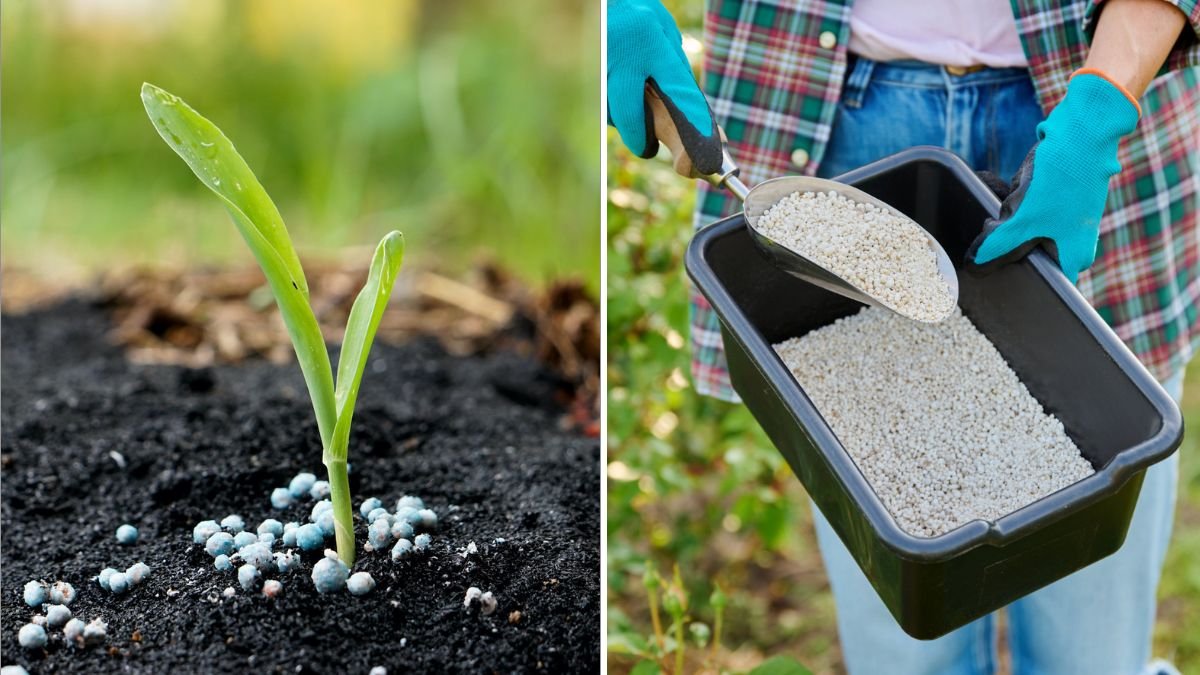
As the growing season winds down and the air turns crisp, most gardeners start to hang up their tools and assume the garden is ready to rest. But here’s a secret that experienced gardeners swear by: fall is one of the most important times of the year to fertilize. While your plants may look like they’re preparing for dormancy, beneath the soil, they’re actually gearing up for next year’s growth.
Applying fertilizer in fall helps plants store essential nutrients, strengthens their root systems, and sets the stage for a vigorous burst of spring growth. Whether you’re tending to lawns, perennials, shrubs, or trees, understanding when and how to fertilize in fall can make all the difference. Let’s dive into the best strategies for nourishing your garden before winter arrives.
Why Fall Fertilization Matters
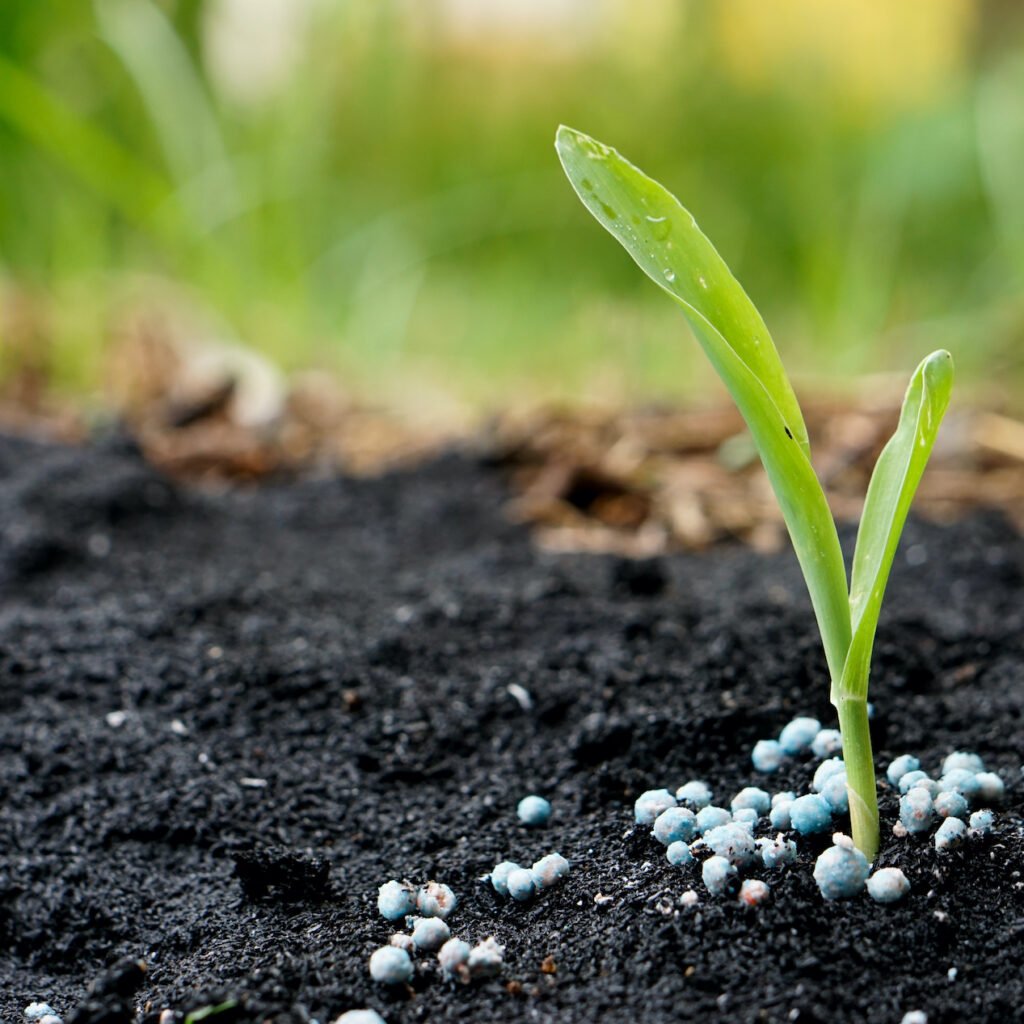
During summer, plants use up much of the available nutrients in the soil. By the time fall arrives, they may be depleted, especially after months of heavy watering, harvesting, and heat stress. Fertilizing in fall replenishes these nutrients at just the right moment—when plants are shifting their energy from top growth to root development.
Here’s why fall fertilizing is so beneficial:
- Root Strengthening: In cooler weather, plants focus on growing strong roots rather than new leaves. Fertilizer supports this underground growth, helping plants survive the winter and thrive in spring.
- Nutrient Storage: Trees, shrubs, and perennials absorb nutrients in fall and store them for next year’s leaf and flower production.
- Improved Soil Health: Fertilizers—especially organic ones—add beneficial microbes and improve soil structure.
- Earlier Spring Green-Up: Lawns and garden beds fertilized in fall come back faster and greener once temperatures rise.
- Winter Hardiness: Well-fed plants are more resilient against frost, disease, and fluctuating temperatures.
In short, fertilizing in fall isn’t just about giving plants an extra boost—it’s about setting them up for long-term success.

Step 1: Know the Right Timing
Timing is everything. Fertilizing too early can trigger new leafy growth that will be damaged by frost. Fertilizing too late means the ground might be too cold for nutrient absorption.
The best time:
- Generally 4–6 weeks before the ground freezes.
- For most regions, that’s between late September and early November.
During this window, plants are still active enough to take in nutrients, but temperatures are cool enough to encourage root development rather than top growth.
Tip: Check your local first frost date, and plan your fall fertilizing accordingly.
Step 2: Test Your Soil
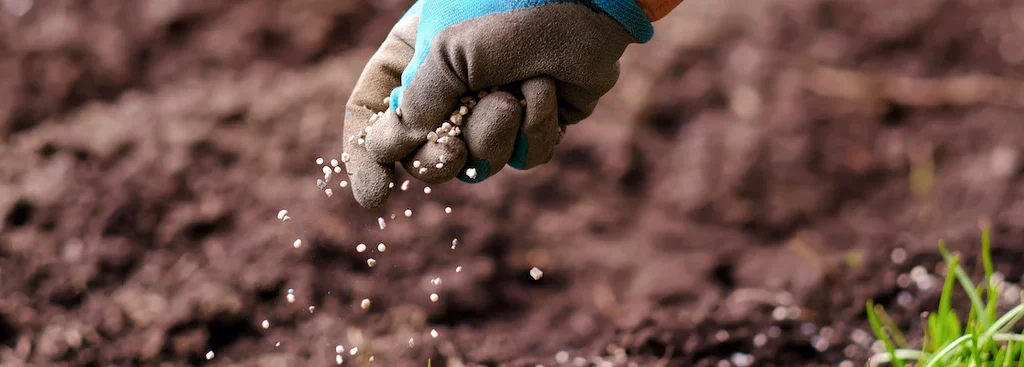
Before adding any fertilizer, it’s important to know what your soil actually needs. A soil test provides valuable information about nutrient levels and pH balance, helping you avoid under- or over-fertilization.

You can:
- Purchase a simple home soil testing kit.
- Or send a sample to your local agricultural extension office for detailed analysis.
A soil test typically measures nitrogen (N), phosphorus (P), potassium (K), and sometimes secondary nutrients like calcium and magnesium.
Once you know what your soil lacks, you can choose the right fertilizer blend for your plants’ needs.
Step 3: Choose the Right Fertilizer
Not all fertilizers are created equal. The type and formulation you choose should depend on what you’re fertilizing and your soil’s nutrient profile.
1. For Lawns:
Use a slow-release, high-nitrogen fertilizer (look for an NPK ratio like 20-8-8). Nitrogen promotes strong root growth and helps grass store energy for spring greening.
Avoid quick-release products—they can burn the grass or stimulate tender growth just before frost.

2. For Trees and Shrubs:
A balanced fertilizer (such as 10-10-10 or 12-6-6) works well. Trees and shrubs focus on root expansion in fall, so phosphorus and potassium are vital for strengthening their base and improving cold resistance.
3. For Perennials and Bulbs:
Choose a low-nitrogen, higher-phosphorus fertilizer (like 5-10-10). Phosphorus supports root and bulb development, ensuring vigorous blooms next spring.
4. For Vegetable Beds:
After harvest, add compost or a slow-release organic fertilizer rich in potassium and phosphorus to replenish nutrients lost during the growing season.
Organic options like bone meal, composted manure, seaweed extract, or worm castings not only feed plants but also enrich the soil with microbes that break down nutrients slowly over time.
Step 4: Apply Fertilizer Properly
How you apply fertilizer in fall depends on what type of plants you’re treating. Let’s break it down by area:

For Lawns:
- Mow the grass slightly shorter than usual.
- Rake away leaves or debris so fertilizer reaches the soil.
- Apply fertilizer evenly with a spreader.
- Water lightly to help nutrients penetrate the soil but avoid runoff.
Pro Tip: A second “winterizer” application about 30 days after the first helps lawns store even more energy for spring growth.
For Garden Beds and Perennials:
- Cut back any dead or dying foliage.
- Loosen the top few inches of soil.
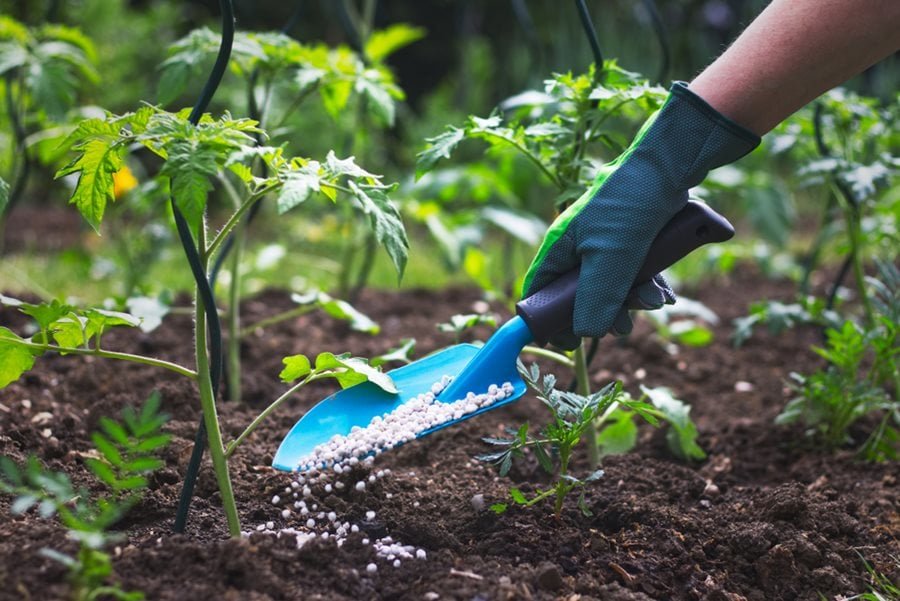
- Sprinkle fertilizer around the base of each plant, keeping it a few inches away from stems.
- Water well to move nutrients into the root zone.
- Finish with a layer of mulch to protect the roots and prevent nutrient leaching.
For Trees and Shrubs:
- Spread fertilizer evenly under the canopy, extending out to the drip line (where rain falls off the leaves).
- Avoid piling fertilizer near the trunk—it can burn the bark.
- Lightly rake or aerate the soil so nutrients can reach the roots.
- Water thoroughly afterward.
For Bulbs:
- When planting spring-flowering bulbs (like tulips or daffodils), mix bone meal or bulb fertilizer into the soil at planting time.
- Water well to help the nutrients settle around the bulbs.
- After planting, cover with mulch to insulate the soil during winter.
Step 5: Don’t Forget the Soil Builders
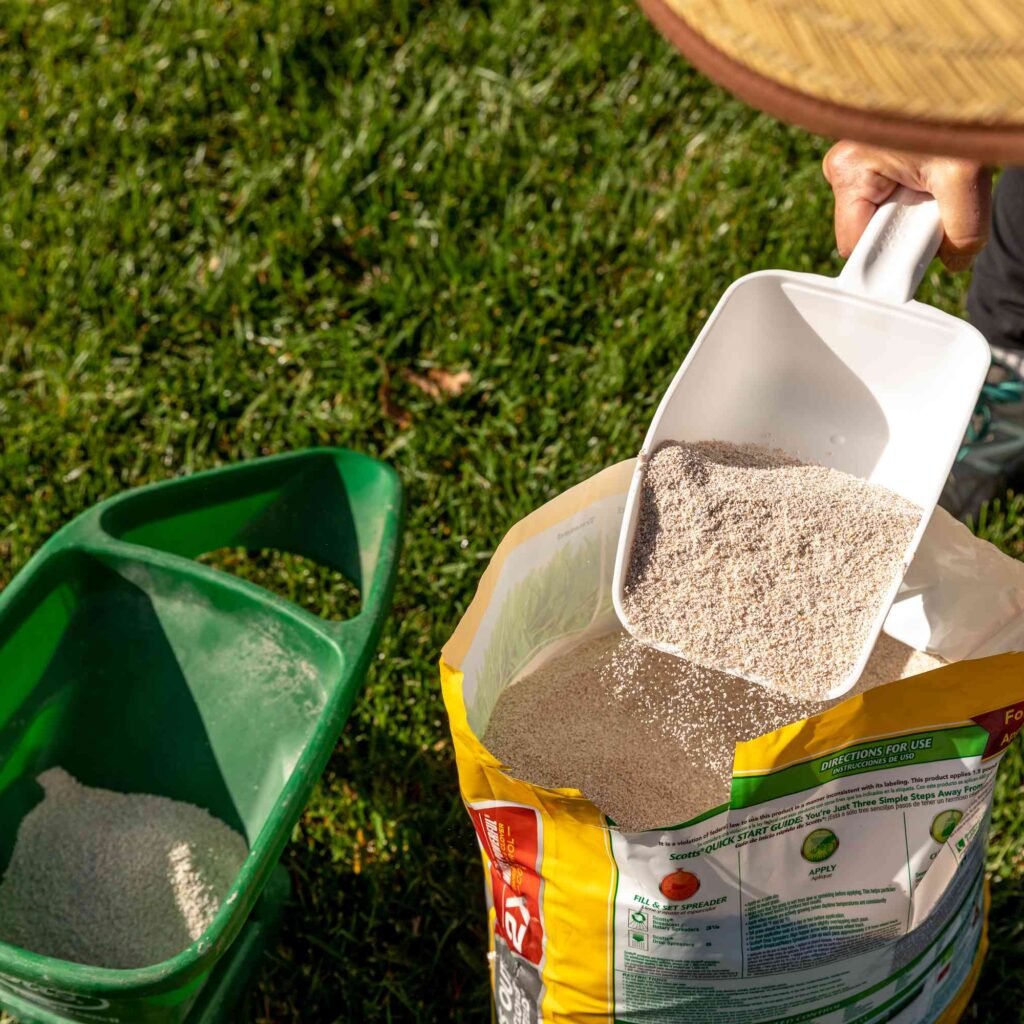
While synthetic fertilizers deliver a nutrient boost, organic matter does the heavy lifting when it comes to improving long-term soil structure and fertility.
Add compost or manure in fall for maximum benefit:
- Compost slowly breaks down over winter, releasing nutrients right when plants need them in spring.
- Organic matter improves drainage in clay soil and water retention in sandy soil.
- It encourages beneficial earthworms and microbes that create a thriving soil ecosystem.
Spread a 2–3 inch layer of compost or aged manure over garden beds, then lightly mix it into the top few inches of soil before winter sets in.
Step 6: Water After Fertilizing
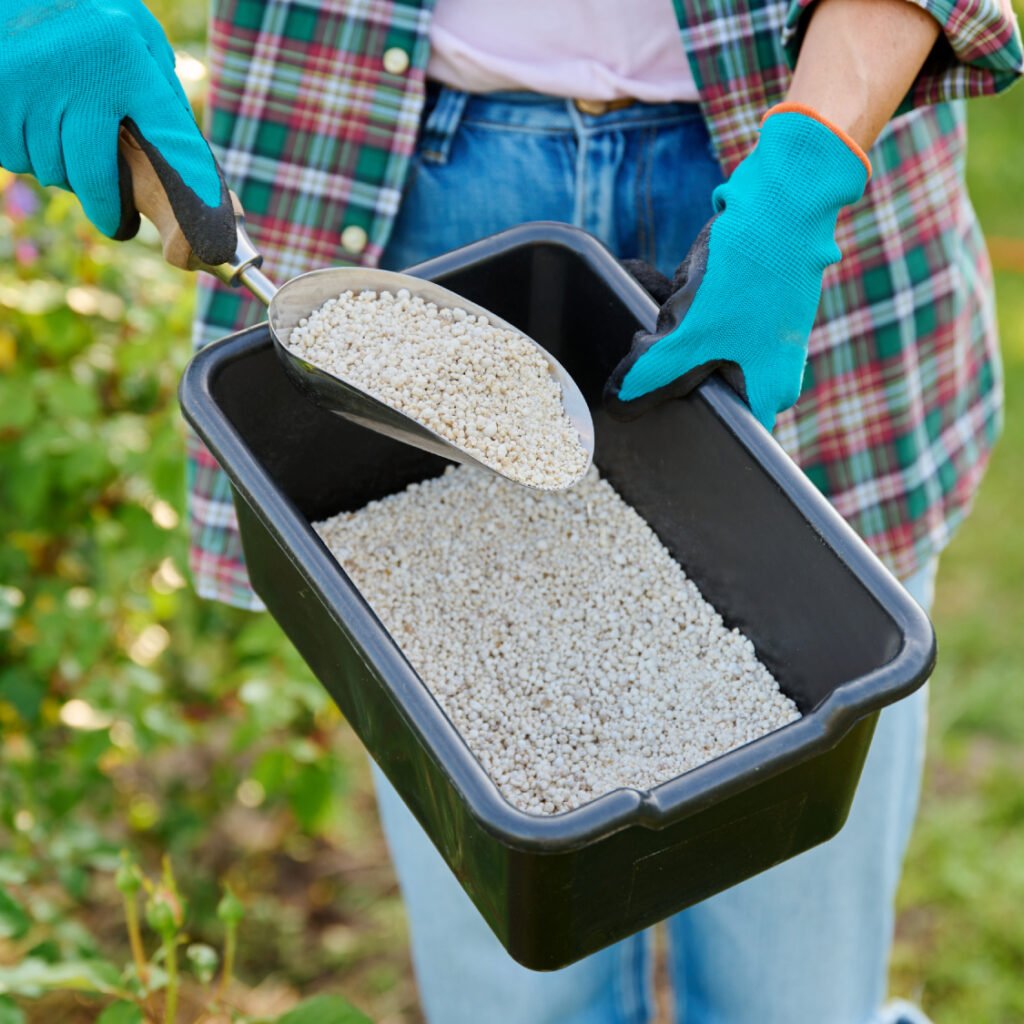
Even in cool weather, water plays a critical role in helping nutrients reach plant roots. Without moisture, fertilizer granules can sit on the surface and lose their effectiveness.

- Water deeply but gently after applying fertilizer.
- Aim to moisten the soil to a depth of 6 inches.
- Avoid overwatering—too much runoff can wash away nutrients.
If your area experiences regular autumn rains, time your fertilizing just before a light rainfall for effortless distribution.
Common Fall Fertilizing Mistakes to Avoid
- Fertilizing too late: Once the ground freezes, nutrients can’t be absorbed and may wash away in spring.
- Over-fertilizing: Excess nutrients can burn roots and pollute groundwater. Always follow the recommended dosage on the label.
- Ignoring mulch: Fertilizer without mulch can leach away too quickly in rain or snowmelt.
- Neglecting soil testing: Applying random fertilizers without knowing soil conditions can throw off nutrient balance.
- Skipping organic matter: Synthetic fertilizers alone can deplete soil life over time. Always pair them with compost for the best results.
Final Thoughts
Fertilizing in fall might feel counterintuitive—after all, the growing season is ending—but in reality, it’s one of the smartest moves you can make for a lush, healthy garden next spring. By focusing on soil health, root growth, and nutrient storage now, you’re ensuring your plants wake up strong and ready to grow when warmer days return.
So before you pack away your tools, give your garden one last act of care. A thoughtful fall fertilizing routine is like tucking your plants in for winter with a hearty meal—come spring, they’ll reward you with vibrant growth, richer blooms, and a thriving landscape that reflects your effort all year long.