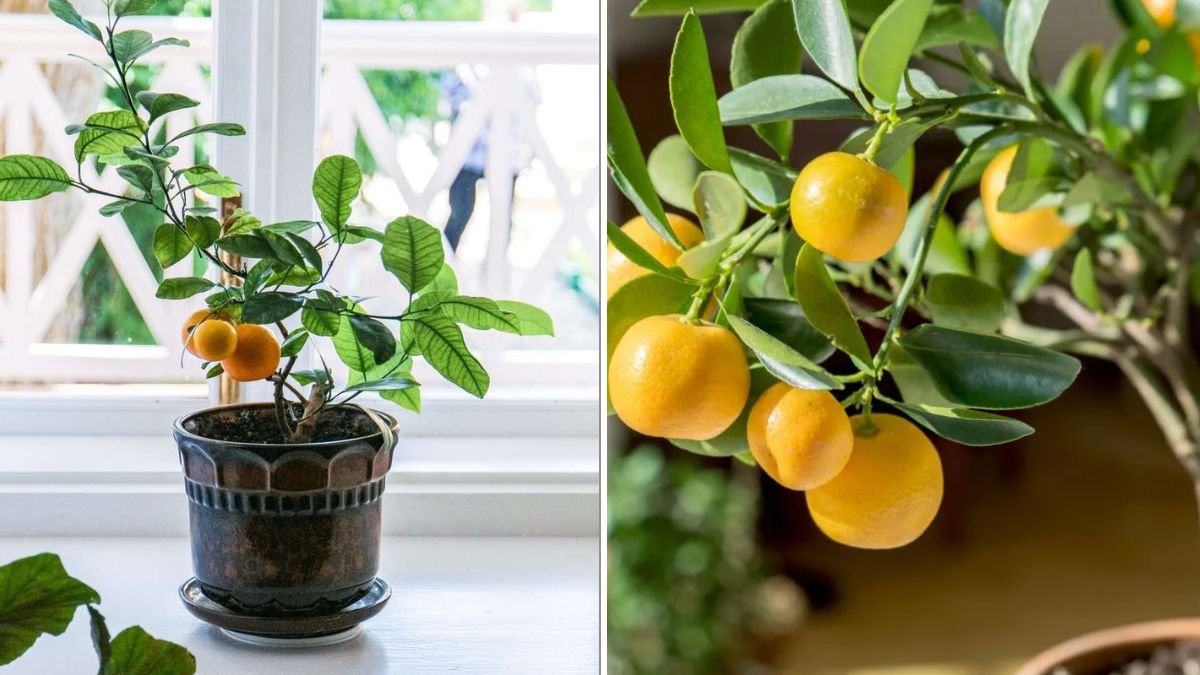
There’s something magical about plucking a fresh lemon from your very own tree — especially when that tree is thriving inside your home. The glossy green leaves, fragrant blossoms, and bright yellow fruit add instant cheer to any indoor space. But growing a lemon tree indoors successfully takes more than just putting it in a pot and hoping for the best.
With the right care, environment, and a little patience, you can enjoy homegrown lemons year-round — even if you live miles away from a sunny orchard. Here’s your complete step-by-step guide to growing a healthy, productive indoor lemon tree.
Why Grow a Lemon Tree Indoors?
Lemon trees don’t just produce fruit — they bring beauty, fragrance, and a sense of freshness to your living space. Indoors, they can thrive as both ornamental plants and fruit-bearing trees.
Top benefits of growing lemons indoors:
- Enjoy fresh, organic lemons all year long.
- Fill your home with the sweet, floral scent of lemon blossoms.
- Add vibrant greenery that brightens any room.
- Control growing conditions more easily (especially in cooler climates).
- Experience the joy of cultivating your own fruit — even in an apartment!
Step 1: Choose the Right Lemon Variety

Not all lemon trees adapt well to indoor life. Some grow too tall or require intense heat. The key is to pick a compact, dwarf variety that stays manageable in a container while still producing flavorful fruit.
Best lemon varieties for indoor growing:
- ‘Improved Meyer Lemon’ – A hybrid between a lemon and a mandarin orange. It’s small, sweet, and ideal for pots. The Meyer lemon is also more cold-tolerant and blooms multiple times per year.
- ‘Ponderosa Lemon’ – Produces large fruit and adapts well to container life, though it can grow tall if not pruned.
- ‘Eureka Lemon’ – Classic supermarket-style lemon with bright acidity and strong fragrance.
- ‘Lisbon Lemon’ – Vigorous and productive, perfect for sunny indoor spots.
Pro Tip: The ‘Meyer Lemon’ is by far the easiest and most reliable choice for beginners.
Step 2: Choose the Right Container and Soil
Lemon trees need space for their roots to grow, but the pot shouldn’t be so large that water collects and causes rot.

Ideal pot size:
Start with a 12–14-inch-wide pot with drainage holes. As your tree grows, repot every 2–3 years into a container 2 inches wider than the last.
Best soil mix:
Lemons need well-draining, slightly acidic soil (pH 5.5–6.5). Avoid heavy garden soil. Instead, use a blend such as:
- 2 parts high-quality potting mix
- 1 part perlite or coarse sand
- 1 part compost or coconut coir
Pro Tip: Add small pebbles or broken terracotta pieces to the bottom of the pot for extra drainage.
Step 3: Give Your Tree Enough Light

Light is the most crucial factor for indoor lemon trees. Without enough sunlight, leaves yellow, growth stalls, and fruiting becomes unlikely.
Sunlight requirements:
- 8–12 hours of bright light daily is ideal.
- Place near a south- or southwest-facing window for maximum sun exposure.
- If natural light is limited, use a full-spectrum grow light placed about 6–12 inches above the tree for 12–14 hours a day.
Pro Tip: Rotate the pot weekly so all sides of the tree receive equal light, encouraging even growth.
Step 4: Watering and Humidity
Lemon trees like moisture, but their roots can’t tolerate soggy soil. The key is to water deeply but infrequently.
Watering tips:

- Check the top 2 inches of soil — if dry, it’s time to water.
- Water until it drains from the bottom of the pot, then empty the saucer.
- In winter, reduce watering frequency since growth slows down.
Humidity:
Indoor air, especially with heating or air conditioning, can be too dry for citrus trees. Low humidity leads to leaf drop and poor flowering.
To increase humidity:
- Mist the leaves daily with room-temperature water.
- Place the pot on a humidity tray (a shallow dish filled with pebbles and water).
- Use a humidifier nearby to maintain 40–60% humidity.
Step 5: Temperature and Air Circulation

Lemon trees are tropical by nature, so they love warmth and consistent conditions.
Ideal temperature range:
- Daytime: 70–85°F (21–29°C)
- Nighttime: 55–65°F (13–18°C)
Avoid sudden temperature drops or drafts from open windows, heaters, or air conditioners.
Air circulation:
A gentle breeze helps prevent fungal diseases and keeps leaves healthy. Occasionally open windows (weather permitting) or run a small fan near the tree.
Step 6: Feeding and Fertilizing
Lemon trees are heavy feeders — they need a steady supply of nutrients to grow and fruit indoors.
Best fertilizer:
Use a citrus-specific fertilizer or one labeled for acid-loving plants. Look for a balanced ratio like 10-10-10 or 20-20-20, with added micronutrients such as magnesium, iron, and zinc.

Feeding schedule:
- Spring to early fall: Fertilize every 2–4 weeks.
- Winter: Fertilize once every 6–8 weeks or pause if the tree is dormant.
Pro Tip: Pale leaves may signal a nutrient deficiency — especially nitrogen or iron. A foliar spray (liquid fertilizer applied to the leaves) can provide a quick boost.
Step 7: Pollination Indoors

Unlike outdoor trees, indoor lemon trees don’t have bees or wind to help them pollinate. But don’t worry — you can easily play pollinator yourself!
How to hand-pollinate:
- When blossoms open, use a small, soft paintbrush or cotton swab.
- Gently transfer pollen from one flower’s stamen (the yellow part) to another flower’s stigma (the central sticky part).
- Repeat every few days while flowers are open.
This simple step can significantly increase your chances of getting fruit indoors.
Step 8: Pruning and Maintenance
Pruning keeps your lemon tree compact, encourages air circulation, and promotes fruiting.
When to prune:
- Early spring or after the main fruiting season.
- Remove dead, damaged, or crossing branches.
- Trim leggy growth to maintain a balanced, bushy shape.
Pro Tip: Always use clean, sharp pruning shears to avoid spreading disease.

Additional care tips:
- Wipe leaves with a damp cloth occasionally to remove dust.
- Check regularly for pests like spider mites, aphids, or scale insects. Treat with neem oil or insecticidal soap if needed.
Step 9: Encouraging Flowers and Fruit

It can take 1–2 years for a young indoor lemon tree to start producing fruit. To encourage blooms and fruiting:
- Provide consistent light and warmth.
- Avoid moving the tree once buds appear — shifting locations can cause buds to drop.
- Continue moderate feeding during the flowering stage.
Pro Tip: When the small green lemons appear, thin them out if the tree is overloaded. This ensures better fruit quality and prevents branch strain.
Step 10: Seasonal Care and Outdoor Time
If you live in a mild climate, your lemon tree will love a summer vacation outdoors.
How to transition outdoors:
- Wait until temperatures stay above 60°F (15°C) day and night.
- Gradually acclimate the plant by placing it outdoors in partial shade for a week before moving it into full sun.
- Bring it back inside before night temperatures drop below 50°F (10°C).
Pro Tip: This seasonal sun exposure can boost flowering and fruiting in the following months.
Troubleshooting Common Problems
Yellow leaves: Usually caused by overwatering or nutrient deficiency. Check drainage and fertilize with a citrus mix.
Leaf drop: Often due to sudden temperature changes, low humidity, or moving the tree too frequently.
No flowers or fruit: Ensure the tree gets enough light and nutrients, and hand-pollinate blossoms.
Sticky residue or pests: Likely aphids or scale insects — wipe leaves with neem oil or mild soap spray.
Final Thoughts: A Slice of Sunshine, Right at Home
Growing a lemon tree indoors is more than a gardening project — it’s an experience that fills your home with life, fragrance, and satisfaction. With the right variety, steady light, and consistent care, you can enjoy glossy leaves, delicate blossoms, and even homegrown lemons all year round.
So set your pot by the sunniest window, breathe in that sweet citrus scent, and let your indoor lemon tree remind you that even the smallest space can hold a touch of tropical paradise.