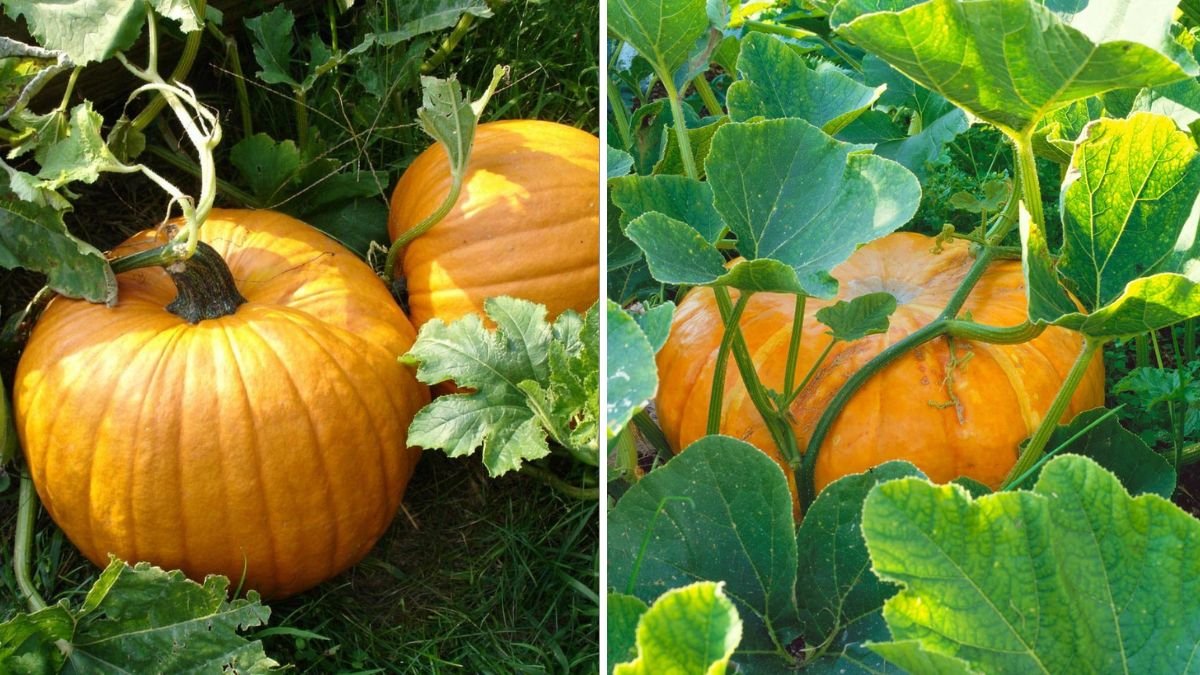
Pumpkins are synonymous with autumn, Halloween, and Thanksgiving in the United States, but they are much more than seasonal decorations. These versatile gourds are perfect for pies, soups, roasted dishes, and even seeds for healthy snacking. Growing pumpkins in your garden is both fun and rewarding, providing vibrant, nutritious fruits and a sense of accomplishment for any gardener.
Whether you have a spacious backyard or a few raised beds, pumpkins can flourish with the right planning, care, and attention. In this guide, we’ll explore everything you need to grow pumpkins successfully—from choosing the right variety to harvesting, storing, and even enjoying them in delicious recipes.
1. Choosing the Right Pumpkin Variety
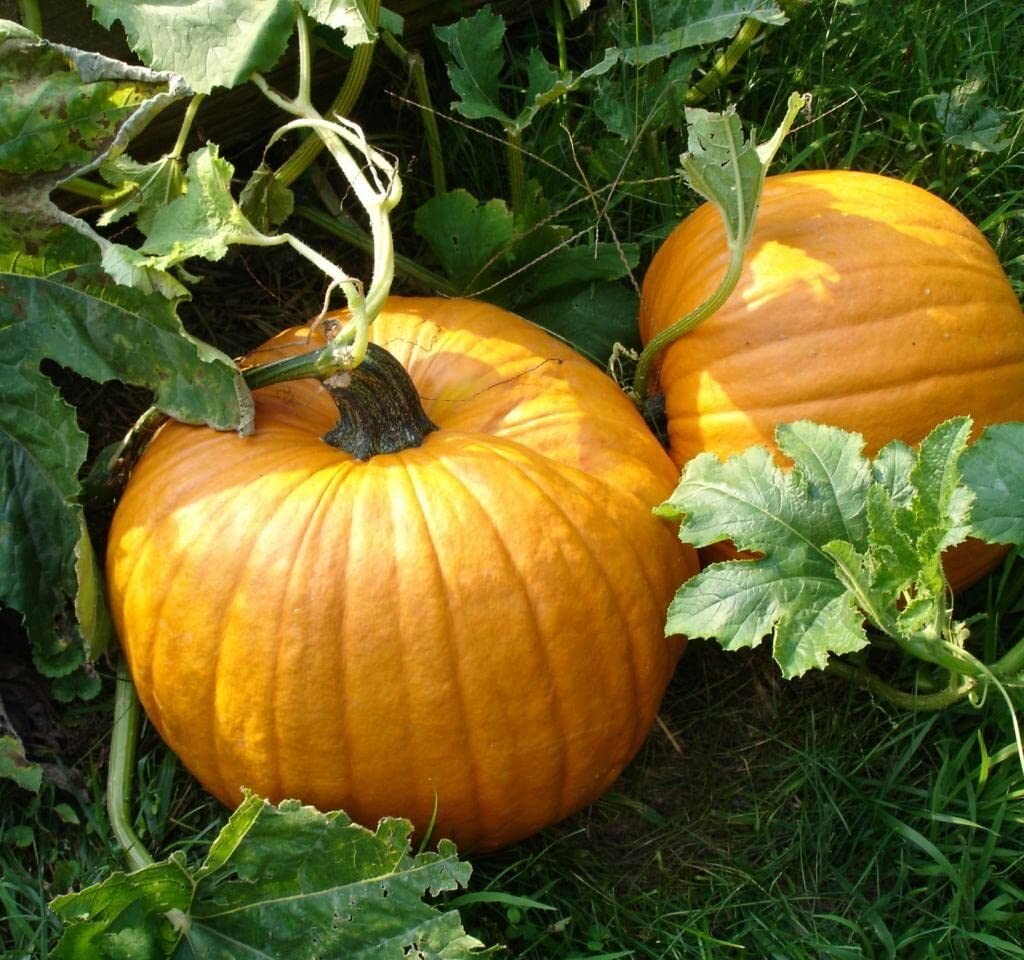
Pumpkins come in various shapes, sizes, and colors. Selecting the right variety ensures that your garden space, climate, and culinary goals align with your harvest.
Popular Pumpkin Types in the U.S.:
- ‘Howden’ – The classic Halloween carving pumpkin, bright orange and medium-sized.
- ‘Jack Be Little’ – Miniature pumpkins, ideal for decorations and small spaces.
- ‘Sugar Pie’ – Small, sweet pumpkins perfect for baking pies and desserts.
- ‘Cinderella’ (Rouge Vif d’Etampes) – Flattened, deep orange pumpkins for decorative and culinary use.
- ‘Lumina’ – White pumpkins, great for modern autumn décor and savory recipes.
Consider your purpose: large pumpkins for carving, small pumpkins for tablescapes, or sweet pumpkins for cooking. Your choice also depends on how much space you have and the length of your growing season.
2. Starting Pumpkin Seeds
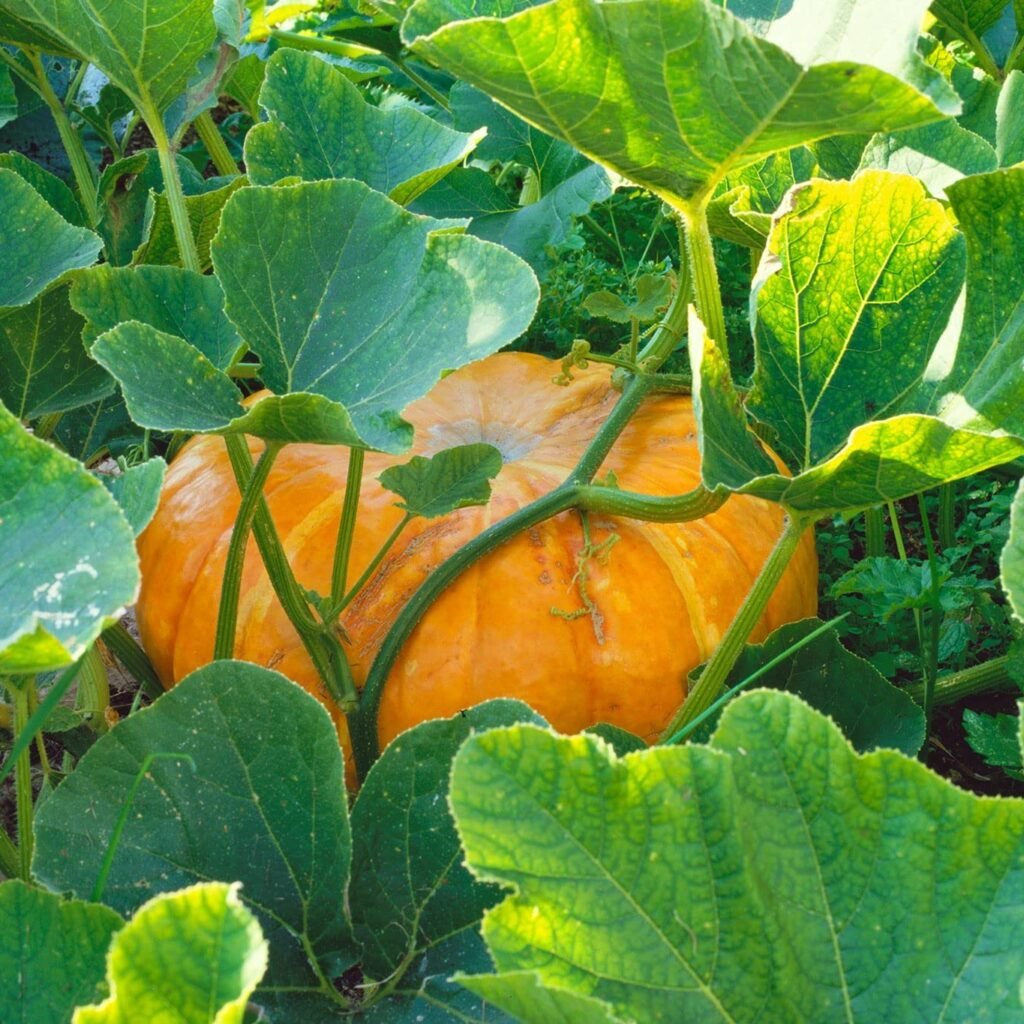
Pumpkins are warm-season crops that thrive in full sun and rich, fertile soil. Starting seeds indoors gives a head start, especially in northern climates where the growing season is shorter.
Seed Starting Tips:
- Sow seeds 1 inch deep in seed trays or small pots filled with well-draining seed-starting mix.
- Maintain soil temperatures of 70–85°F for optimal germination.
- Provide 12–16 hours of light per day using a grow light or sunny window.
- Transplant seedlings outdoors once all danger of frost has passed and soil temperatures are at least 65°F.
For gardeners in warmer regions, you can also direct sow pumpkin seeds into prepared soil after the last frost date.
3. Preparing the Soil
Pumpkins are heavy feeders, requiring nutrient-rich, well-draining soil to support their sprawling vines and large fruits.
Soil Preparation Tips:
- pH Level: Aim for 6.0–6.8 for optimal growth.
- Organic Matter: Incorporate 3–4 inches of compost or aged manure into the soil.
- Raised Beds or Mounds: These improve drainage, warmth, and root development.
Healthy soil encourages strong vines, vibrant leaves, and large, uniform pumpkins. Mulching around plants helps retain moisture and suppress weeds while keeping fruits off the soil.
4. Planting and Spacing
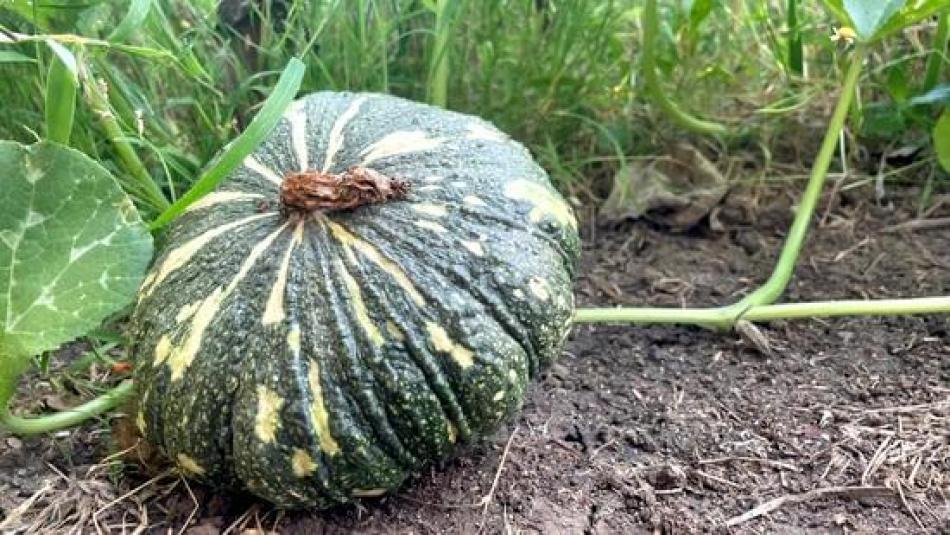
Pumpkin vines can sprawl up to 10–20 feet, so ample spacing is essential.
Planting Guidelines:
- Plant seeds or transplants in hills spaced 4–6 feet apart, with rows 6–8 feet apart for larger varieties.
- Each hill should contain 2–3 plants, later thinned to the strongest one.
- Provide full sun (6–8 hours daily) to maximize photosynthesis and fruit production.
For smaller gardens, consider bush-type pumpkins like ‘Baby Pam,’ which require less space and still produce a good yield.
5. Watering and Fertilizing
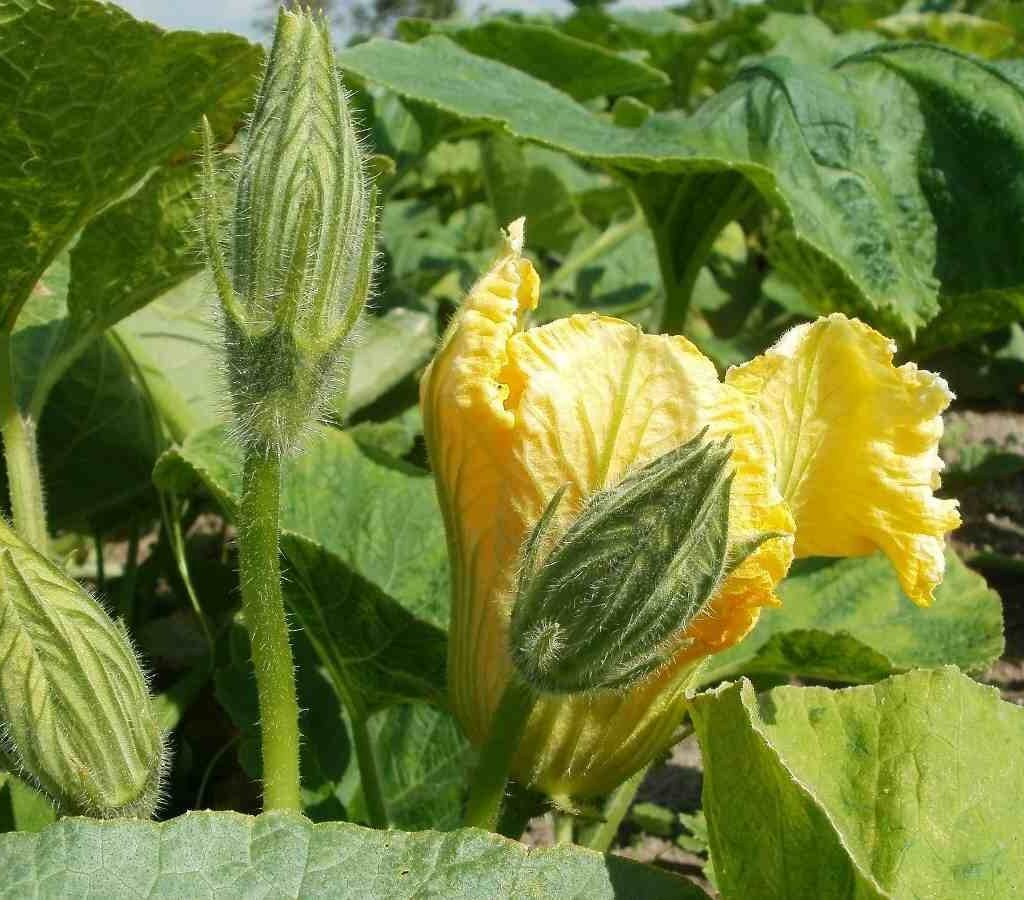
Pumpkins need consistent moisture, particularly during flowering and fruit set. Uneven watering can cause bitter, misshapen, or cracked pumpkins.
Watering Tips:
- Provide 1–2 inches of water per week, ideally early in the day.
- Avoid overhead watering to reduce the risk of fungal diseases.
- Mulching helps conserve moisture during hot, dry periods.
Fertilizing Tips:
- Apply a balanced fertilizer (10-10-10 NPK) at planting time.
- Side-dress with compost or a phosphorus-rich fertilizer when vines begin to run.
- Avoid excessive nitrogen late in the season, as it encourages leaf growth over fruit development.
6. Supporting Pumpkin Plants
While most pumpkins are grown on the ground, providing some support or careful management can improve growth and reduce disease.
Support Tips:
- Use mulch or straw to keep fruits clean and prevent rot.
- For smaller pumpkins, consider elevating fruits on wooden boards to prevent soil contact.
- Train vines along trellises for compact spaces, but note that very large pumpkins are best grown on the ground.
7. Pollination and Flower Care
Pumpkins produce separate male and female flowers, and successful pollination is key to fruit development.
- Pollinators: Bees are crucial. Avoid insecticides during flowering.
- Hand Pollination: If pollinators are scarce, transfer pollen from male to female flowers using a small brush or by gently touching flowers together.
- Flower Health: Remove damaged or diseased flowers promptly to prevent fungal growth.
Successful pollination leads to well-formed, large pumpkins.
8. Common Pests and Diseases
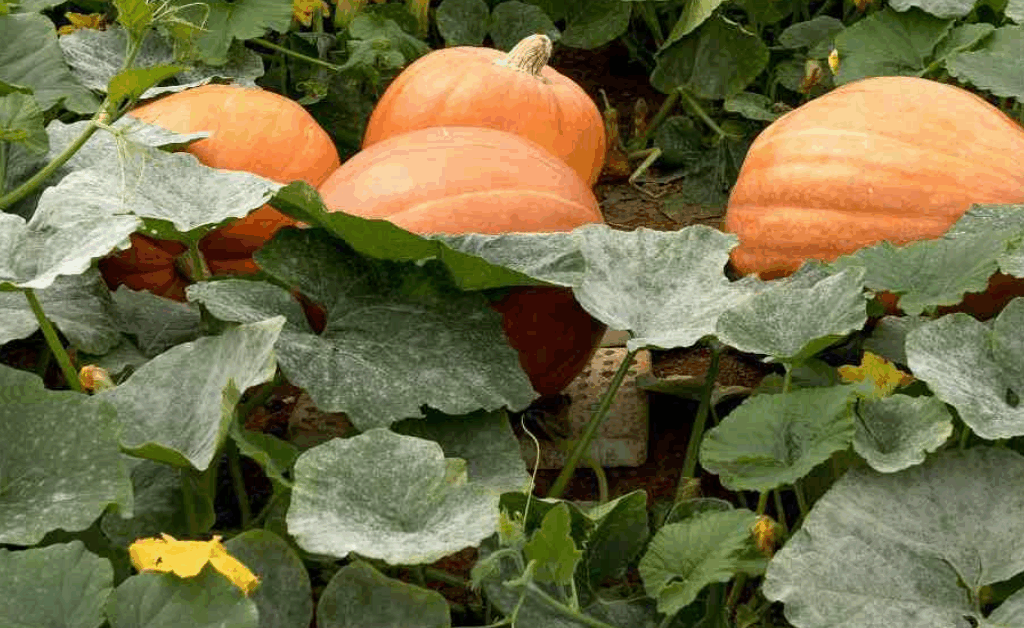
Pumpkins can be affected by several pests and diseases, so early detection and prevention are essential.
Common Pests:
- Squash Bugs: Feed on leaves and stems; remove by hand or use neem oil.
- Cucumber Beetles: Can transmit bacterial wilt; row covers protect young plants.
- Aphids: Use insecticidal soap or blast with water to control populations.
Common Diseases:
- Powdery Mildew: White, powdery growth on leaves; maintain airflow and space plants properly.
- Downy Mildew: Yellow spots on leaves; avoid wet foliage and rotate crops.
- Bacterial Wilt: Remove infected plants immediately to prevent spread.
Proper spacing, crop rotation, and vigilant care keep pumpkins healthy and productive.
9. Harvesting Pumpkins
Timing is crucial for pumpkins to reach peak flavor and durability.
Harvesting Tips:
- Pick pumpkins when the skin is hard, and color is fully developed.
- The stem should be firm and slightly dried.
- Use a sharp knife or pruners to cut the pumpkin from the vine, leaving 2–4 inches of stem attached.
- Avoid leaving pumpkins on the vine after frost, as cold temperatures can damage them.
Properly harvested pumpkins store well for 2–3 months in a cool, dry place.
10. Using and Enjoying Pumpkins
Pumpkins are incredibly versatile in the kitchen and around the home.
Culinary Uses:
- Pumpkin Pie and Muffins: Classic American favorites for fall.
- Roasted Pumpkin: Delicious as a side dish or in soups.
- Pumpkin Seeds: Toast for a healthy snack.
- Pumpkin Puree: Ideal for sauces, breads, and baby food.
Decorative Uses:
- Carve jack-o’-lanterns for Halloween.
- Use mini pumpkins as table décor during Thanksgiving.
Conclusion: Grow Pumpkins with Confidence
With their vibrant colors, rich flavor, and cultural significance, pumpkins are a rewarding addition to any American garden. By following these tips—from selecting the right variety to proper watering, pollination, and harvesting—you can enjoy bountiful, healthy pumpkins all season long.
Whether you’re aiming for the perfect jack-o’-lantern, baking sweet pies, or roasting savory seeds, growing pumpkins at home offers a blend of beauty, flavor, and satisfaction. Start planting this season and watch your garden flourish with these iconic autumn treasures.