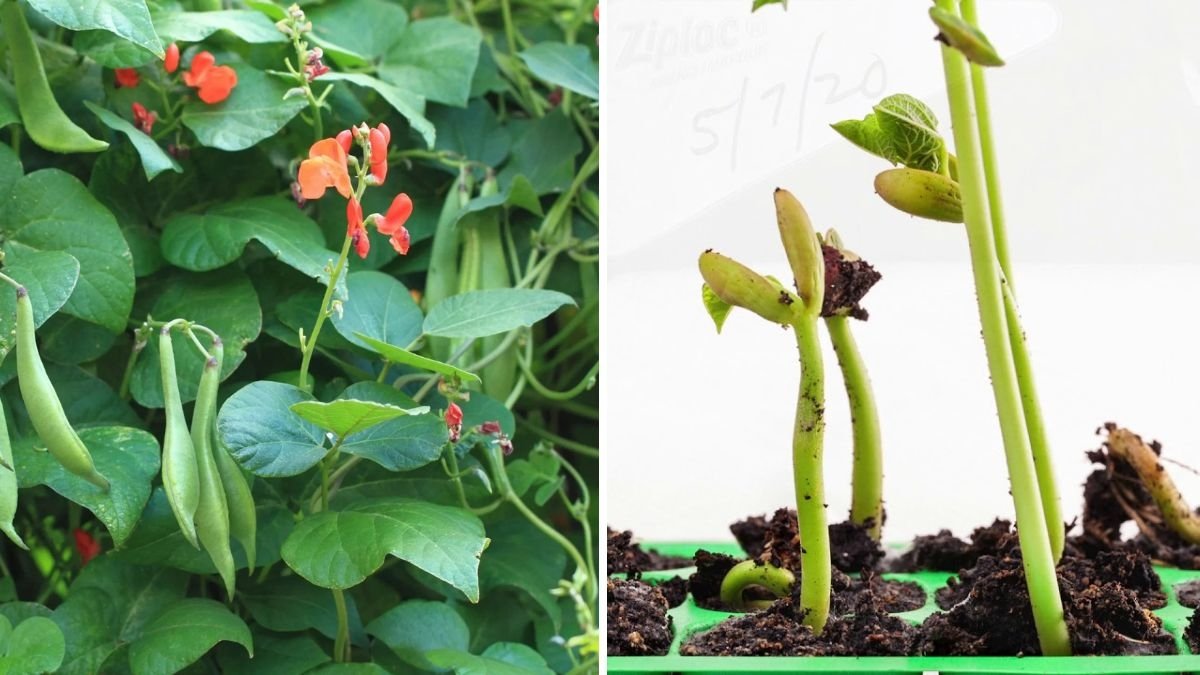
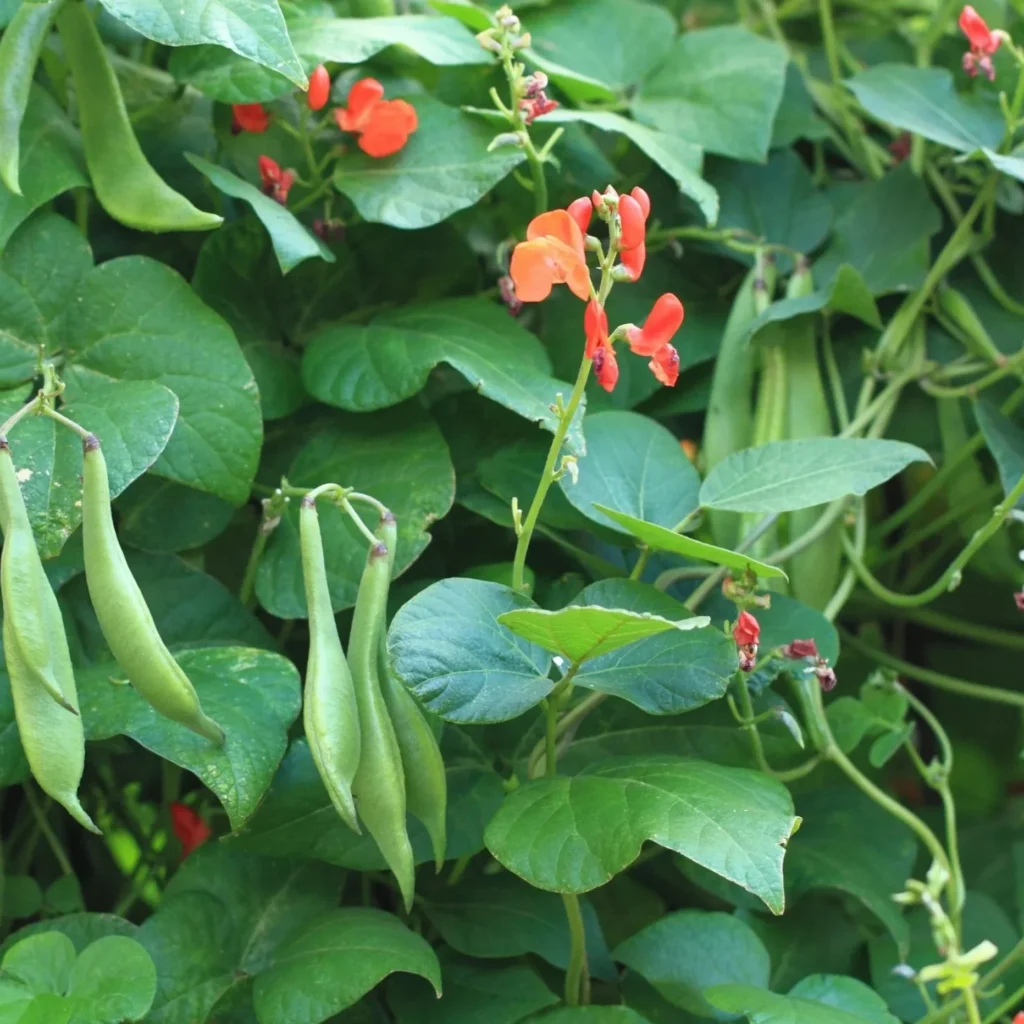
If you’re looking for a vegetable that’s as beautiful as it is productive, runner beans are the perfect addition to your garden. Known for their striking red, white, or bi-colored flowers and long, flavorful pods, these beans are both ornamental and edible—a rare combination that brings color and nourishment to your backyard.
Popular in the United Kingdom and Europe, runner beans (scientific name Phaseolus coccineus) are now finding their way into American gardens, thanks to their hardiness, versatility, and impressive yields. From the bright blooms that attract hummingbirds to the tender pods packed with protein and vitamins, runner beans are a gardener’s dream come true.
This guide covers everything you need to know about how to grow, care for, harvest, and cook runner beans—right here in the U.S.
1. What Are Runner Beans?
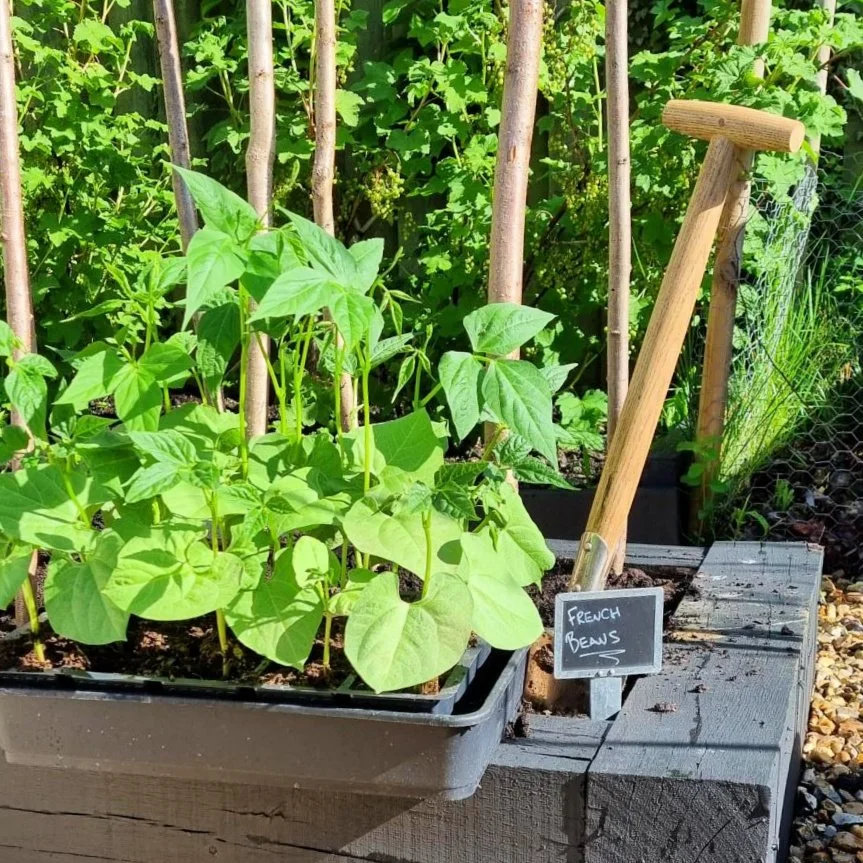
Runner beans are a climbing legume closely related to green beans but with distinct differences. While green beans (Phaseolus vulgaris) thrive in warmer climates, runner beans prefer cooler temperatures and can tolerate light frost, making them ideal for regions like the Pacific Northwest, the Midwest, and the Northeast.
They grow as vigorous vines, often reaching 8–10 feet high, producing stunning scarlet flowers and long pods that can be eaten young or allowed to mature into dried beans.
Popular runner bean varieties include:
- Scarlet Emperor: The most iconic, with vivid red flowers and tender pods.
- Painted Lady: Produces red-and-white blooms, loved by pollinators.
- Moonlight: Self-pollinating and stringless, perfect for cooler climates.
- White Lady: Elegant white flowers with smooth, mild-tasting pods.
Whether you’re growing them for food or beauty, runner beans offer the best of both worlds.

2. Why Grow Runner Beans in Your American Garden
Runner beans are more than just a crop—they’re a showpiece for any garden. Here’s why American gardeners are falling in love with them:
- High Yield: Produces heavy crops throughout summer and early fall.
- Pollinator Magnet: Their blossoms attract hummingbirds, bees, and butterflies.
- Nutritious: A great source of protein, fiber, iron, and vitamin C.
- Soil Friendly: Like all legumes, runner beans fix nitrogen, enriching the soil naturally.
- Versatile Growing Options: Ideal for fences, arches, trellises, or balcony gardens.
Their aesthetic appeal and functionality make them a favorite in American home gardens, community plots, and homesteads.
3. The Ideal Climate and Soil for Runner Beans
Runner beans prefer mild summers and consistent moisture, making them well-suited for areas like Washington, Oregon, Maine, and parts of the Midwest.
They thrive in:
- Temperatures: 50°F–75°F (10°C–24°C)
- Soil pH: 6.0–6.5
- Sunlight: Full sun to partial shade
Runner beans grow best in rich, well-draining soil with plenty of compost or organic matter. They dislike dry or waterlogged soil, so maintaining even moisture is key.
4. Step-by-Step Guide to Growing Runner Beans
Step 1: Preparing the Site
Choose a sunny location protected from strong winds. Set up tall supports—such as bamboo poles, garden arches, or trellises—before planting. Runner beans can grow over 8 feet, so sturdy support is essential.
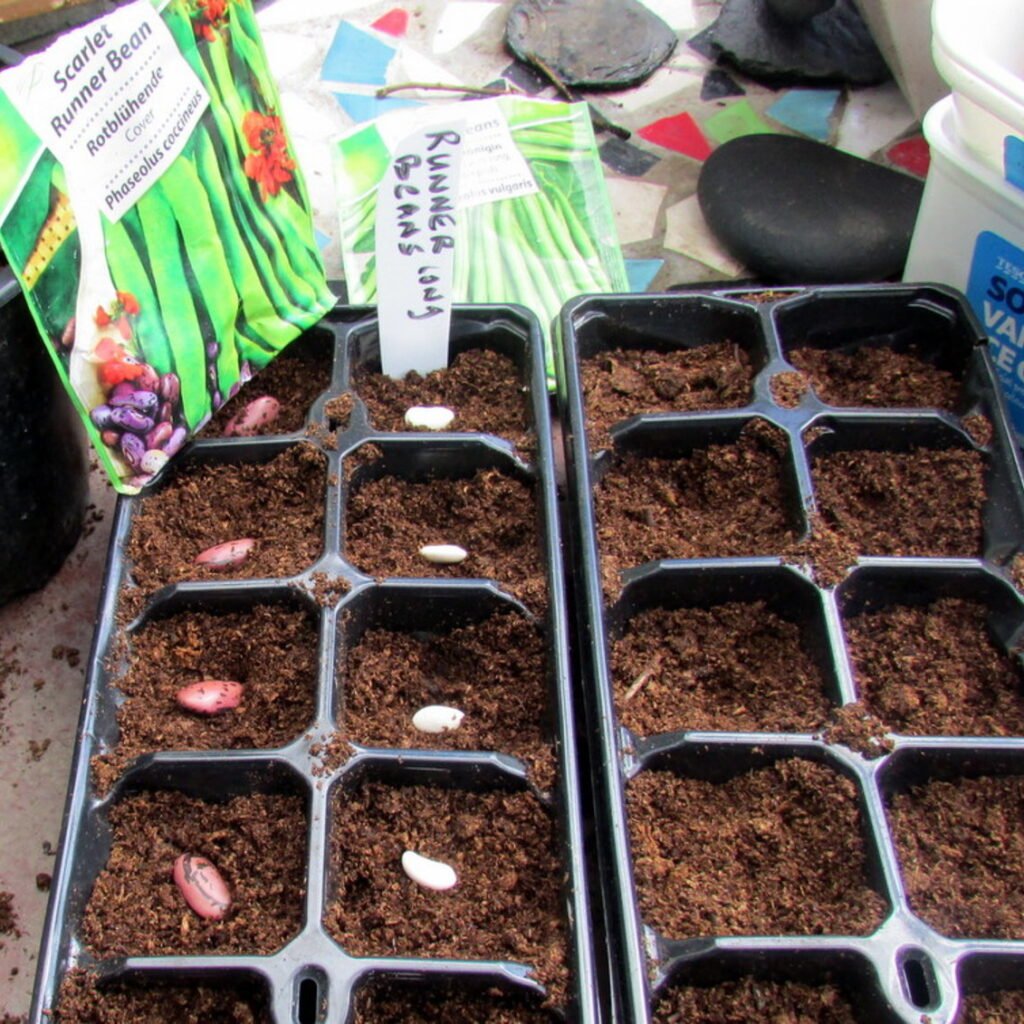
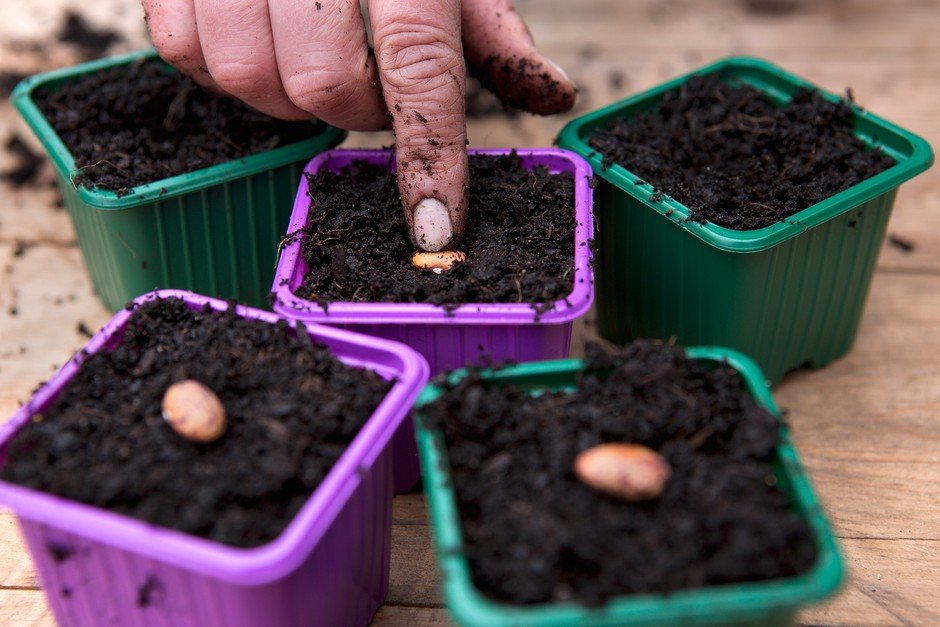
Step 2: Planting Seeds
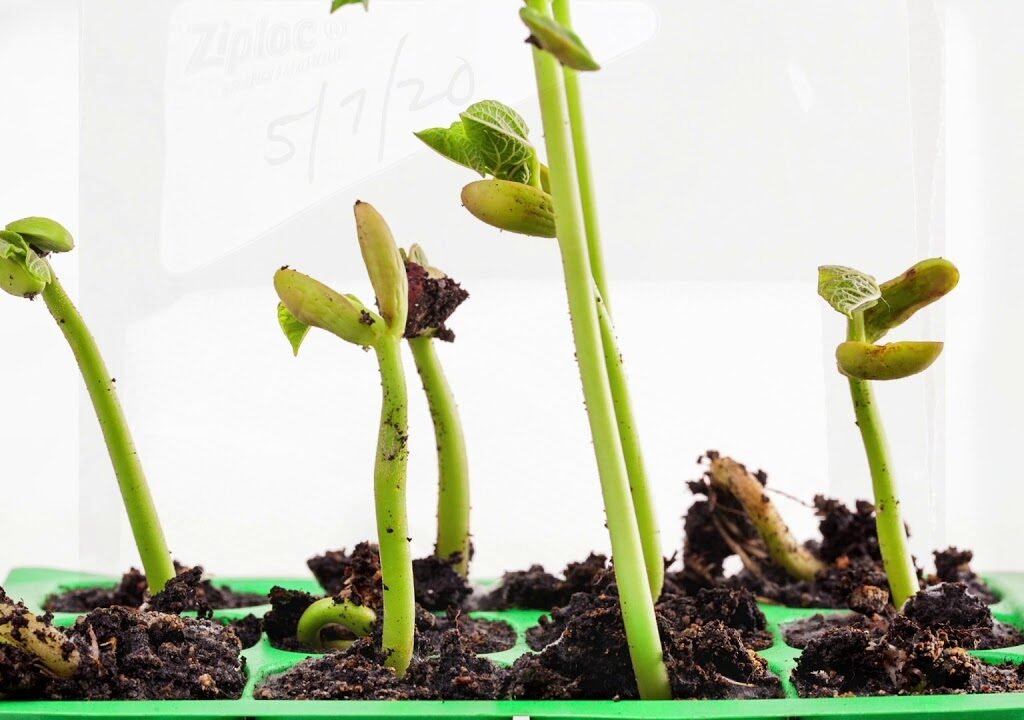
Runner beans dislike root disturbance, so it’s best to sow seeds directly in the garden after the last frost.

- Timing: Late spring to early summer (when soil warms above 50°F).
- Depth: 1–1.5 inches deep.
- Spacing: 8 inches apart, with rows about 30 inches apart.
If you live in a cooler area, start seeds indoors in biodegradable pots 3–4 weeks before transplanting.
Step 3: Watering and Feeding
Runner beans need regular watering, especially once flowering begins. Keep soil evenly moist but never soggy. Add a mulch layer of straw or compost to retain moisture and reduce weeds.
Avoid high-nitrogen fertilizers—they promote foliage growth at the expense of pods. Instead, use a balanced organic fertilizer every 3–4 weeks.
Step 4: Training the Vines
Runner beans naturally twine anticlockwise (counterclockwise) around supports. If growing on poles, train vines gently to climb in the correct direction for faster growth and stability.
Step 5: Harvesting
Pick pods while they’re still young and tender, typically 6–8 inches long. If you wait too long, pods may become tough or stringy.
Harvest frequently—every 2–3 days—to encourage continuous pod production.
5. Common Problems and How to Fix Them
Even the most beautiful bean vines can run into a few issues, but don’t worry—these are easy to manage with a little attention.

| Problem | Cause | Solution |
|---|---|---|
| Few Pods Forming | Poor pollination or high temperatures | Encourage bees with flowers nearby; hand-pollinate if needed. |
| Yellowing Leaves | Overwatering or nutrient imbalance | Ensure well-draining soil; feed with compost tea. |
| Aphids or Spider Mites | Common garden pests | Spray with neem oil or insecticidal soap. |
| Pods Tough or Stringy | Harvested too late | Pick beans when still small and bright green. |
Regular observation and consistent watering will keep your runner bean crop thriving all season long.
6. Companion Planting with Runner Beans
Runner beans are sociable plants that grow well alongside a variety of garden crops.
Best companions:
- Sweet Corn: The tall stalks provide natural support.
- Cucumbers or Squash: Help shade the soil and retain moisture.
- Radishes or Lettuce: Fill space at the base while beans climb upward.
Avoid planting near:
- Onions and Garlic: These can inhibit bean growth due to chemical compounds they release into the soil.
7. Cooking with Runner Beans: Delicious American Recipes
Runner beans are known for their meaty texture and nutty flavor, making them a versatile ingredient in both traditional and modern dishes. Here are some tasty ideas to make the most of your harvest:
1. Garlic Butter Runner Beans
Steam or blanch beans until tender, then toss with melted butter, garlic, and lemon zest for a fresh, simple side dish.
2. Runner Bean and Potato Stew
A hearty comfort meal combining runner beans, potatoes, onions, and tomatoes simmered with herbs—perfect for cool evenings.

3. Southern-Style Sautéed Beans
Cook runner beans with diced bacon or ham, onions, and a touch of smoked paprika for a flavorful southern twist.
4. Bean Salad with Olive Oil and Herbs
Blanch and cool the beans, then mix with cherry tomatoes, olive oil, parsley, and feta for a refreshing summer salad.
5. Roasted Runner Beans with Parmesan
Toss fresh beans with olive oil, salt, and Parmesan cheese, then roast until slightly crispy. A perfect side for grilled chicken or steak.
Runner beans can also be dried and stored for winter soups, chili, or casseroles.
8. Nutritional Benefits of Runner Beans
These beans aren’t just tasty—they’re a nutritional powerhouse. Each serving of runner beans provides:
- High Protein: Supports muscle and tissue health.
- Rich Fiber: Improves digestion and heart health.
- Vitamin C: Boosts immunity and collagen production.
- Folate and Iron: Supports red blood cell formation.
- Low Calories and Fat: Great for weight-conscious diets.
They’re a perfect plant-based source of nutrients, especially for vegetarians and vegans.
9. Storing and Preserving Runner Beans
To keep your harvest fresh:
- Fresh Beans: Store unwashed pods in a perforated plastic bag in the refrigerator for up to 7 days.
- Freezing: Blanch beans for 3 minutes, cool in ice water, and freeze for up to 10 months.
- Drying: Leave pods on the vine until they turn brown and crisp, then shell and store the dry beans in airtight jars.
Proper storage ensures you can enjoy your homegrown beans long after summer ends.
10. The Beauty Beyond the Harvest
One of the unique charms of runner beans is their ornamental value. Their vibrant flowers make them a stunning addition to fences, patios, or pergolas, adding color and attracting wildlife. Many American gardeners grow them as dual-purpose plants—for both visual appeal and edible yield.
If you’re designing a pollinator-friendly garden or a vertical vegetable patch, runner beans should be at the top of your list.
Conclusion: Climb to Success with Runner Beans
From their radiant blooms to their bountiful harvests, runner beans bring color, flavor, and vitality to every American garden. They’re easy to grow, delicious to eat, and incredibly rewarding—especially when you see those tall vines covered in blossoms and tender green pods.
Whether you’re a home gardener in Oregon, a community grower in New York, or a balcony gardener in Texas, runner beans promise beauty, sustainability, and plenty of good food.
So this season, let your garden reach new heights—plant runner beans and watch your backyard come alive!

Leave A Comment