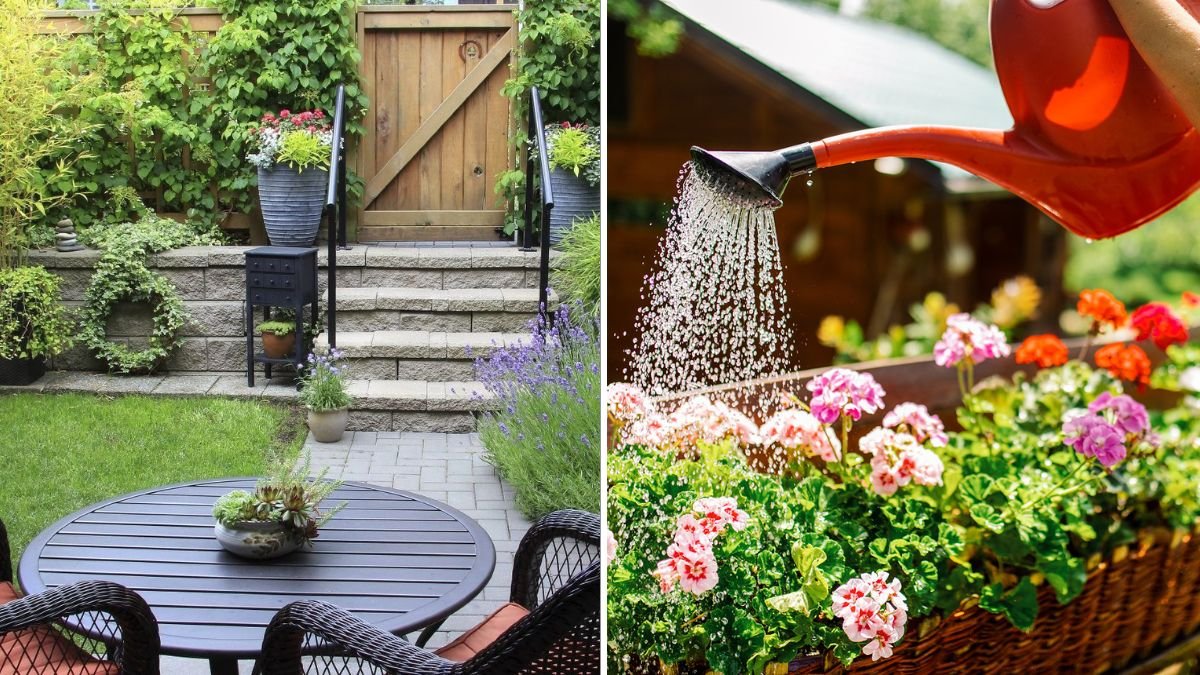
Heatwaves can wreak havoc on a garden. Scorching sun, dry soil, and high temperatures can quickly wilt plants, stress flowers, and even kill tender vegetables. Yet with the right strategies, your garden doesn’t just have to survive a heatwave—it can still thrive. By making adjustments in watering, soil care, plant protection, and overall garden management, you can minimize damage and keep your plants strong through the hottest days.
Here’s a detailed guide to help your garden beat the heat:
1. Water Smarter, Not Harder
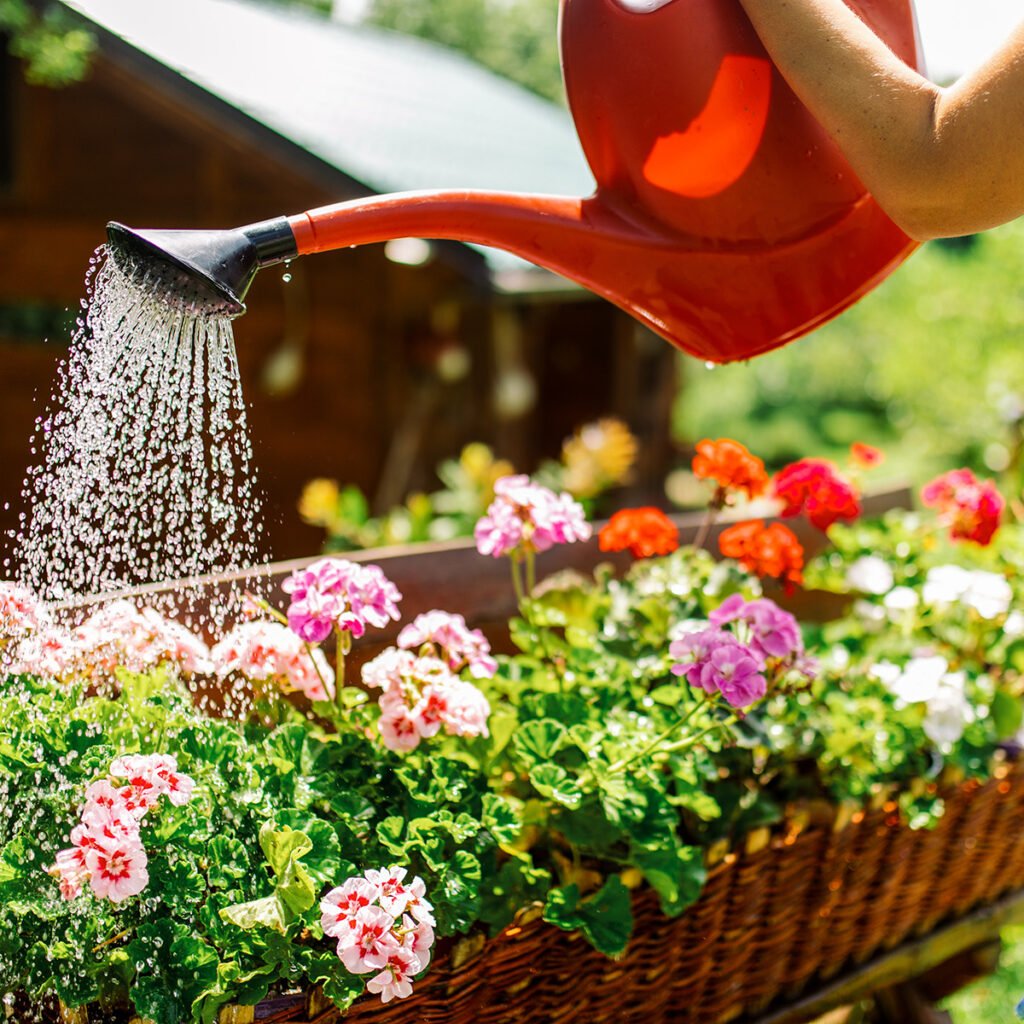
The biggest mistake many gardeners make during a heatwave is watering too often, or at the wrong time. Overwatering can be just as harmful as underwatering, especially when the soil becomes waterlogged and roots suffocate.

- Water Early in the Morning: The best time to water is before 9 a.m. This ensures the soil is moist before the sun gets intense, giving plants a reservoir to draw from during the day. Evening watering can also work, but it increases the risk of fungal diseases if leaves stay wet overnight.
- Deep, Infrequent Watering: Instead of sprinkling lightly every day, water deeply 2–3 times a week. This encourages roots to grow deeper, where the soil stays cooler and retains moisture longer.
- Drip Irrigation or Soaker Hoses: These methods deliver water directly to the root zone, reducing evaporation and preventing wet foliage.
2. Mulch Is Your Garden’s Best Friend
Mulching is one of the simplest yet most powerful ways to protect your garden in extreme heat. A layer of mulch shields soil from direct sun, reduces evaporation, and regulates soil temperature.
- Best Materials: Organic mulches like shredded bark, straw, compost, or even grass clippings work well.
- Thickness: Aim for 2–4 inches of mulch around plants, leaving a small gap around stems to prevent rot.
- Bonus Benefit: Mulch also suppresses weeds, which compete with your plants for water and nutrients—especially critical in drought-like conditions.
3. Provide Temporary Shade
Even sun-loving plants can struggle when exposed to relentless, triple-digit heat. Providing shade during the hottest part of the day can save your crops and flowers from sunburn.
- Use Shade Cloth: Lightweight shade cloth (30–50% density) reduces light intensity without blocking it completely. It’s perfect for vegetable gardens.
- Repurpose Household Items: Old bedsheets, umbrellas, or even cardboard propped up on stakes can provide quick, effective shade in a pinch.
- Container Plants: Move pots into shaded areas, under trees, or against a wall that receives afternoon shade.
4. Choose Heat-Tolerant Plants
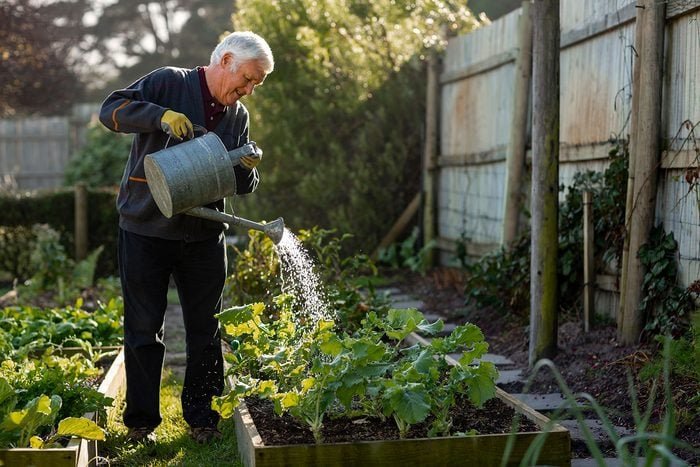
If your region is prone to heatwaves, consider incorporating more resilient varieties into your garden. Some plants naturally handle high temperatures better than others.

- Vegetables: Okra, eggplant, peppers, sweet potatoes, and black-eyed peas thrive in heat.
- Flowers: Zinnias, marigolds, vinca, lantana, and blanket flowers bloom beautifully in hot conditions.
- Perennials: Lavender, Russian sage, coneflowers, and ornamental grasses are both drought- and heat-tolerant.
By mixing in these hardy plants, your garden will look lush even when others wilt.
5. Prune and Deadhead Carefully
During heat stress, plants need all the energy they can get. Strategic pruning helps them focus on survival and new growth instead of maintaining damaged leaves or unnecessary stems.
- Deadhead Spent Flowers: Removing faded blooms encourages plants to redirect energy into healthy foliage and root development.
- Light Pruning Only: Avoid heavy pruning during extreme heat—it can shock plants further. Instead, trim only damaged, scorched, or dead material.
- Thin Dense Growth: For shrubs or vegetable plants, thinning excess foliage can improve airflow, reducing humidity and disease risk in hot weather.
6. Protect the Soil With Groundcovers
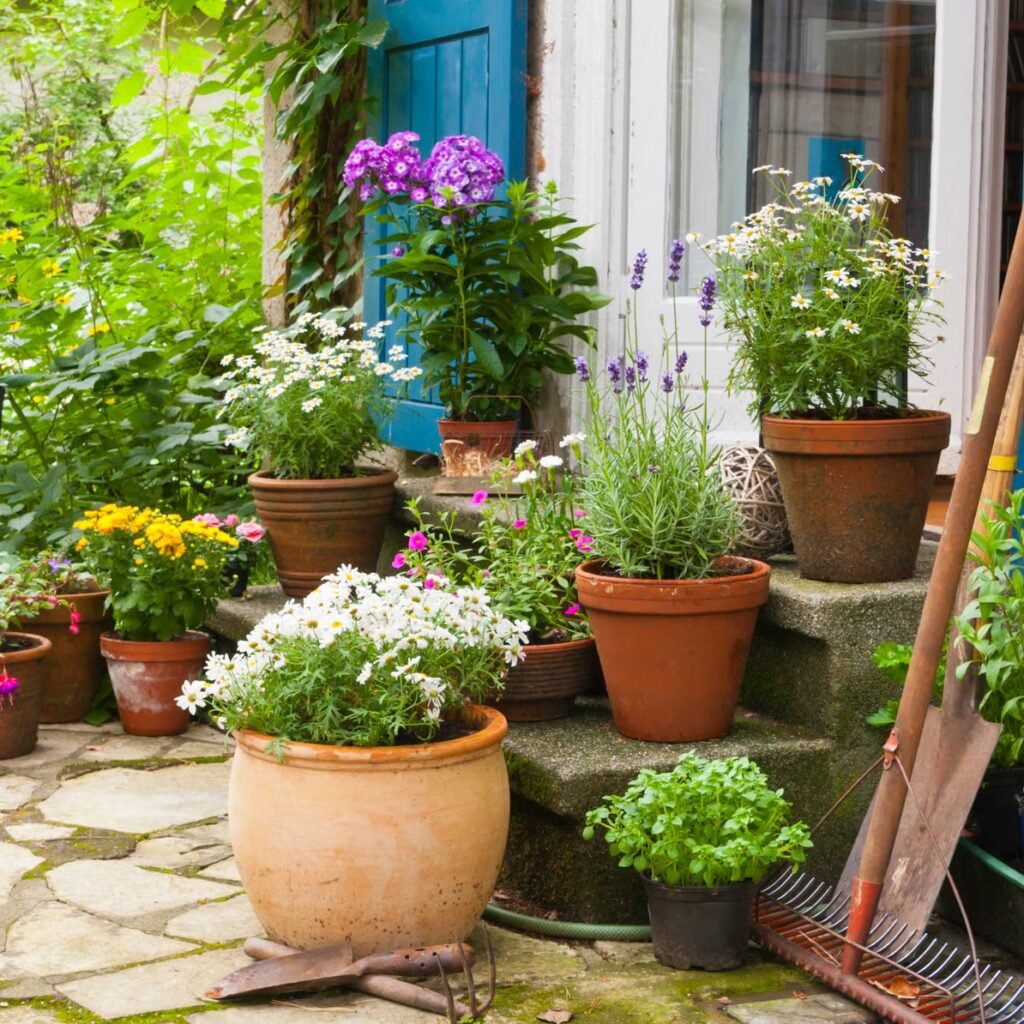
If you have bare soil, it heats up quickly and loses moisture at an alarming rate. Adding groundcover plants or temporary cover crops can reduce soil stress and support overall garden health.

- Living Mulch: Low-growing herbs like thyme or creeping oregano act as living mulch while adding beauty.
- Cover Crops: Buckwheat or clover sown between vegetable rows protect soil while providing additional organic matter when tilled in later.
7. Adjust Feeding and Fertilization
Fertilizing during a heatwave can actually stress plants more, as it forces them to push new growth when they’re already under duress.
- Pause Heavy Fertilization: Wait until temperatures moderate before applying strong fertilizers.
- Use Liquid Seaweed or Compost Tea: These mild, organic solutions boost resilience without overwhelming plants.
- Focus on Soil Health: Instead of forcing growth, enrich the soil with compost to improve water retention and long-term fertility.
8. Harvest Strategically
Vegetables can suffer in prolonged heat, so timing your harvest wisely ensures you don’t lose crops.
- Pick Early and Often: Harvesting cucumbers, beans, zucchini, and tomatoes regularly reduces plant stress and encourages further production.
- Protect Ripening Crops: Tomatoes, peppers, and melons can develop sunscald in high heat. Use light cloth or paper bags to shield fruits while they ripen.
9. Conserve Water With Smart Techniques
Water is often restricted during heatwaves, so conservation becomes key.

- Group Plants by Water Needs: Keep thirsty crops (like lettuce and cucumbers) together so you can prioritize watering.
- Use Greywater: Reuse cooled cooking water or water from rinsing vegetables for ornamental plants (avoid using it on edible crops if it contains soap).
- Install Rain Barrels: Even in dry times, sudden summer storms can provide valuable water you can collect for later use.
10. Keep an Eye on Containers
Container plants are the first to suffer during a heatwave, as pots dry out much faster than garden beds.
- Water Twice a Day if Needed: Early morning and late afternoon watering may be necessary for potted plants.
- Use Larger Containers: Bigger pots hold moisture longer than small ones.
- Double-Potting: Place a smaller pot inside a larger, insulated one to reduce heat stress on roots.
11. Look After Yourself, Too
Caring for a garden in extreme heat can be exhausting and even dangerous for you as the gardener. Don’t forget to prioritize your own well-being.
- Garden Early or Late: Work in the garden during cooler hours.
- Wear a Hat and Stay Hydrated: Take breaks in the shade often.
- Spread Out Tasks: Avoid tackling too much at once; instead, handle smaller tasks over multiple days.
Final Thoughts
A heatwave can be daunting for any gardener, but with preparation and smart strategies, you can keep your plants not only alive but thriving. Focus on deep watering, shading, mulching, and choosing the right plant varieties for your climate. Don’t forget to conserve water where possible and protect vulnerable crops with simple DIY solutions.
Remember, a heatwave doesn’t last forever—but the steps you take now will have long-term benefits. Stronger roots, improved soil health, and resilient plant varieties will prepare your garden not only for the next stretch of hot weather but also for future growing seasons.
By treating your garden with a little extra care during extreme heat, you’ll ensure it bounces back quickly and continues to provide beauty, food, and joy long after the heatwave has passed.