Introduction
A lush, green lawn is the dream of many homeowners. However, achieving and maintaining that vibrant look often involves chemical fertilizers, herbicides, and pesticides—many of which can harm the environment, your health, and local wildlife. Fortunately, it’s entirely possible to cultivate a beautiful, healthy lawn without using any synthetic chemicals.
This guide explores eco-friendly, natural, and sustainable methods to keep your lawn green, vibrant, and resilient. From soil care to natural weed control, we’ll break down what experts recommend and how you can create a lawn that thrives in harmony with nature.
Why Avoid Chemicals?
Chemical lawn treatments—fertilizers, herbicides, and pesticides—promise quick results, but they come with serious drawbacks:
- Environmental impact: Runoff from chemical treatments pollutes waterways and harms aquatic life.
- Health concerns: Many lawn chemicals contain ingredients linked to allergies, hormone disruption, and other health risks.
- Soil degradation: Chemicals can harm beneficial soil microbes, reducing long-term soil fertility.
- Dependency: Lawns treated with chemicals often become reliant on them for survival, weakening natural resilience.
A chemical-free lawn, on the other hand, supports biodiversity, improves soil structure, and offers a safer space for children, pets, and wildlife.
1. Start With Healthy Soil
The foundation of a green, chemical-free lawn is healthy, living soil.
Test Your Soil
Start by conducting a soil test to understand its pH, nutrient levels, and composition. You’ll know exactly what your lawn needs without guessing.

- Ideal pH for most grass types: 6.0–7.0
- Balance of nitrogen (N), phosphorus (P), and potassium (K) is crucial
Improve Soil Naturally
- Compost: Add a layer of screened compost once or twice a year to enrich the soil with organic matter and microbes.
- Organic mulch: Use grass clippings, shredded leaves, or wood mulch to retain moisture and feed the soil as they break down.
- Topdressing: Apply a thin layer of compost or well-aged manure to improve soil texture and support microbial life.
Healthy soil retains moisture better, supports deep root growth, and reduces the need for extra inputs.
2. Choose the Right Grass Type
The best lawn is one that matches your local climate, soil, and sunlight conditions. Choosing the right type of grass means less watering, fewer pests, and lower maintenance overall.
Cool-Season Grasses (for temperate climates)
- Fescues (fine and tall)
- Kentucky bluegrass
- Perennial ryegrass
Warm-Season Grasses (for hot regions)
- Bermudagrass
- Zoysiagrass
- St. Augustine grass
Low-Maintenance Alternatives
- Clover or microclover: Fixes nitrogen, requires little mowing
- Native grasses: Adapted to local rainfall and resistant to local pests
Tip: Blend different grass types for a more resilient lawn with year-round green coverage.
3. Practice Proper Mowing Techniques
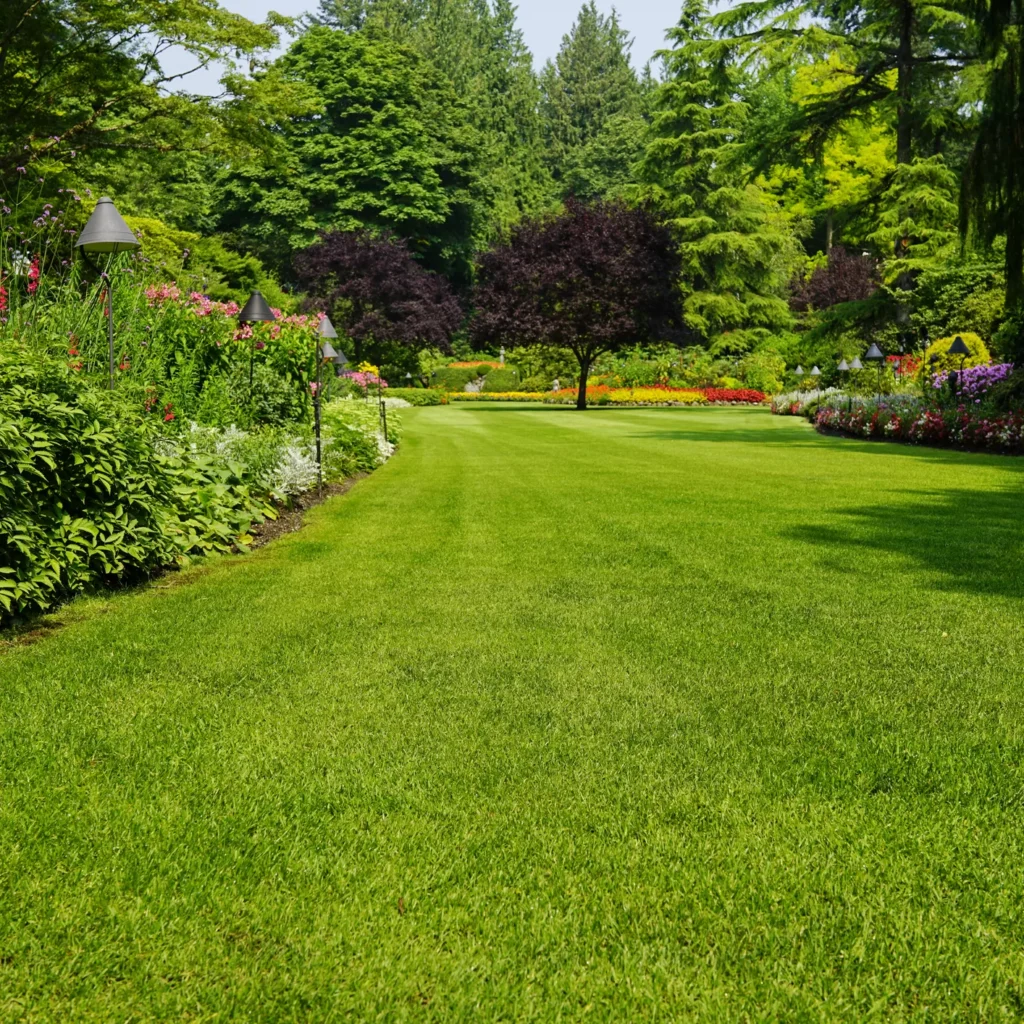
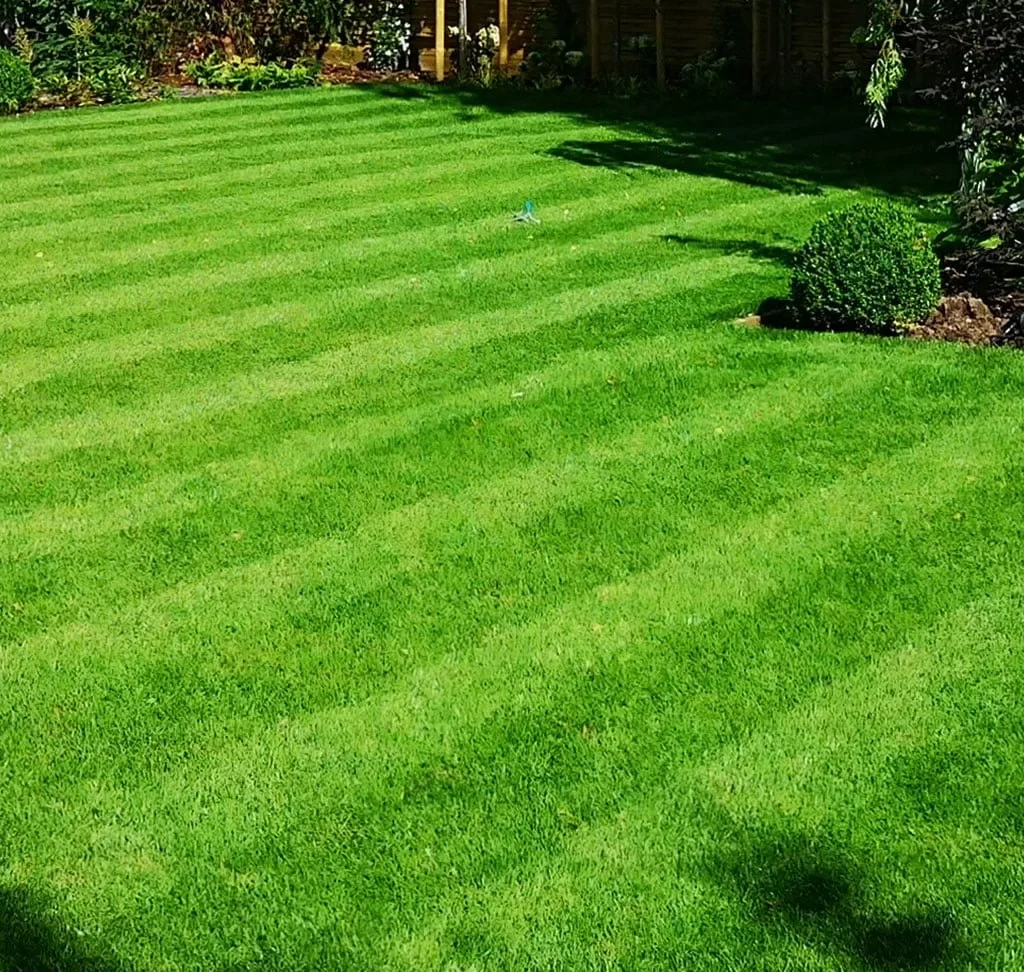
Mowing may seem simple, but how you mow dramatically affects your lawn’s health.
Mow High
Set your mower blades higher to leave grass 3–4 inches tall. Taller grass:
- Shades out weeds naturally
- Retains moisture better
- Promotes deeper root systems
Don’t Bag Clippings
Leave grass clippings on the lawn. This practice, known as grasscycling, returns nitrogen to the soil and reduces the need for fertilizing.

Sharpen Your Mower Blades
Dull blades tear the grass, causing browning and making it more vulnerable to disease.
4. Water Smartly
Watering is essential, but most homeowners overwater or do it inefficiently.
Water Deeply, Not Frequently
- Water 1–2 times a week, delivering about 1 inch per week, including rainfall.
- Deep watering encourages roots to grow downward, making the grass drought-resistant.
Water Early
Water early in the morning (before 10 a.m.) to reduce evaporation and fungal growth.
Use Rainwater
- Collect rainwater in barrels and use it for lawn irrigation.
- This saves on your water bill and reduces reliance on municipal water sources.
5. Feed Your Lawn Organically
Instead of synthetic fertilizers, opt for natural, slow-release nutrients.
Organic Lawn Fertilizers
These are derived from plant or animal sources such as:
- Compost
- Bone meal
- Fish emulsion
- Seaweed extract
- Corn gluten meal (also suppresses some weed seeds)
These products feed both the grass and the beneficial organisms in the soil.

DIY Natural Fertilizers
- Banana peels and vegetable scraps: Compost them to feed your lawn.
- Coffee grounds: Sprinkle lightly to add nitrogen and attract earthworms.
6. Control Weeds Naturally
Without chemicals, weed control relies on prevention, physical removal, and soil health.
Encourage a Thick Lawn
A dense, healthy lawn leaves little room for weeds to take hold.
Natural Weed Control Methods
- Hand pulling: Especially effective for dandelions, crabgrass, and clover.
- Boiling water or vinegar: Use cautiously on sidewalk cracks and edges.
- Mulching bare spots: Prevents weeds from germinating in open soil.
Use Corn Gluten Meal
This natural by-product of corn milling inhibits seed germination of many common weeds. Apply it in early spring before weeds sprout.
7. Boost Soil Life With Beneficial Organisms
A living soil ecosystem can protect your lawn from pests and diseases naturally.
Add Mycorrhizal Fungi
These fungi form symbiotic relationships with grass roots, helping them absorb more water and nutrients.
Encourage Earthworms
Earthworms aerate the soil and improve nutrient cycling. Feed them with compost, and avoid disrupting their habitat with tilling or synthetic products.

8. Aerate and Dethatch
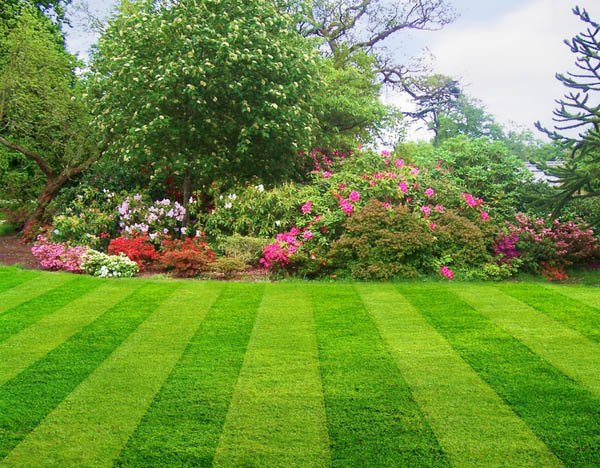
Even without chemicals, aeration and dethatching help improve root health and nutrient flow.
Aeration
Use a core aerator to remove plugs of soil, allowing air, water, and nutrients to penetrate.
- Best done once a year in the growing season
- Reduces compaction and promotes deeper roots
Dethatching
Thatch is a layer of dead grass and roots that can smother your lawn.
- Remove excess thatch (more than ½ inch thick) using a dethatching rake or machine
- Follow up with compost and overseeding
9. Reseed Bare Patches With Care
Thin or bare spots are invitations for weeds. Fix them promptly:
- Rake the area and remove debris
- Apply a thin layer of compost or topsoil
- Sprinkle grass seed appropriate to your climate
- Water gently and frequently until established
For added benefit, overseed your entire lawn in early fall or spring to keep it thick and vibrant.
10. Embrace Biodiversity and Patience
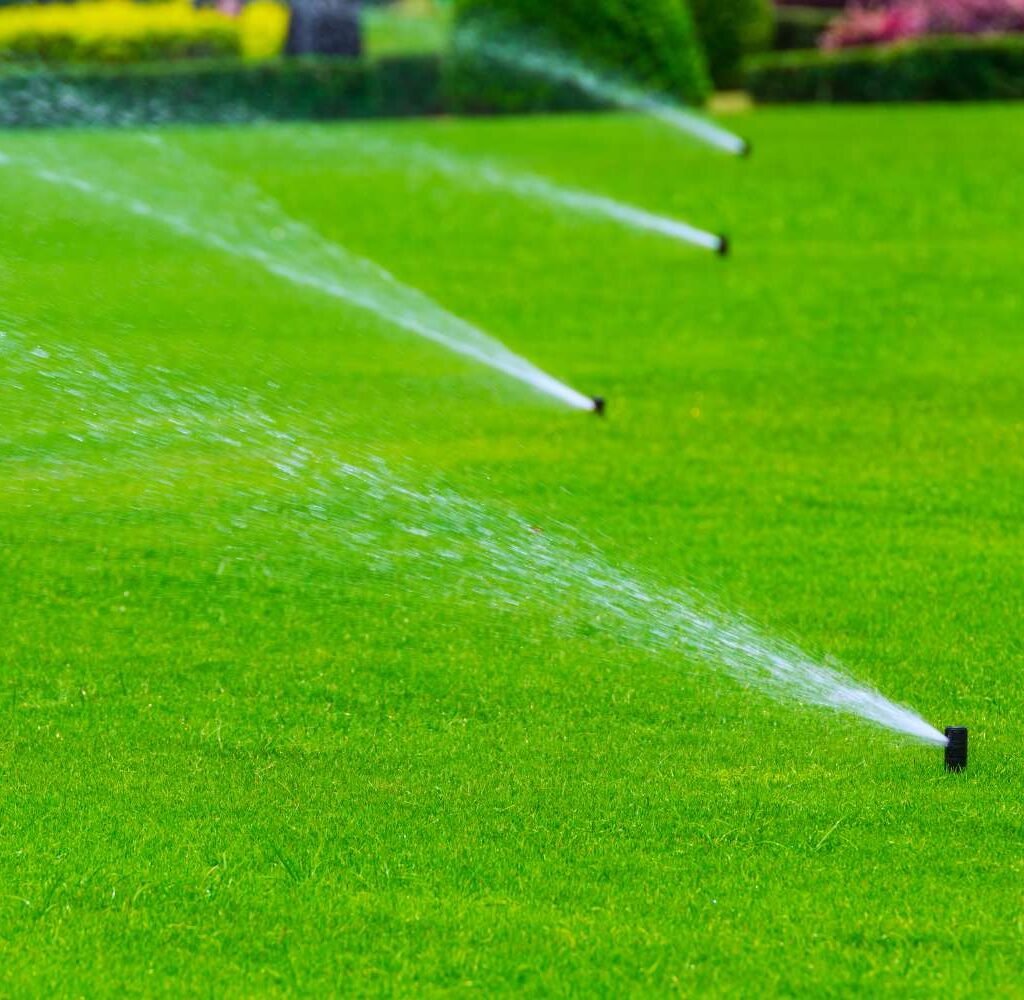
Nature-friendly lawns aren’t always perfectly uniform—but they’re healthier and more sustainable.

- Allow some flowering plants like clover or violets—they support pollinators and fix nitrogen
- Accept that occasional weeds or dry patches are part of the natural cycle
- Over time, your lawn will become more self-sustaining and less needy
Remember: The goal isn’t perfection—it’s a living, thriving lawn in balance with the environment.
Conclusion
Maintaining a lush, green lawn without chemicals is not only possible—it’s practical, cost-effective, and better for your health and the planet. By focusing on soil health, proper mowing and watering, organic feeding, and natural weed control, you can cultivate a beautiful lawn that thrives naturally.
It might take a little more patience and care upfront, but the long-term rewards—lower maintenance, fewer costs, a healthier ecosystem—are worth the effort. Most importantly, you’ll be contributing to a greener, cleaner world, starting right in your own backyard.