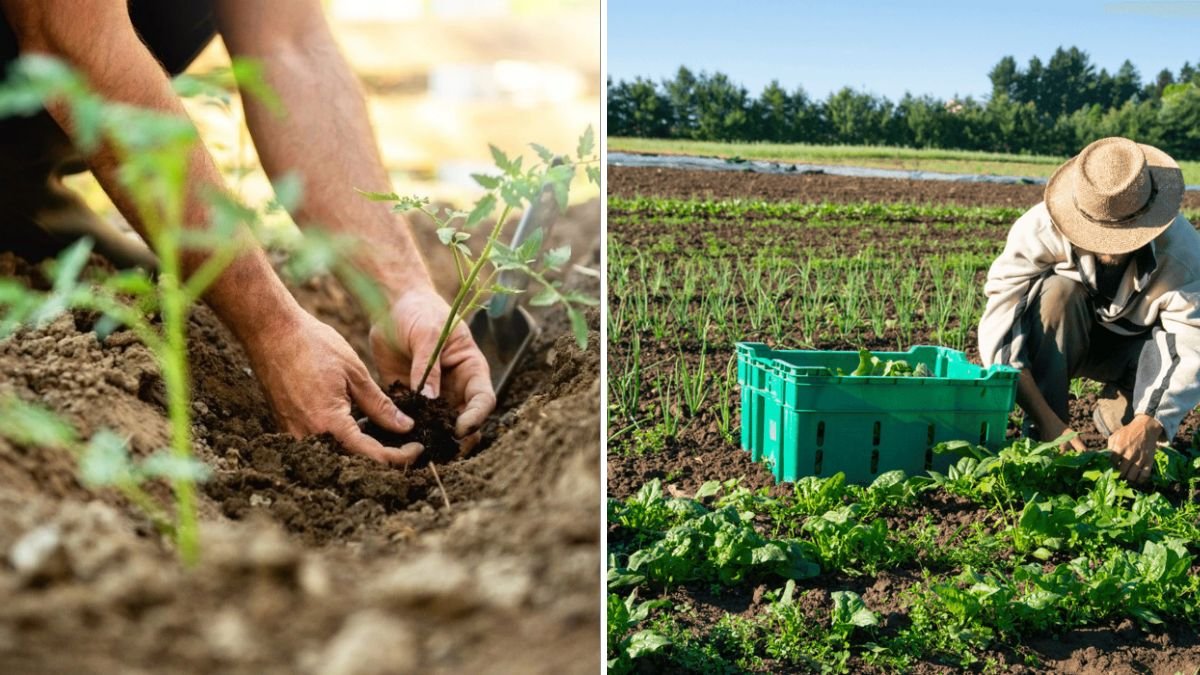
If your vegetable garden doesn’t seem as productive as it used to be — plants growing slower, leaves turning yellow, or harvests shrinking — your soil might be exhausted. Just like people, soil needs rest and balance to stay healthy.
That’s where crop rotation comes in. This time-tested gardening technique keeps your soil fertile, reduces pests and diseases, and ensures steady harvests year after year.
Whether you’re growing vegetables on your terrace, in raised beds, or in a backyard plot, learning how to rotate crops properly can transform your garden into a thriving, sustainable ecosystem.
Let’s explore how to rotate crops to prevent soil depletion, step-by-step.
What Is Crop Rotation?

Crop rotation is the practice of growing different types of crops in the same area in a specific sequence over several seasons or years.
Instead of planting tomatoes in the same spot every year, you might grow beans there next season and leafy greens after that. Each type of plant affects the soil differently — some take certain nutrients, others add them back. By rotating crops, you help the soil recover naturally.
This method has been used for centuries by farmers and home gardeners alike to:
- Maintain soil fertility
- Reduce pest and disease buildup
- Improve soil structure
- Maximize yield sustainably
In short, crop rotation helps you work with nature, not against it.

Why Crop Rotation Matters
When you plant the same vegetable in the same place year after year, you create problems like:
- Nutrient Depletion:
Each crop draws specific nutrients from the soil. For example, tomatoes and peppers are heavy feeders that use up a lot of nitrogen and phosphorus. Over time, the soil becomes imbalanced and less fertile. - Pest & Disease Buildup:
Pests and soil-borne diseases that attack a certain plant (like tomato blight or cabbage worms) can survive in the soil and come back stronger the next year. - Poor Soil Structure:
Some plants have deep roots that loosen the soil, while others have shallow roots. Growing the same crop repeatedly can compact or dry out certain soil layers.
Crop rotation prevents these issues by restoring nutrients, breaking pest cycles, and balancing soil health naturally — no chemicals required.
The Science Behind Crop Rotation

To understand how rotation helps, let’s look at how different crops interact with the soil:
Legumes (Beans, Peas)
- Add nitrogen to the soil through bacteria in their root nodules.
- Perfect for replenishing nutrient-hungry soil after heavy feeders.
Leafy Vegetables (Spinach, Lettuce, Cabbage)
- Use moderate amounts of nitrogen and benefit from rich soil.
- Should follow legumes to use the nitrogen they leave behind.
Fruiting Vegetables (Tomatoes, Peppers, Eggplants, Cucumbers)
- Heavy feeders that require lots of nutrients to produce fruits.
- Should be followed by lighter feeders or nitrogen-fixers.
Root Crops (Carrots, Beets, Onions, Garlic, Potatoes)
- Help aerate the soil and improve texture.
- Should follow crops that enrich the topsoil, like leafy greens.
When you plan your garden around these groups, each crop helps prepare the soil for the next — creating a self-sustaining cycle.
Step-by-Step Guide To Crop Rotation

Here’s how to rotate crops efficiently, whether you have a small garden or multiple raised beds.
Step 1: Group Your Vegetables by Family
Plants from the same botanical family often share similar nutrient needs and pests. Rotating entire plant families — not just individual crops — is more effective.
Here are common plant families to remember:
| Plant Family | Common Crops | Soil Impact |
|---|---|---|
| Solanaceae (Nightshades) | Tomato, Pepper, Eggplant, Potato | Heavy feeders, deplete nitrogen |
| Fabaceae (Legumes) | Beans, Peas | Add nitrogen |
| Brassicaceae (Cabbage Family) | Cabbage, Cauliflower, Broccoli, Kale | Moderate feeders, attract similar pests |
| Amaranthaceae (Leafy Greens) | Spinach, Beetroot, Chard | Moderate feeders |
| Apiaceae (Root Veggies) | Carrot, Parsley, Celery | Light feeders |
| Cucurbitaceae (Vine Crops) | Cucumber, Zucchini, Melon, Pumpkin | Heavy feeders, need rich soil |
| Alliaceae (Onion Family) | Onion, Garlic, Leek | Help deter pests, light feeders |
Once you’ve grouped them, plan rotations by family, not by individual plants.

Step 2: Divide Your Garden Into Sections
Divide your garden into three or four sections (or beds). Each year, plant a different crop family in each section.
For example, in a four-year rotation plan:
| Year | Bed 1 | Bed 2 | Bed 3 | Bed 4 |
|---|---|---|---|---|
| 1 | Nightshades | Legumes | Root Crops | Leafy Vegetables |
| 2 | Legumes | Root Crops | Leafy Vegetables | Nightshades |
| 3 | Root Crops | Leafy Vegetables | Nightshades | Legumes |
| 4 | Leafy Vegetables | Nightshades | Legumes | Root Crops |
Then, repeat the cycle every four years.
This system ensures no crop grows in the same bed two years in a row — breaking pest cycles and balancing nutrients.
Step 3: Follow the “Feeding Order” Rule

To make rotation simpler, remember this easy sequence:
Heavy Feeders → Light Feeders → Soil Builders
- Heavy feeders (tomatoes, corn, peppers, cabbage) use up nutrients.
- Light feeders (carrots, onions, herbs) use what’s left.
- Soil builders (beans, peas, clover) restore nitrogen.
After soil builders, start again with heavy feeders.
Example:
Year 1: Tomatoes → Year 2: Carrots → Year 3: Beans → Year 4: Tomatoes again.

Step 4: Include Cover Crops or Green Manure

Between planting seasons, you can sow cover crops such as:
- Clover
- Alfalfa
- Mustard
- Rye grass
These crops prevent erosion, suppress weeds, and add organic matter when turned into the soil. They act as “green manure,” replenishing nutrients naturally.
Step 5: Keep a Garden Journal
It’s easy to lose track of which crop went where, especially after a couple of years. Keep a notebook or diagram of your beds each season. Note:
- What crops you planted
- How they performed
- Any pest or disease issues
This helps refine your rotation plan and avoid accidental repeats.
Real-Life Example: A Simple 3-Year Rotation Plan
If you have three raised beds or garden zones, try this simple rotation:
| Year | Bed 1 | Bed 2 | Bed 3 |
|---|---|---|---|
| 1 | Tomatoes, Peppers | Carrots, Onions | Beans, Peas |
| 2 | Beans, Peas | Tomatoes, Peppers | Carrots, Onions |
| 3 | Carrots, Onions | Beans, Peas | Tomatoes, Peppers |
This rotation balances nutrients, reduces soil fatigue, and minimizes pests like nematodes and aphids.
Extra Tips For Successful Crop Rotation
1. Don’t Forget the Soil Amendments
Even with rotation, soil still needs organic matter. Add compost or aged manure at the start of each planting season to keep it fertile.
2. Combine Rotation with Companion Planting
Some plants help each other grow when planted together:

- Tomatoes + Basil: Repels pests and enhances flavor.
- Beans + Corn: Beans fix nitrogen for the corn.
- Carrots + Onions: Onions repel carrot flies.
Using both techniques multiplies your garden’s health benefits.
3. Avoid Repeating the Same Crop Family
For example, don’t plant tomatoes after peppers — both belong to the nightshade family and attract similar diseases like blight.
4. Observe Your Soil and Plants
If leaves start yellowing or plants weaken, it may be time to adjust your rotation schedule or replenish nutrients.
5. Rotate Even in Containers
If you’re gardening on a terrace or balcony, change what you grow in each pot every season. For instance, follow tomatoes with beans or lettuce in the same container.
Benefits You’ll Notice Over Time
Once you start rotating crops consistently, you’ll notice clear, lasting improvements:
Healthier Soil: Balanced nutrients and better texture.
Fewer Pests: Reduced buildup of soil-borne insects and fungi.
Bigger Yields: Plants thrive with fresh, nutrient-rich soil.
Sustainable Gardening: Less need for chemical fertilizers or pesticides.
Better Water Retention: Improved soil structure means less watering.
Crop rotation may take planning, but it saves you endless frustration in the long run.
Final Thoughts: Let the Soil Rest and Renew
Your soil is a living, breathing ecosystem — not an endless resource. When you grow the same crop in the same spot, you’re asking the soil to give without giving back.
Crop rotation is nature’s way of balance. It lets one crop rest while another rejuvenates the ground beneath it. With a little planning and patience, you’ll create a self-renewing garden that thrives year after year.
So before your next planting season, grab a notebook, sketch your garden layout, and start planning your rotation. It’s one of the smartest, simplest, and most rewarding steps toward a truly sustainable vegetable garden.