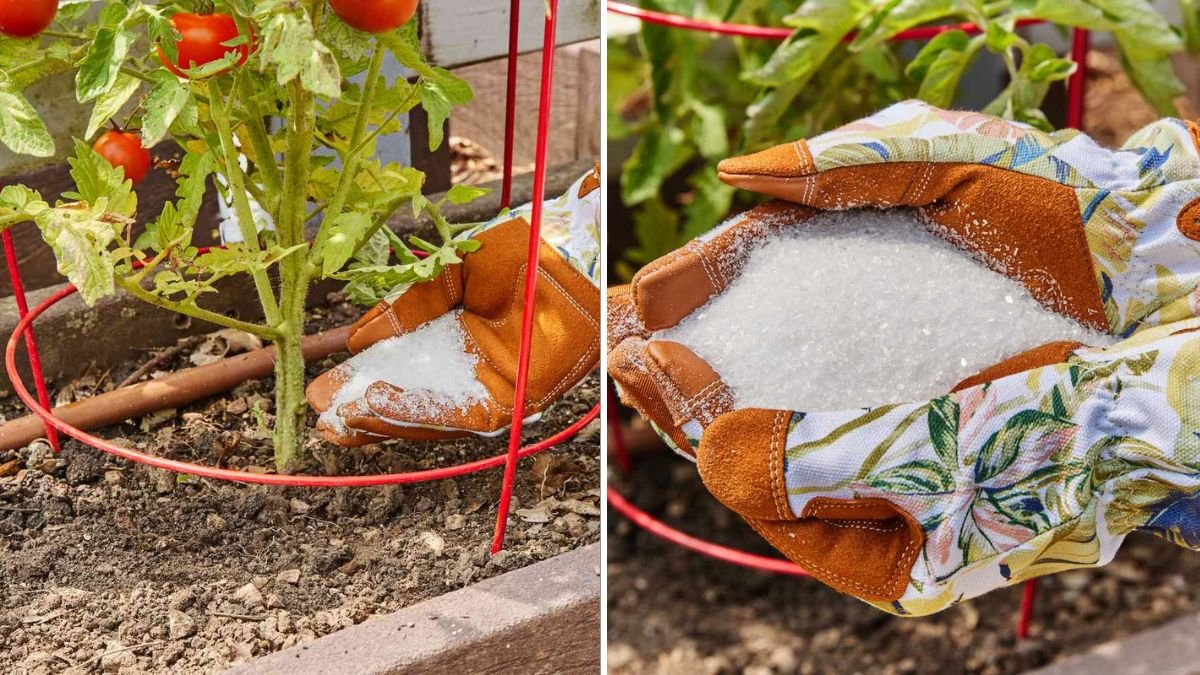
Every gardener dreams of lush green leaves, vibrant blooms, and thriving vegetables. While fertilizers and compost are essential, there’s a simple and inexpensive ingredient sitting quietly in your bathroom cabinet that can make a surprising difference — Epsom salt.
Used wisely, Epsom salt can enhance your garden’s health, boost flower color, and even improve vegetable yields. But here’s the key: it must be used the right way. Overuse or misuse can do more harm than good.
In this article, you’ll learn what Epsom salt really does for plants, when to use it, and the best ways to apply it — all backed by science and practical gardening experience.
What Exactly Is Epsom Salt?

Epsom salt isn’t actually “salt” — it’s a naturally occurring mineral compound called magnesium sulfate (MgSO₄·7H₂O).
It contains two essential nutrients that plants rely on:
- Magnesium (Mg): Helps plants produce chlorophyll for photosynthesis and gives leaves their deep green color.
- Sulfur (S): Aids in protein formation, root development, and disease resistance.
Both are micronutrients, meaning plants need them in smaller amounts than nitrogen, phosphorus, or potassium — but they’re still vital for plant growth and health.
Why Use Epsom Salt in the Garden?
Many gardeners swear by Epsom salt for its multiple benefits. When used correctly, it can:
1. Promote Greener, Healthier Leaves
Magnesium boosts chlorophyll production, making leaves appear greener and more vibrant. This is especially beneficial for leafy plants like spinach, basil, and roses.
2. Improve Flowering and Fruit Production
Plants like tomatoes, peppers, and roses often benefit from a magnesium boost during flowering and fruiting, resulting in more blooms and better fruit quality.
3. Prevent Magnesium Deficiency
If your plants have yellowing leaves between green veins (called interveinal chlorosis), they might be magnesium-deficient — Epsom salt can correct that quickly.
4. Enhance Seed Germination
Soaking seeds in a mild Epsom salt solution before planting can help with stronger seedling development.
5. Help with Nutrient Absorption
Magnesium improves a plant’s ability to take in key nutrients like nitrogen and phosphorus from the soil.
A Word of Caution
Before you start sprinkling Epsom salt everywhere, remember this: not every plant or soil needs it.
Epsom salt doesn’t replace balanced fertilizer or compost. If your soil already has sufficient magnesium, adding more can actually disrupt nutrient balance and harm soil health over time.
Pro tip: The best way to know if your garden needs Epsom salt is to get your soil tested. If magnesium levels are low (below 25–50 ppm), then Epsom salt can be a beneficial supplement.
How To Use Epsom Salt The Right Way

Now let’s dive into the best and safest ways to apply Epsom salt for different gardening needs.
1. For General Plant Health
To maintain overall health and vigor:
- Mixing Ratio: 1 tablespoon of Epsom salt per gallon (3.8 liters) of water.
- How To Apply: Water your plants with this solution once every 4–6 weeks during the growing season.
- Best For: Houseplants, herbs, and ornamental flowers.
This method helps keep leaves lush and green while improving nutrient absorption naturally.
2. For Tomatoes and Peppers
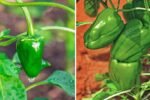
Tomatoes and peppers are heavy feeders and often show magnesium deficiency symptoms, like yellowing leaves and poor fruit set.
- Before Planting: Add 1 tablespoon of Epsom salt to the planting hole and mix well with the soil.
- During Growth: Dissolve 1 tablespoon of Epsom salt in 1 gallon of water and apply as a foliar spray or soil drench every 2–3 weeks.
- Result: Stronger stems, more blossoms, and tastier fruits.
Pro tip: Avoid overuse — too much magnesium can compete with calcium absorption, leading to blossom-end rot.
3. For Roses
Gardeners have used Epsom salt for generations to produce spectacular roses with deep color and abundant blooms.
- At Planting Time: Mix 1 tablespoon of Epsom salt into the soil at the base of each plant.
- For Established Roses: Dissolve 1 tablespoon per gallon of water and drench the base every 4–6 weeks.
- Foliar Spray: Mix 1 tablespoon per gallon of water and spray leaves once a month.
Tip: Applying Epsom salt in early spring encourages new cane growth and lush foliage.
4. For Vegetables (Carrots, Potatoes, Leafy Greens)

Epsom salt can improve both flavor and yield in some vegetables.
- Root Crops (Carrots, Potatoes): Sprinkle 1 teaspoon per foot of plant row before watering once a month.
- Leafy Greens (Spinach, Kale, Lettuce): Use a mild foliar spray of 1 tablespoon per gallon of water every 3–4 weeks for darker, crisper leaves.
Note: Use sparingly, especially if your soil is already fertile.
5. For Flowering Plants and Annuals
Annuals like petunias, marigolds, and geraniums respond beautifully to magnesium boosts.
- Application: Dissolve 1 tablespoon of Epsom salt per gallon of water and apply as a drench once a month.
- Result: Brighter blooms and stronger root systems.
Bonus: Epsom salt reduces transplant shock when you move seedlings to pots or beds.
6. For Trees and Shrubs
Even large plants can benefit from magnesium-rich soil.
- For Trees: Apply 2 tablespoons of Epsom salt per 9 square feet of soil around the base once in early spring and again in late summer.
- For Shrubs: Use 1 tablespoon per foot of height monthly during growing season.
This supports healthy leaf growth and improved root development.
7. As a Foliar Spray

Foliar feeding allows plants to absorb magnesium directly through their leaves — an excellent method for quick results.
- Mix: 1 tablespoon of Epsom salt in 1 gallon of water.
- Spray: Lightly mist the leaves early in the morning or late evening every 2–3 weeks.
- Best For: Peppers, roses, citrus, and potted herbs.
Tip: Avoid spraying during midday sunlight to prevent leaf burn.
8. For Lawns
If your grass looks dull or patchy, magnesium may be lacking.
- Application: Dissolve 3 pounds of Epsom salt in 1,250 square feet of lawn area using a hose-end sprayer or watering can.
- Frequency: Once in early spring and again in midsummer.
- Benefit: Greener grass and deeper roots without harsh chemicals.
How NOT To Use Epsom Salt

While Epsom salt is natural and inexpensive, overusing it can upset your garden’s delicate nutrient balance. Keep these cautions in mind:
- Don’t use it as a universal fertilizer.
It lacks nitrogen, phosphorus, and potassium — the main nutrients plants need. Always combine it with compost or organic fertilizer. - Avoid frequent use without testing soil.
Excess magnesium can block calcium uptake, causing stunted growth or blossom-end rot. - Don’t use on alkaline soils.
Magnesium absorption is already low in acidic soils, but unnecessary in alkaline ones. - Avoid applying to succulents and cacti.
They thrive in lean soil and don’t require additional magnesium.
Signs Your Plants Might Need Epsom Salt
If you’re unsure whether to use Epsom salt, look for these early warning signs of magnesium deficiency:
- Pale, yellowing leaves between green veins
- Slower growth despite regular feeding
- Drooping or curling leaves
- Reduced flowering or small fruits
Remember — test the soil before applying to confirm magnesium deficiency. Blindly adding supplements can backfire.
Combining Epsom Salt With Organic Gardening Practices
Epsom salt works best when integrated into a balanced garden routine. Use it as part of a natural care system:
- Compost: Improves overall soil structure and microbial activity.
- Mulch: Retains moisture and moderates temperature.
- Organic fertilizers: Supply the macronutrients Epsom salt lacks.
This combination ensures your garden remains nutrient-rich, healthy, and sustainable.
Final Thoughts: A Little Goes a Long Way
Epsom salt is one of gardening’s most affordable and versatile allies — when used correctly. It can make your flowers bloom brighter, your vegetables taste sweeter, and your plants look greener.
However, the key to success lies in moderation and balance. Think of Epsom salt as a gentle tonic, not a cure-all. Always observe your plants, listen to the soil, and adjust accordingly.
When you apply it wisely, you’ll unlock one of nature’s simplest secrets for a more vibrant, thriving garden.