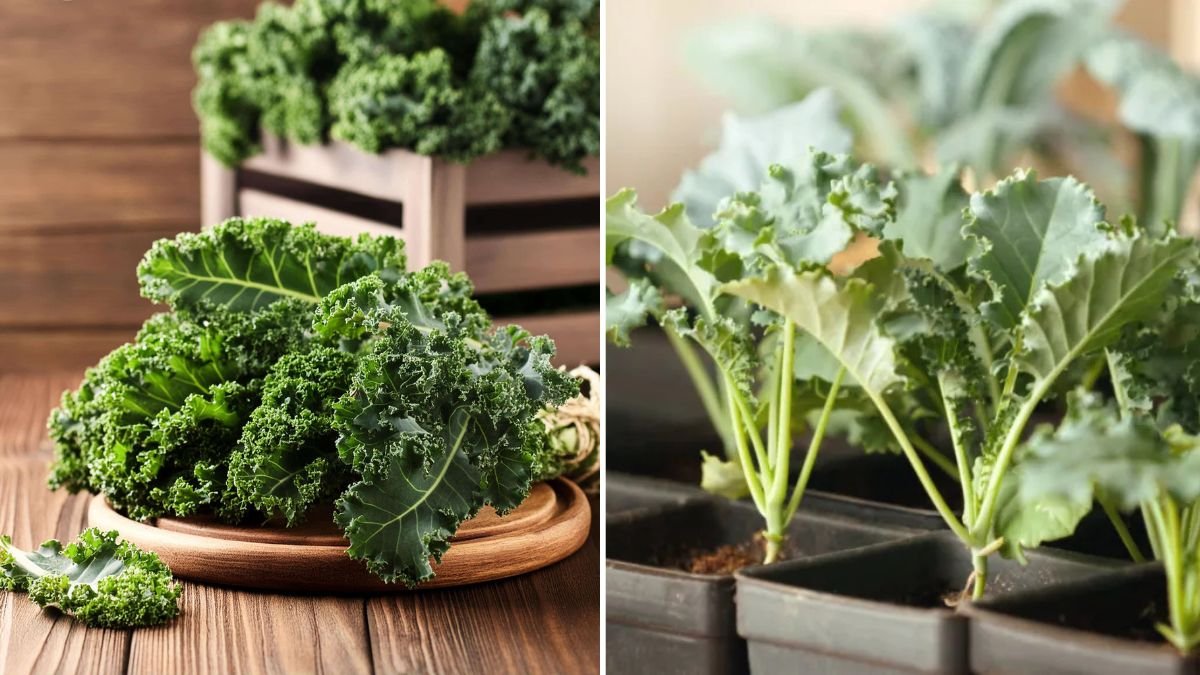
When it comes to superfoods that pack a punch, kale reigns supreme. This dark, leafy green has captured America’s attention for its exceptional nutrition, versatility, and unmistakable earthy flavor. From morning smoothies to crispy chips and hearty salads, kale is everywhere — and for good reason.
Once considered a humble farm crop, kale has now become a nutrition superstar on dinner tables, juice bars, and restaurant menus across the United States. In this 1200-word article, we’ll explore everything about kale — what makes it a superfood, its powerful health benefits, the best ways to cook it, and why every American kitchen needs it.
1. What Is Kale?
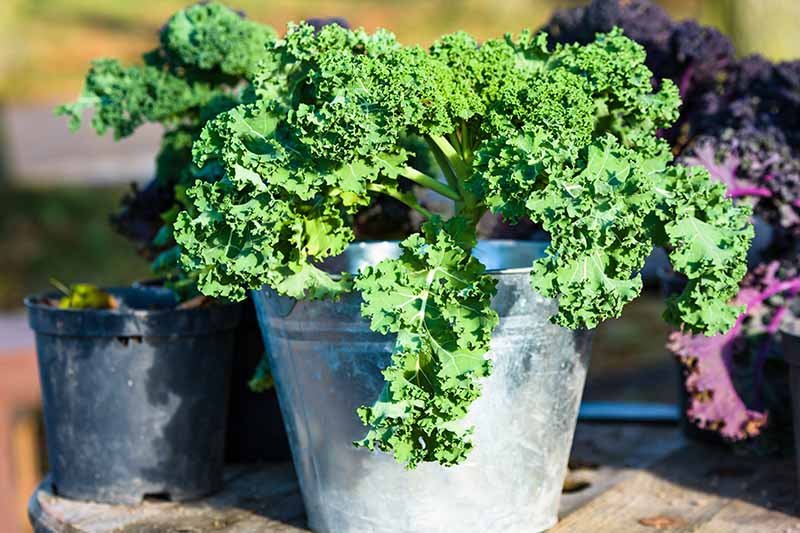
Kale (scientifically known as Brassica oleracea) belongs to the same plant family as broccoli, cabbage, and Brussels sprouts. It’s a hardy, cold-tolerant vegetable that thrives in many parts of the U.S., making it a local favorite among farmers and home gardeners.
This leafy green is available in several varieties, including:
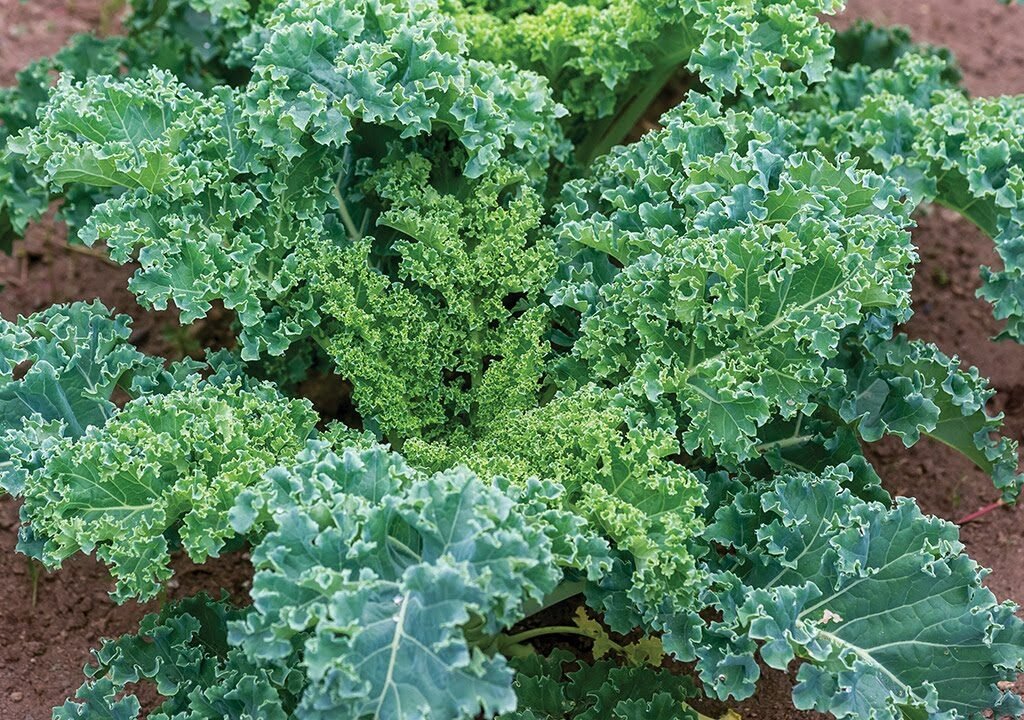
- Curly Kale: The most common type found in supermarkets, with frilly edges and a peppery bite.
- Lacinato Kale (Dinosaur Kale): Deep green leaves with a slightly sweeter, nutty flavor.
- Red Russian Kale: Tender, flat leaves with reddish stems, great for salads and sautéing.
- Baby Kale: Young leaves that are tender and mild, perfect for raw dishes.
Each variety has its unique flavor and texture, but they all share the same nutrient-dense profile that makes kale a go-to for health enthusiasts across America.
2. The Nutritional Powerhouse of Kale
Kale isn’t just trendy — it’s one of the most nutrient-rich foods on the planet. One cup of raw kale (about 67 grams) provides an astonishing amount of vitamins and minerals for very few calories.
Here’s a quick look at kale’s nutritional breakdown:

- Calories: 33
- Protein: 3 grams
- Fiber: 2.5 grams
- Vitamin A: Over 200% of the Daily Value (DV)
- Vitamin C: 134% of the DV
- Vitamin K: 684% of the DV
- Calcium, Potassium, and Magnesium: Essential minerals for bones and muscles
- Antioxidants: Lutein, zeaxanthin, quercetin, and kaempferol
Kale is also a great plant-based source of iron and omega-3 fatty acids, making it ideal for vegans and vegetarians who want to boost their nutrition naturally.
3. Top Health Benefits of Kale
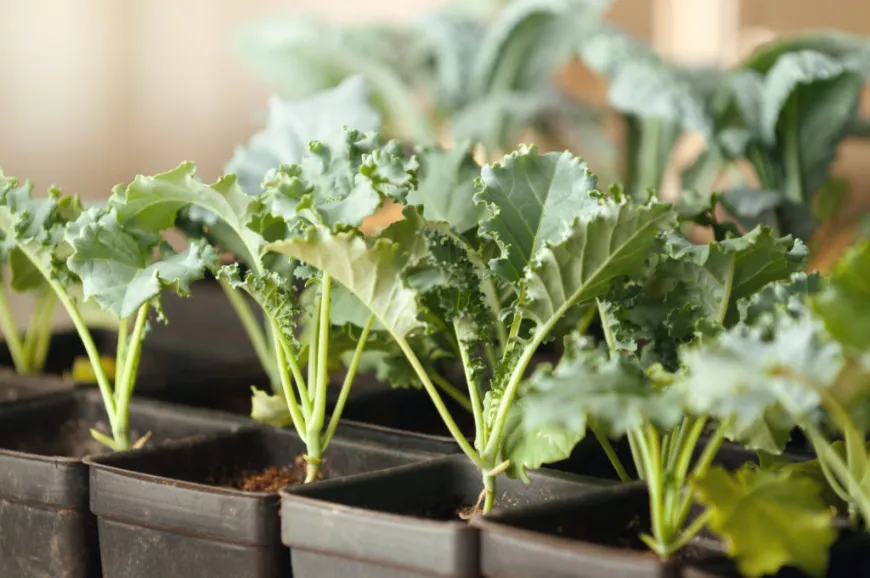
The phrase “eat your greens” makes perfect sense when it comes to kale. Regularly including kale in your diet can have profound effects on your health — from glowing skin to a stronger heart.
a) Strengthens Immunity
Kale’s high vitamin C and antioxidant content supports the immune system, helping your body fight off colds, infections, and inflammation.
b) Promotes Heart Health
Kale’s fiber helps lower cholesterol by binding with bile acids in the digestive system, which can reduce the risk of heart disease. Its potassium content also supports healthy blood pressure.
c) Supports Bone Health
Kale is rich in vitamin K, which plays a critical role in bone formation and calcium absorption. Just one cup of kale provides over six times your daily vitamin K requirement.
d) Aids in Weight Loss
Low in calories and high in fiber, kale helps you feel full longer, reducing the urge to snack. It’s a staple ingredient in many American weight-loss diets.
e) Detoxifies the Body
Kale contains sulfur and chlorophyll, both known for their detoxifying properties. They help the liver eliminate toxins, making kale a favorite in cleansing juices and detox smoothies.

f) Improves Eye Health
The carotenoids lutein and zeaxanthin found in kale protect your eyes from harmful UV rays and reduce the risk of age-related macular degeneration.
4. Kale in American Cuisine: From Trendy to Timeless
Kale has become a culinary star across the United States, evolving from a health trend to a permanent pantry staple. Its versatility allows it to shine in a wide range of dishes — raw, cooked, blended, or baked.
Here are some delicious ways Americans are enjoying kale:
a) Kale Smoothies
Blending kale with fruits like banana, apple, or pineapple makes for a refreshing and nutrient-packed breakfast smoothie.
b) Kale Salads
Massage kale leaves with olive oil and lemon juice to soften them. Add quinoa, roasted nuts, avocado, or cranberries for a colorful, hearty salad.
c) Sautéed Kale
Quickly sauté chopped kale with garlic and olive oil for a side dish that complements grilled meats, fish, or tofu.
d) Kale Chips
Toss kale leaves with olive oil and sea salt, then bake them until crispy. A guilt-free, crunchy snack that’s high in fiber and flavor.

e) Kale Soups and Stews
Add kale to soups and stews for extra nutrients and texture. It pairs beautifully with beans, lentils, and root vegetables.
f) Kale Pesto
Replace basil with kale in your pesto recipe. Blend it with olive oil, nuts, Parmesan cheese, and garlic for a rich, earthy sauce.
5. Growing Kale at Home
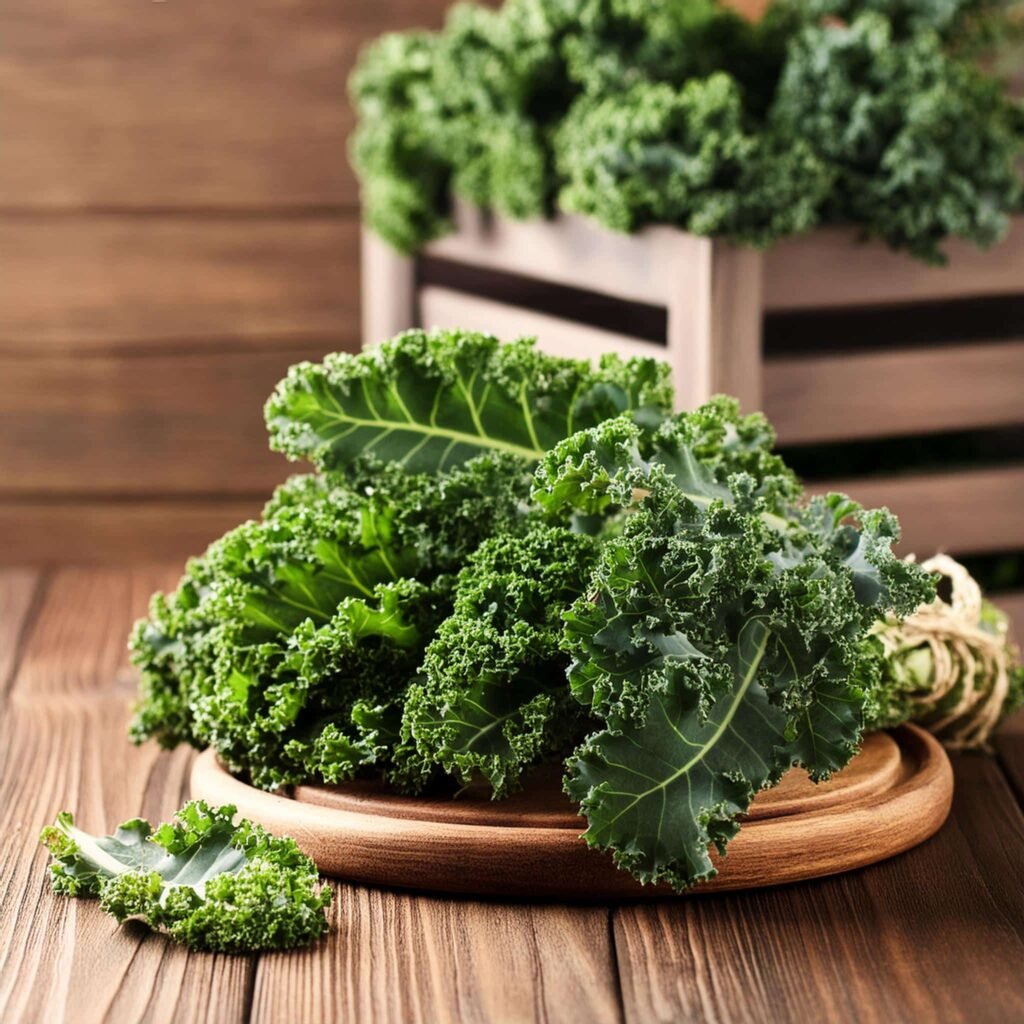
Kale is one of the easiest greens to grow in American gardens, even for beginners. It thrives in cooler climates but can adapt to different conditions.
Here’s how to grow kale successfully:
- Choose the Right Variety: Curly kale is great for most U.S. regions.
- Soil Preparation: Use nutrient-rich, well-draining soil with a slightly acidic pH (6.0–6.8).
- Planting: Sow seeds directly in the ground or start indoors and transplant later. Keep spacing around 12–18 inches apart.
- Sunlight: Kale needs at least 6 hours of sunlight daily.
- Watering: Keep soil moist but not soggy.
- Harvesting: Pick outer leaves when they reach 8–10 inches long. The plant will keep producing new leaves for weeks.
Pro Tip: Kale’s flavor actually improves after a light frost — the cold turns some of its starches into natural sugars, making it sweeter.
6. Storage and Preparation Tips
Fresh kale can last up to a week in the refrigerator if stored correctly.
To keep it fresh:

- Wrap in a paper towel and store in a plastic or reusable produce bag.
- Wash only before use to prevent wilting.
- For long-term storage, blanch and freeze kale in airtight containers.
When preparing kale, always remove the tough stems before cooking or eating raw. This ensures a tender texture and better flavor balance.
7. Kale in American Health Trends
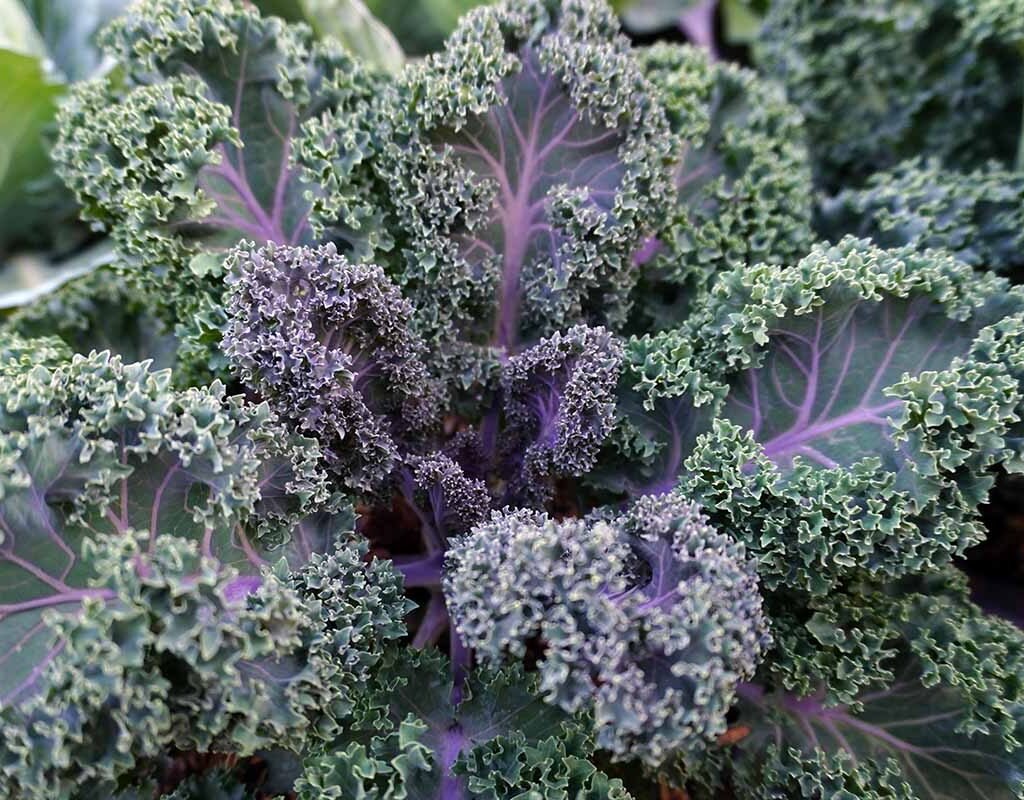
Kale’s rise to fame wasn’t accidental. It became the poster child of America’s health revolution — symbolizing clean eating, plant-based diets, and sustainable living.
Kale in Smoothie Bars and Cafés
Across cities like New York, Los Angeles, and Austin, kale has become a staple in green juices and power bowls. It’s the star of “supergreen” blends, often paired with spinach, apple, and ginger.
Kale in Vegan and Keto Diets
For those following plant-based or low-carb lifestyles, kale offers essential nutrients without excess carbs or fat. It’s also a key ingredient in vegan Caesar salads and keto-friendly wraps.
Kale in Farm-to-Table Cooking
With the growth of local farming movements, American chefs now prefer fresh kale sourced directly from local farms, adding authenticity and sustainability to their menus.
8. Fun Facts About Kale
- Kale has been cultivated for over 2,000 years and was a staple in ancient Roman and Greek diets.
- During World War II, the U.K. promoted kale as a victory garden crop for its nutrition and easy growth.
- National Kale Day is celebrated in the U.S. every first Wednesday of October.
- Celebrities like Gwyneth Paltrow and Jennifer Aniston helped popularize kale smoothies in Hollywood’s wellness culture.
9. Common Kale Myths — Busted
Despite its popularity, kale has its share of myths. Let’s clear a few up:
- Myth: Kale tastes too bitter.
Truth: Baby kale and frost-touched kale are mild and slightly sweet. Massaging the leaves or cooking them reduces bitterness. - Myth: Kale causes thyroid problems.
Truth: Only excessive raw kale consumption may affect thyroid function due to goitrogens. Cooking neutralizes these compounds completely. - Myth: Kale is hard to digest.
Truth: When cooked or blended properly, kale is gentle on the stomach and supports healthy digestion due to its fiber content.
10. Why Kale Belongs in Every American Kitchen
Kale isn’t just another food trend — it’s a timeless supergreen that supports modern American lifestyles. It’s nutrient-dense, affordable, locally grown, and endlessly adaptable to different diets.

Whether you’re blending it into smoothies, baking it into chips, or tossing it into salads, kale delivers robust flavor and powerful nutrition. It’s a vegetable that supports health goals — from heart wellness and detoxification to glowing skin and strong bones.
So, next time you’re at the grocery store or farmer’s market, don’t walk past that bunch of curly green leaves. Bring home some kale, and unlock the potential of this ultimate American superfood.