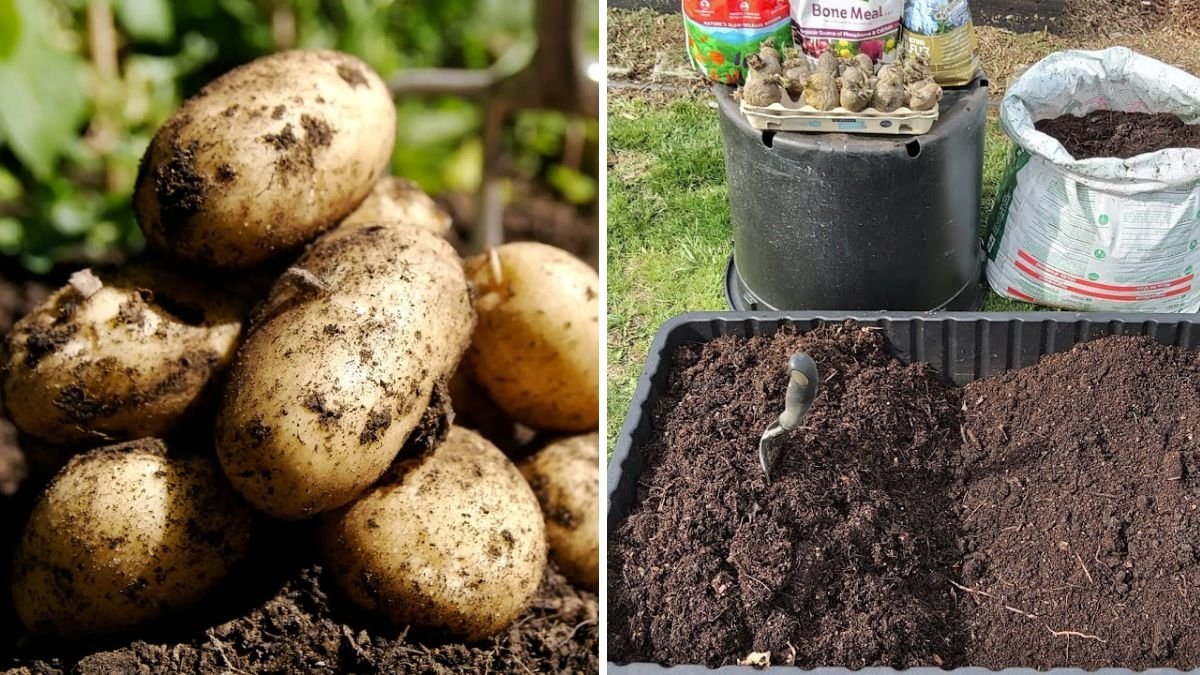
When it comes to classic potato varieties that have stood the test of time, few names carry as much prestige as the King Edward potato. Known for its creamy texture, slightly nutty flavor, and beautiful pink-eyed skin, this heirloom variety has been adored in the United Kingdom for over a century—and it’s quickly gaining popularity among American home gardeners and chefs looking for both taste and versatility.
Whether you’re a backyard grower in Oregon, a farmer in Idaho, or a home cook in New York, King Edward potatoes bring something special to the table. They’re not only excellent for roasting, mashing, or baking but also a rewarding crop to grow in your home garden.
In this guide, we’ll explore the origin, growing tips, culinary uses, and health benefits of this heritage spud—plus some expert advice to make your King Edward crop thrive in American soil.
1. The Royal Heritage: Where King Edward Potatoes Came From
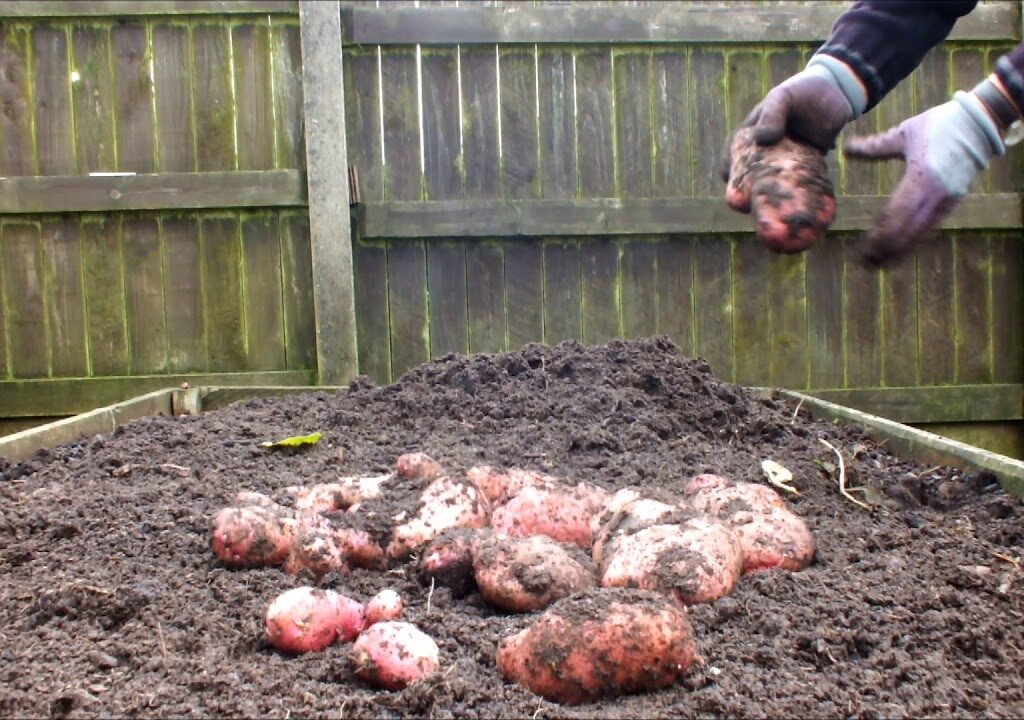
The King Edward potato traces its roots back to 1902 in England, named to celebrate the coronation of King Edward VII. This variety became famous for its superior cooking quality and distinctive skin pattern—creamy white with a faint pink blush.
Today, the King Edward is considered a heritage potato, meaning it’s been grown and preserved for generations. While newer hybrids dominate modern farms, food enthusiasts in the U.S. are rediscovering the authentic flavor and charm of this old-world potato.
Its balance of fluffiness and structure makes it ideal for classic American comfort foods—think creamy mashed potatoes, golden oven fries, and crispy roast potatoes with a buttery crunch.
2. Why American Gardeners Love King Edward Potatoes
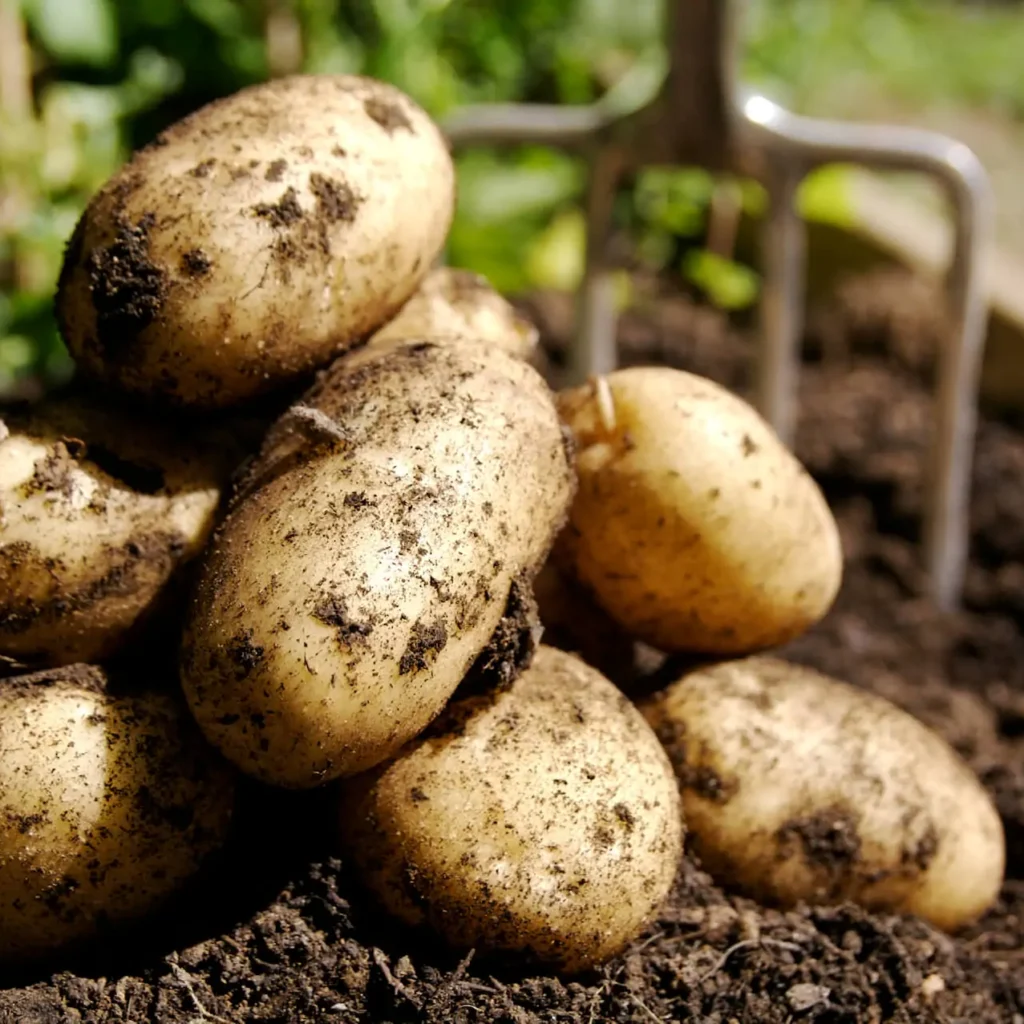
King Edward potatoes thrive in cooler climates, making them well-suited for regions across the northern U.S.—from Washington and Maine to Michigan and Colorado. Even in southern areas, you can grow them during cooler months.

Here’s why they’re becoming a favorite among home gardeners:
- Great Yield: One seed potato can produce up to 10–12 medium tubers.
- Disease Resistance: Naturally resistant to scab and certain blights.
- Easy to Grow: Perfect for raised beds, grow bags, or open fields.
- Excellent Flavor: Slightly earthy with a buttery note—an instant hit at the dinner table.
Whether you’re growing for your own kitchen or selling at local farmers’ markets, King Edward potatoes deliver both in flavor and presentation.
3. How to Grow King Edward Potatoes in the U.S.
Growing these royal potatoes is easier than you might think. Follow these step-by-step gardening tips to ensure a healthy and abundant harvest.
Step 1: Choose Certified Seed Potatoes
Start with certified disease-free seed potatoes from a reputable nursery or garden center. Avoid planting store-bought potatoes, which are often treated to prevent sprouting.
Cut large seed potatoes into chunks about the size of a golf ball, making sure each piece has at least one “eye.”
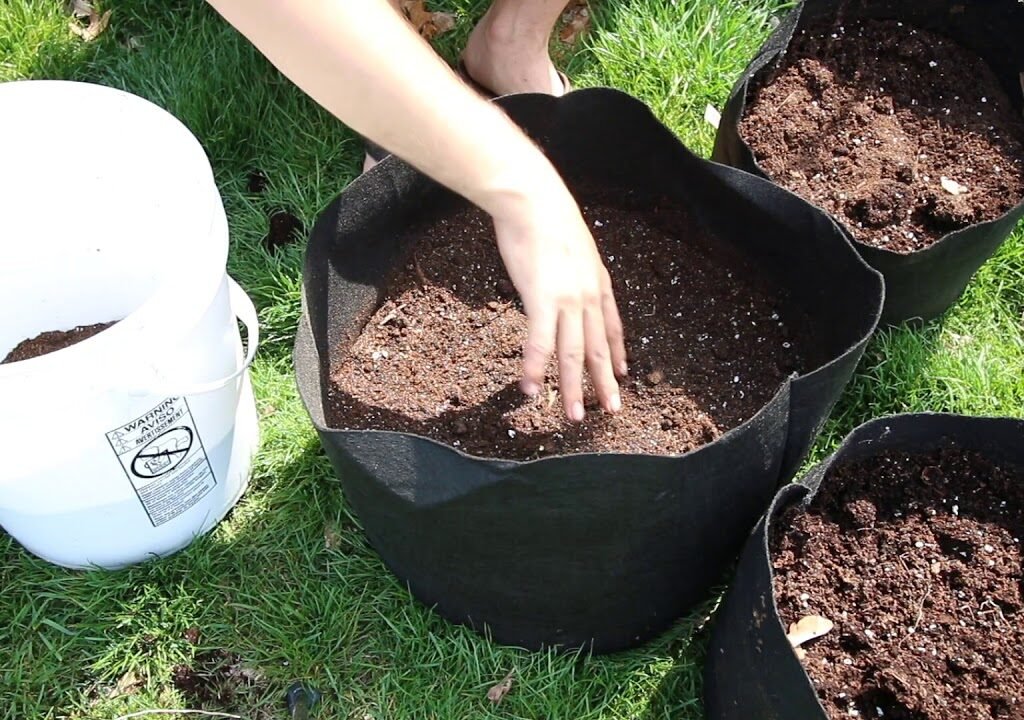
Step 2: Prepare the Soil
King Edward potatoes prefer loamy, well-drained soil with a slightly acidic pH (around 5.5–6.0). Add compost or aged manure to enrich the soil before planting.
Loosen the soil to about 10 inches deep to help tubers expand freely.

Step 3: Planting
Plant the seed pieces about 4 inches deep and 12 inches apart, with rows spaced around 24–30 inches apart.
In warmer regions, plant in early spring; in cooler areas, wait until after the last frost.
Step 4: Hilling and Watering
Once shoots reach 6 inches tall, gently mound soil around the stems—this is called hilling. Repeat every 2–3 weeks to protect developing tubers from sunlight (which turns them green and bitter).
Keep the soil consistently moist but not waterlogged. Deep watering once a week usually works best.
Step 5: Harvesting
King Edward potatoes are typically ready in 15–18 weeks after planting. When the foliage starts to yellow and die back, stop watering for a week before harvesting.
Gently lift the potatoes with a garden fork, taking care not to bruise them. Let them cure in a cool, dry, dark spot for a few days before storage.
4. The Culinary Magic of King Edward Potatoes
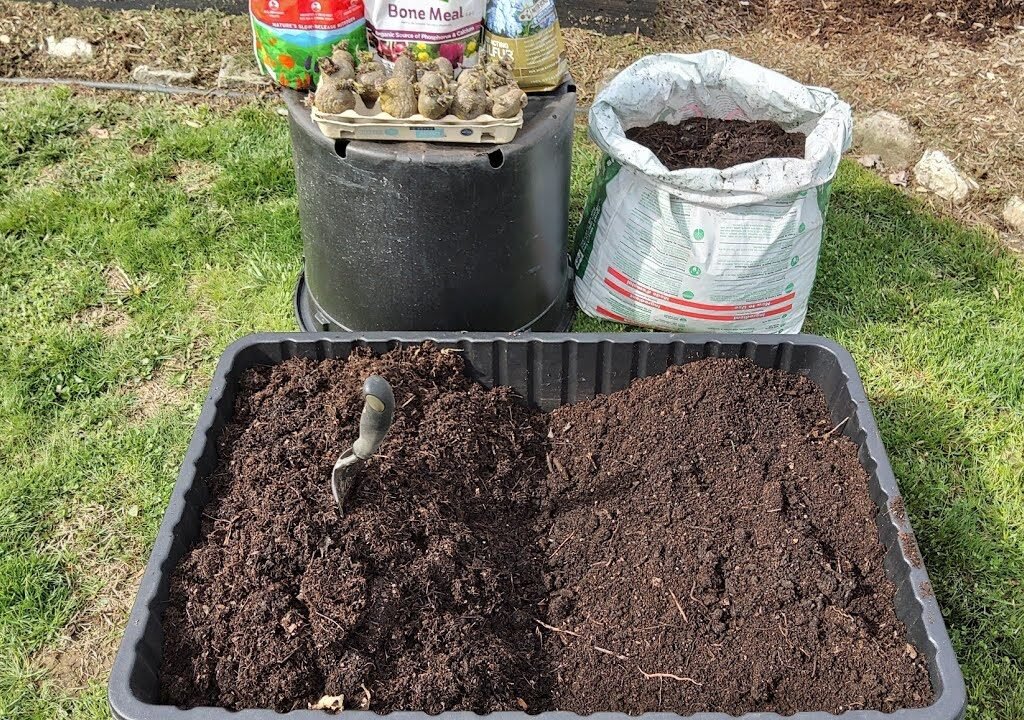
King Edward potatoes are cherished by chefs for their creamy, fluffy texture that works beautifully in a variety of dishes. Their medium starch content allows them to crisp on the outside while staying soft inside—perfect for both traditional and modern American recipes.

Here are some delicious ways to use them:
1. Classic Mashed Potatoes
Their natural creaminess means you need less butter or cream. Boil, mash, and season with salt, pepper, and a touch of garlic for a light, fluffy mash that pairs beautifully with grilled meats or holiday roasts.
2. Oven-Roasted King Edward Potatoes
Cut into chunks, toss with olive oil, rosemary, and sea salt, and roast until golden brown. Their crisp exterior and buttery inside make them irresistible.
3. Potato Soups and Chowders
Add King Edward potatoes to creamy soups or clam chowder. They hold their shape while blending smoothly for thick, hearty textures.
4. Homemade Fries or Wedges
When parboiled first, King Edward potatoes make some of the crispiest homemade fries you’ll ever taste. Ideal for game days or family dinners.
5. Shepherd’s Pie or Casseroles
Use mashed King Edward potatoes as a topping for shepherd’s pie or vegetable casseroles for that golden, comforting crust.
5. Nutritional Benefits of King Edward Potatoes
Don’t let their indulgent flavor fool you—King Edward potatoes are packed with nutrients. Each serving offers:

- Vitamin C: Boosts immunity and collagen production.
- Potassium: Supports muscle and heart health.
- Dietary Fiber: Aids digestion and helps control cholesterol.
- Complex Carbohydrates: Provides long-lasting energy without spikes in blood sugar.
They’re naturally low in fat and cholesterol-free, making them a healthy addition to any balanced diet—especially when prepared without heavy frying or excess butter.
6. Tips for Storing and Preserving King Edward Potatoes
Proper storage helps maintain freshness and flavor long after harvest. Follow these best practices:
- Store in a cool, dark place (ideally around 45°F).
- Avoid plastic bags—use burlap or paper sacks for ventilation.
- Keep away from onions, which release gases that can spoil potatoes.
- Inspect regularly and remove any sprouting or soft ones.
Under the right conditions, King Edward potatoes can stay fresh for up to 3 months.
7. Fun Facts About King Edward Potatoes
- King Edward is one of the oldest surviving named potato varieties in the world.
- It’s a favorite for Christmas and Thanksgiving dinners in both the U.K. and the U.S.
- Famous British chefs like Gordon Ramsay and Jamie Oliver have called it the “ultimate roast potato.”
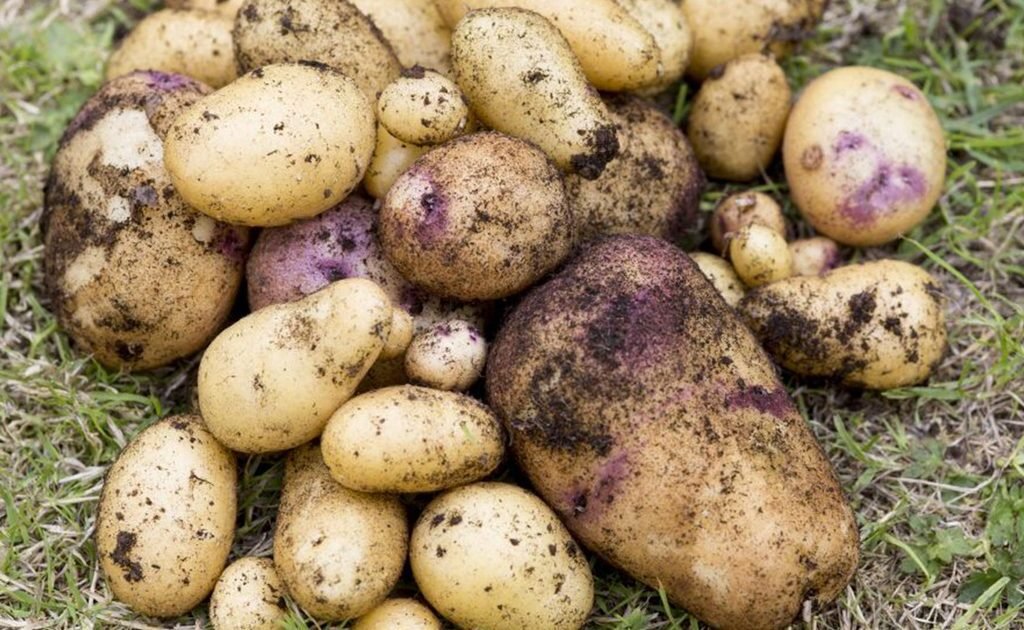
- Its pink-eyed skin gives it a distinctive royal appearance on market shelves.
8. Where to Buy King Edward Potatoes in the U.S.
As demand grows, King Edward seed potatoes are becoming easier to find online and in specialty garden centers. Some reliable sources include:
- Johnny’s Selected Seeds (Maine)
- Gurney’s Seed & Nursery Co. (Nebraska)
- Seed Savers Exchange (Iowa)
- Amazon Gardening Store
Always look for certified, organic, or non-GMO varieties for the best quality.
Conclusion: A Royal Addition to Every American Garden and Kitchen
The King Edward potato isn’t just a crop—it’s a culinary legend. Its perfect texture, rich flavor, and elegant look have earned it a permanent place in both garden beds and gourmet kitchens.
Whether you’re roasting them for Thanksgiving, mashing them for a family dinner, or growing them as part of your sustainable home garden, King Edward potatoes bring timeless charm and taste to every meal.

So this planting season, give your soil a royal treat—grow King Edward potatoes and enjoy the rewards of flavor, nutrition, and a little bit of history right on your plate.

Leave A Comment