In recent years, lettuce mixes have transformed from a simple salad base into a vibrant culinary staple in American households, restaurants, and farmers’ markets. Gone are the days of boring iceberg lettuce — today’s lettuce blends bring color, texture, and nutrition to every bowl. Whether you’re crafting a hearty lunch, a gourmet side dish, or a quick grab-and-go meal, mixed lettuces make healthy eating effortless and exciting.
From crisp romaine and tender butterhead to spicy arugula and red oakleaf, mixed greens offer variety in taste and nutrients that single-type salads simply can’t match. They’re easy to grow, even easier to prepare, and perfect for the modern American lifestyle focused on freshness, flavor, and convenience.
In this detailed guide, we’ll explore everything about lettuce mixes — their varieties, nutritional benefits, growing tips, and creative ways to use them in your everyday meals.
1. What Are Lettuce Mixes?
Lettuce mixes, often labeled as “spring mix,” “mesclun,” or “baby greens,” are blends of several lettuce varieties (and sometimes herbs or edible greens). They’re designed to deliver a balance of flavors (sweet, bitter, spicy) and textures (crisp, tender, crunchy) in one ready-to-eat package.
In American grocery stores, popular blends include combinations of:
- Romaine – crisp and slightly sweet
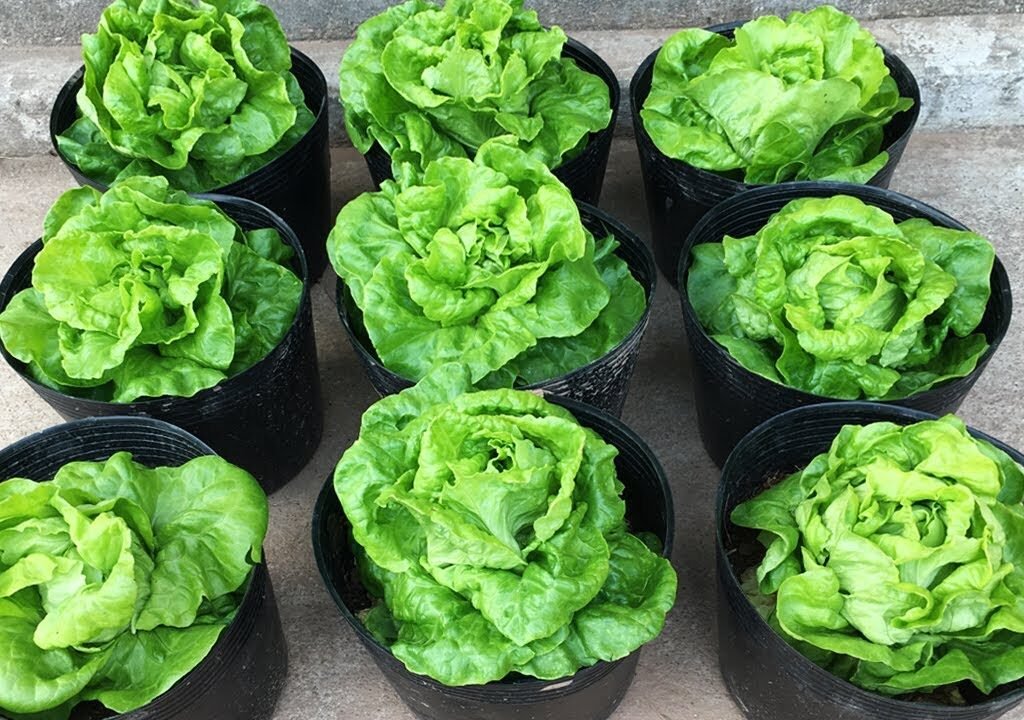
- Butterhead (Boston or Bibb) – soft and buttery
- Oakleaf – delicate and mild
- Lollo Rosso – curly and slightly bitter
- Red Leaf Lettuce – colorful and tender
- Arugula – peppery and bold
- Frisée or Endive – slightly bitter with curly edges
These blends cater to diverse palates and are ideal for Americans who want restaurant-quality salads at home without the prep time.
2. The Popularity of Lettuce Mixes in the U.S.
In the U.S., lettuce mixes have become a $3+ billion industry, driven by consumer demand for healthier, convenient, and visually appealing foods. According to the USDA, leafy greens are among the most purchased vegetables nationwide, especially pre-washed bagged mixes available in supermarkets.

The reasons for their growing popularity include:
- Convenience: Pre-washed and ready to serve.
- Health Focus: Low in calories but rich in vitamins, fiber, and antioxidants.
- Visual Appeal: Bright colors and varied textures make salads more appetizing.
- Flavor Diversity: Combines mild, bitter, and spicy leaves for balanced taste.
- Sustainability: Often grown locally and harvested young, reducing environmental impact.
For busy Americans balancing work and wellness, lettuce mixes are the perfect shortcut to nutritious meals.
3. The Health and Nutritional Benefits of Lettuce Mixes
Each variety in a lettuce mix contributes its own unique nutrients, creating a super-blend of vitamins and minerals that supports a healthy diet.
Here’s why adding lettuce mixes to your meals is one of the easiest ways to boost your wellness:
| Nutrient | Health Benefit | Best Lettuce Source |
|---|---|---|
| Vitamin A | Supports eye health and immune function | Romaine, Red Leaf |
| Vitamin K | Aids bone strength and blood clotting | Green Leaf, Butterhead |
| Folate | Essential for cell growth and metabolism | Bibb, Romaine |
| Vitamin C | Promotes collagen production and immunity | Arugula, Frisée |
| Fiber | Improves digestion and gut health | All types |
| Antioxidants | Protect cells from damage | Red and dark green varieties |
Because most lettuce mixes are low in calories and high in water content, they’re ideal for weight management, hydration, and heart health.
4. Growing Lettuce Mixes in Your Home Garden
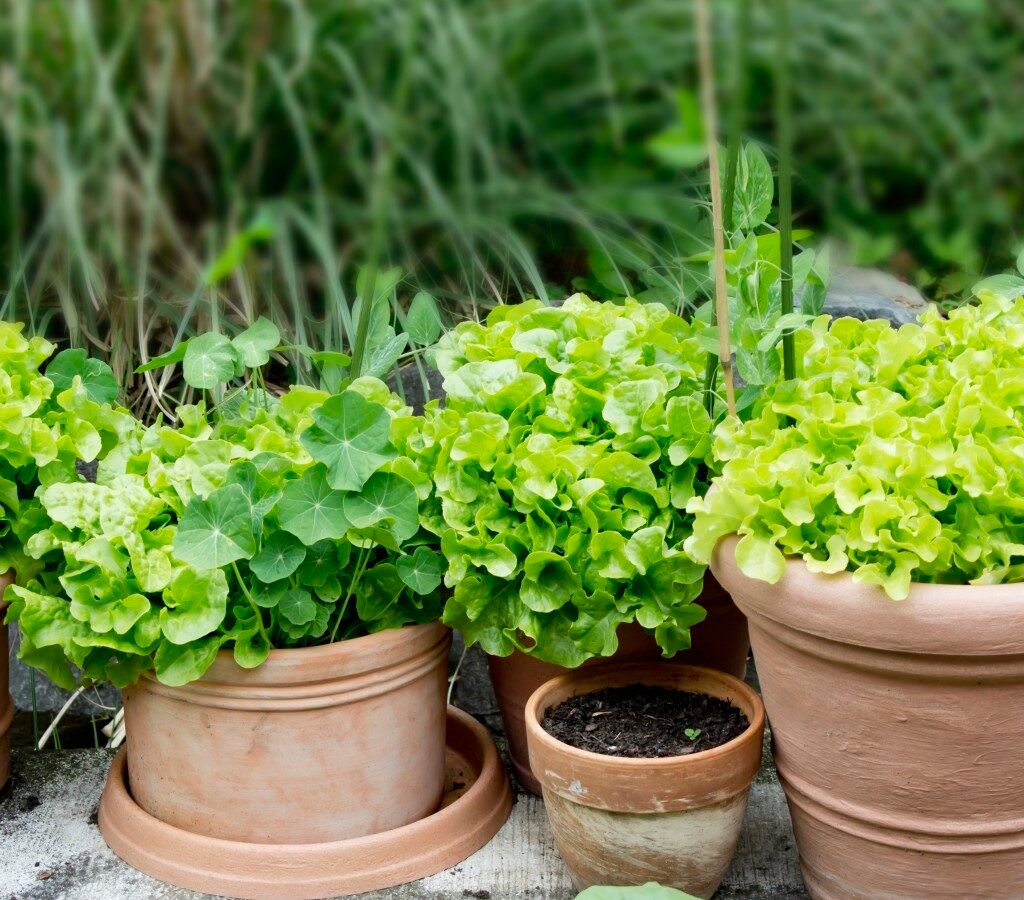
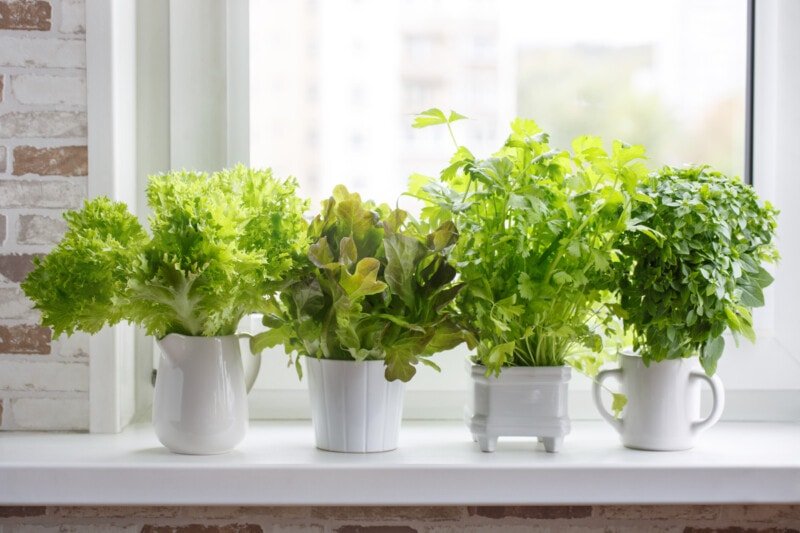
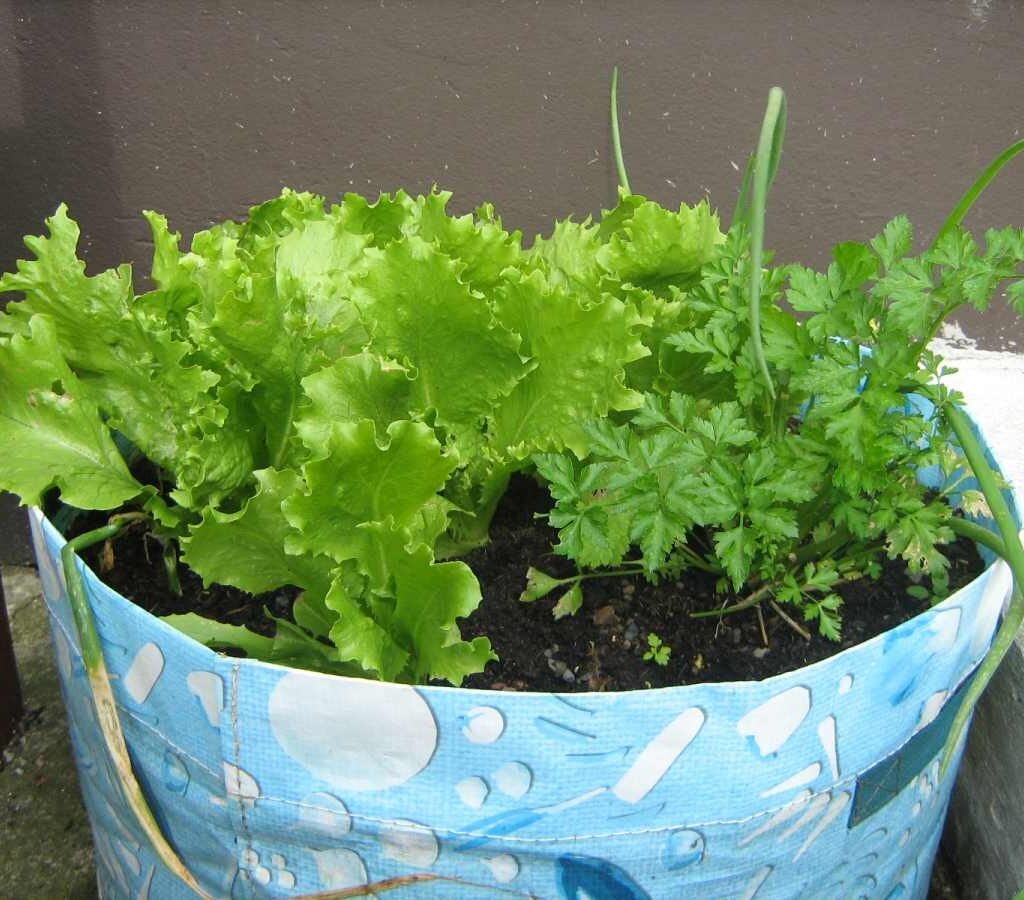
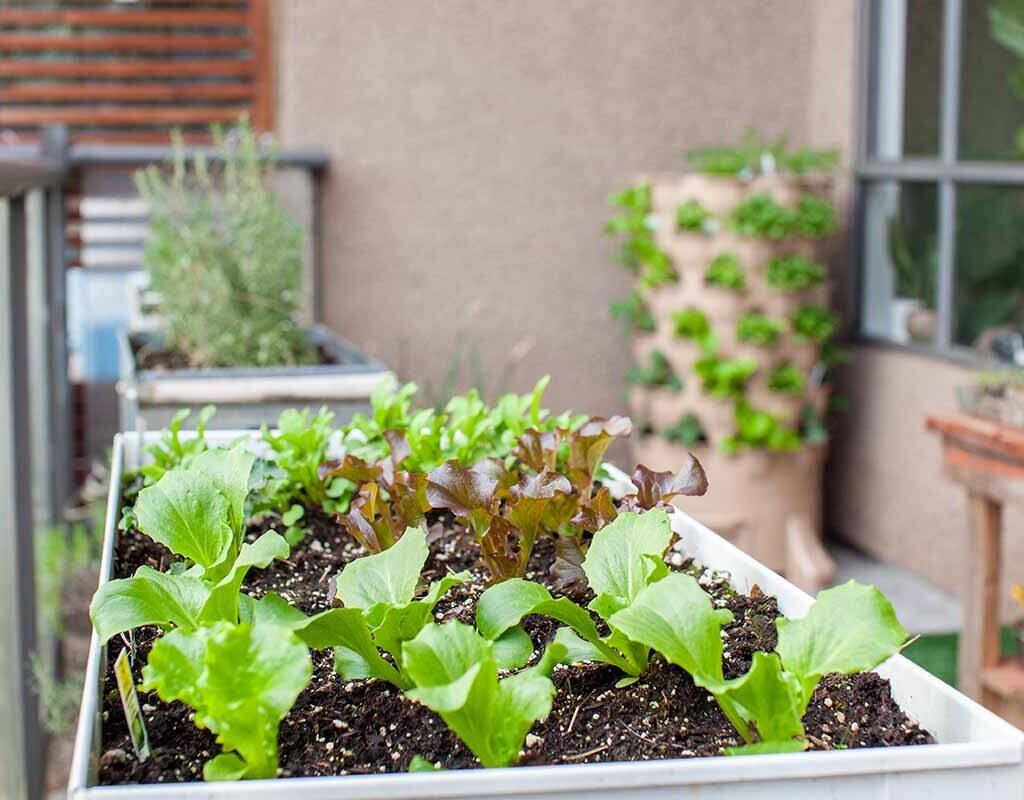
Lettuce mixes aren’t just a grocery store convenience — they’re also one of the easiest crops to grow in American home gardens. Whether you have a backyard plot, balcony planters, or small containers, lettuce thrives in cool weather and grows quickly.
Step-by-Step Guide to Growing Lettuce Mixes
1. Choose Your Seeds:
Opt for pre-blended “mesclun mix” seed packets or combine your own favorites like romaine, oakleaf, and arugula for a personalized blend.

2. Planting Time:
Lettuce prefers cool temperatures (45°F–75°F). In most U.S. regions, plant in early spring or fall for the best results.
3. Soil and Location:
Use well-drained, nutrient-rich soil with a pH between 6.0 and 7.0. Choose a sunny to partially shaded spot.
4. Sowing Seeds:
- Scatter seeds evenly and cover lightly with soil.
- Keep rows about 6–8 inches apart.
- Water gently to keep soil moist but not waterlogged.
5. Watering and Care:
Regular watering is crucial. Lettuce has shallow roots and dries quickly. Aim for consistent moisture, especially during warmer weather.
6. Harvesting:
Harvest young leaves in 3–4 weeks when they reach 3–4 inches tall. You can cut individual leaves or trim the entire patch about an inch above the soil to allow regrowth.
Pro Tip: For a continuous supply, succession plant every two weeks during the growing season.
5. The Best Lettuce Mix Varieties for American Gardens
For those growing their own blends, consider these popular lettuce types that perform well across U.S. climates:

- Green Oakleaf – Soft texture, mild flavor, easy to grow.
- Red Romaine – Adds color and a slightly sweet crunch.
- Lollo Rosso – Deep red curls that hold dressing beautifully.
- Butterhead – Smooth, buttery texture; great for wraps.
- Arugula – Peppery bite for contrast.
- Endive or Frisée – Adds bitterness and volume.
Blending these creates the perfect mix of taste, color, and nutrition for fresh salads straight from your garden.
6. Lettuce Mixes and Sustainable Eating in America
The growing interest in local, organic, and sustainable produce has propelled lettuce mixes into the spotlight. Many small farms and home gardeners now produce eco-friendly greens that use minimal pesticides and water.
Here’s how lettuce mixes support sustainability:
- Short Growth Cycle: Harvest-ready in just 30 days, reducing resource use.
- Low Carbon Footprint: Often grown close to markets or at home.
- Water-Efficient: Require less water than many fruiting vegetables.
- Zero Waste: Even imperfect leaves can be composted.
For eco-conscious Americans, growing or buying local lettuce mixes aligns perfectly with farm-to-table and clean eating trends.
7. Delicious Ways to Use Lettuce Mixes in Your Kitchen
Lettuce mixes aren’t limited to salads — they can enhance all kinds of American dishes, from sandwiches to smoothies. Here are creative and nutritious ways to use them:
1. Classic Garden Salad
Toss a mix of greens with cherry tomatoes, cucumbers, avocado, and a light vinaigrette for a refreshing side.
2. Protein Power Bowl
Combine grilled chicken, quinoa, mixed lettuce, roasted chickpeas, and a lemon tahini dressing for a balanced, high-protein meal.

3. Lettuce Wraps
Use large butterhead or romaine leaves as low-carb wraps filled with sautéed veggies or ground turkey.
4. Smoothie Booster
Blend baby lettuce and spinach with pineapple, banana, and almond milk for a nutrient-packed green smoothie.
5. Sandwich and Burger Base
Layer lettuce mixes on burgers, wraps, and sandwiches for a crisp bite and extra vitamins.
6. Grilled Salad
Lightly char romaine or red leaf lettuce on the grill for a smoky twist — a trending favorite in American summer barbecues.
7. Soup Garnish
Add a handful of chopped greens to soups right before serving for extra freshness and color.
The versatility of lettuce mixes makes them an easy way to incorporate more greens into your diet while keeping meals exciting and satisfying.
8. How to Store Lettuce Mixes for Maximum Freshness
To keep your lettuce mixes fresh and crisp, proper storage is key:

- Refrigerate Immediately: Store in a perforated plastic bag or sealed container in the crisper drawer.
- Avoid Excess Moisture: Wrap leaves in a paper towel to absorb extra humidity.
- Optimal Temperature: Keep between 34°F and 40°F.
- Shelf Life: Fresh mixes last about 5–7 days when stored properly.
Pro Tip: Wash only before eating, not before storage — moisture accelerates spoilage.
9. Lettuce Mixes and American Culinary Trends
From California cafés to New York delis, lettuce mixes have become a centerpiece in the American healthy eating movement. They align perfectly with today’s top food trends:
- Meal Prep Revolution: Easy to portion into grab-and-go containers.
- Plant-Based Diets: Ideal for vegans and vegetarians.
- Gourmet Home Dining: Mixed greens elevate any dish with restaurant-style presentation.
- Organic Lifestyle: Increasing demand for pesticide-free, locally grown greens.
Chefs and home cooks alike embrace lettuce mixes as a foundation for creativity — combining fresh produce, lean proteins, and vibrant dressings to craft nutrient-rich, Instagram-worthy meals.
10. Fun Facts About Lettuce Mixes
- “Mesclun” originates from Provence, France, meaning “mixture.”
- Lettuce was once considered a medicinal herb by ancient Romans.
- Americans consume over 13 pounds of lettuce per person per year.
- The darker the leaves, the higher the nutrient content.
- Lettuce is 95% water — making it one of the most hydrating vegetables.
Conclusion: Freshness and Flavor in Every Bite
From garden beds to grocery aisles, lettuce mixes represent the perfect blend of nutrition, convenience, and taste. Their diverse textures and flavors make eating healthy feel indulgent, not restrictive. Whether you grow your own or grab a pre-mixed bag, these greens are a simple step toward a fresher, cleaner, and more sustainable lifestyle.
So next time you’re craving something light, crisp, and colorful, reach for a bowl of lettuce mix — the modern American answer to effortless health and gourmet flavor.