
If you’ve ever plucked a sun-ripened tomato straight from your garden, you know the joy that comes with growing your own food. The vibrant color, the burst of flavor, and the satisfaction of knowing it came from your own hands—nothing compares. But what if you could enjoy that experience every single month of the year?
That’s exactly what many home gardeners are now discovering—a simple, smart method to grow tomatoes year-round, even without a sprawling backyard or perfect weather. Inspired by the viral idea shared in the YouTube video titled “No Need to Buy Tomatoes Anymore. I Discovered the Secret to Growing Tomatoes All Year Round,” this guide dives deep into how you can recreate this success yourself.
Whether you live in a sunny tropical climate or face cold winters, there’s a way to keep your tomato supply fresh, steady, and delicious—all from your home.
Step 1: Choosing the Right Tomato Variety
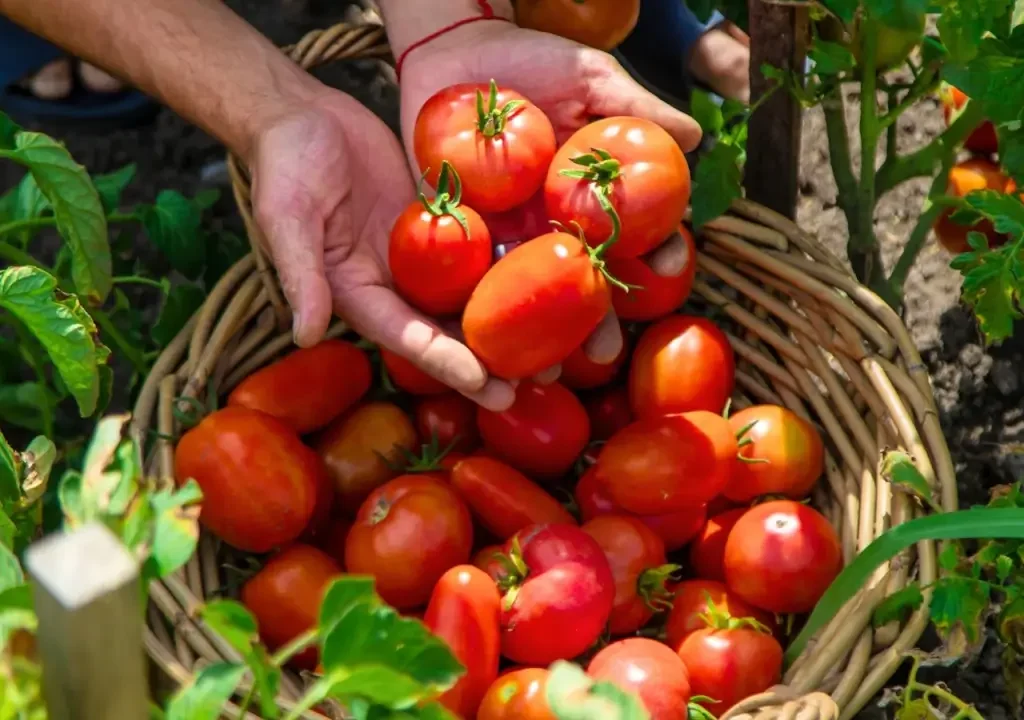
The first secret to year-round tomato growth is variety selection. Not all tomatoes are built for continuous production. Some thrive only during specific seasons, while others are perfect for container and indoor growing.
Here are some tried-and-true options that perform exceptionally well indoors or under controlled environments:
- Cherry Tomatoes: Compact, fast-growing, and highly productive. Varieties like Tiny Tim and Sweet 100 are perfect for pots and balconies.
- Roma (Plum) Tomatoes: Excellent for sauces and canning; they grow well in containers with enough sunlight.
- Patio or Dwarf Varieties: Designed for limited spaces, these plants produce abundantly in small pots or grow bags.
When starting your year-round tomato journey, look for determinant or semi-determinate varieties—these are easier to manage in confined spaces and yield consistently.

Step 2: Setting Up Your Growing Space
The beauty of this “no-need-to-buy-tomatoes” method is its flexibility. You don’t need a garden bed—just creativity and the right setup.
Here are three popular growing options:
1. Container Gardening:
Use 12–15 inch deep containers or grow bags. Ensure they have proper drainage holes. Fill them with a well-aerated potting mix—a blend of compost, coco peat, and perlite is ideal.
2. Hydroponic System:
If you love tech-driven gardening, hydroponics is the future. Tomatoes grow faster in nutrient-rich water without soil, and you can control light and nutrition precisely.
3. Indoor Setup Near Windows or Under Grow Lights:
For colder climates, position your tomato plants near a south-facing window or use LED grow lights that provide full-spectrum light. Tomatoes need at least 8–10 hours of light daily to thrive and fruit continuously.
Step 3: Propagating Tomatoes the Smart Way
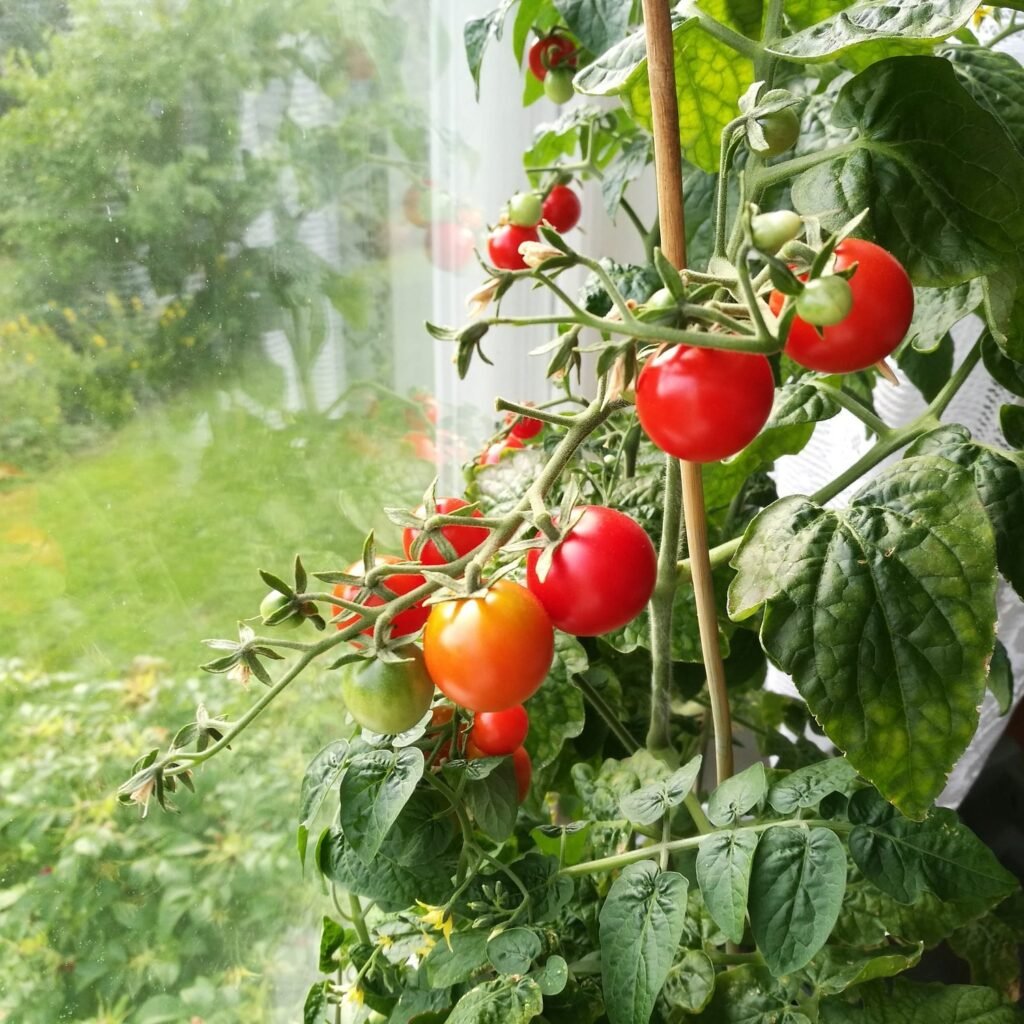
One of the biggest “secrets” revealed in the YouTube video is the propagation trick—you can grow new tomato plants from old ones, eliminating the need to buy new seedlings.

Here’s how it works:
- Cut a 6-inch stem from a healthy tomato plant.
- Remove the lower leaves, leaving only the top two or three.
- Place the cutting in water or directly into moist soil.
- Within a week, roots will begin to sprout.
This simple process lets you clone your healthiest plants and keep a continuous rotation growing all year. Once one plant begins to age or slow down in production, a new one can take its place.
Step 4: Maintaining Ideal Growing Conditions
Tomatoes are sun-loving plants, and while they’re adaptable, they need consistent conditions for continuous growth.
Here’s what to focus on:
- Temperature: Tomatoes thrive between 20°C to 28°C (68°F–82°F). Avoid cold drafts or extreme heat indoors.
- Humidity: Maintain around 50–70% humidity—too much can cause fungal issues, while too little affects fruiting.
- Soil Moisture: Keep the soil evenly moist, but not soggy. Water deeply once every 2–3 days, adjusting based on the environment.
- Fertilizer: Every two weeks, feed your plants with a balanced organic fertilizer rich in potassium and phosphorus for healthy flowering and fruiting.
A great DIY feed can be made using banana peel compost tea or eggshell powder, both excellent sources of natural nutrients.
Step 5: Pollination – The Hidden Key Indoors
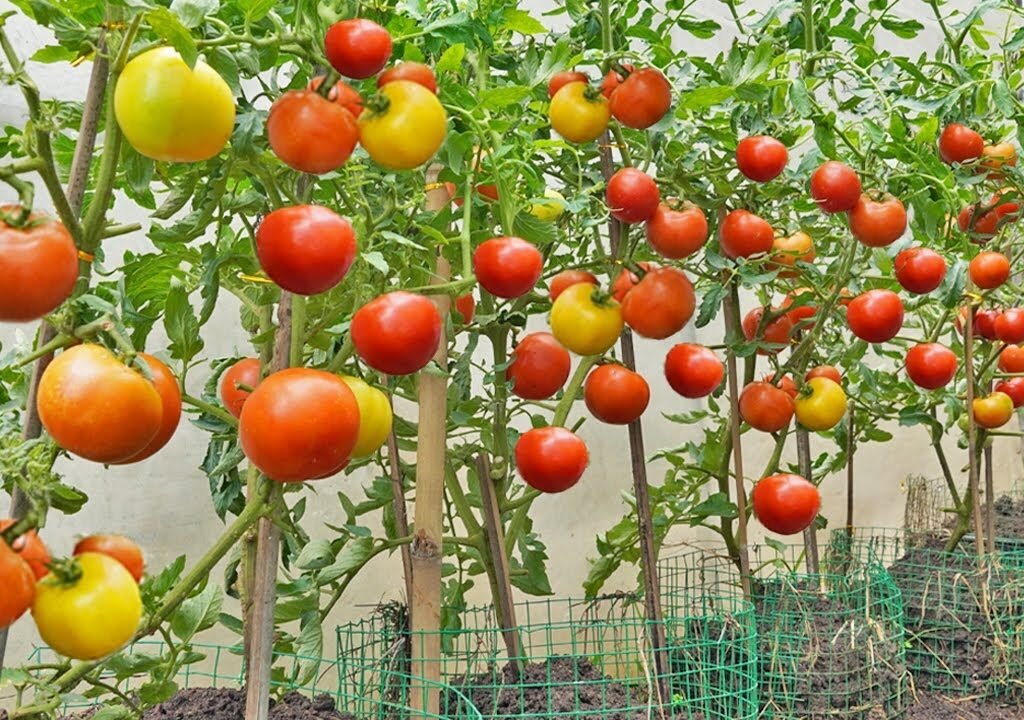
When growing tomatoes indoors or in enclosed setups, pollination can be tricky because bees and wind aren’t around to do the job. Luckily, there are simple ways to mimic nature’s work:

- Hand Pollination: Gently shake or tap the flowers to release pollen.
- Electric Toothbrush Method: Touch a vibrating toothbrush to the base of each flower—it simulates a bee’s buzz and improves pollination rates.
- Air Circulation: A small oscillating fan can help move pollen around and also prevent fungal growth.
This small daily habit ensures that your tomato plants continue to produce fruit even in the heart of winter.
Step 6: Pest and Disease Control Naturally
One concern about growing tomatoes indoors is pest management. Aphids, whiteflies, and fungus gnats can sometimes appear, especially in humid conditions.
Here are safe and effective natural remedies:
- Neem Oil Spray: Mix 1 tablespoon neem oil, a few drops of dish soap, and a liter of water. Spray weekly to deter pests.
- Garlic and Chili Spray: Acts as both an antifungal and insect repellent.
- Companion Plants: Basil, marigold, or mint can be planted nearby—they repel many harmful insects naturally.
Keeping the leaves dry, ensuring good airflow, and cleaning fallen debris regularly will also minimize issues.
Step 7: Continuous Harvest and Regrowth
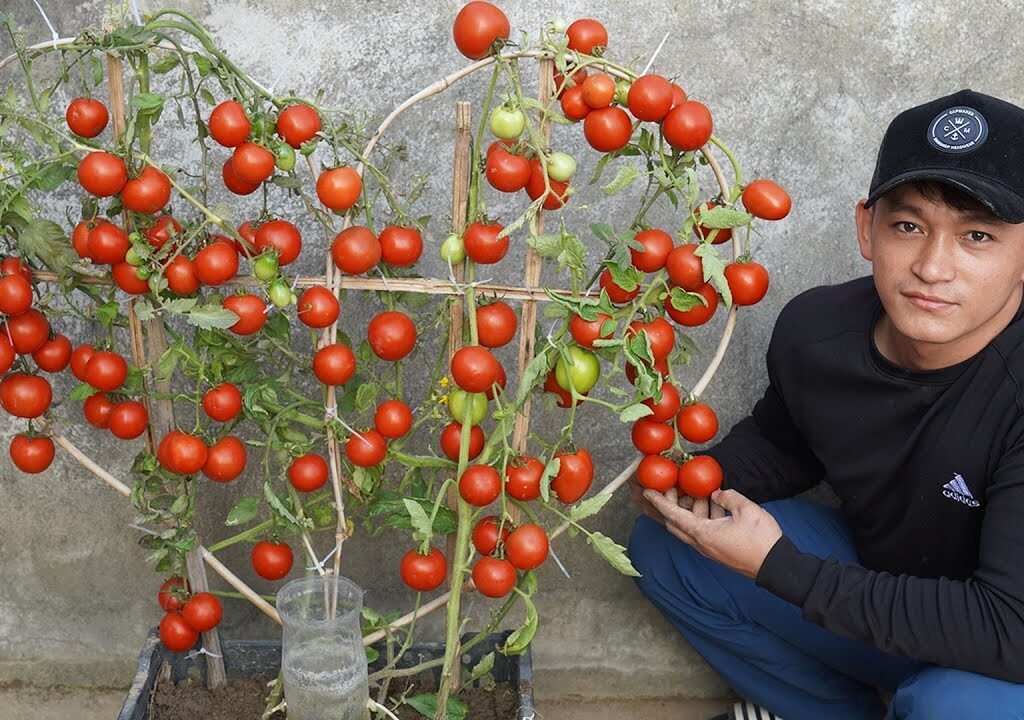
Now comes the most rewarding part—harvesting and replanting for continuous yield.
- Harvest tomatoes when they’re fully colored but still firm. This encourages the plant to produce more fruit.
- As older plants slow down, take stem cuttings to start a fresh batch.
- Rotate your plants every few months to ensure constant supply.
With this rotation system, you’ll always have tomatoes in different stages—some flowering, some fruiting, and some just starting out.

Step 8: Bonus – Grow Tomatoes from Kitchen Scraps
Did you know you can start your tomato garden using just a slice of tomato?
Here’s a quick method that’s taken over the internet:
- Take a ripe tomato and cut it into thin slices.
- Lay them on moist potting soil in a tray.
- Cover lightly with more soil and keep it damp.
- Within a week, you’ll see tiny sprouts emerging!
Select the strongest seedlings and transfer them to pots. This zero-cost method ensures you’ll never run out of tomato plants again.
Step 9: Winter Tomato Growing Tips
If you live in a region with harsh winters, you can still keep your tomato production alive indoors:
- Use grow tents or mini greenhouses with heat mats to maintain warmth.
- Reduce watering frequency but maintain consistent lighting.
- Choose cold-tolerant varieties like Glacier or Siberian tomatoes.
These small adjustments keep your plants thriving even when it’s snowing outside.
Step 10: The Joy and Benefits of Growing Your Own
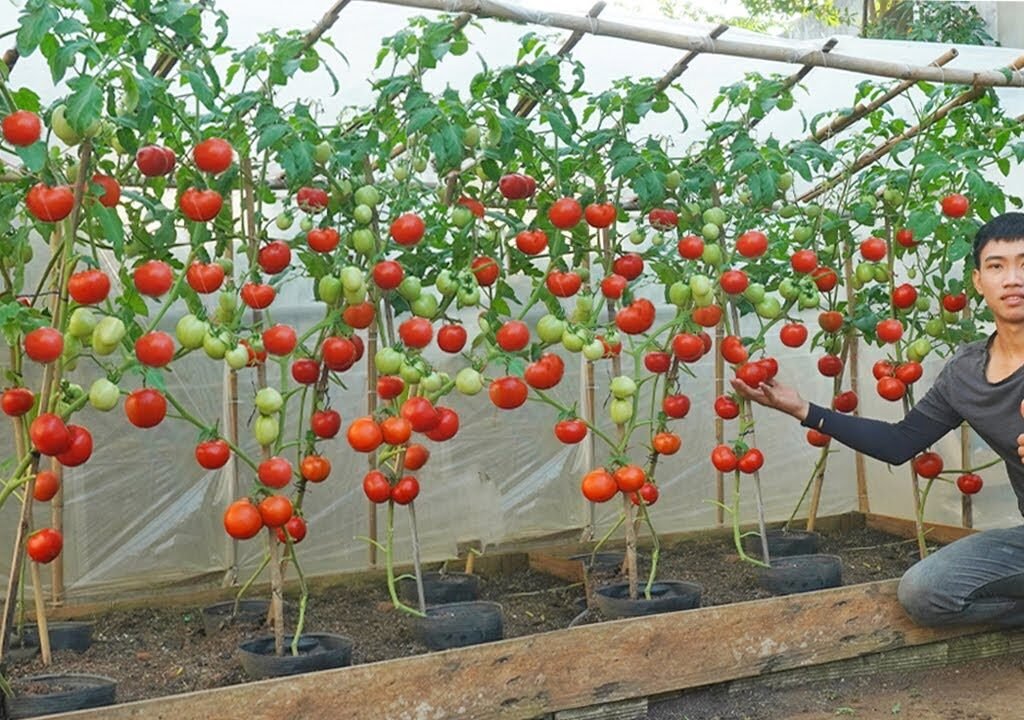
Growing tomatoes year-round is more than just a gardening trick—it’s a lifestyle change. Here’s what you gain:
- Fresh, chemical-free produce every day.
- Savings—no need to buy expensive store-bought tomatoes.
- Sustainability—you reduce packaging waste and your carbon footprint.
- Emotional satisfaction—gardening is proven to lower stress and boost happiness.
Plus, once you master tomatoes, you can use the same principles to grow peppers, herbs, and leafy greens all year long.
Conclusion: Your Tomato Journey Starts Now
You don’t need acres of land, a greenhouse, or professional tools to enjoy homegrown tomatoes every day. All you need is curiosity, a few containers, and the right care routine.
The secret revealed in “No Need to Buy Tomatoes Anymore” isn’t a magic trick—it’s about understanding plant needs and creating a cycle of growth that never ends.
Start small, experiment, and soon your kitchen windowsill or balcony will become your personal tomato haven. Once you taste your first homegrown tomato in the middle of winter, you’ll realize—you truly never need to buy tomatoes again.