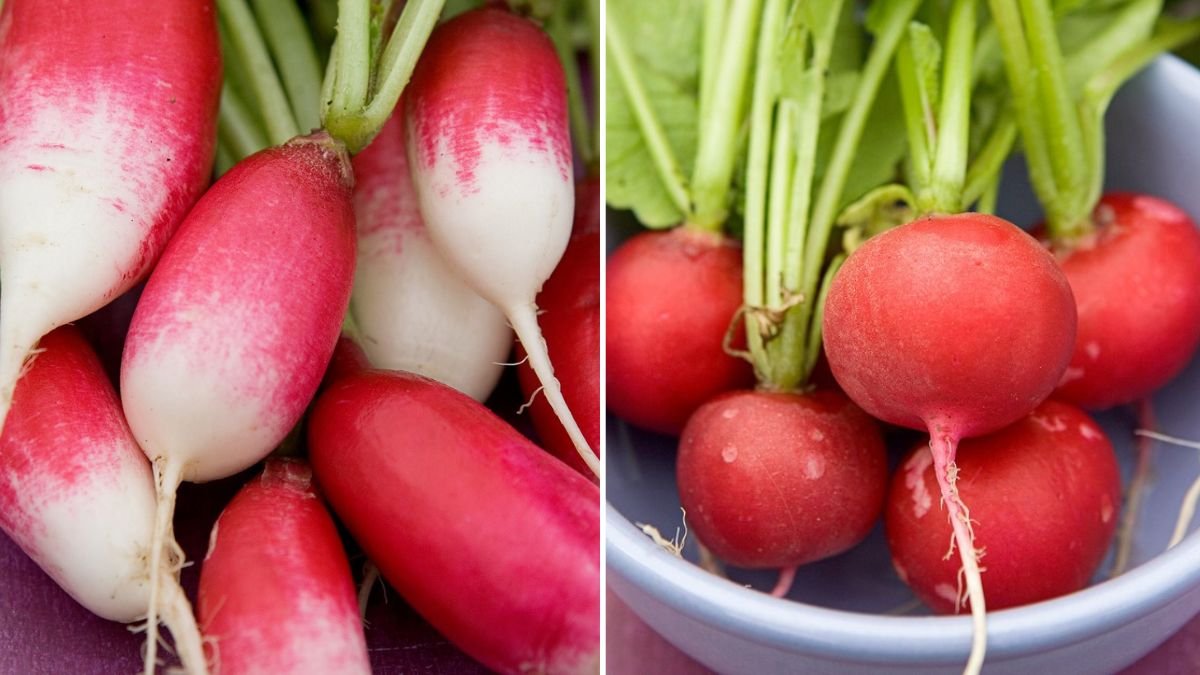
Peppery, crisp, and delightfully colorful, radishes are one of the most underrated yet versatile vegetables in America’s gardens and kitchens. From bright red globes in your salad to elegant white “icicle” varieties and vibrant purple or watermelon types at farmers’ markets, radishes bring a unique burst of flavor, texture, and nutrition to any meal.
Whether you’re a home gardener looking for an easy crop to grow or a food enthusiast eager to add crunch to your dishes, radishes deliver on every front. They’re fast-growing, low-maintenance, and thrive in nearly every U.S. region — making them a staple in spring and fall gardens across the country.
In this detailed guide, we’ll explore everything you need to know about radishes: their history, nutritional benefits, popular varieties, growing tips, and creative ways to use them in your cooking.
1. The Fascinating History of Radishes
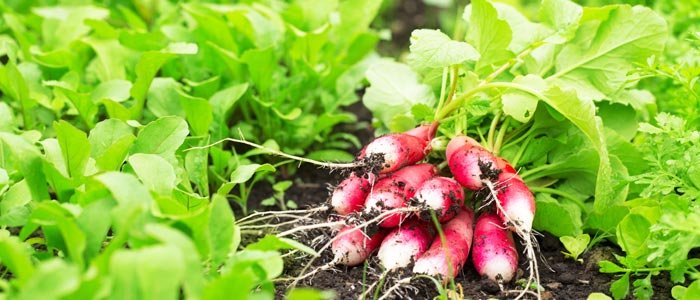
Radishes (Raphanus sativus) have been cultivated for thousands of years, originating in Southeast Asia before spreading to Europe and eventually North America. They were among the first vegetables brought to the New World by European settlers. Early American farmers loved them for their quick harvest and hardy nature.
Today, radishes are grown throughout the U.S., with major production in California, Florida, and Texas. They’ve become a farmers’ market favorite, beloved for their variety of colors, shapes, and flavors — from mild and sweet to fiery and spicy.
2. Why Radishes Are a Must-Have in Every American Garden
Radishes are the perfect crop for beginner gardeners and seasoned growers alike. Here’s why they’re a favorite in the U.S.:

- Fast-Growing: Most varieties mature in just 25 to 35 days — perfect for impatient gardeners.
- Ideal for Small Spaces: Grow easily in garden beds, raised planters, or containers.
- Cool-Weather Crop: Thrive in spring and fall, offering multiple growing windows in many U.S. climates.
- Soil-Friendly: Help loosen compact soil, improving conditions for other plants.
- Versatile in Cooking: Their crisp texture and peppery flavor complement countless American dishes.
Radishes are not only easy and quick but also provide the satisfaction of homegrown freshness within weeks of planting.
3. Top Radish Varieties to Grow in the U.S.
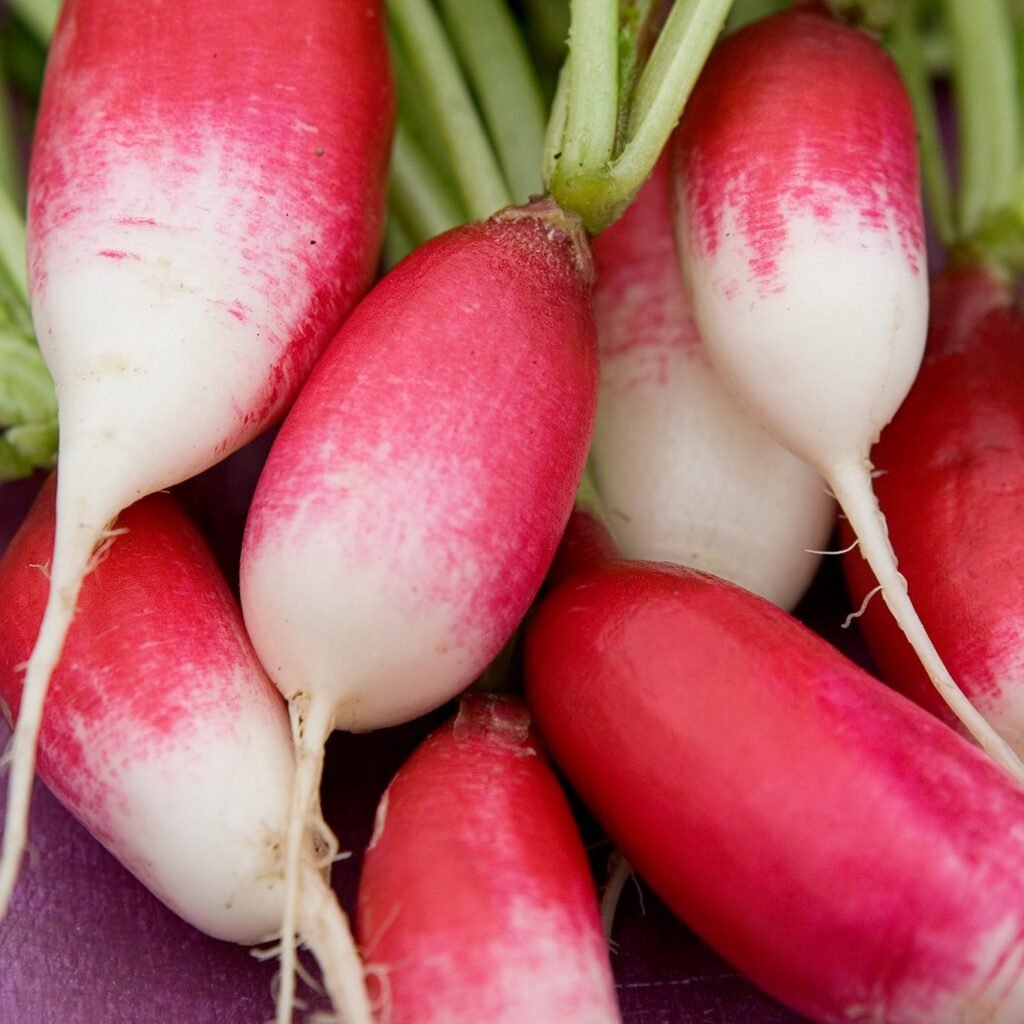
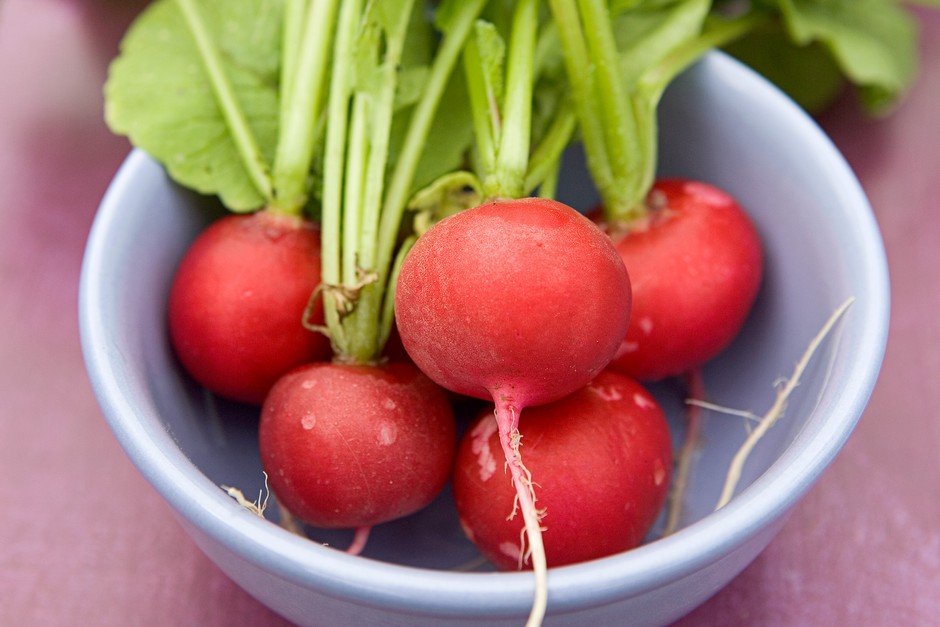
From the traditional red globe to unique heirlooms, radishes come in many shapes, colors, and flavors. Here are some of the best varieties for American home gardeners:
1. Cherry Belle
- The classic round, red radish found in most grocery stores.
- Matures in just 22 days.
- Crisp, mildly spicy, and great for salads or snacks.
2. French Breakfast
- An heirloom variety with oblong red roots and white tips.
- Sweet, tender, and less spicy than round types.
- Popular in gourmet kitchens and farmers’ markets.
3. Easter Egg
- A colorful mix of white, pink, purple, and red radishes.
- Perfect for salads or decorative platters.
- Matures in about 28 days.
4. Daikon (Japanese Radish)
- Long, white, and mild-flavored.
- Great for pickling or grating into salads.
- Commonly grown in southern and coastal U.S. climates.
5. Watermelon Radish
- Pale green on the outside with a vibrant pink-red center.
- Mild and slightly sweet flavor.
- Stunning visual appeal for gourmet dishes.
6. White Icicle
- Slender, elongated roots with a crisp texture.
- Matures in about 25–30 days.
- Excellent for roasting and snacking.
No matter your taste preference or region, there’s a radish variety suited to your American garden and kitchen.
4. How to Grow Radishes Successfully
Radishes are among the easiest vegetables to grow — making them a favorite for school gardens and home gardeners across the U.S. Here’s a step-by-step guide:
Step 1: Choose the Right Spot
Pick a sunny location with at least 6 hours of sunlight daily. While radishes tolerate light shade, full sun helps them grow faster and develop better flavor.
Step 2: Prepare the Soil
Radishes love loose, well-drained soil. Avoid heavy clay, which restricts root growth. Mix in compost or organic matter to improve texture and fertility.
Ideal soil pH: 6.0 to 7.0.

Step 3: Planting
- Sow seeds directly outdoors — radishes don’t transplant well.
- Plant seeds ½ inch deep and about 1 inch apart.
- Space rows 8–12 inches apart.
- Thin seedlings once they sprout to give each root room to expand.
Step 4: Watering
Keep the soil evenly moist, but not waterlogged. Irregular watering can make radishes split or develop a woody texture.
Step 5: Harvesting
Radishes mature quickly — usually in 3–5 weeks. Harvest when they’re firm and about 1 inch in diameter. Leaving them in the ground too long can make them tough or overly spicy.
Pro Tip: For continuous harvests, sow new seeds every 7–10 days during the growing season.
5. Common Radish Growing Problems and Solutions
| Problem | Cause | Solution |
|---|---|---|
| Roots too small | Overcrowding or lack of sunlight | Thin seedlings and ensure full sun |
| Radish splits | Irregular watering | Maintain consistent moisture |
| Leaves but no roots | Too much nitrogen in soil | Use balanced or low-nitrogen fertilizer |
| Pest damage | Flea beetles or root maggots | Use row covers and rotate crops annually |
By following these simple fixes, your radish harvest will be smooth, healthy, and abundant.
6. Nutritional Benefits of Radishes
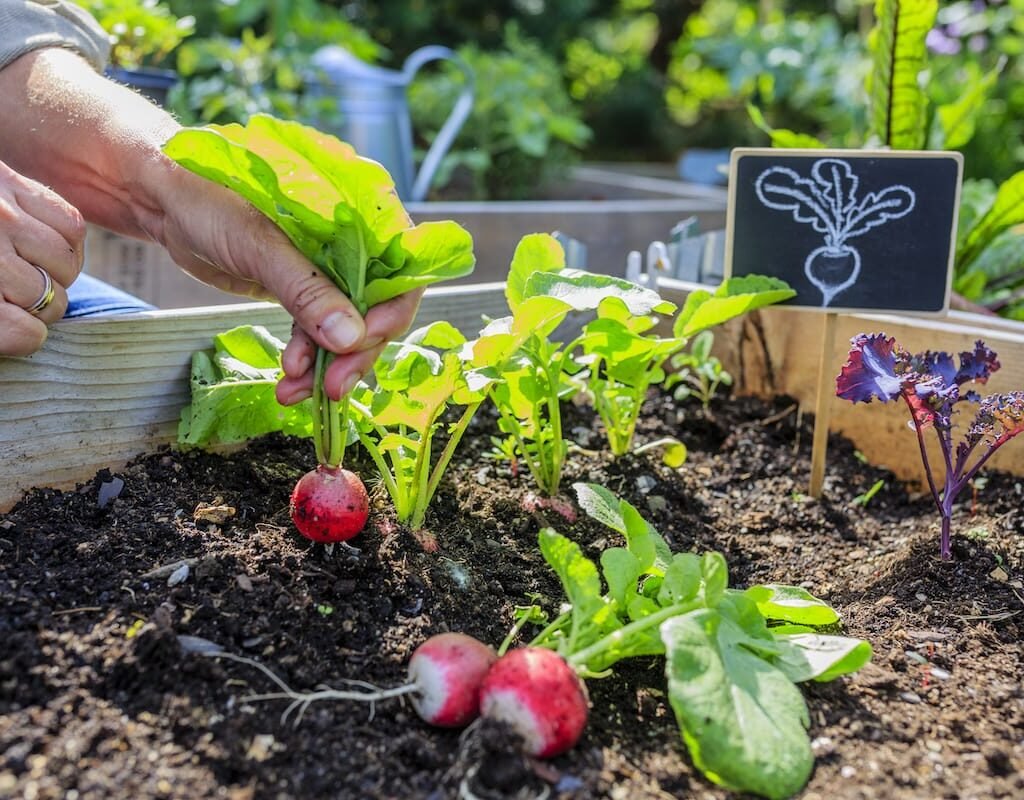
Radishes aren’t just crunchy and colorful — they’re incredibly nutritious too. These small roots pack a powerful punch of vitamins, minerals, and antioxidants.
Here’s what makes radishes a standout in healthy American diets:

- Low in Calories: One cup of sliced radishes has only about 20 calories.
- Hydration Boost: Composed of over 90% water, helping maintain hydration.
- Rich in Vitamin C: Strengthens the immune system and supports skin health.
- High in Fiber: Aids digestion and helps control blood sugar.
- Detoxifying Properties: Support liver function and natural cleansing.
- Antioxidant Compounds: Contain anthocyanins and sulfur compounds that help fight inflammation.
They’re the perfect low-calorie addition to salads, sandwiches, and even smoothies — making them a popular choice among American health-conscious eaters.
7. Delicious Ways to Use Radishes in the Kitchen
Radishes are incredibly versatile — they can be raw, roasted, pickled, grilled, or sautéed, adding both crunch and color to any meal.
1. Fresh Salads
Slice thinly and mix with greens, cucumbers, and vinaigrette for a crisp, peppery bite. The Easter Egg and Watermelon varieties add color contrast.
2. Pickled Radishes
A staple in many U.S. kitchens and restaurants, pickled radishes bring tang and spice to tacos, burgers, and sandwiches.
3. Roasted Radishes
Toss with olive oil, salt, and pepper, then roast at 400°F for 15–20 minutes. The heat transforms their sharp bite into a mild, buttery flavor.
4. Radish Chips
Thinly slice and bake for a healthy alternative to potato chips — a popular low-carb snack trend in the U.S.

5. Radish Greens
Don’t toss the tops! Sauté them like spinach or add to soups for a slightly peppery flavor.
6. Breakfast Toppers
Add sliced radishes to avocado toast or omelets for a fresh, crunchy twist.
With their bright color and zesty taste, radishes are one of the easiest ways to elevate American home cooking.
8. Storing Radishes for Freshness
To keep your radishes crisp and flavorful:
- Remove the leafy greens before storing to prevent moisture loss.
- Store roots in a plastic bag or container in the refrigerator crisper.
- Keep greens separately and use within a few days.
- Fresh radishes last up to two weeks when properly stored.
For longer storage, pickle or ferment them to enjoy that tangy crunch year-round.
9. Radishes and the Sustainable Gardening Movement
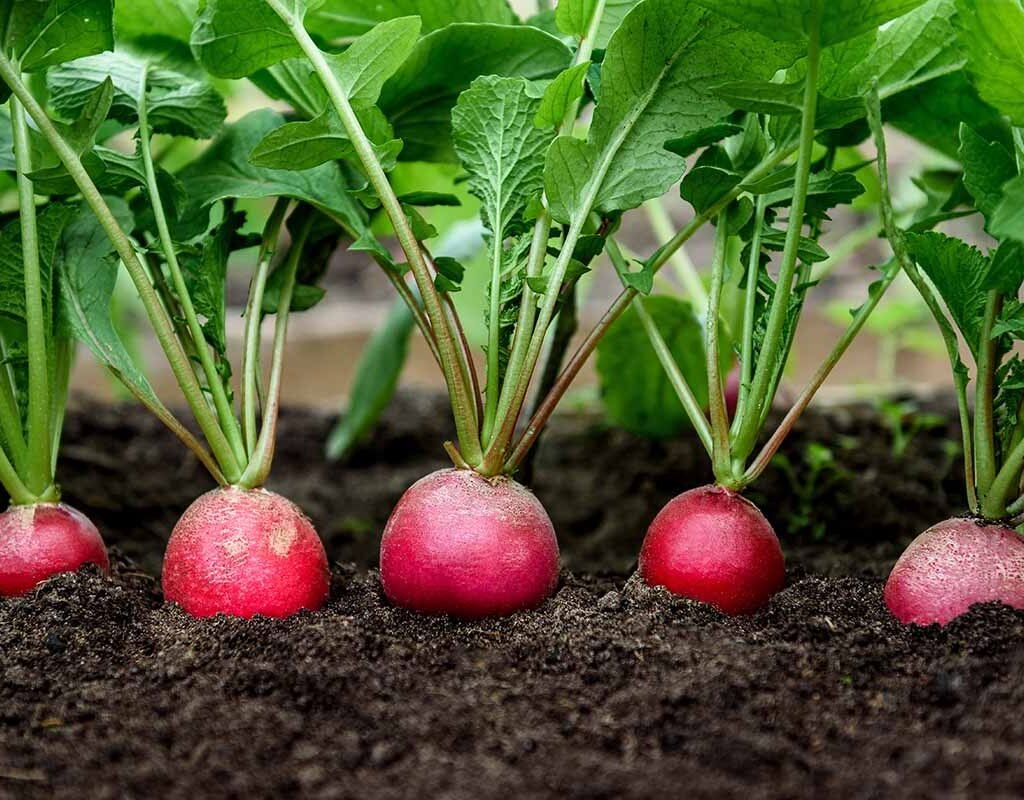
As Americans shift toward sustainable, organic, and small-space gardening, radishes fit perfectly into the trend. They:

- Grow quickly, requiring minimal resources.
- Improve soil health by breaking up compact layers.
- Pair well with other crops like lettuce or spinach in companion planting.
- Reduce food waste since both roots and greens are edible.
For urban gardeners, radishes are an easy and sustainable way to grow fresh produce right at home — even in containers or window boxes.
10. Fun Facts About Radishes
- Radishes are part of the mustard family (Brassicaceae), related to cabbage and kale.
- The world’s largest radish, a giant Daikon, weighed over 100 pounds!
- Ancient Egyptians used radishes as rations for pyramid builders.
- National Radish Day is celebrated on December 23rd in Oaxaca, Mexico — known as the Night of the Radishes.
Conclusion: Rediscover the Power of Radishes
Crisp, colorful, and full of character, radishes are making a comeback in American gardens and kitchens. Their quick-growing nature, refreshing taste, and impressive health benefits make them an essential crop for anyone — from home gardeners to food lovers.
Whether you slice them into a salad, roast them for a cozy dinner, or grow them in your backyard, radishes prove that even the simplest vegetables can bring vibrancy, nutrition, and sustainability to your plate.
So this season, grab some seeds or a fresh bunch from your local market and rediscover this peppery little powerhouse — the humble radish, America’s next great garden hero.