In the world of home gardening and healthy eating, few vegetables are as rewarding as runner beans. Known for their striking red flowers, vigorous vines, and crisp, flavorful pods, runner beans (Phaseolus coccineus) are quickly gaining popularity across American backyards and kitchens.
Once considered a staple in British and European gardens, runner beans are now being rediscovered by American growers who value their ornamental beauty, nutritional value, and versatility in cooking. Whether you’re a seasoned gardener in Texas or a first-time grower in New York, runner beans are an exciting and sustainable crop that delivers both beauty and bounty.
Let’s explore why these vibrant beans deserve a prime spot in your garden and on your plate.
What Are Runner Beans?
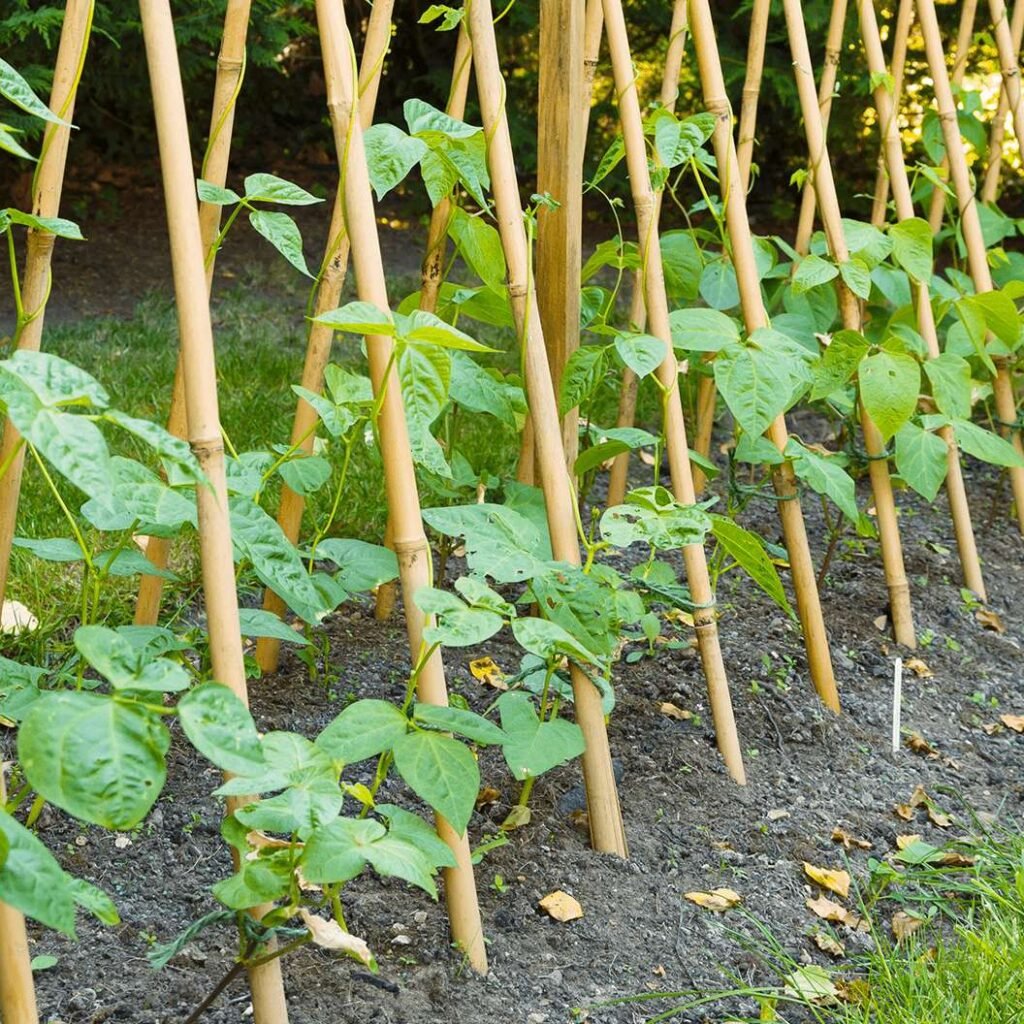
Runner beans are a type of climbing bean closely related to common green beans, but with a few key differences. They grow on tall, twining vines that can reach up to 10–12 feet and produce showy scarlet or white flowers that attract pollinators like bees and hummingbirds.
Unlike typical green beans (Phaseolus vulgaris), runner beans thrive in cooler temperatures and produce large, slightly fuzzy pods that stay tender when harvested young. Their seeds are also edible and can be dried for soups and stews.
Popular varieties grown in the U.S. include ‘Scarlet Runner,’ ‘Painted Lady,’ ‘Black Runner,’ and ‘White Lady.’
Nutritional Profile: Packed with Protein and Fiber
Runner beans are not just beautiful—they’re nutritional powerhouses. A 100-gram serving of boiled runner beans provides:
- Calories: 30–35
- Protein: 2.5–3 grams
- Fiber: 3 grams
- Vitamins: A, C, K, and several B-complex vitamins
- Minerals: Iron, magnesium, calcium, and potassium
They are low in fat and cholesterol-free, making them an ideal choice for those looking to eat healthier while enjoying garden-fresh flavor.

Health Benefits of Runner Beans
1. Supports Heart Health
Runner beans are rich in dietary fiber, which helps reduce cholesterol levels. Their potassium and magnesium content helps regulate blood pressure, promoting a healthy cardiovascular system.
2. Great for Weight Loss
Low in calories and high in fiber, runner beans make a satisfying, nutrient-rich food for anyone watching their weight. They keep you full longer and help reduce unhealthy snacking.
3. Strengthens Bones
The high levels of vitamin K and calcium found in runner beans contribute to bone strength and help prevent conditions like osteoporosis.
4. Boosts Immunity
Vitamin C and antioxidants in runner beans strengthen your immune system, helping your body fight off infections and inflammation.
5. Supports Digestive Health
Their natural fiber content aids digestion and prevents constipation. Eating runner beans regularly can promote gut balance and healthy bowel movements.
6. Good for Diabetics
Runner beans have a low glycemic index (GI), meaning they release sugar slowly into the bloodstream—making them an excellent food choice for people managing diabetes.
Culinary Uses: How to Enjoy Runner Beans in Your Kitchen
Runner beans are delicious and incredibly versatile. Their flavor is slightly nuttier and more robust than standard green beans, making them perfect for both simple and sophisticated recipes.
Here are some tasty ways to use them in American kitchens:

1. Sautéed Runner Beans with Garlic and Olive Oil
Blanch runner beans briefly, then sauté in olive oil with garlic, salt, and a squeeze of lemon juice. A quick, fresh, and healthy side dish.
2. Runner Bean Stir-Fry
Toss sliced runner beans with bell peppers, onions, and a splash of soy sauce for a colorful and crunchy stir-fry that pairs well with rice or noodles.
3. Runner Bean Casserole
Reimagine the classic green bean casserole by using runner beans for extra texture and flavor. Combine with creamy mushroom sauce and bake with a crispy topping.
4. Roasted Runner Beans
Coat runner beans lightly in olive oil and roast in the oven until golden. Add sea salt and cracked pepper for a healthy, crunchy snack alternative.
5. Runner Bean Salad
Combine blanched runner beans with cherry tomatoes, red onion, feta cheese, and balsamic vinaigrette for a light summer salad.
6. Runner Bean Soup
Add chopped runner beans to vegetable or chicken broth with potatoes, carrots, and herbs for a comforting and nutritious soup.
7. Dried Runner Beans in Stews
Mature runner bean seeds can be dried and later used in hearty stews or chili, providing plant-based protein and fiber.
How to Grow Runner Beans in America
Runner beans are a gardener’s dream—they’re productive, visually stunning, and pollinator-friendly. Here’s how to grow them successfully in your home garden.

1. Choose the Right Location
Runner beans thrive in full sun with well-drained, fertile soil. They prefer slightly cooler conditions than green beans and grow well in USDA zones 3–10.
2. Soil Preparation
Work in compost or aged manure before planting. A pH between 6.0 and 7.5 is ideal. Avoid overly rich nitrogen fertilizers, which promote leaf growth over pods.
3. Planting Time
Sow seeds outdoors after the last frost, when soil temperatures are at least 55°F (13°C).
4. Planting Method
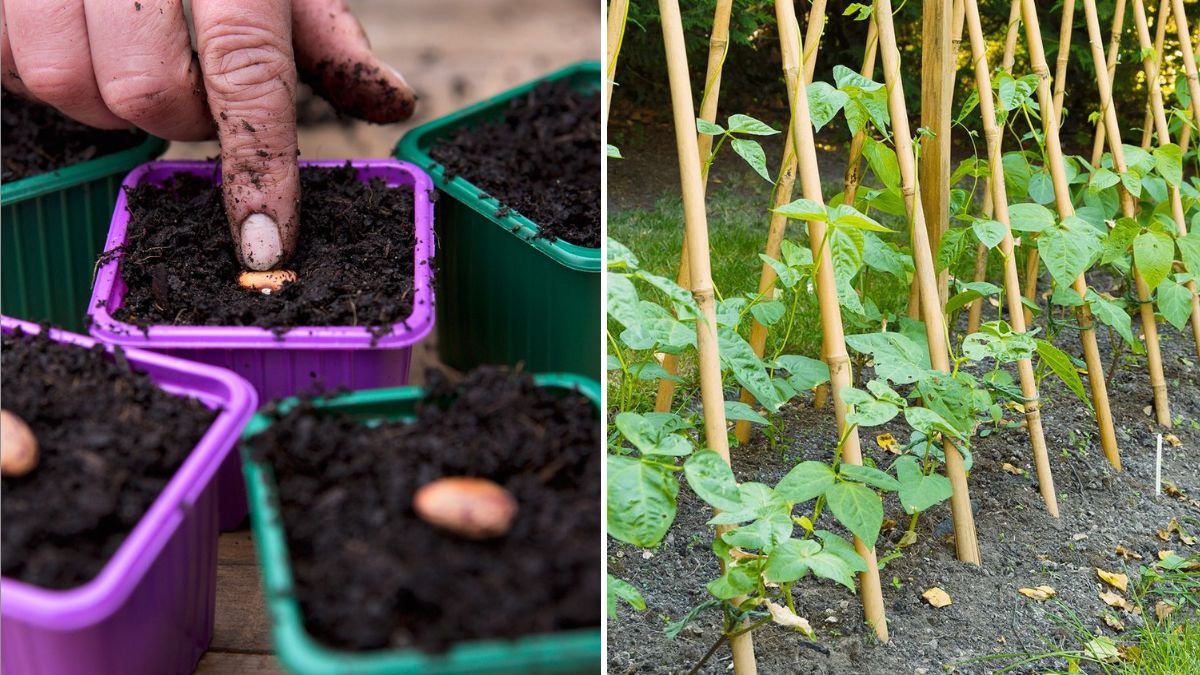
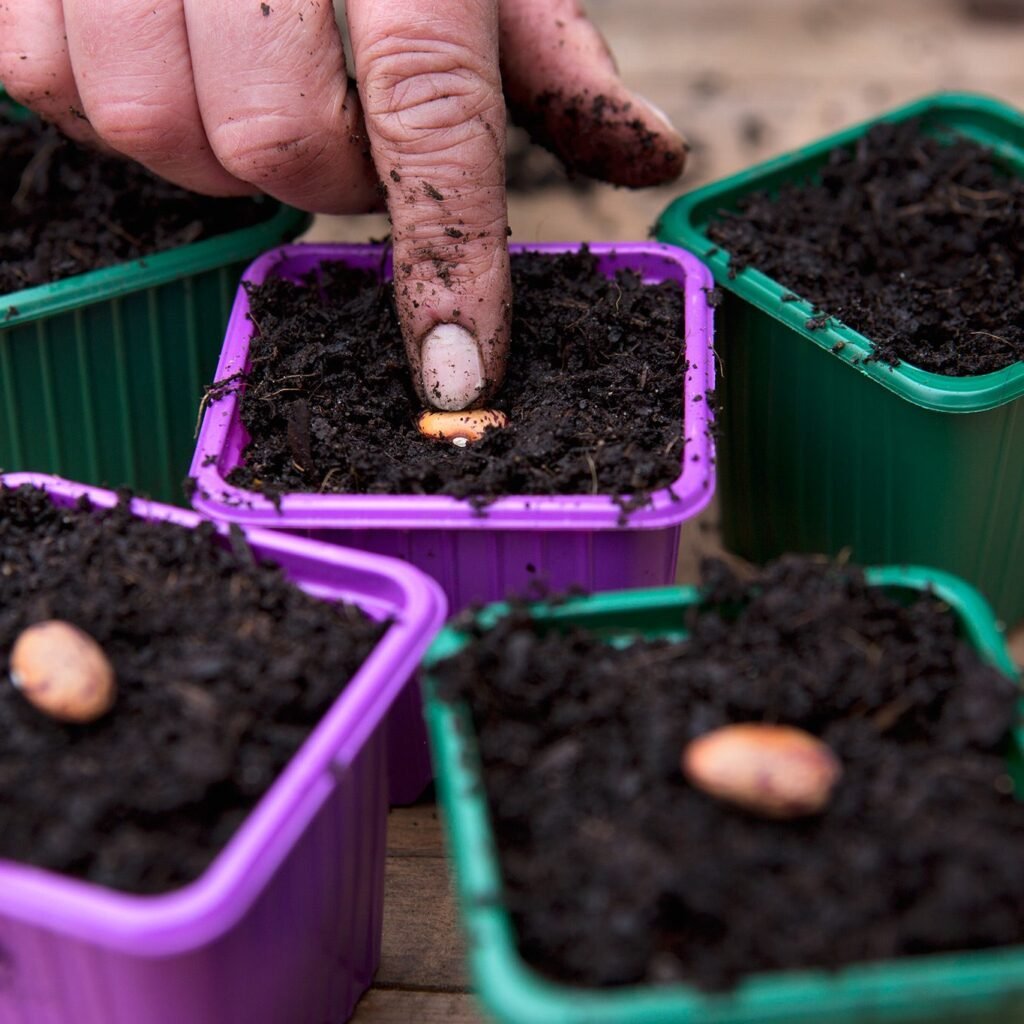
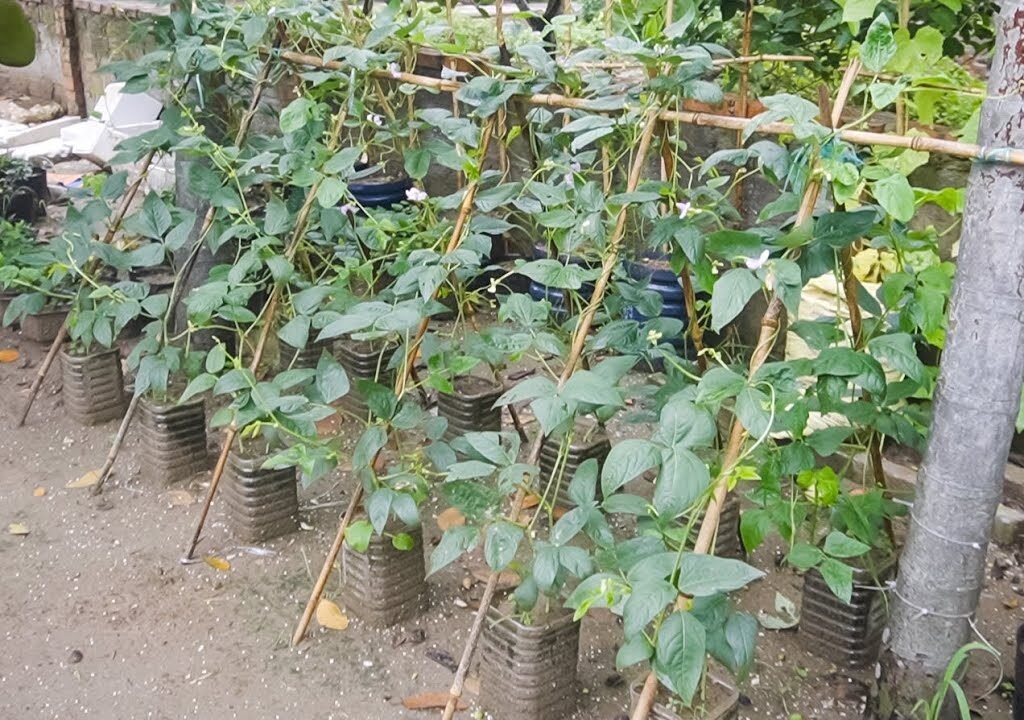
Plant seeds 1 inch deep and 4–6 inches apart at the base of a trellis or pole structure. Rows should be spaced 18–24 inches apart.
5. Watering and Care
Runner beans need consistent moisture, especially during flowering and pod formation. Mulch the soil to retain moisture, but avoid overwatering, which can lead to root rot.
6. Pollination
These beans rely heavily on pollinators like bees for pod development. Avoid using pesticides during flowering season to protect pollinators.
7. Harvesting
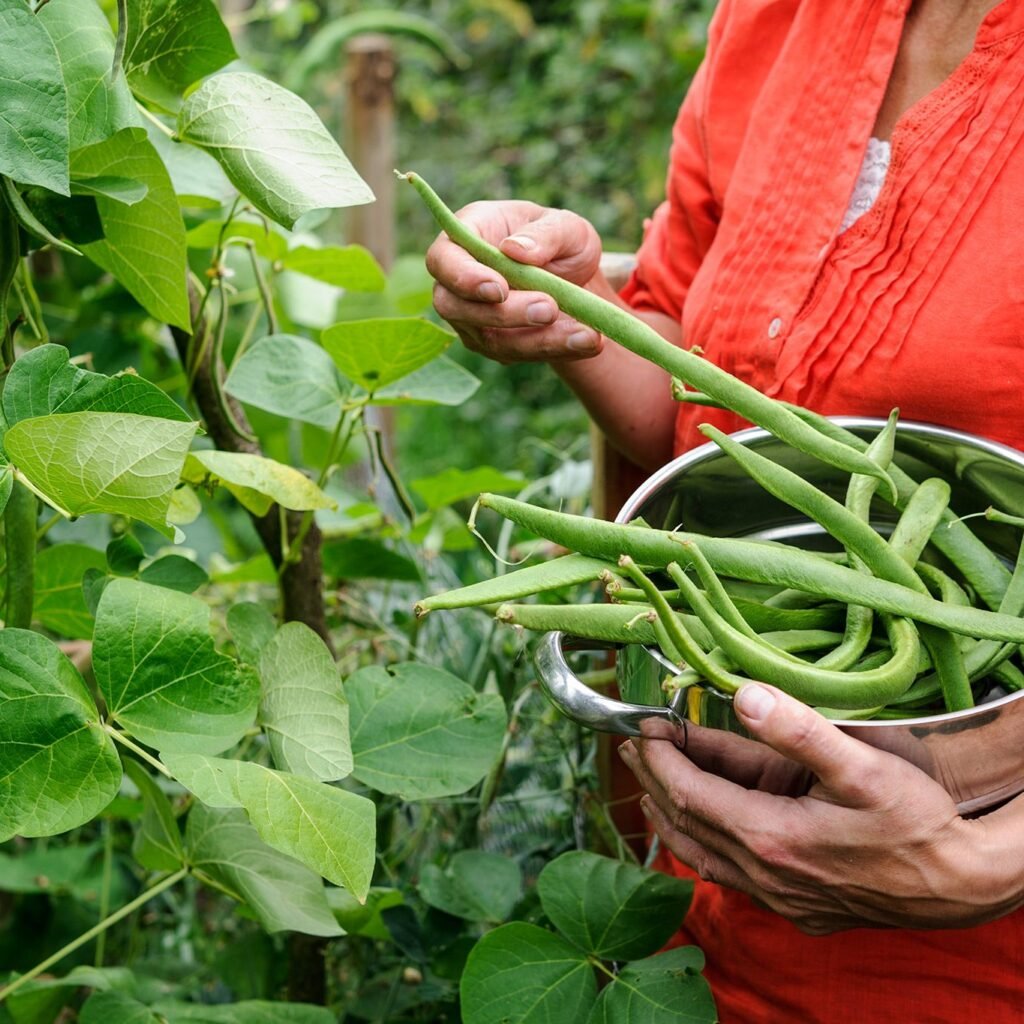
Harvest pods while young and tender—typically 60–75 days after planting. Picking regularly encourages more production. Mature pods can be left to dry if you want to collect seeds for next season.
Common Problems and Solutions
Even though runner beans are hardy, they can face some challenges in the garden. Here’s how to manage them:

- Aphids and Bean Beetles: Use neem oil or insecticidal soap to deter pests.
- Slugs and Snails: Scatter crushed eggshells or diatomaceous earth around plants.
- Powdery Mildew: Water at the base and ensure good airflow.
- Flower Drop: Often caused by heat stress—provide shade during very hot afternoons.
Healthy soil and regular watering are key to thriving vines.
Fun Facts About Runner Beans
- Runner beans were first cultivated by the Aztecs in Central America and later brought to Europe by Spanish explorers.
- The Scarlet Runner Bean is both edible and ornamental, with stunning red blooms that attract hummingbirds.
- Unlike most beans, runner beans prefer slightly cooler temperatures, which makes them perfect for northern U.S. regions.
- The seeds of runner beans are large and colorful—ranging from purple to black—which makes them a favorite among kids learning to garden.
Buying and Storing Runner Beans
When buying fresh runner beans, look for:
- Bright green pods with a firm, smooth texture
- No signs of wrinkles, blemishes, or yellowing
Store unwashed runner beans in a perforated plastic bag in the refrigerator. They’ll stay fresh for up to 5 days. To preserve them longer, blanch and freeze the pods for up to 6 months.
Sustainability and Pollinator Benefits
One of the biggest perks of growing runner beans is their eco-friendly nature. As legumes, they naturally fix nitrogen in the soil, reducing the need for synthetic fertilizers. Additionally, their bright flowers attract bees and hummingbirds, enhancing pollination in your garden.
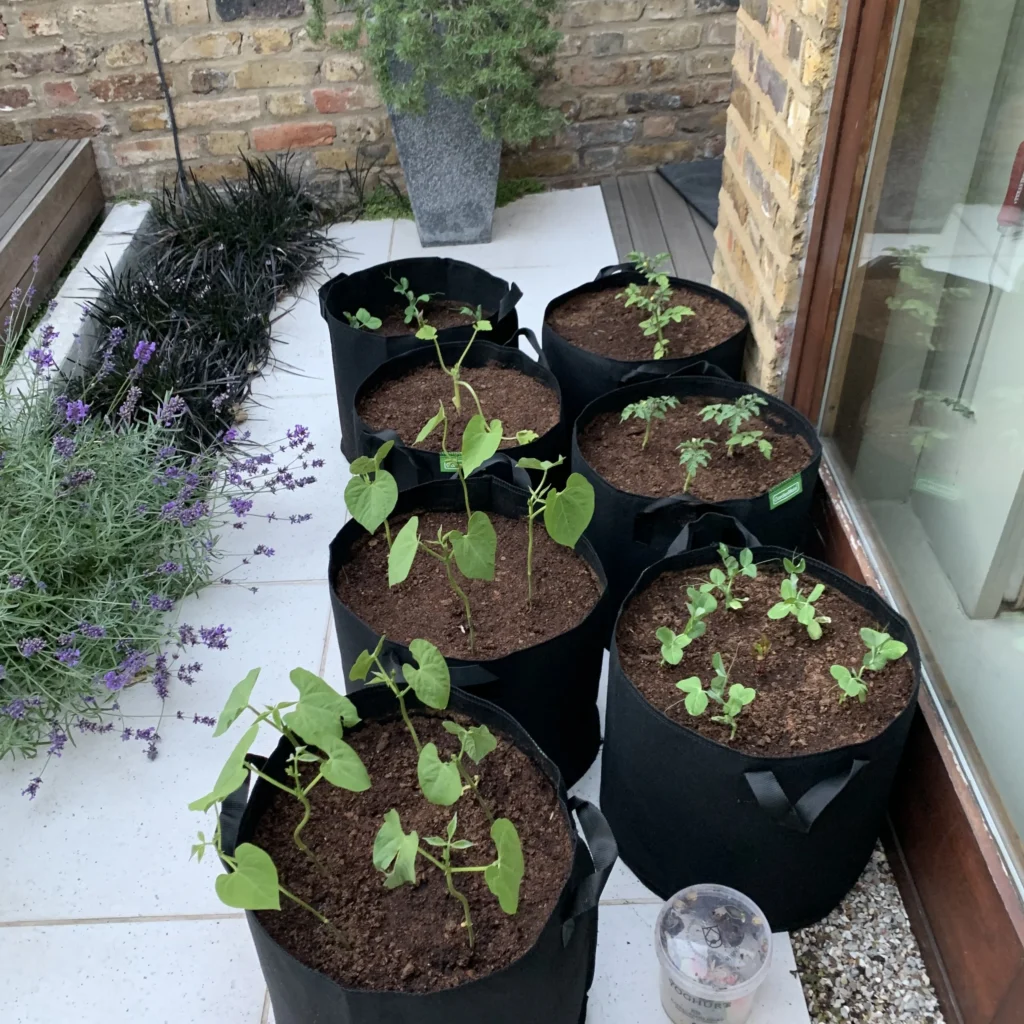
Runner beans also provide excellent vertical growth, making them a great choice for small gardens, patios, or raised beds. You can even grow them along fences or arbors for a lush, decorative look.
Runner Beans in Modern American Cuisine
Runner beans have found their place in both traditional and modern American kitchens. You’ll find them:
- Grilled with olive oil and lemon zest at farm-to-table restaurants
- Added to hearty stews and vegetarian bowls in health cafés
- Tossed with garlic butter for an elevated take on green beans
- Included in seasonal garden-to-plate menus featuring locally grown produce
Their combination of texture, color, and nutrition makes them an ingredient that’s as visually appealing as it is delicious.
Conclusion: Why Runner Beans Belong in Every American Garden
Runner beans bring together everything a home gardener could want—beauty, productivity, and nutrition. They’re easy to grow, environmentally friendly, and offer a steady harvest of delicious pods from summer through fall.
From the vibrant red blossoms that attract pollinators to the protein-packed pods that grace your dinner plate, runner beans are truly a garden-to-table success story.
So this season, plant a few seeds, train those vines up a trellis, and watch your garden come alive with color—and your kitchen fill with flavor. With runner beans, you’re not just growing food—you’re growing a piece of nature’s art.