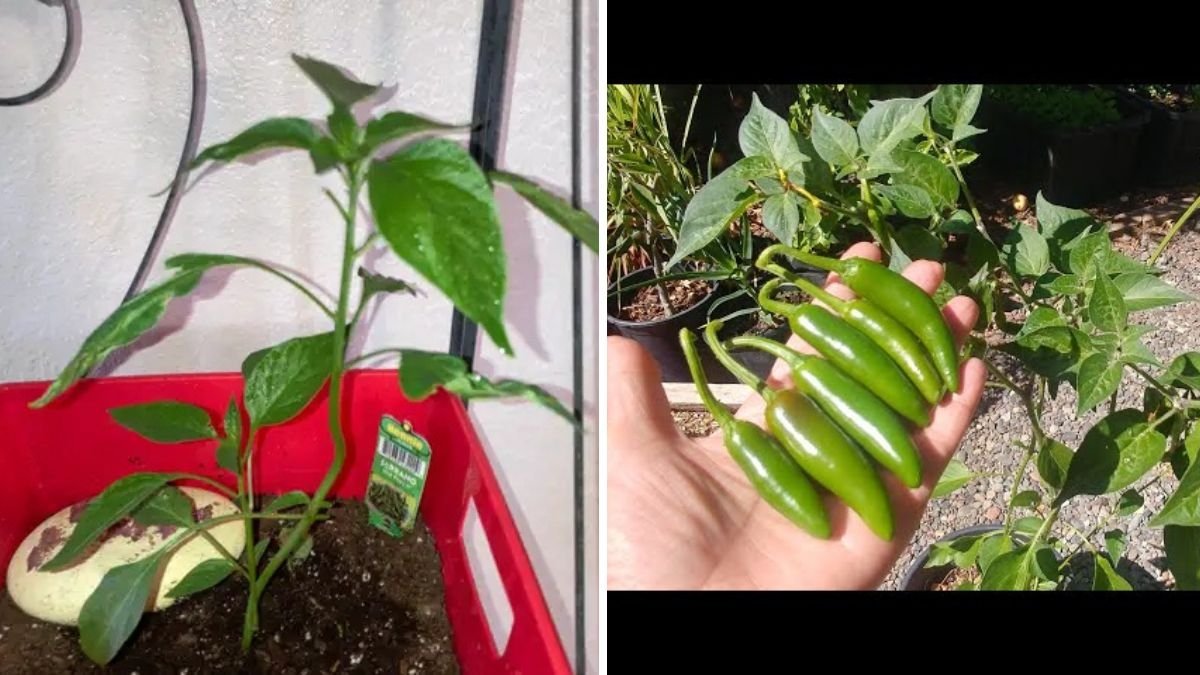
If you love spicy food, chances are you’ve come across the fiery yet flavorful Serrano pepper. Known for their vibrant heat and crisp, fresh flavor, Serrano peppers are a staple in American kitchens, especially in Southwestern and Mexican-inspired cooking. From zesty salsas to smoky grilled dishes, Serrano peppers bring that perfect balance of spice and brightness that wakes up any recipe.
Whether you’re a home gardener, a hot sauce enthusiast, or just someone who loves a little heat in their meals, this detailed guide will take you through everything you need to know about Serrano peppers — from their origins and flavor profile to how to grow, harvest, and cook them like a pro.
What Are Serrano Peppers?
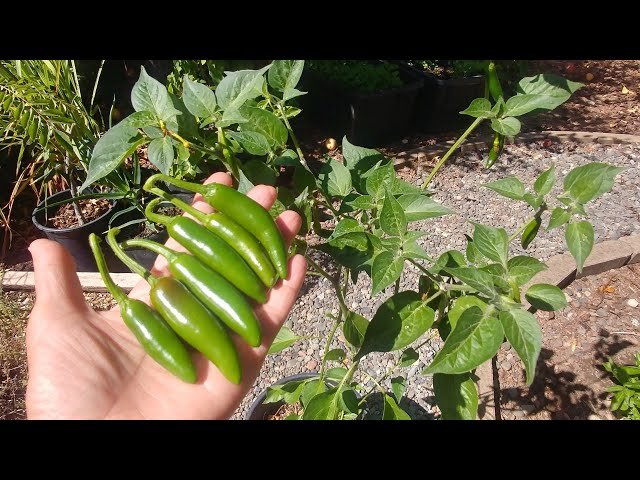
The Serrano pepper (Capsicum annuum) hails from the mountainous regions of Mexico, particularly the states of Puebla and Hidalgo. The name “Serrano” comes from the Spanish word “sierra,” meaning mountain — a nod to the regions where they thrive.
These slender, glossy green peppers are similar in appearance to jalapeños, but smaller, thinner, and much hotter. On the Scoville Heat Scale, which measures chili pepper spiciness, Serrano peppers rank between 10,000 and 25,000 Scoville Heat Units (SHU) — about five times hotter than a jalapeño!
Despite their heat, they have a bright, grassy flavor with a hint of fruitiness, making them a favorite for fresh salsas, sauces, and marinades.

Serrano vs. Jalapeño: What’s the Difference?
While Serrano and Jalapeño peppers are often mistaken for one another, they’re quite different when it comes to heat, texture, and culinary use.
| Feature | Serrano Pepper | Jalapeño Pepper |
|---|---|---|
| Heat Level | 10,000–25,000 SHU | 2,500–8,000 SHU |
| Flavor | Bright, fresh, and spicy | Mild, earthy, and slightly sweet |
| Texture | Thinner walls, crisp bite | Thicker walls, juicy texture |
| Best Use | Raw in salsas, pickled, or sliced | Stuffed, roasted, or grilled |
If you’re craving something with a little more kick than a jalapeño but not as fiery as a habanero, Serrano peppers hit the sweet (and spicy) spot.
Growing Serrano Peppers in Your Garden
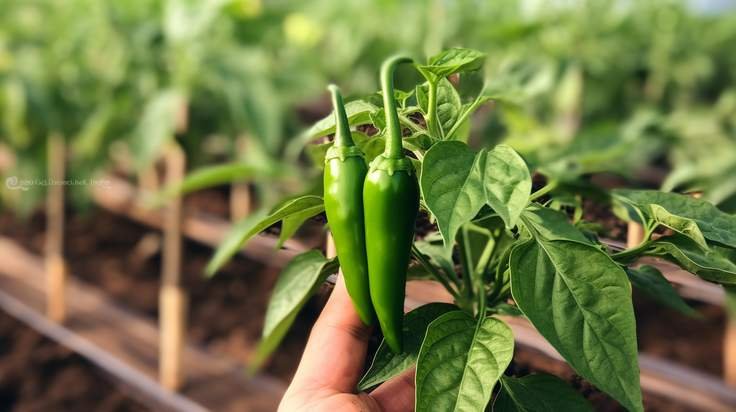
Serrano peppers are easy to grow and flourish in warm climates, making them an excellent choice for home gardeners across the United States — particularly in states like Texas, Arizona, and California, where long summers and plenty of sunshine encourage a bountiful harvest.
1. Choosing the Right Spot
Serrano plants need full sun (at least 6–8 hours daily) and well-drained soil with a pH between 6.0 and 7.0. They thrive best when daytime temperatures stay between 70°F and 85°F.
2. Planting Serrano Seeds
- Start seeds indoors about 8–10 weeks before the last frost.
- Plant seeds ¼ inch deep in seed trays filled with quality potting mix.
- Keep the soil moist and warm — around 75–80°F for germination.
- Once seedlings develop 2–3 sets of true leaves, transplant them outdoors after the frost danger has passed.
3. Outdoor Care and Maintenance
- Space plants 18–24 inches apart.
- Water regularly, keeping the soil evenly moist but not soggy.
- Fertilize every 3–4 weeks with a balanced vegetable fertilizer.
- Use mulch to retain soil moisture and deter weeds.
4. Harvesting Serrano Peppers
Serrano peppers mature in 75–90 days after transplanting. You can harvest them when they’re bright green, or let them ripen to red, orange, or yellow for a sweeter and slightly less intense heat.
To harvest, gently snip the peppers from the plant using garden shears — tugging can damage the stems. Each Serrano plant can produce 50 or more peppers in a single season!
Cooking with Serrano Peppers
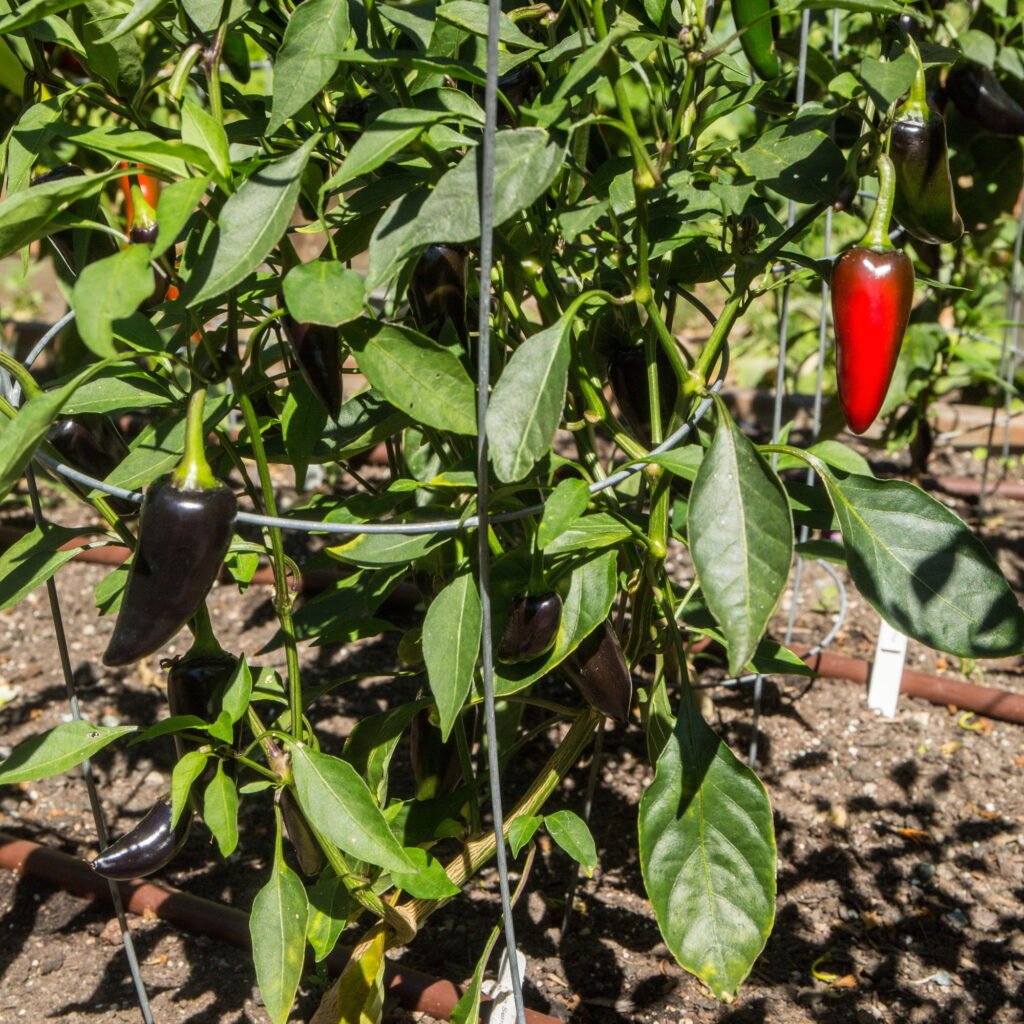
Serrano peppers are extremely versatile in the kitchen. Their crisp texture and moderate-to-hot heat make them ideal for both raw and cooked dishes.
Here are some popular ways to use Serrano peppers in your everyday cooking:
1. Fresh Salsas
The most iconic use of Serrano peppers is in salsa fresca (pico de gallo). Their fresh, bright heat perfectly complements diced tomatoes, onions, cilantro, and lime juice.
Quick Recipe:

- 3 ripe tomatoes, chopped
- 1 small onion, finely diced
- 2 Serrano peppers, finely chopped
- Juice of 1 lime
- ¼ cup fresh cilantro
- Salt to taste
Mix and serve with tortilla chips or grilled meats.
2. Hot Sauces
For a tangy homemade Serrano hot sauce, blend roasted Serrano peppers with garlic, vinegar, lime juice, and a pinch of salt. Store in a glass jar in the fridge — it keeps for weeks!
3. Roasted and Grilled
Roasting brings out the natural sweetness of Serrano peppers while toning down the heat. Simply brush with olive oil, roast at 400°F for 10 minutes, and toss them over tacos or salads.
4. Pickled Serranos
Pickled Serrano peppers are a staple condiment in American households. Slice the peppers, pack them in a jar with vinegar, sugar, and salt, and refrigerate for 24 hours. They add a punchy kick to sandwiches, burgers, and burritos.
5. Soups and Stir-Fries
Finely chop and add Serrano peppers to soups, stews, and stir-fries for an extra layer of heat. They pair beautifully with creamy ingredients like avocado, cheese, and coconut milk, which balance out their spiciness.
How Hot Are Serrano Peppers Really?
If you’re wondering how spicy Serrano peppers are compared to others, here’s a quick look:
| Pepper Variety | Scoville Heat Units (SHU) |
|---|---|
| Bell Pepper | 0 |
| Jalapeño | 2,500 – 8,000 |
| Serrano | 10,000 – 25,000 |
| Cayenne | 30,000 – 50,000 |
| Habanero | 100,000 – 350,000 |
| Ghost Pepper | 1,000,000+ |
Serrano peppers offer a medium-to-hot heat level — enough to make your taste buds tingle, but not so overwhelming that it masks the food’s flavor.
If you’re sensitive to spice, remove the seeds and white ribs, where most of the capsaicin (the compound that makes peppers hot) is concentrated.
Health Benefits of Serrano Peppers
Besides adding fiery flavor to your food, Serrano peppers are also packed with impressive health benefits.
- Rich in Vitamins:
They’re loaded with vitamin C (boosts immunity) and vitamin A (supports vision and skin health). - Metabolism Booster:
Capsaicin — the compound responsible for their heat — may help boost metabolism and aid in weight management. - Anti-Inflammatory Properties:
Capsaicin has been shown to reduce inflammation and support heart health. - Antioxidant Power:
Serrano peppers contain antioxidants that help fight free radicals and reduce oxidative stress. - Supports Digestion:
Spicy foods stimulate digestive enzymes and improve gut health when consumed in moderation.
So, while your tongue might feel the burn, your body will thank you for the nutrients!

Storing Serrano Peppers the Right Way
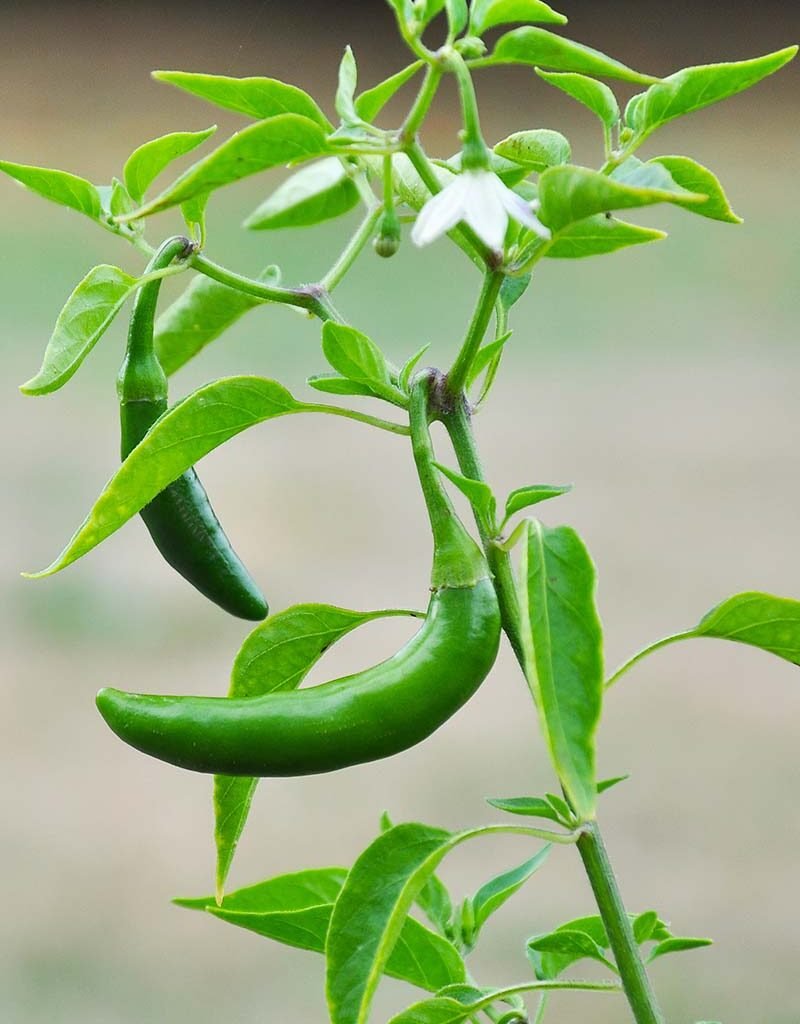
If you have a bumper crop or bought a big batch, here’s how to store them:
- Refrigerate: Fresh Serrano peppers last up to 2 weeks in the fridge.
- Freeze: Wash, dry, and freeze them whole or sliced for up to 6 months.
- Dry: String and air-dry them or use a dehydrator for homemade chili flakes.
- Pickle: Preserve them in vinegar brine to enjoy year-round.
Proper storage keeps the flavor and heat intact while preventing spoilage.
Fun Facts About Serrano Peppers
- The hotter the weather, the spicier the Serrano pepper!
- In Mexico, Serranos are often eaten raw, like a spicy snack with salt and lime.
- Red Serranos (ripened version) are slightly sweeter and fruitier than green ones.
- Serrano pepper plants can grow up to 5 feet tall under the right conditions.
Conclusion: Add a Kick of Flavor to Your Kitchen
Serrano peppers are more than just another chili — they’re a perfect blend of heat, flavor, and versatility. From homemade salsas and spicy tacos to pickled condiments and garden-to-table meals, these peppers bring a burst of freshness and intensity to every dish.
So, whether you’re a gardener looking to grow your own or a foodie experimenting with bold new flavors, the Serrano pepper deserves a special place in your kitchen. With its easy cultivation, vibrant color, and balanced heat, it’s no wonder this fiery little chili has become one of America’s favorite hot peppers.

Leave A Comment