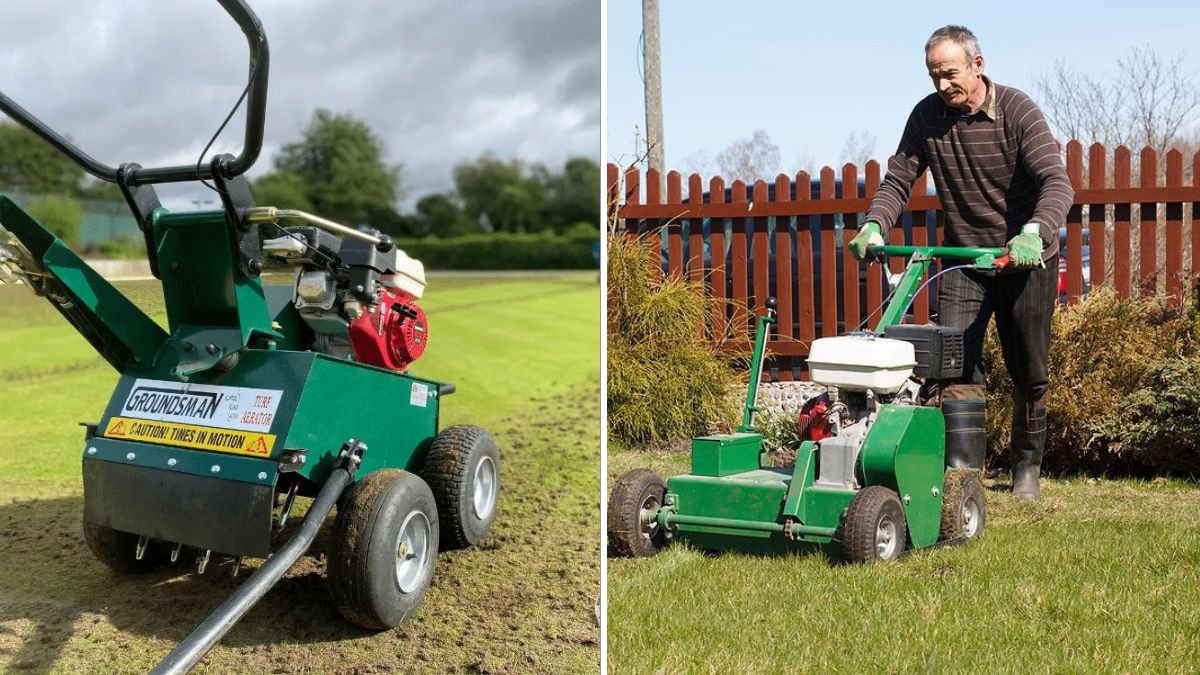
Introduction
Lawn care enthusiasts and professionals alike often emphasize the importance of aeration, but the question remains: Should you aerate your lawn every year? While aeration offers multiple benefits to grass health, it’s not always necessary for every lawn or climate annually.
To clear up confusion, this article explores what lawn aeration is, how it works, when and how often to do it, and what the experts recommend. We’ll also discuss signs your lawn needs aeration, the different aeration methods, and whether annual aeration is worth your time and money.
What Is Lawn Aeration?
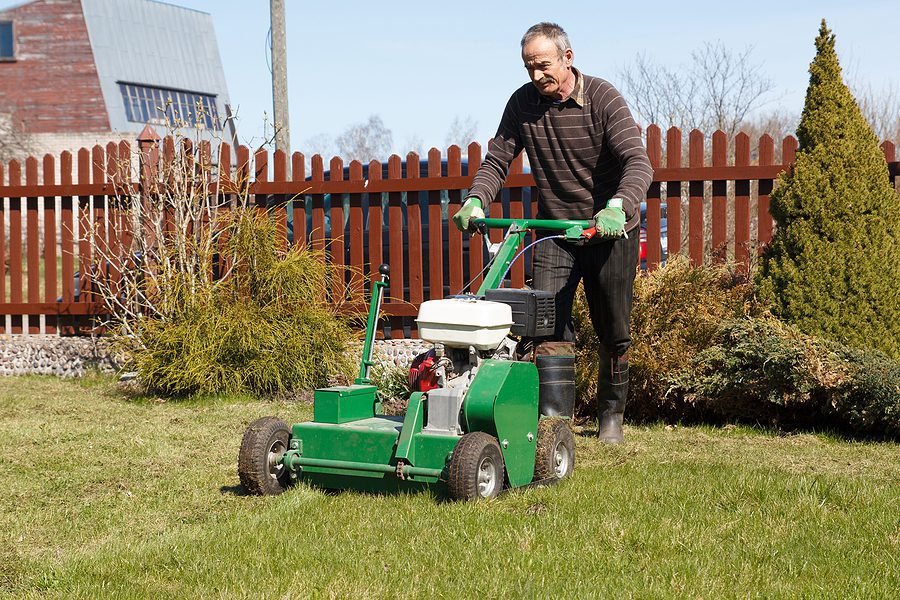
Lawn aeration is the process of perforating the soil with small holes to allow air, water, and nutrients to penetrate the grass roots. This helps the roots grow deeply and produce a stronger, more vigorous lawn.
There are two main types:
- Core (Plug) Aeration – Removes small plugs of soil and thatch from the lawn.
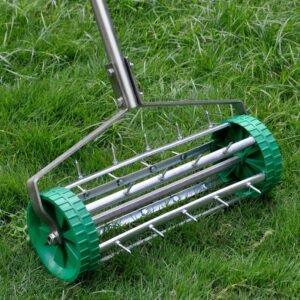
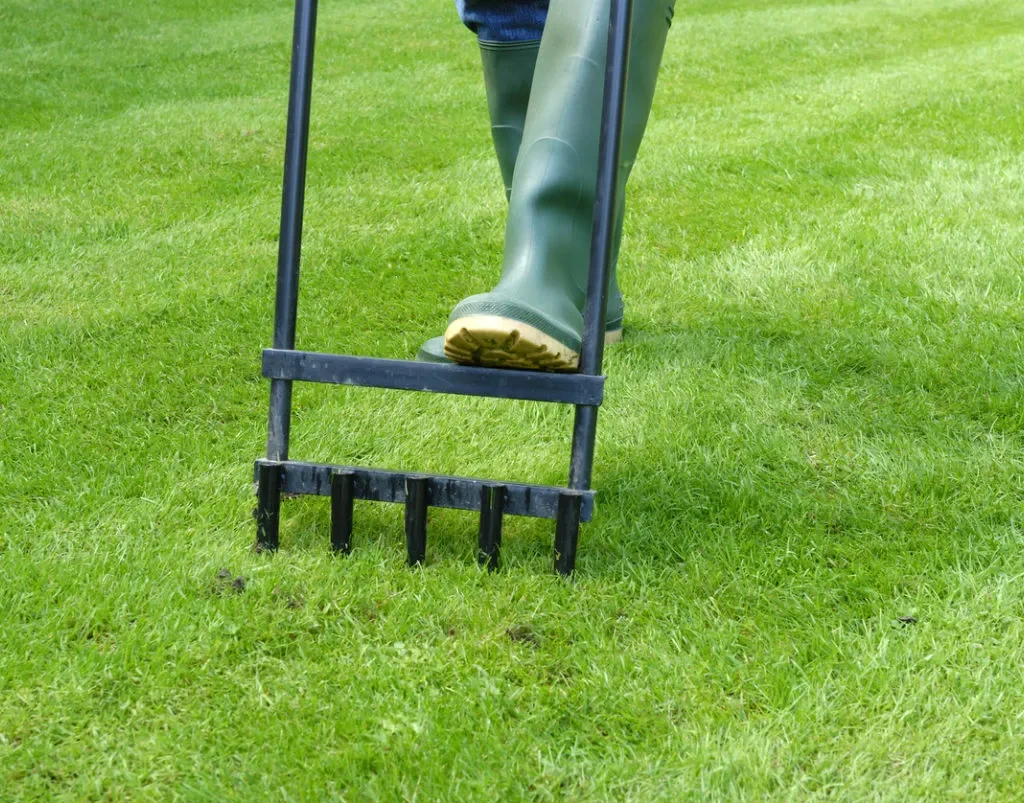
- Spike Aeration – Uses a solid tine or spike to poke holes in the ground without removing soil.
While both improve airflow and water absorption, core aeration is widely considered more effective, especially for compacted or clay-heavy soils.

Why Aeration Matters
Over time, the soil beneath your lawn becomes compacted. Factors that contribute to this include:
- Heavy foot traffic or mowing
- Poor soil structure (especially clay-heavy soils)
- Thatch buildup
- Construction or machinery movement on the lawn
Compacted soil restricts the flow of oxygen, water, and nutrients to the roots, essentially suffocating the grass. Aeration alleviates this by loosening the soil, breaking up the thatch, and encouraging healthy root development.
Benefits of Lawn Aeration
Experts agree that aeration offers numerous advantages when done correctly:
- Improves Soil Structure: Looser soil promotes root growth and nutrient absorption.
- Enhances Water Infiltration: Water penetrates more easily, reducing runoff and improving drought resistance.
- Reduces Thatch Accumulation: Core aeration helps break down thatch, a layer of dead organic matter.
- Encourages Root Growth: Deeper, healthier roots make for a thicker, greener lawn.
- Improves Fertilizer Effectiveness: Nutrients reach roots directly instead of getting stuck in thatch or runoff.
- Boosts Disease and Pest Resistance: Healthy lawns are more resilient to common problems.
Should You Aerate Your Lawn Every Year?
Short Answer: It depends.
While aeration is beneficial, annual aeration is not necessary for every lawn. The decision depends on several factors:
1. Soil Type
- Clay soils: Heavy clay compacts easily and benefits from yearly or even twice-yearly aeration.
- Sandy soils: These are naturally loose and may only need aeration every 2–3 years.
- Loam soils: Balanced soils fall somewhere in between; aerate every 1–2 years, depending on use and health.
2. Foot Traffic
- High traffic (kids, pets, sports, or riding mowers): Leads to compaction. Annual aeration is recommended.
- Low traffic: Less compaction means less frequent aeration is needed.
3. Thatch Buildup
- More than ½ inch of thatch: Aerate yearly or more to help break it up.
- Minimal thatch: Aerate only when other signs of stress appear.
4. Lawn Age and Health
- Older lawns or lawns with a history of neglect benefit from annual aeration.
- Well-maintained lawns may only need it every other year.
5. Climate and Growing Season
- Cool-season grasses (e.g., Kentucky bluegrass, fescue): Best aerated in early fall or spring.
- Warm-season grasses (e.g., Bermuda, zoysia, St. Augustine): Aerate in late spring to early summer when actively growing.
Expert Recommendations
What Do Lawn Care Professionals Say?
Dr. John Stier, Turfgrass Specialist:
“Annual aeration is ideal for high-traffic or clay-heavy lawns. But in well-structured, sandy soils, aerating every few years is often enough.”

University Extension Services:
- Recommend core aeration every year for lawns with compacted soil or heavy thatch.
- Emphasize timing it with the grass’s peak growing season for best results.
Lawn Care Companies:
Most professional services include annual aeration in maintenance programs, particularly for clients wanting lush, resilient grass.
How to Know If Your Lawn Needs Aeration
Here are signs your lawn might benefit from aeration:
- Water puddles or runs off quickly instead of soaking in
- Grass looks thin or patchy despite watering and fertilizing
- Hard or compacted soil that resists penetration
- Excessive thatch layer (more than ½ inch)
- Lawn has heavy foot or vehicle traffic
- Discoloration or slow growth, especially in dry periods
Tip: Use a screwdriver test—if you can’t easily push a screwdriver into the soil, it’s likely too compacted.
Aeration Frequency Chart
| Lawn Condition | Recommended Aeration Frequency |
|---|---|
| High traffic (sports, pets) | Every year |
| Clay soil | Every year |
| Sandy soil | Every 2–3 years |
| Excess thatch (>½ inch) | Every year |
| Minimal traffic and good soil | Every 2–3 years |
| New or neglected lawn | Annually for first few years |
How to Aerate Your Lawn (DIY or Hire?)
DIY Aeration
Rent a core aerator from a hardware store or garden center. Expect to pay $60–$100 for a half-day rental.
Steps:

- Water lawn 1–2 days before (soft soil makes aeration easier).
- Make multiple passes in different directions.
- Leave soil plugs on the lawn to decompose naturally.
- Follow up with overseeding and fertilizing for optimal results.
Pros: Lower cost, flexible timing.
Cons: Labor-intensive, equipment can be bulky.
Professional Aeration Services
- Typically cost $75–$200 depending on yard size.
- Pros use efficient equipment and may bundle with overseeding or topdressing.
Pros: Time-saving, more consistent results.
Cons: Higher cost, dependent on appointment availability.
Best Time to Aerate
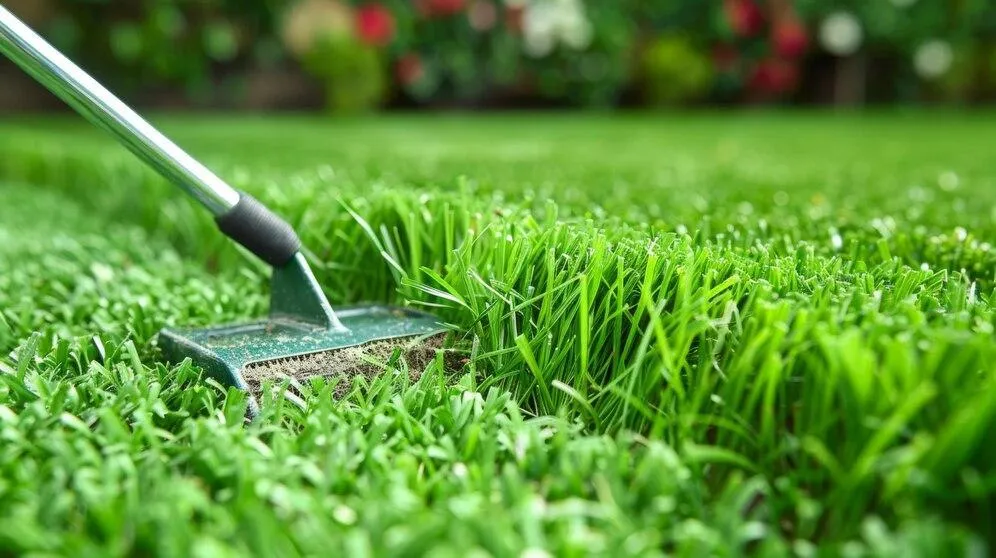
Timing is critical to ensure grass recovers quickly and takes full advantage of the loosened soil.
Cool-Season Grasses:
- Aerate in early fall (September–October) or early spring (March–April).
- Avoid mid-summer or deep winter when grass is dormant.
Warm-Season Grasses:
- Late spring to early summer (May–June) when growth is active.
- Don’t aerate in fall or winter, as it may stress the turf.
Should You Aerate Before Overseeding or Fertilizing?
Absolutely. Aeration creates ideal conditions for both:
- Overseeding: Seeds fall into the holes, improving soil contact and germination rates.
- Fertilizing: Nutrients are better absorbed when the soil is loose and uncompacted.
Tip: Combine aeration with overseeding and fertilizing for a full lawn renovation boost.

When You Might Skip Aeration
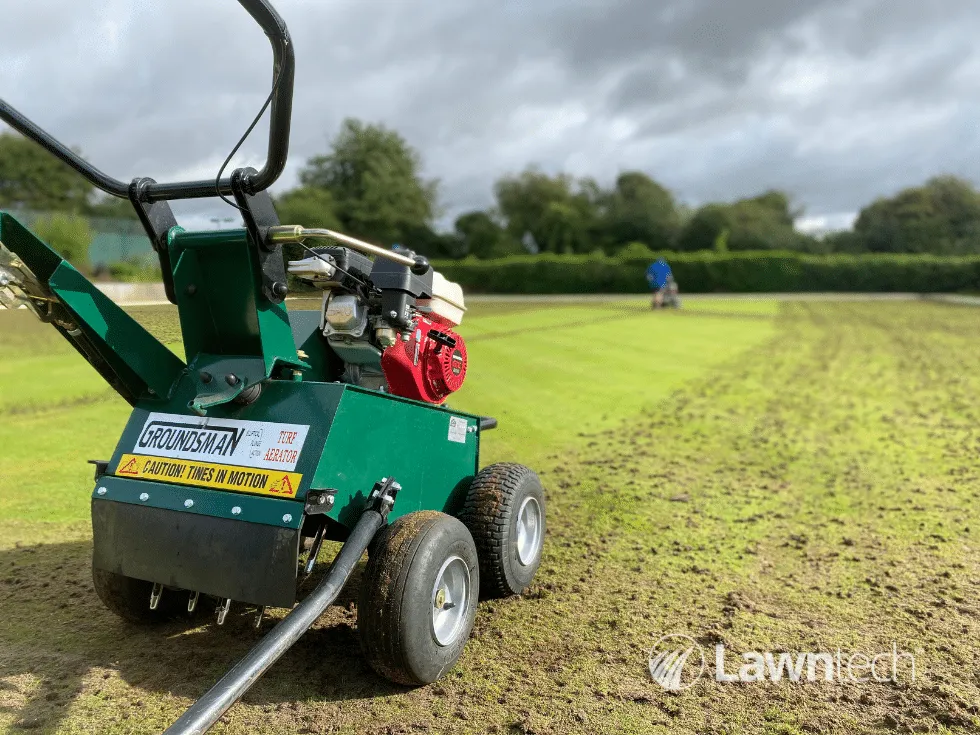
There are a few situations when annual aeration isn’t necessary:
- Your lawn grows on light, sandy soil with good drainage.
- You have low foot traffic and little or no thatch.
- You already use other methods to prevent compaction, such as topdressing or mulching.
In such cases, aerating every 2–3 years may be perfectly sufficient.
Common Mistakes to Avoid
- Aerating during dormancy: Can harm grass instead of helping.
- Using spike aerators on compacted soil: May increase compaction over time.
- Not watering before aeration: Makes it harder for tines to penetrate.
- Skipping post-aeration care: Overseeding and fertilizing after aeration maximize benefits.
Conclusion
So, should you aerate your lawn every year? The answer depends on your lawn’s soil type, traffic level, climate, and condition. For compacted, clay-heavy, or high-use lawns, annual aeration is highly beneficial. For others, especially those with sandy soil and minimal use, aerating every 2–3 years may be enough.
Lawn aeration isn’t a one-size-fits-all solution—but when applied correctly, it’s one of the most powerful tools for building a greener, healthier lawn. Whether you choose DIY or hire a pro, understanding when and how to aerate can save you money, conserve water, and give you the thriving yard you’re aiming for.