Few things ruin a summer evening faster than a swarm of mosquitoes. These tiny insects are more than just annoying—they’re also potential carriers of diseases such as West Nile virus, Zika, and dengue. For many homeowners, spraying the yard with mosquito treatments seems like a quick and obvious solution. But is it really the best approach?
The answer isn’t straightforward. While spraying can reduce mosquito populations temporarily, it also comes with drawbacks for human health, beneficial insects, pets, and the environment. To decide whether spraying is right for you, it’s important to weigh the pros and cons, explore safer alternatives, and understand how mosquito control actually works.
In this article, we’ll take a deep dive into the benefits, risks, and natural options so you can make an informed decision for your yard.
Why Mosquitoes Are More Than a Nuisance
Mosquitoes are often dismissed as a seasonal irritation, but their impact goes beyond itchy bites.
Health risks associated with mosquitoes include:
- West Nile virus: Common in many regions of the U.S., transmitted through mosquito bites.
- Zika virus: Although less common, outbreaks have occurred and can cause severe birth defects.
- Dengue fever and malaria: More common in tropical regions but spreading globally due to climate change.
- Heartworm in pets: Mosquitoes transmit heartworm larvae, a serious condition for dogs and cats.
Even if disease risk is low in your area, mosquito bites can cause allergic reactions, skin infections from scratching, and significant discomfort that keeps families indoors instead of enjoying their backyards.

What Does Spraying Involve?
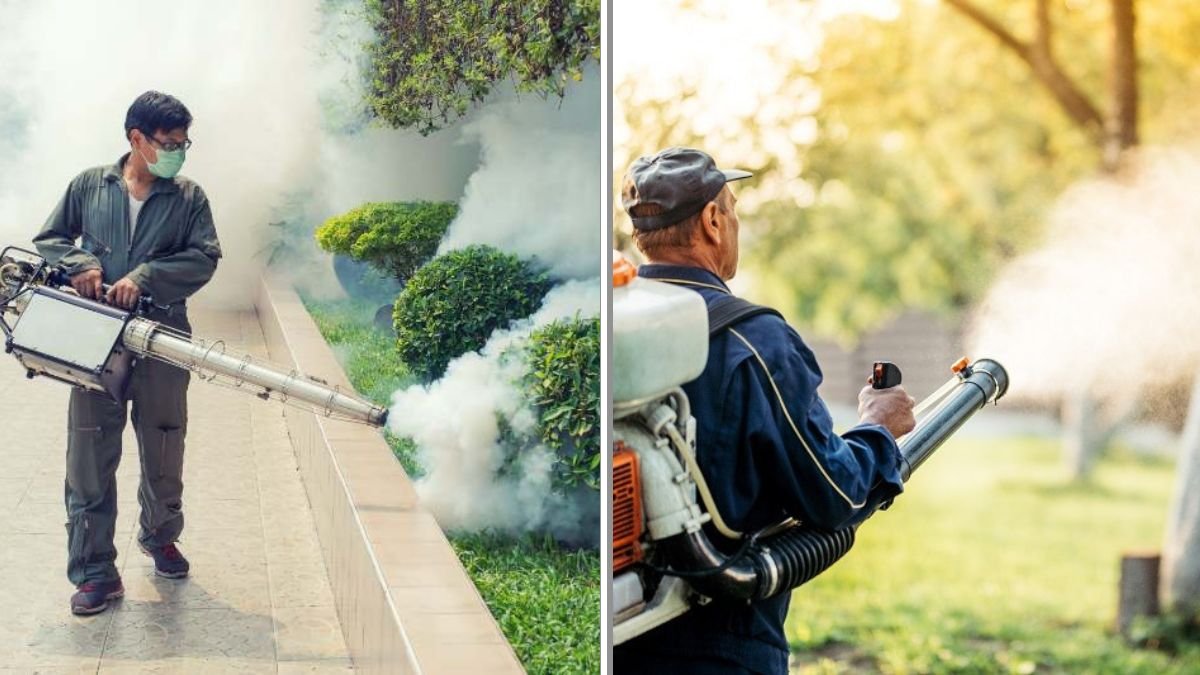
Mosquito spraying usually refers to applying insecticides, either through professional services or DIY products.
Two main types of spraying are common:
- Barrier sprays: Applied to shrubs, grass, and outdoor structures to kill mosquitoes on contact and leave a residue that repels them for weeks.
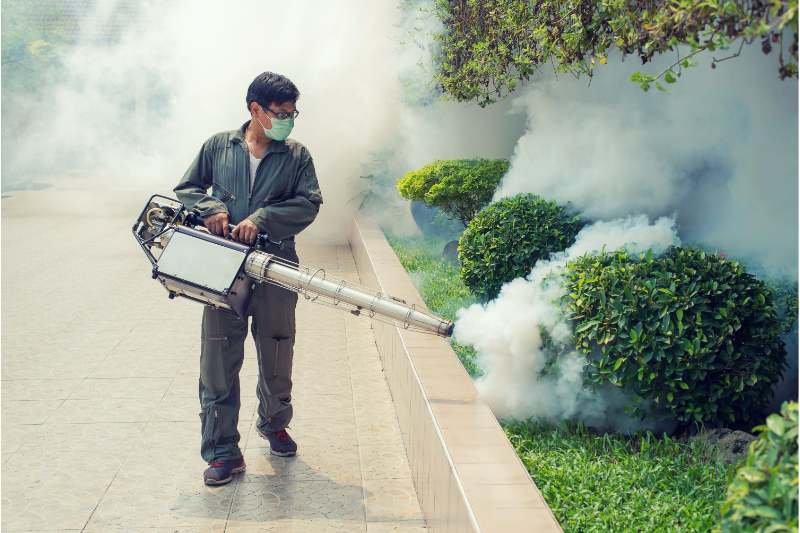
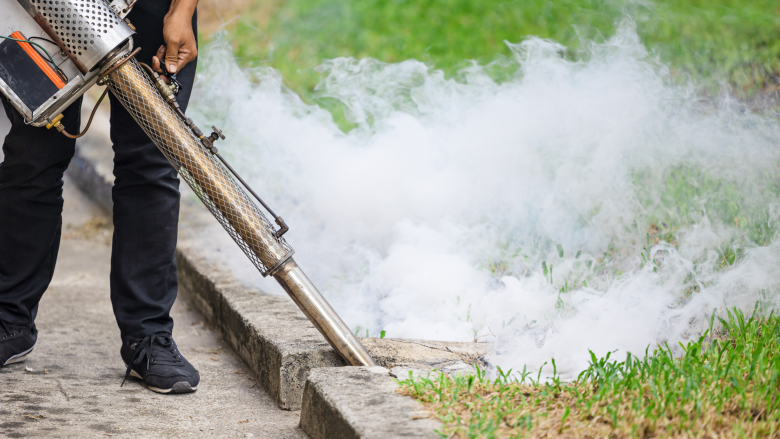
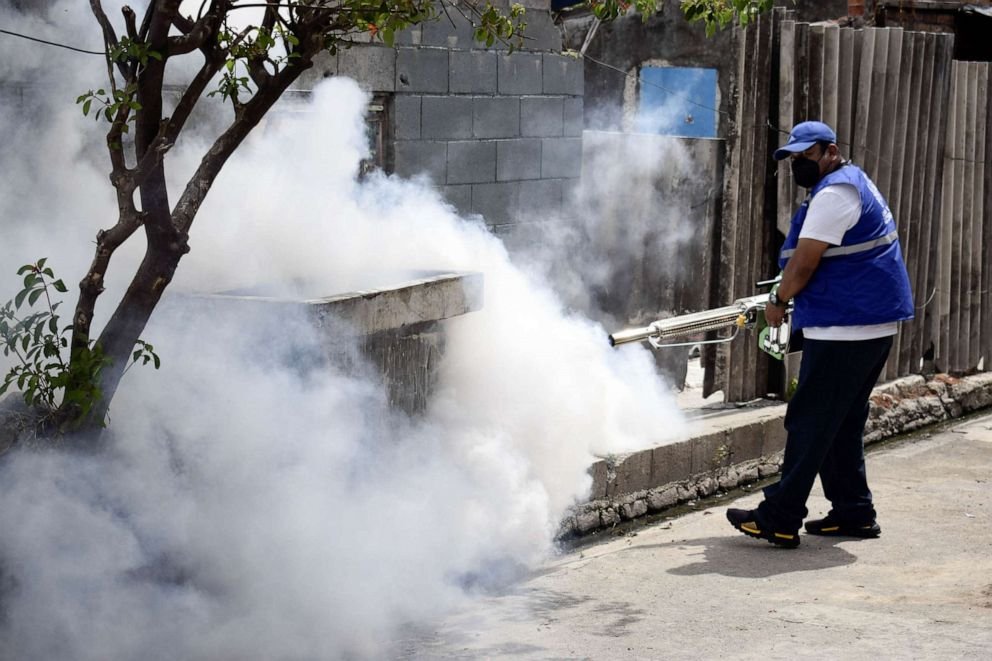
- Fogging or misting: Releases a fine insecticide mist into the air, killing mosquitoes currently flying. Effects are short-lived, often lasting only a few hours.
Professional companies often use pyrethroids, synthetic chemicals modeled after chrysanthemum extracts. While effective against mosquitoes, these chemicals don’t discriminate—they can harm many other insects and even affect people and pets if not used correctly.
Pros of Spraying for Mosquitoes

Spraying does provide benefits, which is why it’s so popular:
- Immediate Relief: Sprays can drastically reduce mosquito activity within hours, providing quick comfort for outdoor gatherings.
- Short-Term Protection: Barrier sprays may provide two to four weeks of reduced mosquito presence.
- Convenience: Hiring a professional service means homeowners don’t have to deal with applications themselves.
- Targeted Events: Sprays are sometimes used before weddings, parties, or outdoor celebrations to keep guests comfortable.
For homeowners facing heavy mosquito infestations, spraying can feel like the only way to reclaim their yard.
The Downsides of Spraying
However, spraying isn’t without consequences.

- Limited Effectiveness: Sprays only kill mosquitoes present at the time of application. New ones quickly migrate in from surrounding areas.
- Short Duration: Even with barrier sprays, protection rarely lasts more than a few weeks, meaning repeated treatments are needed.
- Impact on Pollinators: Insecticides can kill butterflies, bees, and other beneficial insects that help gardens thrive.
- Harm to Wildlife: Chemicals may wash into ponds or streams, affecting fish, frogs, and other aquatic life.
- Health Concerns: While considered generally safe when applied properly, insecticides may irritate skin, trigger allergies, or cause respiratory discomfort in sensitive individuals. Pets can also be affected if they come into contact with freshly sprayed surfaces.
- Cost: Professional mosquito spraying services can become expensive over the summer months, especially with repeat treatments required.
Because of these concerns, experts often recommend considering spraying only as a last resort, paired with other mosquito control methods.
Natural Alternatives to Spraying
Before resorting to chemical sprays, it’s worth exploring natural, eco-friendly approaches. These methods focus on reducing mosquito breeding grounds and making your yard less appealing to them.
1. Eliminate Standing Water
Mosquitoes lay eggs in stagnant water—even small amounts in a flowerpot saucer or clogged gutter can become breeding grounds. Regularly empty, scrub, or treat items like birdbaths, kiddie pools, and rain barrels.
2. Encourage Natural Predators
- Birds such as purple martins and swallows feed on flying insects.
- Bats can eat hundreds of mosquitoes per night.
- Dragonflies and frogs are natural mosquito hunters.
By creating habitats that attract these predators (birdhouses, bat boxes, or ponds), you support natural mosquito control.
3. Plant Mosquito-Repelling Plants
While not foolproof, plants like citronella grass, lavender, basil, marigolds, and lemongrass can help repel mosquitoes when planted around seating areas.

4. Use Fans Outdoors
Mosquitoes are weak fliers. A strong oscillating fan on a patio can dramatically reduce bites by creating air movement they can’t navigate.
5. Essential Oils and Repellents
Citronella candles, eucalyptus oil, and lemon balm sprays provide localized protection. While effects are temporary, they’re safe and pleasant-smelling.
6. Mosquito Traps and Zappers
Modern traps use carbon dioxide or UV light to attract and kill mosquitoes without chemicals.
These methods don’t offer instant elimination like spraying but provide long-term, sustainable relief.
Integrated Pest Management: A Smarter Approach
Rather than choosing between spraying or not spraying, many experts recommend Integrated Pest Management (IPM). This method combines multiple strategies:
- Prevention: Remove breeding grounds by draining standing water.
- Physical Barriers: Install screens on patios, use mosquito netting, or add outdoor fans.
- Biological Control: Encourage predators and use larvicides like Bti (a natural bacteria that kills mosquito larvae but is safe for other wildlife).
- Chemical Sprays as a Last Resort: Use sparingly for special occasions or severe infestations.
This balanced approach reduces mosquito populations while minimizing harm to the environment.

When Spraying Might Make Sense
Spraying isn’t inherently bad—it just needs to be applied carefully and in the right circumstances.
You might consider spraying if:
- Your yard is heavily infested and natural methods haven’t helped.
- You’re hosting an outdoor event where comfort and protection are priorities.
- You or your family members are highly sensitive to mosquito bites or at greater risk from mosquito-borne illnesses.
In such cases, hiring a licensed professional is recommended. They’ll know how to apply insecticides safely, targeting problem areas while minimizing risks to pollinators and pets.
How to Make Spraying Safer

If you decide to spray, here are steps to reduce the risks:
- Choose a reputable company that uses EPA-approved products.
- Ask about timing—sprays should be applied early morning or late evening when bees are less active.
- Keep children and pets indoors until the spray has dried completely.
- Avoid spraying flowering plants to protect pollinators.
- Pair spraying with preventive measures like water removal for better results.
By using sprays responsibly and sparingly, you can reduce mosquitoes without unnecessary harm.
Final Thoughts
So, should you spray for mosquitoes in your yard? The answer depends on your situation. Spraying can offer quick, short-term relief, especially for special occasions or severe infestations. However, it’s not a permanent solution and carries risks to pollinators, pets, wildlife, and even people if misused.

For most households, the best approach is prevention and integrated pest management—draining standing water, encouraging natural predators, planting mosquito-repelling plants, and using physical barriers like fans and screens. Spraying should be a last resort, not the first line of defense.
By carefully weighing the pros and cons, you can make an informed decision that protects your family while preserving the health of your garden and local ecosystem. After all, the goal isn’t just a mosquito-free yard—it’s a safe, vibrant outdoor space you can enjoy all season long.