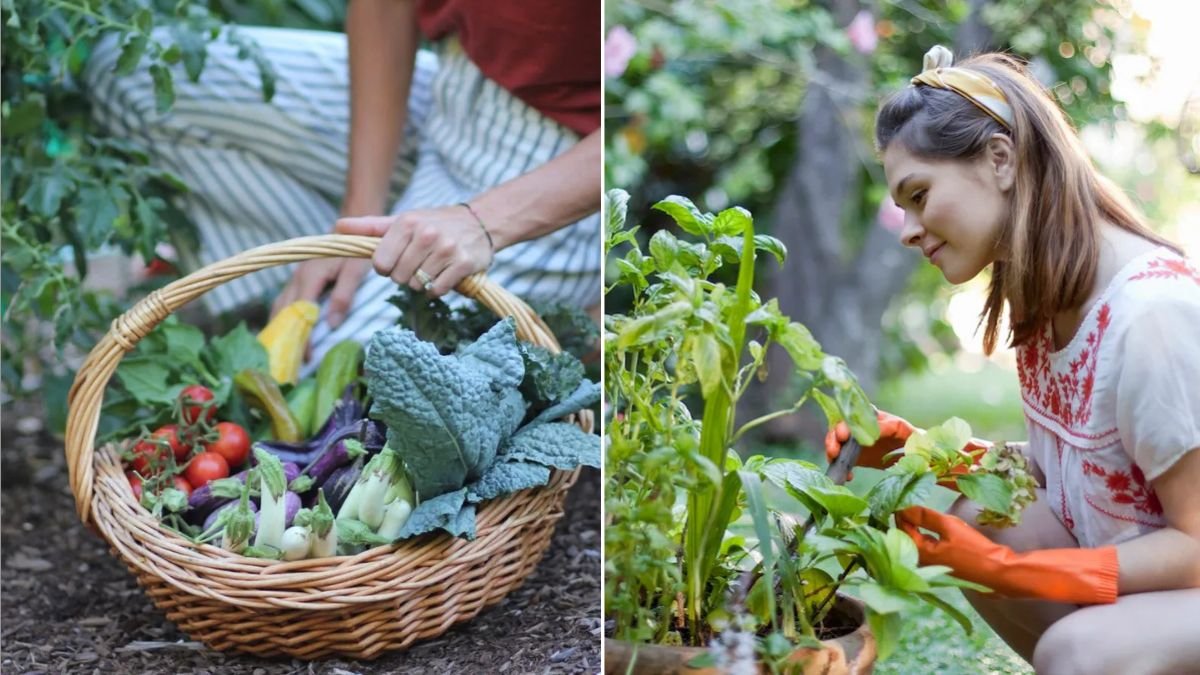
Companion planting has long been a favorite topic among gardeners. The idea is simple: certain plants grow better when planted together, while others can harm one another. Gardeners have passed down these tips for centuries—pairing tomatoes with basil, or beans with corn, for example. But how much of this advice is based on tradition, and how much is backed by science? Should you really try companion planting in your own garden?
We spoke with gardening experts and reviewed the research to break down the benefits, potential drawbacks, and practical strategies of companion planting.
What Is Companion Planting?
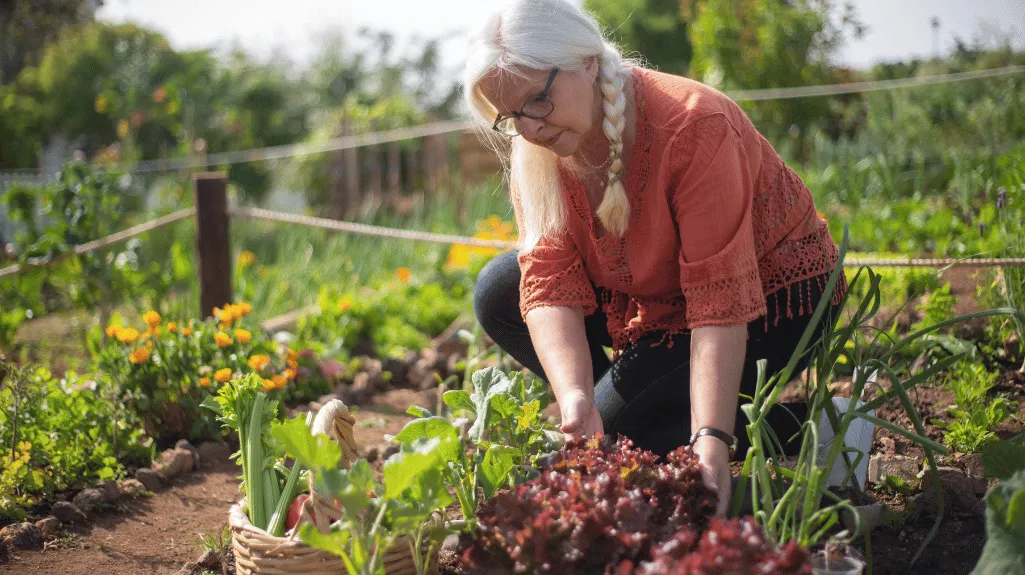
Companion planting is the practice of placing specific plants next to each other in the garden to encourage growth, improve flavor, or deter pests. Instead of planting large blocks of a single crop (monoculture), companion planting relies on diversity—just like natural ecosystems.
There are a few main reasons people practice it:

- Pest Control: Some plants repel insects that harm neighboring crops.
- Pollination Support: Flowers attract beneficial insects, improving crop yields.
- Nutrient Sharing: Certain plants, like legumes, enrich the soil for others.
- Space Efficiency: Different root depths and growth patterns let you grow more in less space.
The Benefits of Companion Planting
Experts generally agree that companion planting can have real benefits—though not every claim holds equal weight.
1. Natural Pest Management
Strong-scented plants like marigolds, basil, and onions can deter pests such as aphids, beetles, and nematodes. For instance, planting carrots near onions can help repel carrot flies.
Expert Take: “Companion planting works best when paired with good gardening practices,” says Dr. Helen Rowe, a horticulture professor. “It’s not a cure-all, but it can reduce pest pressure without relying on chemicals.”
2. Improved Pollination
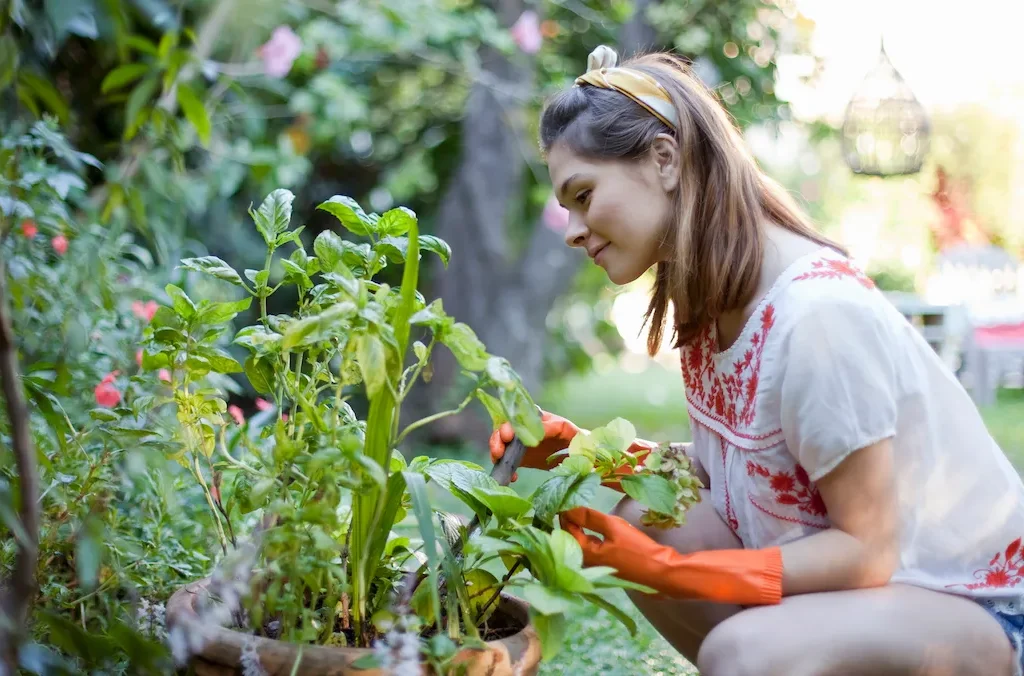
Flowers such as lavender, sunflowers, and borage draw pollinators to your garden. When bees and butterflies come for nectar, they often pollinate your vegetables, too.

3. Soil Health and Nutrients
Legumes like beans and peas fix nitrogen in the soil, enriching it for nitrogen-hungry crops like corn or leafy greens. This makes crop rotation and companion planting natural soil enhancers.
4. Maximized Space
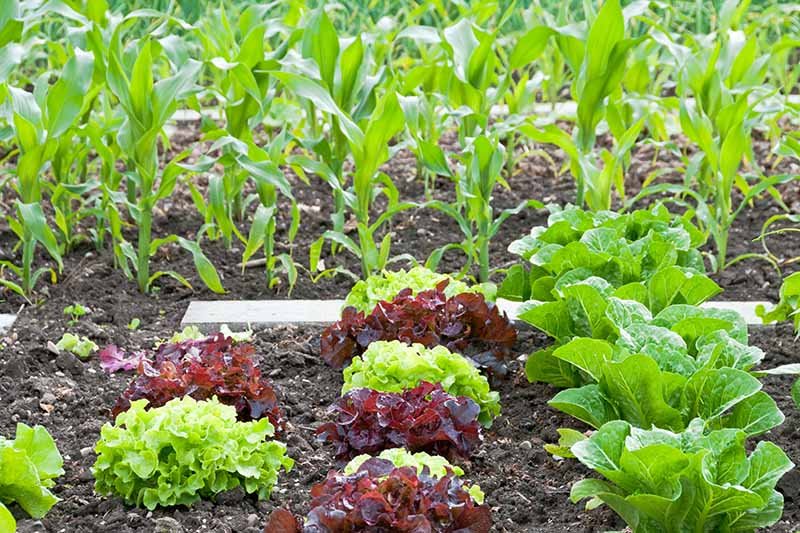
Tall plants can provide shade for crops that prefer cooler soil. For example, corn offers natural support for climbing beans, while squash spreads at ground level, suppressing weeds—a trio famously known as the “Three Sisters” planting method.
Popular Companion Planting Combinations
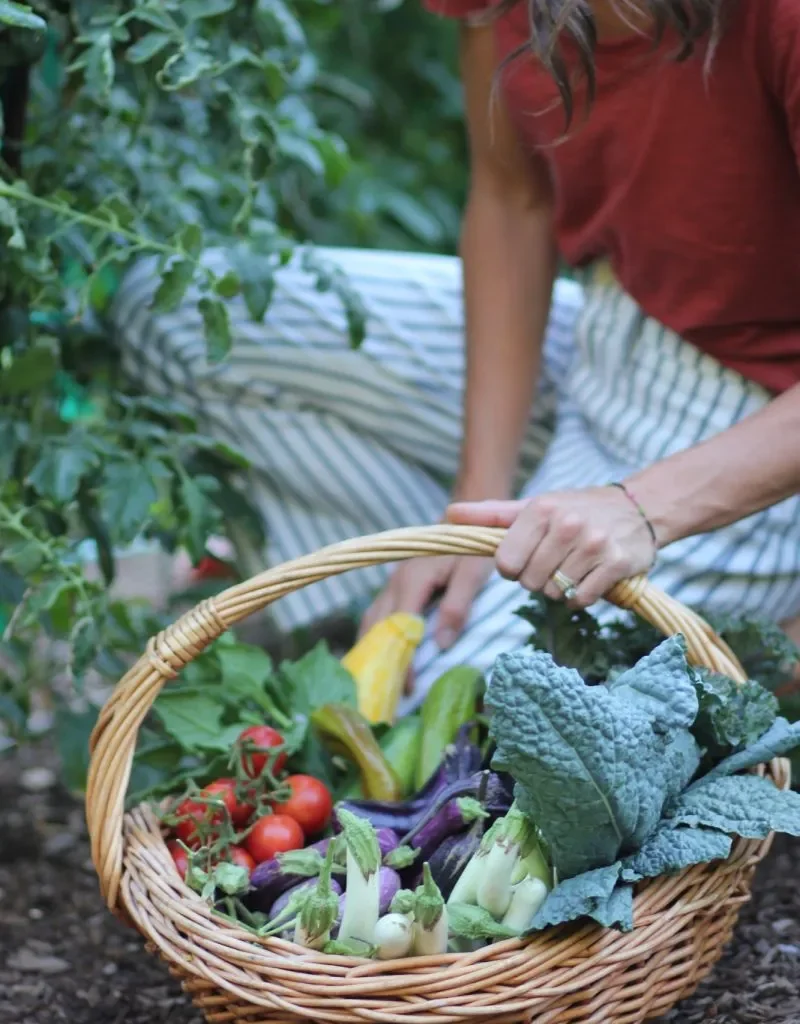
Here are some tried-and-true pairings gardeners swear by:
- Tomatoes + Basil: Basil may deter tomato hornworms and can improve tomato flavor.
- Corn + Beans + Squash: The traditional Native American “Three Sisters” system.
- Carrots + Onions: Onion scent confuses carrot flies.
- Cabbage + Dill: Dill attracts beneficial insects like wasps that prey on cabbage worms.
- Lettuce + Radishes: Radishes mature quickly, creating space for slow-growing lettuce.
Myths and Misconceptions
While companion planting has many benefits, not every claim holds up under scientific scrutiny.

- Flavor Enhancement: The idea that basil automatically improves tomato flavor is debated. Some gardeners notice a difference, but research is limited.
- All-in-One Pest Solutions: Companion planting can help, but it won’t eliminate all pests. Integrated pest management (crop rotation, soil care, barriers) is still essential.
- One-Size-Fits-All: What works in one region may not work in another due to climate, soil, and pest variations.
The Downsides of Companion Planting
While generally low-risk, companion planting does come with challenges:
- Competition for Resources: Some combinations can stunt growth if plants compete for light, water, or nutrients.
- Complex Planning: Companion planting requires forethought and record-keeping. It may not be ideal for beginner gardeners.
- Inconsistent Results: Because many claims come from tradition rather than research, not all pairings will work for every gardener.
Expert Note: “Companion planting is not magic. It’s about creating beneficial relationships between plants, but gardeners still need to pay attention to soil, spacing, and maintenance,” says Jeff Logan, an organic farming consultant.
Expert Recommendations: How to Do It Right
If you want to try companion planting, here’s what experts suggest:
- Start Small: Experiment with one or two pairings before redesigning your entire garden.
- Observe and Record: Take notes on what works in your specific conditions.
- Use Native Plants: Local flowers and herbs attract pollinators better than exotic varieties.
- Combine with Other Practices: Rotate crops, mulch, and maintain soil health for best results.
- Balance Diversity and Order: While diversity helps, overcrowding plants can backfire.
Should You Try Companion Planting?

So, is companion planting worth the effort? Most experts agree: yes—with realistic expectations.

It’s unlikely to be a silver bullet, but it can:
- Reduce reliance on pesticides
- Improve soil naturally
- Attract pollinators
- Make your garden more resilient and productive
If you enjoy experimenting and observing your plants, companion planting is a rewarding approach. Even if results vary, the added biodiversity almost always benefits the overall ecosystem in your yard.
Final Thoughts
Companion planting blends centuries of gardening wisdom with modern ecological understanding. While not every traditional pairing is backed by science, many strategies—like combining legumes with heavy feeders, or planting flowers alongside vegetables—have proven benefits.
At its core, companion planting is about working with nature rather than against it. By embracing diversity, supporting pollinators, and experimenting with plant partnerships, you can create a garden that’s healthier, more productive, and more enjoyable.

So, should you try companion planting? Absolutely—just start small, keep an open mind, and let your garden (and the experts) show you what works best.