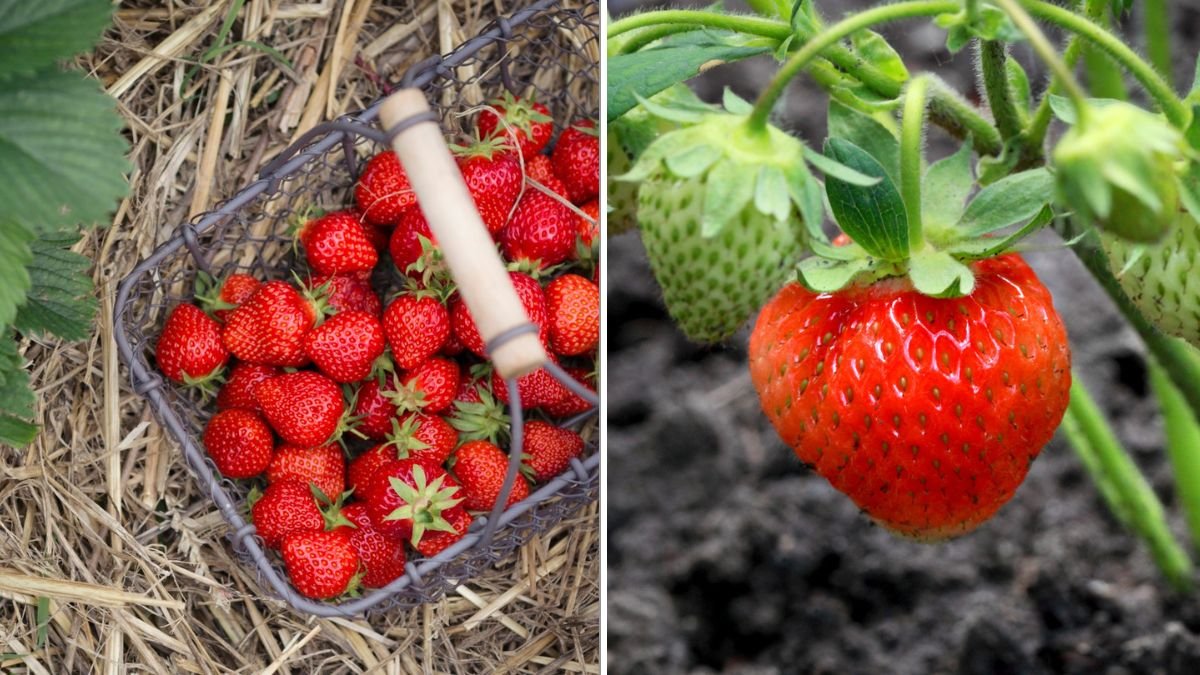
Few garden rewards are sweeter than the sight of plump, ruby-red strawberries glistening under the sun. Whether you grow them in containers, raised beds, or hanging baskets, one secret determines your harvest success more than any other: fertilizer.
Strawberries are relatively low-maintenance plants, but they are heavy feeders during the growing season. Give them the right nutrients, and you’ll enjoy vigorous plants that produce large, sweet, and flavorful fruit. Give them the wrong fertilizer—or none at all—and you’ll end up with weak growth, pale leaves, and disappointing yields.
In this guide, we’ll explore everything you need to know about choosing the best fertilizer for strawberry plants—from understanding nutrient needs to timing applications for maximum fruiting.
Why Fertilizing Strawberries Is So Important
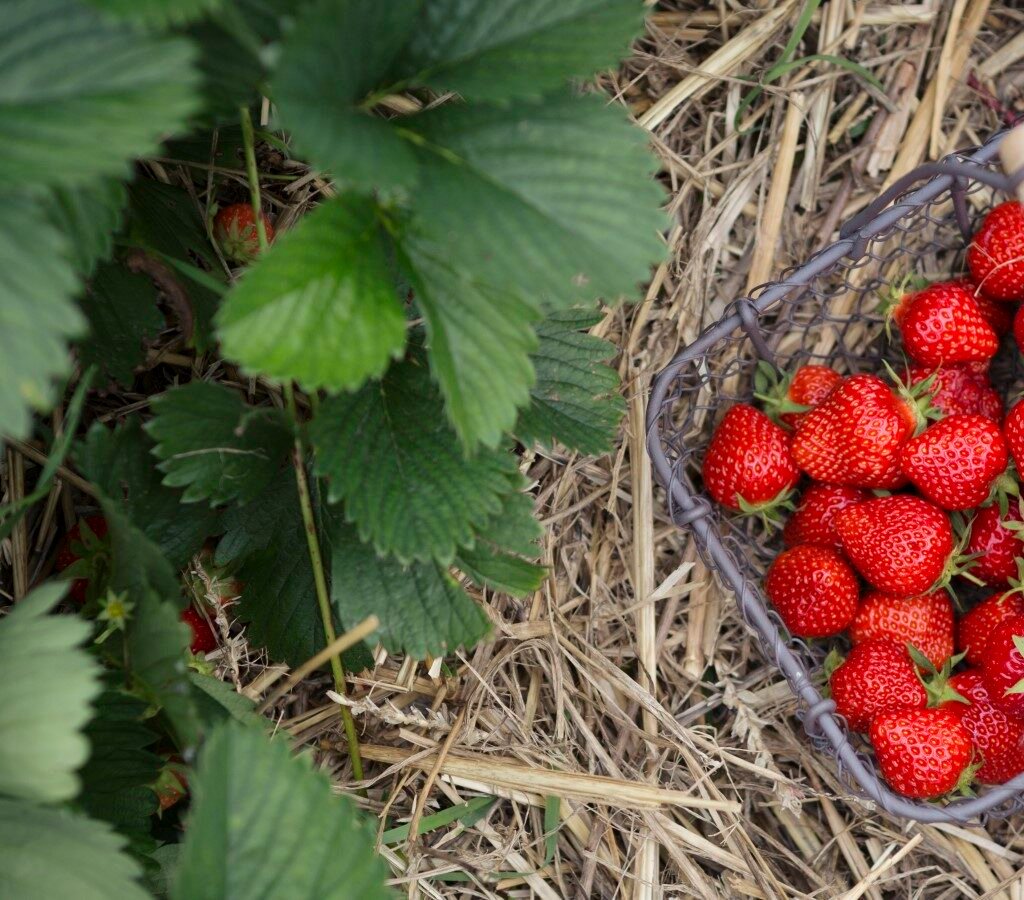
Strawberries are perennial plants, which means they live for several years. Over time, they deplete the soil of nutrients, especially nitrogen, phosphorus, and potassium—the three macronutrients essential for plant health.
Without enough of these, you’ll notice:
- Small or fewer berries
- Pale, yellowing leaves
- Weak runners or slow growth
- Poor resistance to disease
Proper fertilization replenishes what the plants use up and keeps them productive season after season. But it’s not just about dumping any fertilizer into the soil—you need to match your feeding routine to your plant’s growth stages.
Understanding Strawberry Nutrient Needs
Before picking a fertilizer, let’s break down what your strawberry plants actually crave:
1. Nitrogen (N):
- Promotes leafy, green growth.
- Crucial early in the season, but too much can lead to excess foliage and few fruits.
2. Phosphorus (P):
- Encourages strong roots and abundant flowering.
- Essential for setting fruit.
3. Potassium (K):
- Boosts fruit quality—flavor, color, and size.
- Improves disease resistance.
4. Secondary Nutrients and Micronutrients:
- Calcium, magnesium, sulfur, iron, and manganese support overall plant health and sweetness of berries.
A balanced fertilizer delivers these in the right ratio, but that ratio depends on your soil and the time of year.
Step 1: Test Your Soil Before You Feed
Before fertilizing, always test your soil pH and nutrient levels. Strawberries prefer slightly acidic soil with a pH between 5.5 and 6.5.
If the soil is too alkaline, the plants can’t absorb nutrients effectively, no matter how much fertilizer you use. You can fix this by incorporating elemental sulfur or peat moss to lower the pH.

Step 2: Know When to Fertilize Strawberries
Timing is everything. Applying the right fertilizer at the right stage ensures strong growth and maximum fruit yield.
1. Early Spring (Pre-Flowering Stage):
- Focus: Building strong roots and leaves.
- Use: A balanced or slightly nitrogen-rich fertilizer (e.g., 10-10-10 or 12-12-12).
- Application: Lightly work fertilizer into the soil around each plant as new growth emerges.
2. After Flowering (Fruiting Stage):
- Focus: Producing large, sweet berries.
- Use: A fertilizer higher in potassium and phosphorus, such as 4-6-8 or 5-10-10.
- Application: Avoid nitrogen-heavy feeds now—it can reduce fruit size and sweetness.
3. Post-Harvest (Renovation Stage):
- Focus: Rebuilding plant strength for next season.
- Use: A balanced fertilizer again (e.g., 10-10-10) to restore nutrients.
- Application: After trimming old leaves and runners, apply lightly and water thoroughly.
For everbearing and day-neutral varieties that produce fruit throughout the season, smaller, more frequent applications work best every 4–6 weeks.
Step 3: Choose the Right Type of Fertilizer
There are two main categories of strawberry fertilizers: organic and synthetic. Both can work, but the right choice depends on your gardening style and goals.
Organic Fertilizers (Natural and Slow-Release)
Organic fertilizers improve soil structure, boost microbial activity, and release nutrients gradually. They’re perfect for gardeners who prefer an eco-friendly approach.

Best Organic Fertilizer Options for Strawberries:
- Compost: Enriches soil and improves moisture retention. Mix it into the bed before planting or use as top-dressing.
- Fish Emulsion (5-1-1): Provides a quick nitrogen boost in early spring.
- Bone Meal (3-15-0): High in phosphorus for strong roots and blossoms.
- Blood Meal (12-0-0): Adds nitrogen for early growth, but use sparingly.
- Kelp or Seaweed Extract (1-0-4): Increases potassium and trace minerals, enhancing fruit flavor and stress tolerance.
- Manure (aged): Adds organic matter, but never use fresh manure—it can burn plants or introduce pathogens.
Synthetic (Chemical) Fertilizers (Fast-Acting)
These fertilizers deliver nutrients quickly and precisely. They’re great if you need rapid growth or correction of nutrient deficiencies.
Popular Synthetic Fertilizers for Strawberries:
- 10-10-10 or 12-12-12: Balanced for general growth.
- 5-10-10: Ideal during flowering and fruiting stages.
- 20-20-20 Water-Soluble Fertilizer: Great for quick absorption through roots and leaves.
Step 4: How to Apply Fertilizer Correctly
No matter which fertilizer you choose, proper application ensures your strawberries get the maximum benefit without damage.
For In-Ground Plants:
- Spread fertilizer evenly around the base, about 3–4 inches away from the crown to avoid burning.
- Lightly work it into the top inch of soil.
- Water thoroughly after application to help nutrients soak in.
For Container or Hanging Basket Plants:
- Use a liquid or water-soluble fertilizer for even distribution.
- Feed every 2–3 weeks during active growth.
- Flush the soil occasionally to prevent salt buildup from repeated feeding.
Step 5: Don’t Forget Water Management
Fertilizer works best when paired with consistent watering. Strawberries have shallow roots and need 1–1.5 inches of water per week.

- Water early in the morning to reduce evaporation.
- Avoid overhead watering when plants are flowering to prevent fungal diseases.
- Use mulch (straw, pine needles, or bark chips) to retain moisture and maintain acidity.
Step 6: Recognize Signs of Nutrient Imbalance
Even experienced gardeners can misjudge fertilizer needs. Watch your plants—they’ll tell you what they need.
| Symptom | Possible Cause | Solution |
|---|---|---|
| Yellowing leaves | Nitrogen deficiency | Apply a nitrogen-rich fertilizer or fish emulsion |
| Poor flowering | Low phosphorus | Use bone meal or a high-phosphorus formula (5-10-10) |
| Weak fruit or poor flavor | Low potassium | Add kelp meal or potash |
| Burned leaf edges | Overfertilization | Flush soil with water; reduce feeding frequency |
Step 7: Seasonal Maintenance and Soil Renewal
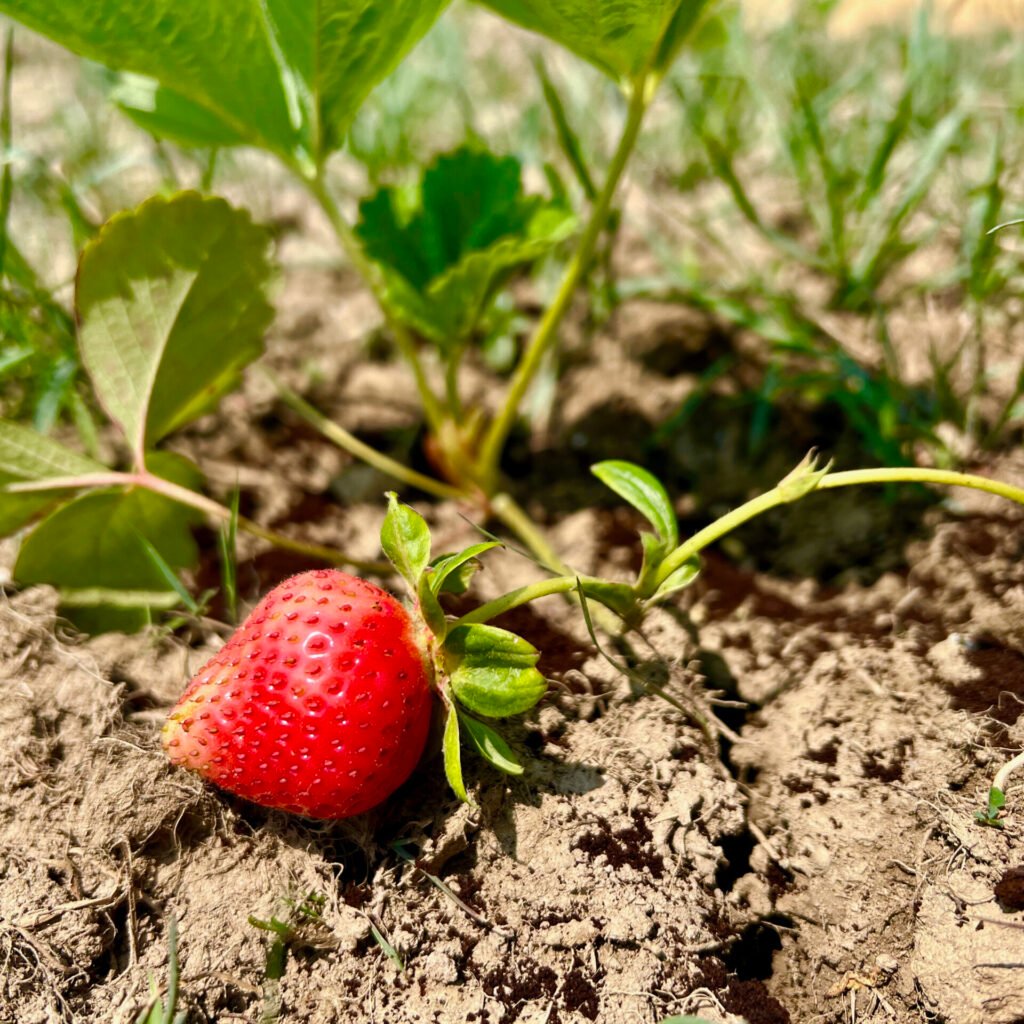
Strawberries perform best in soil that’s regularly enriched with organic matter. At the end of each season:
- Remove dead leaves and runners.
- Work in compost or aged manure to replenish nutrients.
- Check pH annually and adjust as needed.
For container-grown strawberries, refresh the potting mix every 1–2 years. Old soil loses structure and fertility over time.
Top Recommended Fertilizers for Strawberry Plants
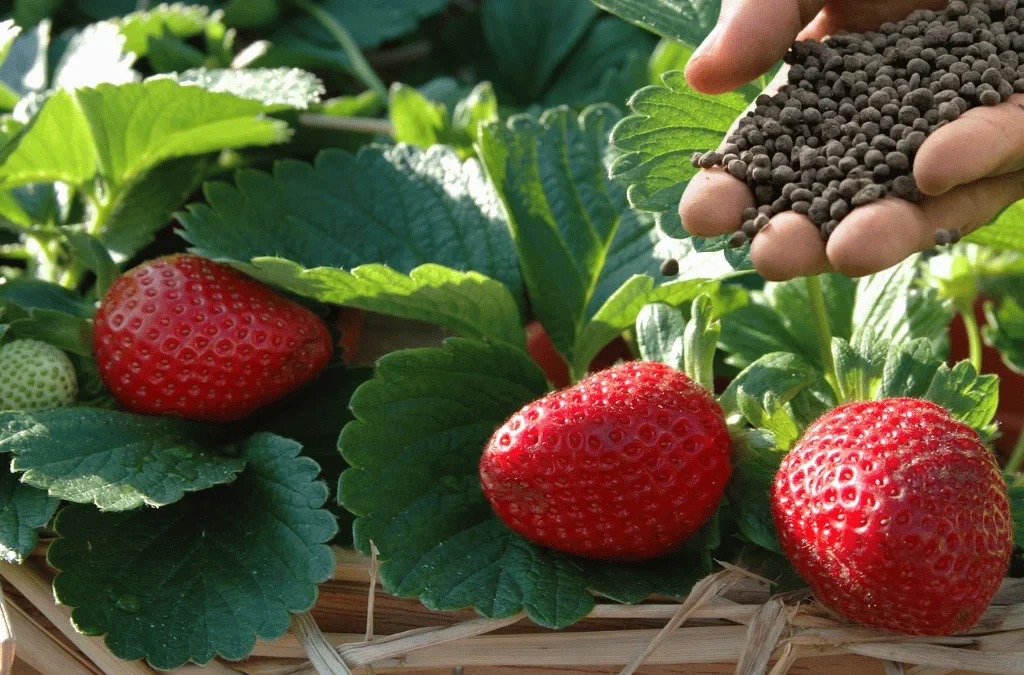
Here are some trusted brands and formulations (available in most garden stores or online):
Organic Options:
- Espoma Organic Berry-Tone (4-3-4): Designed specifically for strawberries and other berries.
- Dr. Earth Organic Fruit Tree Fertilizer (5-5-2): Contains beneficial microbes and slow-release nutrients.
- Jobe’s Organics Berry Fertilizer Spikes (3-5-5): Convenient slow-release spikes for easy feeding.
Synthetic Options:
- Miracle-Gro Water Soluble All-Purpose (24-8-16): Great for quick nutrient delivery.
- Jack’s Classic Blossom Booster (10-30-20): Promotes flower and fruit development.
- Osmocote Smart-Release Plant Food (14-14-14): Long-lasting, balanced nutrition.
Final Thoughts
Finding the best fertilizer for strawberry plants isn’t about choosing one magic product—it’s about understanding your soil, your plant’s needs, and the growing season.
Start with nutrient-rich, slightly acidic soil, and feed your plants at the right times with the right ratios. Balance nitrogen for leaf growth with phosphorus and potassium for flower and fruit development. Whether you prefer organic compost and kelp or a precision-mixed synthetic fertilizer, consistency is the key to success.
With the right feeding routine, you’ll soon be rewarded with lush green plants, abundant blossoms, and baskets of sweet, sun-ripened strawberries that taste better than anything you’ll find at the store.