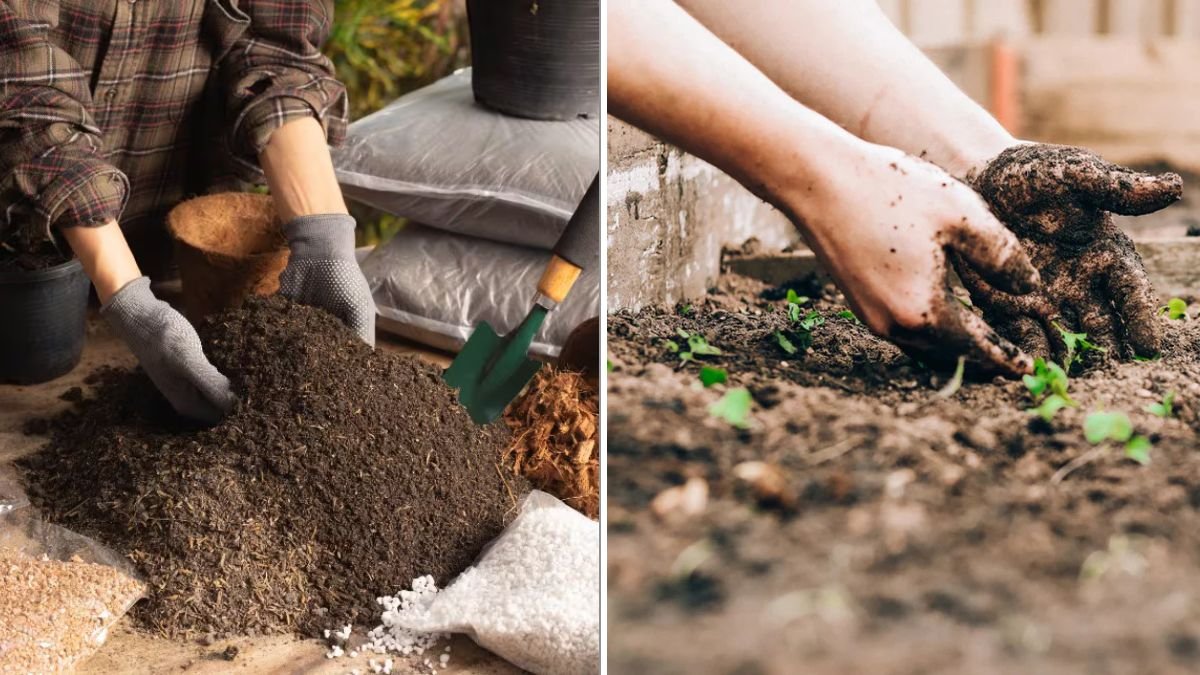
Growing perfect root vegetables—like carrots, beets, radishes, and turnips—depends on one crucial factor: the soil. Unlike leafy greens or fruiting plants that thrive in a variety of textures, root vegetables need soil that allows their roots to grow straight, long, and tender. Too heavy, and roots become stunted or forked. Too sandy, and nutrients leach away before they can take hold. The right soil mix strikes a perfect balance of drainage, structure, and fertility.
If you’ve ever wondered why your carrots come out twisted or your beets don’t form properly, the answer almost always lies beneath the surface. Let’s dig deep into what makes the best soil mix for growing root vegetables, how to prepare it, and how to maintain it for healthy, flavorful harvests season after season.
Why Soil Quality Matters for Root Vegetables
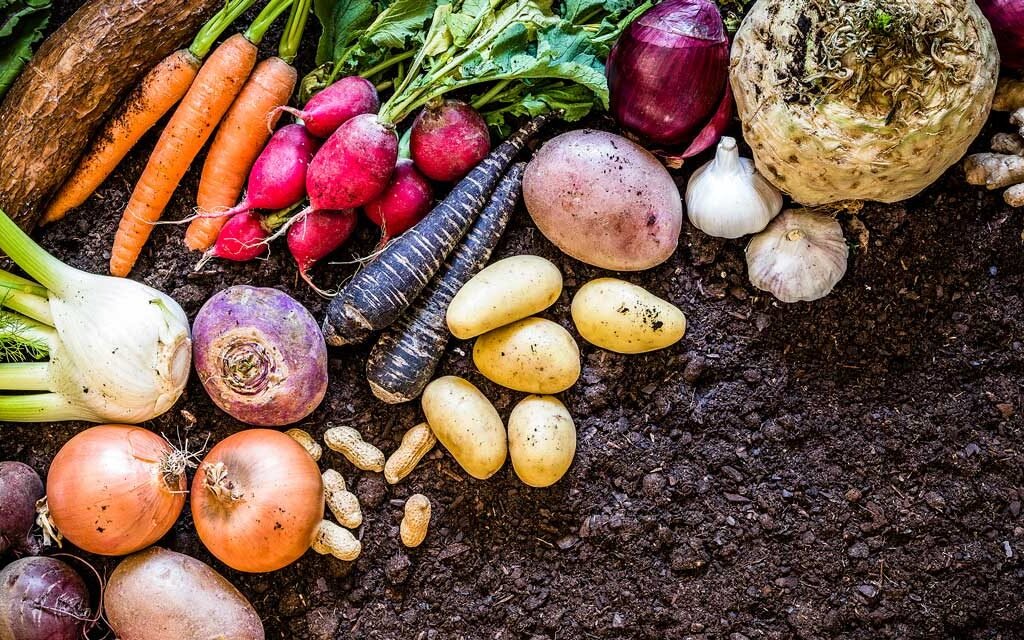
Root vegetables grow underground, meaning the part you eat is directly shaped by the soil it grows in. Their roots need to push easily through the soil to expand, absorb nutrients, and develop a uniform shape.
When soil is too compacted or clay-heavy, roots struggle to penetrate, resulting in misshapen or undersized crops. On the other hand, overly sandy soil drains too quickly and fails to hold enough moisture or nutrients. The goal is to create a soil mix that is:
- Loose and well-draining
- Rich in organic matter
- Free of large debris or rocks
- Balanced in nutrients (especially potassium and phosphorus)
This perfect mix provides just the right texture for roots to grow long, smooth, and nutrient-rich.
Understanding the Ideal Soil Texture
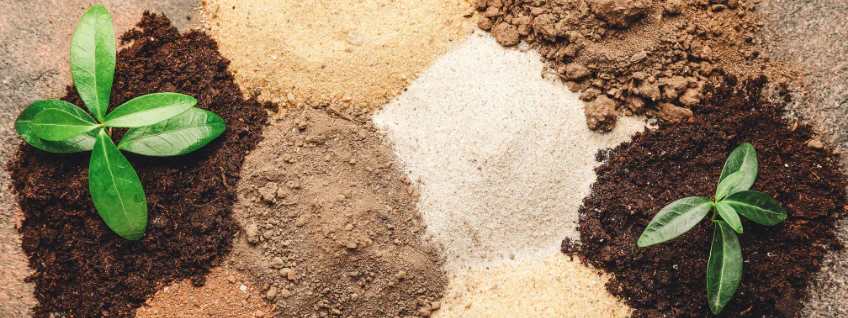
The ideal soil texture for root vegetables is loamy, meaning it contains roughly equal parts of sand, silt, and clay, with plenty of organic matter mixed in. Loam holds moisture while allowing excess water to drain away—a must for roots that hate sitting in soggy soil.
Here’s how each component contributes:
- Sand improves drainage and aeration, ensuring roots can breathe.
- Silt retains just enough moisture and nutrients to feed growing plants.
- Clay holds nutrients but must be used sparingly to avoid compaction.
- Organic matter (like compost or leaf mold) improves fertility and keeps soil crumbly.
When combined properly, this texture creates a soft, fluffy environment where roots can grow straight and healthy.
The Perfect Soil Mix Recipe
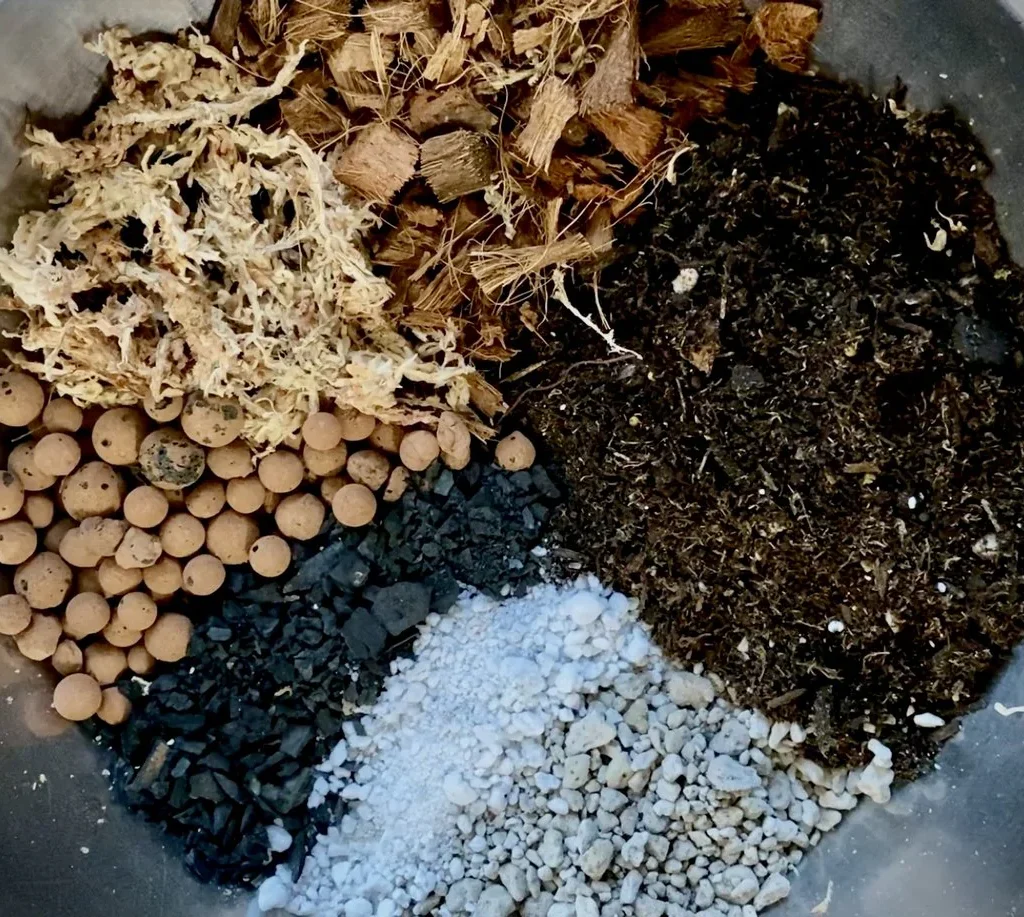
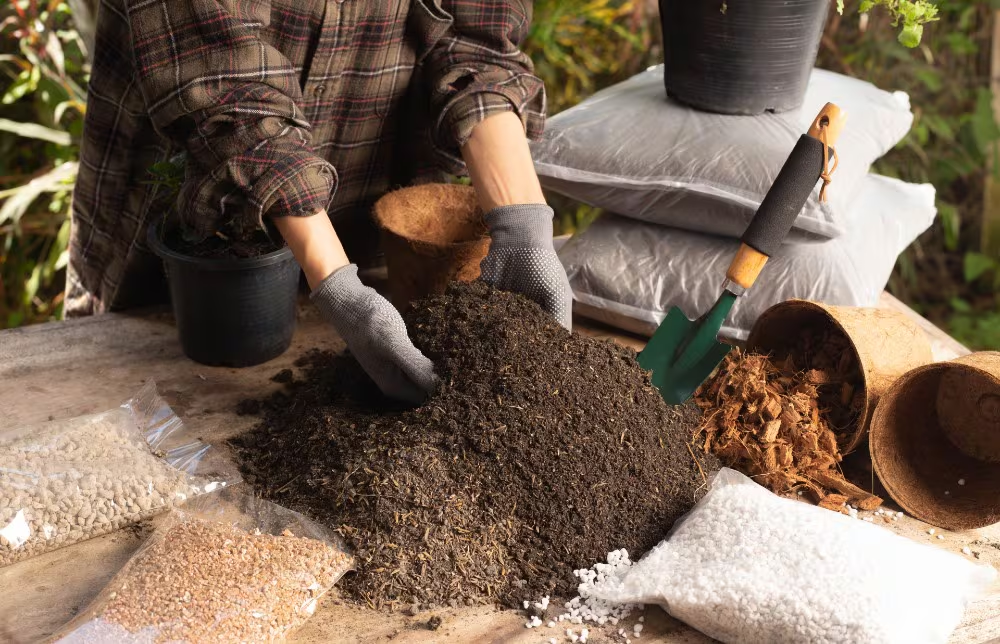
To achieve that ideal loamy structure, you can create your own soil mix that’s specifically tailored for root vegetables. Whether you’re filling a raised bed or improving an existing garden plot, this formula provides a great foundation.
DIY Root Vegetable Soil Mix (for raised beds or containers):
- 40% screened topsoil or loam
- 30% coarse sand (builder’s sand, not play sand)
- 30% organic compost (well-rotted manure, leaf mold, or mushroom compost)
Blend these thoroughly before planting. The result should be a light, crumbly mix that falls easily through your fingers—neither sticky nor overly dry.

For in-ground beds:
If your garden soil is heavy clay or compacted, loosen it to a depth of at least 12–18 inches, then mix in:
- 2 inches of coarse sand
- 2–3 inches of organic compost
- A handful of wood ash or bone meal (for potassium and phosphorus)
This combination improves both texture and nutrition, helping roots develop freely.
Key Nutrients Root Vegetables Need
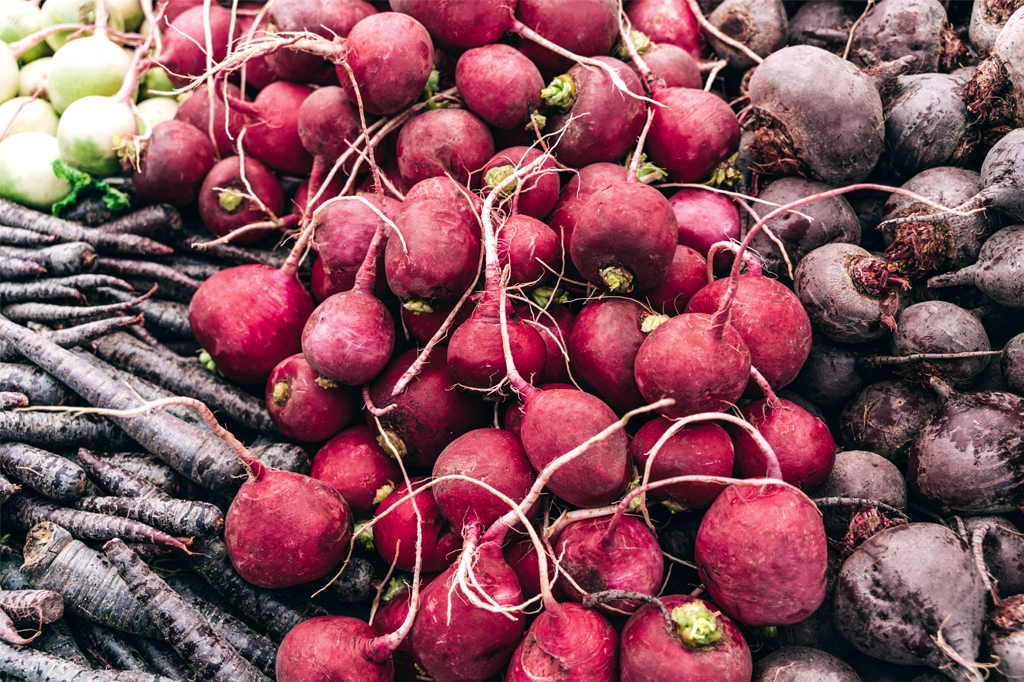
Root crops have different nutritional needs compared to leafy greens or fruiting vegetables. They prefer a soil rich in phosphorus and potassium, but moderate in nitrogen. Too much nitrogen encourages leafy top growth at the expense of root development.
Here’s what to focus on:
- Phosphorus (P): Promotes strong root formation and healthy cell development.
- Potassium (K): Enhances disease resistance and helps roots store sugars (for sweeter flavor).
- Calcium (Ca): Prevents root deformities and helps with nutrient absorption.
To boost these nutrients naturally, add:

- Bone meal (rich in phosphorus)
- Wood ash or kelp meal (for potassium)
- Crushed eggshells or garden lime (for calcium)
Avoid high-nitrogen fertilizers like fresh manure or grass clippings, as they can lead to overly leafy tops and small, fibrous roots.
Soil pH: Getting It Just Right
Most root vegetables prefer a slightly acidic to neutral soil, with a pH between 6.0 and 7.0.
If your soil is too acidic (below 6.0), roots may struggle to absorb nutrients effectively. To correct this, add garden lime or crushed oyster shell. If your soil is too alkaline (above 7.5), mix in composted leaves or peat moss to gently lower the pH.
You can test your soil using a simple pH kit or a digital soil meter—an inexpensive step that can make a huge difference in your harvest.
Preparing the Soil for Planting
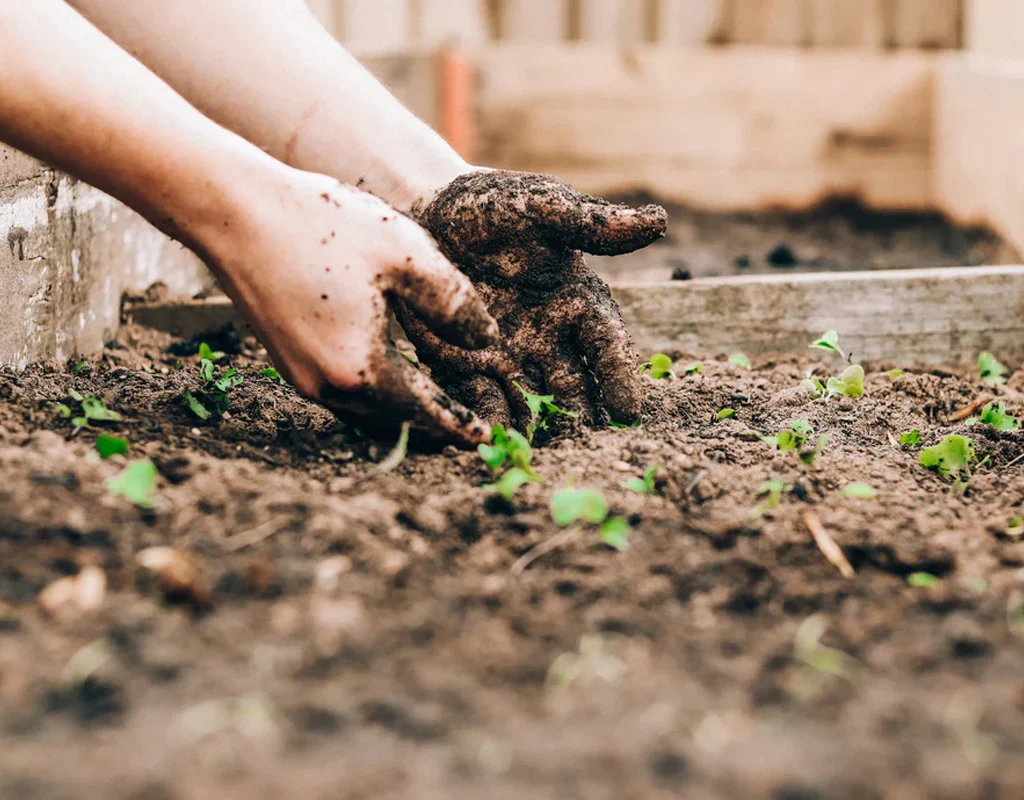
Before planting root vegetables, proper soil preparation is essential. Even the best soil mix won’t perform well if it’s compacted or unevenly fertilized.
Follow these steps for best results:
- Loosen the Soil Deeply:
Root vegetables need depth—ideally 12–18 inches of loose soil. Use a garden fork to break up clumps and improve aeration. - Remove Debris:
Pick out stones, sticks, or clumps of clay. Even small obstacles can cause roots to split or fork. - Add Organic Matter:
Mix in a few inches of compost or leaf mold before planting. This enriches the soil and improves texture. - Level and Moisten:
Smooth the surface and water lightly so the soil is evenly moist but not soggy. - Avoid Compacting:
Don’t walk on prepared soil or press it down too firmly—roots need room to breathe.
Best Soil Mix Adjustments for Specific Root Vegetables
Not all root crops have the same preferences. Here’s how you can fine-tune your soil mix for different varieties:
- Carrots: Prefer very loose, sandy soil—add extra sand or fine compost. Avoid any lumps that could deform roots.
- Beets: Like slightly heavier soil with good fertility. Mix in extra compost and keep moisture consistent.
- Radishes: Thrive in light, well-drained soil; a bit of coarse sand improves aeration.
- Turnips: Need more organic matter—blend in extra compost to keep roots juicy and sweet.
- Parsnips: Require deep, rock-free soil—raised beds are ideal. Add sand to promote straight, white roots.
Each type benefits from slightly different conditions, but all prefer soil that is fluffy, balanced, and full of life.
Maintaining Healthy Soil Throughout the Season
Once your root vegetables are in the ground, your job isn’t over. Maintaining soil quality ensures strong, flavorful harvests.
- Mulch Lightly: Add a thin layer of straw or shredded leaves to keep soil cool and retain moisture.
- Water Evenly: Inconsistent watering can cause cracking in carrots or woody texture in beets. Aim for deep, steady watering.
- Avoid Disturbing Roots: When weeding, use a hand tool and be gentle—root crops dislike disturbance.
- Replenish Nutrients: Mid-season, top-dress with compost or organic fertilizer low in nitrogen.
- Rotate Crops: Don’t plant root vegetables in the same spot year after year. Rotate with leafy greens or legumes to prevent disease buildup.
Common Soil Problems and Fixes
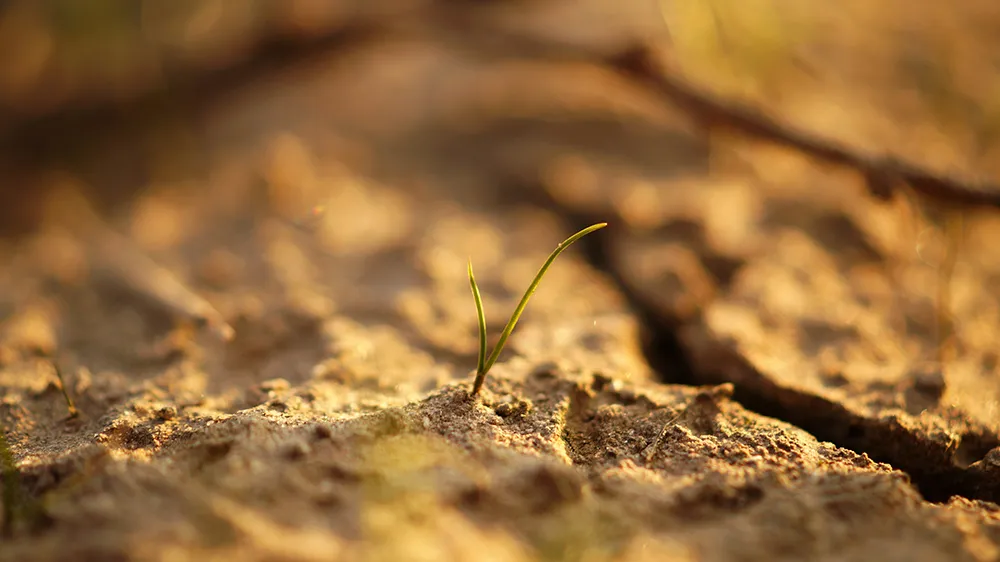
Even with careful preparation, you might encounter a few soil-related issues. Here’s how to fix them:
- Forked or Misshapen Roots: Soil too compact or rocky → loosen and sieve soil, add sand.
- Small Roots, Big Tops: Too much nitrogen → reduce fertilizer, use bone meal instead.
- Cracked Carrots or Beets: Irregular watering → keep moisture consistent.
- Pale or Woody Roots: Poor nutrition or over-mature plants → harvest promptly and enrich soil before next planting.
By addressing these issues early, you’ll keep your soil productive and your vegetables picture-perfect.
Final Thoughts
The best soil mix for growing root vegetables is one that combines structure, nutrition, and balance. A blend of loam, coarse sand, and organic compost creates the ideal growing environment—loose enough for roots to stretch, yet rich enough to sustain steady growth.
Think of soil as a living ecosystem. Feed it with compost, aerate it gently, and avoid harsh chemicals. In return, it will reward you with straight, flavorful carrots, plump beets, and crisp radishes that taste like sunshine and effort well spent.
Whether you’re gardening in a raised bed, a backyard plot, or a container, remember: great roots start with great soil. Invest in building it right, and your harvest will show the results for seasons to come.