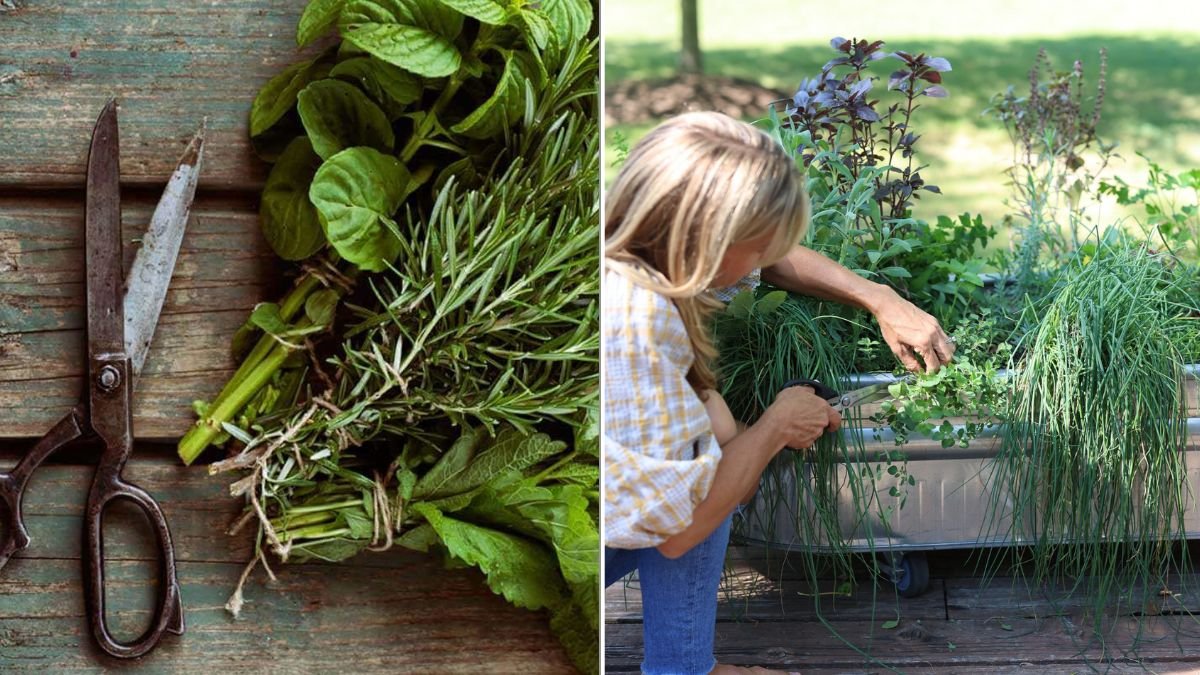
If you’ve ever plucked a handful of basil for dinner or snipped some rosemary for roasting, you already know how satisfying it is to cook with herbs straight from the garden. But here’s something many home gardeners don’t realize—when you harvest herbs can make a big difference in their flavor, fragrance, and shelf life.
Whether you grow mint on your balcony, parsley in a kitchen pot, or a full outdoor herb garden, timing your harvest correctly can mean the difference between mildly fragrant leaves and ones bursting with aromatic oils.
So, what’s the best time of day to harvest herbs—and why does it matter so much? Let’s explore the science and secrets behind the perfect harvest.
Why Timing Matters
Herbs are rich in essential oils, the natural compounds that give them their characteristic aroma and taste. These oils are stored in tiny glands within the leaves, stems, and flowers.
Throughout the day, these oil levels fluctuate depending on sunlight, temperature, and plant activity. Harvesting at the right time means you’re capturing the leaves when they contain the highest concentration of essential oils, ensuring stronger flavor and longer-lasting freshness.
In simple terms:
- Harvest too early → moisture-heavy, diluted flavor
- Harvest too late → oils may evaporate, reducing aroma
The goal is to catch your herbs at their peak potency.
The Golden Hour: Early Morning
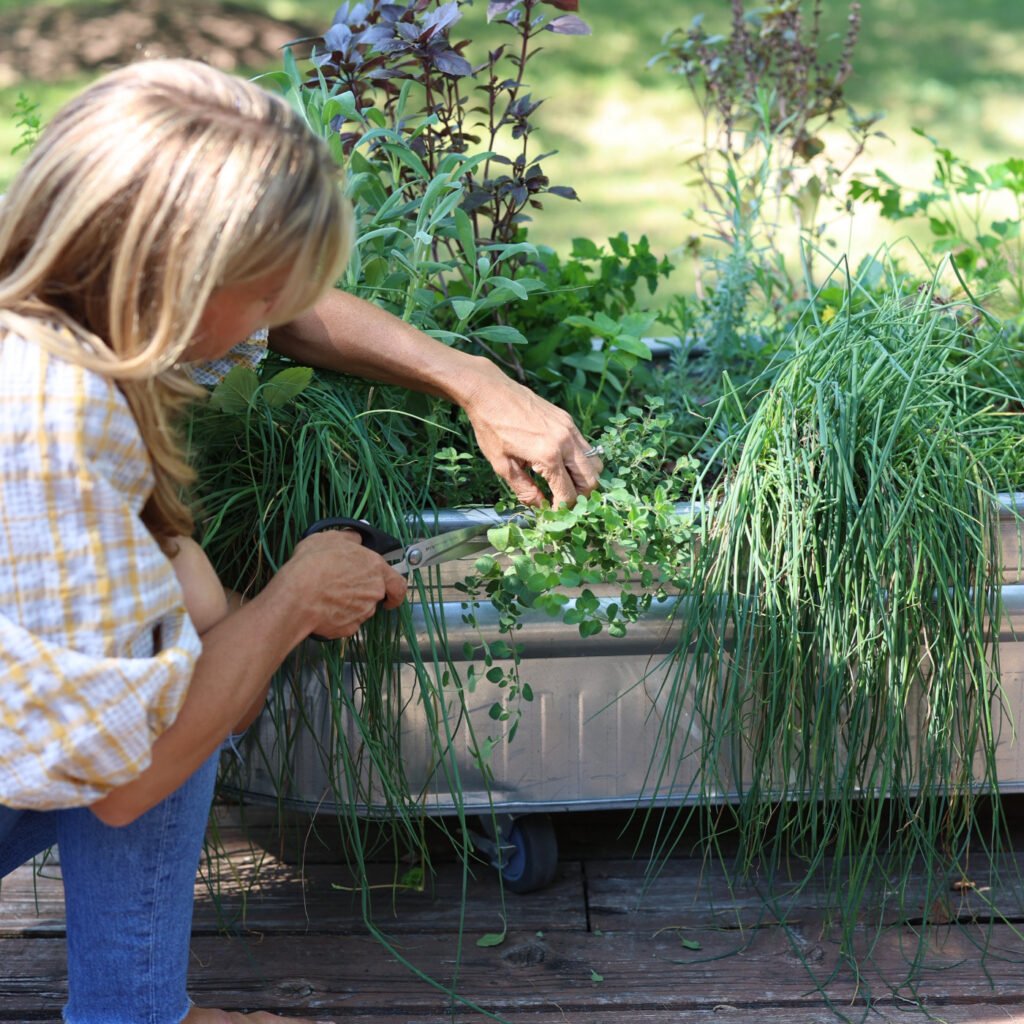
The best time of day to harvest fresh herbs is early in the morning—just after the dew has dried, but before the sun gets hot.
Here’s why morning is ideal:
- Maximum Essential Oils: Overnight, herbs rest and replenish their natural oils. These oils reach their highest levels just before the sun begins to evaporate them.
- Cooler Temperatures: The leaves are firm, crisp, and less likely to wilt when picked in cooler air.
- Balanced Moisture: Waiting until the morning dew has evaporated prevents excess moisture, which can encourage mold or mildew during storage.
Perfect window: Usually between 7:00 AM and 9:00 AM, depending on your climate.
This is when basil smells its strongest, rosemary feels slightly resinous, and mint gives off its signature cool aroma—proof that essential oils are at their peak.
Why You Should Avoid Midday Harvesting
When the sun is high and the temperature climbs, herbs naturally begin to transpire—they release moisture and oils through their leaves to stay cool.
If you harvest during this time:
- The essential oils start evaporating, dulling flavor.
- The leaves may wilt quickly from the heat.
- You’ll need to work harder to keep herbs fresh after cutting.
Unless it’s absolutely necessary, avoid harvesting between 11 AM and 4 PM, especially on hot or dry days.

If you must harvest during the day, immediately place the herbs in a bowl of cool water to rehydrate and preserve freshness.
Can You Harvest in the Evening?
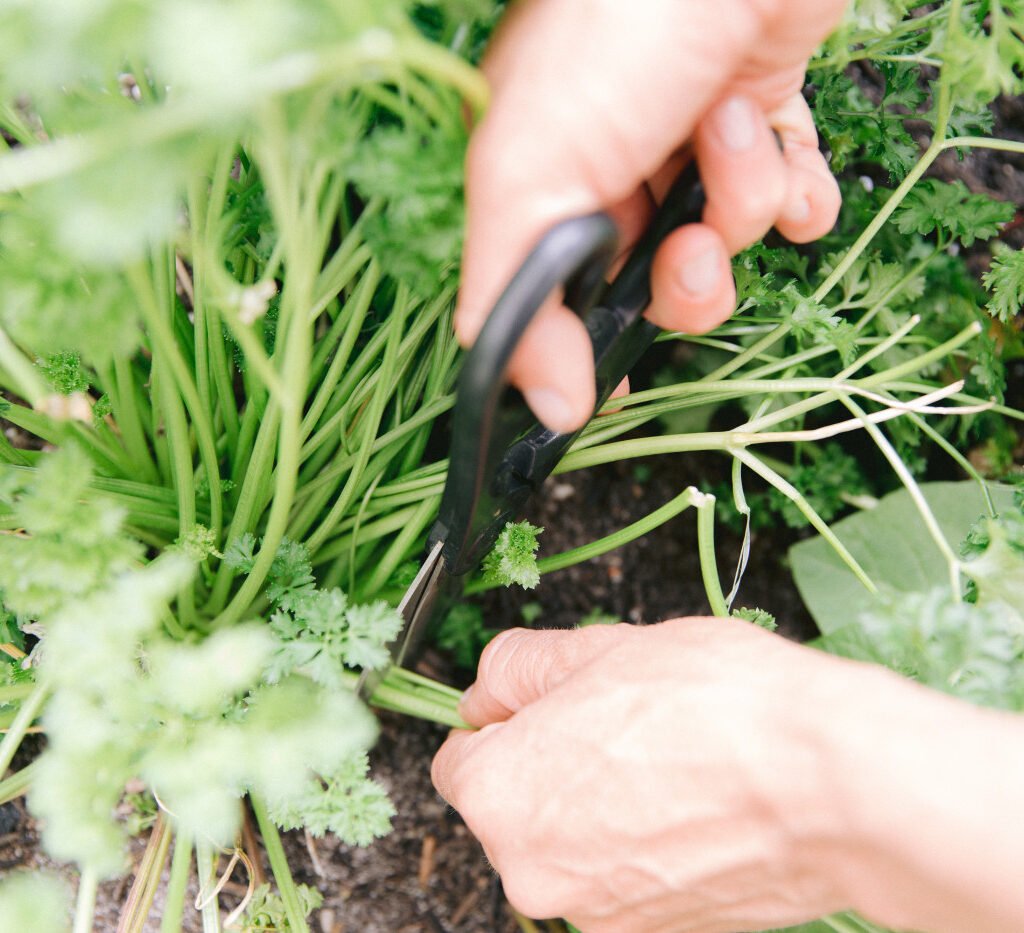
Evening harvesting can be a decent alternative—especially if you missed the morning window.
In the evening:
- The sun is low, so plants are cooler and less stressed.
- Essential oil levels rise again slightly, though not as high as in the morning.
However, nighttime moisture can encourage fungal issues, so if you harvest late in the day, make sure the leaves are dry before storing or using them.
Pro tip: Early evening (around 5 PM to 6:30 PM) on a mild day is best, particularly for herbs like oregano, thyme, or rosemary, which are more resilient.
Harvesting by Herb Type: Specific Tips
Different herbs have different oil patterns, so while the general rule (morning) applies broadly, here’s how to fine-tune your timing for the most popular varieties:
1. Basil
- Best time: Early morning, after dew dries.
- Why: Basil’s essential oils (especially eugenol and linalool) are most concentrated before exposure to strong sunlight.
- Extra tip: Pinch off stems just above a leaf pair to encourage bushy regrowth.
2. Mint
- Best time: Morning before heat builds up.
- Why: Mint’s menthol-rich oils evaporate quickly in sun.
- Extra tip: Harvest right before flowering for the boldest flavor.
3. Rosemary
- Best time: Mid-morning (around 9–10 AM).
- Why: Its resinous oils develop early but continue strengthening in mild sun.
- Extra tip: Snip sprigs from new growth for tender, aromatic leaves.
4. Parsley
- Best time: Early morning or early evening.
- Why: It holds moisture longer than most herbs but still benefits from cooler temps.
- Extra tip: Cut outer stems first, allowing new ones to grow from the center.
5. Thyme & Oregano
- Best time: Late morning, once dew evaporates but before strong sunlight.
- Why: These Mediterranean herbs handle a bit of warmth but lose oils under intense sun.
- Extra tip: Harvest right before flowering for maximum flavor.
6. Cilantro (Coriander)
- Best time: Early morning.
- Why: Cilantro bolts (flowers) easily in heat, and flavor fades quickly.
- Extra tip: Frequent cutting helps delay bolting.
How Often To Harvest
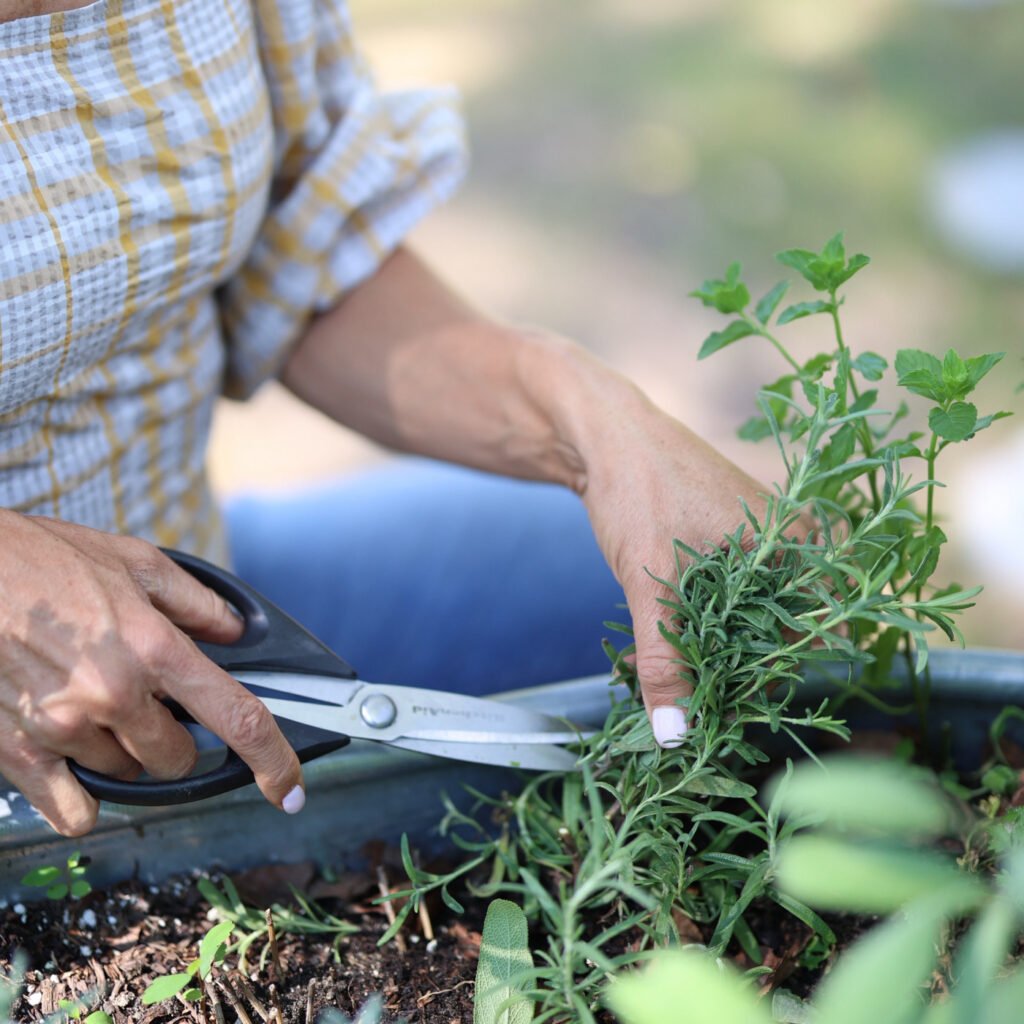
Herbs love to be harvested—regular cutting actually encourages more growth. The key is to never take too much at once.

- For young plants: Harvest lightly (no more than ⅓ of the plant at a time).
- For mature herbs: You can cut back up to half the plant safely.
Always leave enough leaves behind for photosynthesis so the plant can recover quickly.
If you’re growing herbs for continuous use, snip small amounts every few days. If you’re preparing for drying or preserving, time your big harvests for early morning on a dry day.
Preparing Herbs for Storage After Harvest
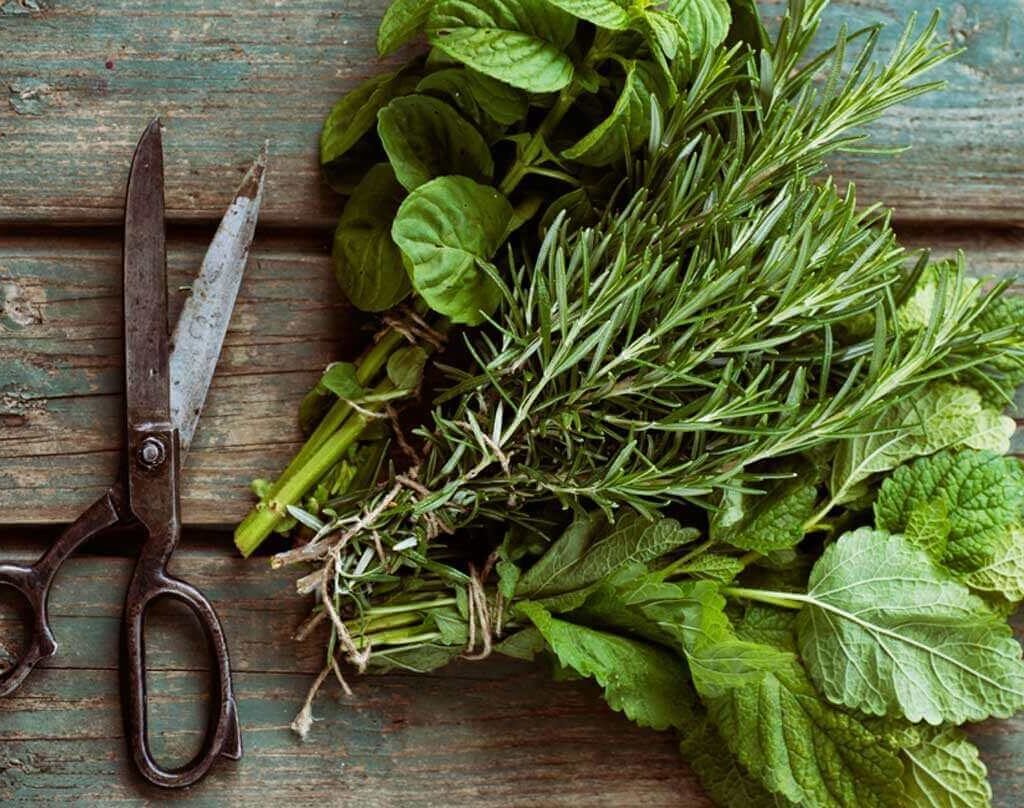
Once you’ve harvested your herbs at the right time, the next step is to preserve their freshness.
Here’s how:
- Shake off dirt or bugs. Avoid washing herbs unless necessary; if you do, pat them dry completely.
- Keep them cool. Place in a damp paper towel and store in a perforated plastic bag in the refrigerator.
- Use quickly. Fresh herbs are best within 3–5 days.
For drying or freezing:
- Dry herbs immediately after morning harvest, when oils are most potent.
- Hang them upside down in a cool, shaded, well-ventilated space.
- For freezing, chop and store in ice cube trays with olive oil or water.
By preserving herbs at their peak, you’ll enjoy vibrant flavors long after the growing season ends.
Weather and Seasonal Considerations
Even the best time of day can vary slightly depending on weather and climate:

- Cool, cloudy mornings: Wait until the air warms slightly; damp leaves can rot easily.
- Hot, dry days: Harvest earlier—right after sunrise—to prevent wilting.
- Rainy periods: Avoid harvesting right after rain. Wait at least a day for oils to replenish and leaves to dry.
If you garden in a humid area, focus on airflow and quick drying after harvest to prevent mold.
Bonus Tip: Harvest Before Flowering
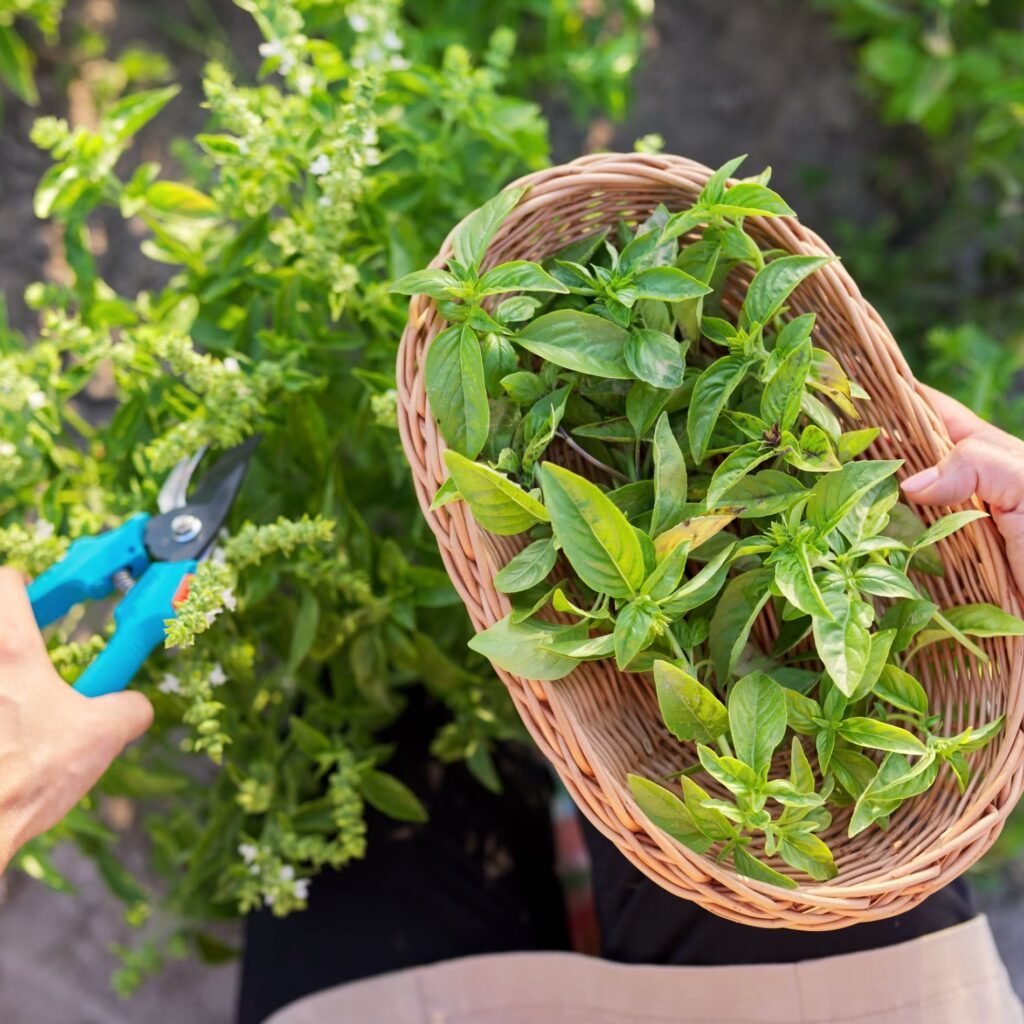
The stage of growth is just as important as the time of day. For most herbs, the best flavor comes right before they flower. Once an herb blooms, it directs energy into seed production, and the leaves often turn bitter or lose their aroma.
If you see flower buds forming, snip them off immediately or do a full harvest of the plant. This encourages fresh, flavorful regrowth.
Exception: If you enjoy edible blossoms (like chive or basil flowers), let some plants bloom—but harvest leaves from non-flowering shoots for better taste.
The Perfect Harvest Routine
Here’s a quick routine you can follow for consistently flavorful herbs:
- Early morning: Wait for dew to dry.
- Inspect: Choose mature, healthy leaves.
- Cut cleanly: Use sharp scissors to prevent bruising.
- Cool and dry: Keep in shade while harvesting to prevent oil loss.
- Use or store promptly.
By following this rhythm, you’ll notice a clear difference—more aroma, more taste, and longer-lasting herbs in your kitchen.
Final Thoughts
The best time of day to harvest herbs isn’t just a gardener’s superstition—it’s a science-backed practice that makes a world of difference.
Morning, with its calm air and gentle light, captures herbs at their peak of perfection—when they’re brimming with essential oils and natural vitality.
So, the next time you step into your garden, take a moment to enjoy that quiet morning freshness, scissors in hand. Snip a few sprigs of basil or mint, inhale their fragrance, and know you’ve harvested them at the perfect moment—nature’s own golden hour for flavor.