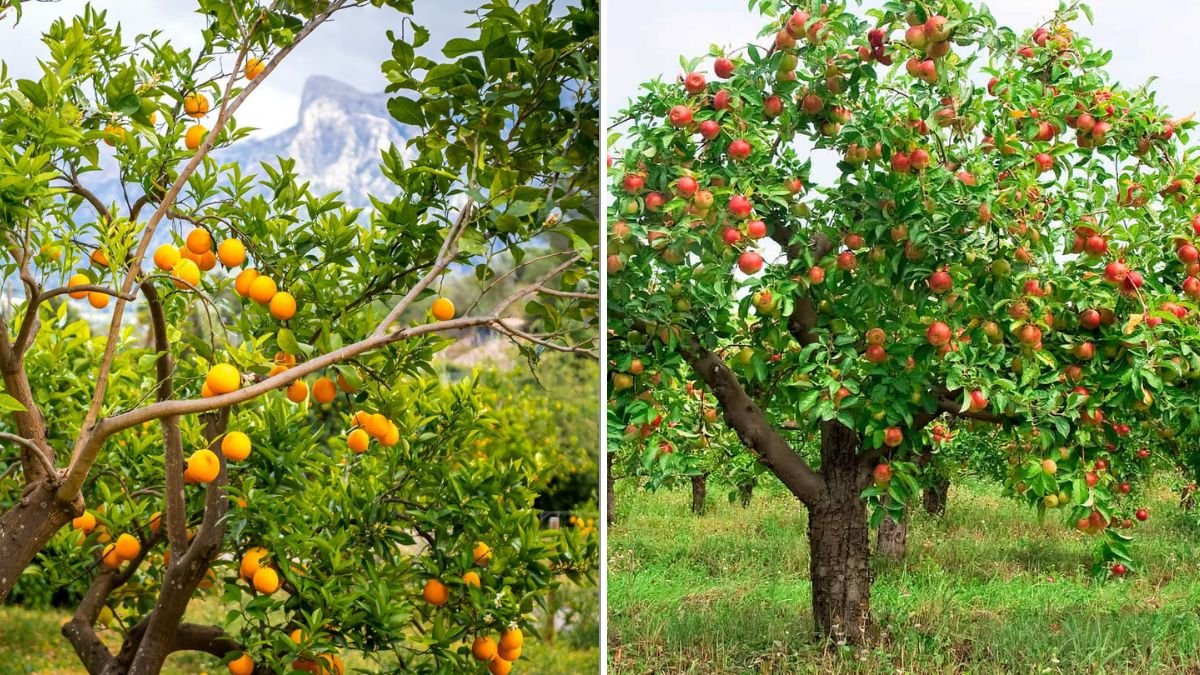
Planting fruit trees is one of the most rewarding things you can do for your garden. Whether you dream of harvesting crisp apples, juicy peaches, or sweet mangoes, timing your planting right is the key to long-term success. While enthusiasm often drives gardeners to rush into planting, understanding when to plant fruit trees in your specific climate can mean the difference between thriving growth and slow, stressed development.
In this comprehensive guide, we’ll explore the best time to plant fruit trees in different climates, why timing matters, and how to ensure strong root establishment for years of fruitful harvests.
Why Timing Matters for Fruit Tree Planting
Fruit trees are living investments that need the right conditions to establish themselves before they face temperature extremes. The goal of proper planting timing is simple:
- Give roots time to grow before drought, frost, or extreme heat sets in.
- Minimize transplant shock from sudden temperature changes.
- Encourage strong spring growth with a healthy foundation below ground.
When you plant at the wrong time—say, during a scorching summer or freezing winter—the tree struggles to adapt. Its roots can’t anchor deeply enough to absorb moisture and nutrients, leading to stunted growth or even death.
The Two Main Planting Seasons: Spring and Fall
While you can technically plant a fruit tree at any time of year (as long as the ground isn’t frozen), experts generally recommend spring or fall for best results.
1. Spring Planting
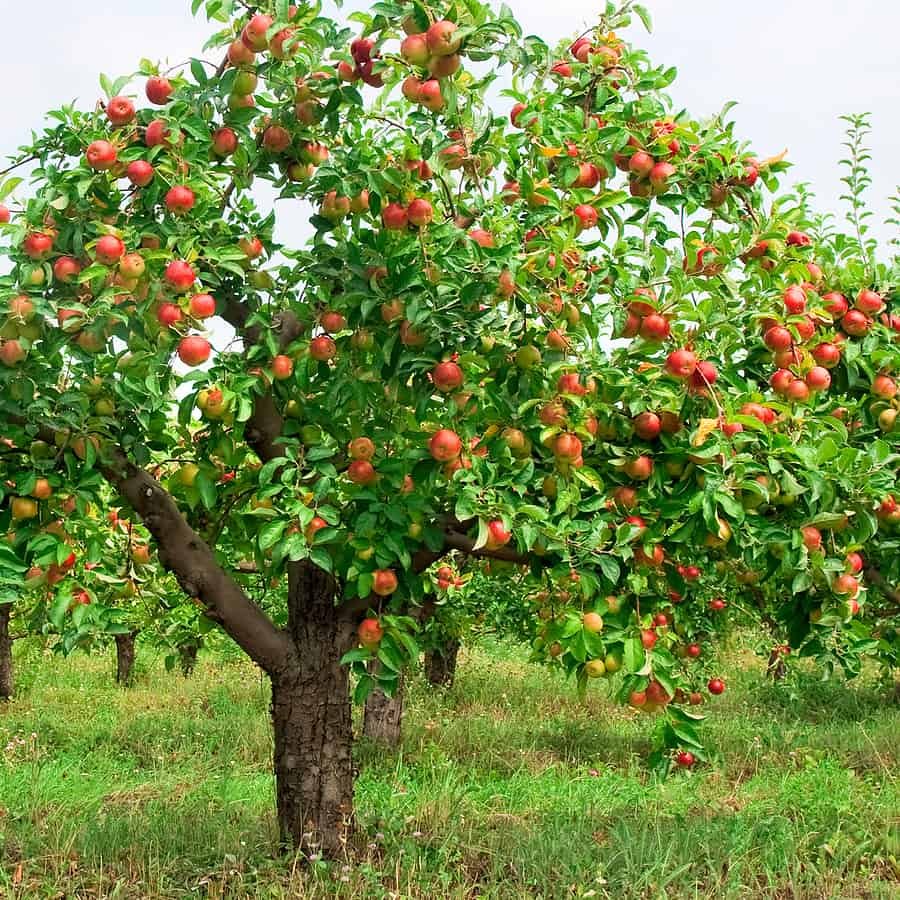
Spring planting is ideal for gardeners in colder regions where winters are harsh and the ground stays frozen for months.
Benefits:
- The soil is warming, which stimulates root growth.
- Rainfall is usually plentiful.
- Trees have the entire growing season to establish roots before winter.
Best For:
- Cold and temperate climates (USDA zones 3–7).
- Fruit trees like apple, cherry, plum, and pear.
Tips for Spring Planting:
- Wait until the soil is workable—moist but not soggy.
- Avoid planting too early when late frosts are still a threat.
- Mulch around the base to conserve moisture and prevent weeds.
2. Fall Planting
Fall planting is preferred in warmer climates where the soil stays warm even after the air cools.
Benefits:
- Cooler weather reduces transplant stress.
- Warm soil promotes root development all winter long.
- Trees are ready to burst into growth by spring.
Best For:
- Mild or Mediterranean climates (USDA zones 8–11).
- Fruit trees like peach, fig, citrus, and pomegranate.
Tips for Fall Planting:
- Plant at least 6–8 weeks before the first frost.
- Water regularly until the tree enters dormancy.
- Protect young trunks from sudden cold snaps using burlap or tree wraps.
Region-by-Region Guide
Let’s break down the best planting times based on climate zones and common fruit tree types.

1. Cold and Mountain Climates (USDA Zones 3–5)
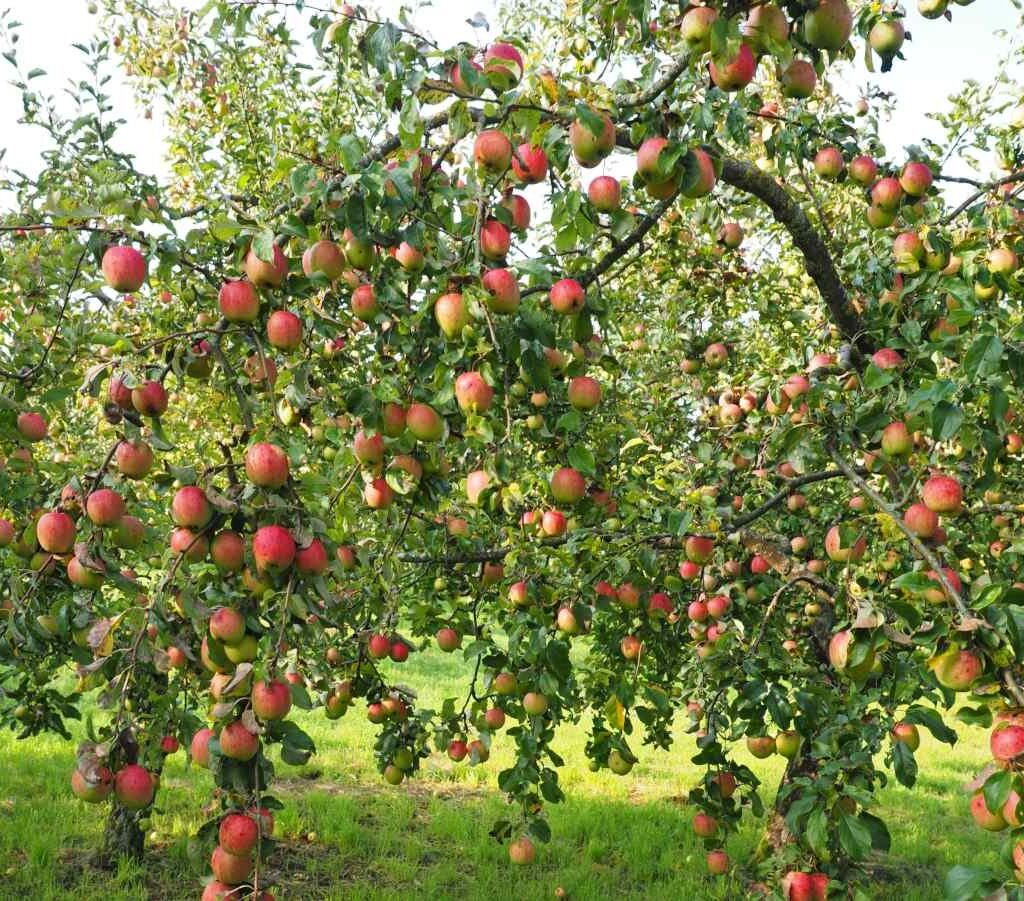
Think of northern states, high-altitude regions, or anywhere winters are long and snowy.
Best Time to Plant:
- Spring, as soon as the soil thaws and can be worked.
Recommended Trees:
- Apples, pears, cherries, plums, and hardy apricots.
Extra Tips:
- Avoid planting late in fall—frost will kill young roots.
- Choose cold-hardy rootstocks.
- Mulch heavily before winter to insulate the roots.
2. Temperate Climates (USDA Zones 6–7)
These regions enjoy four distinct seasons, making both spring and fall planting possible.
Best Time to Plant:
- Early spring or early fall (before frost).
Recommended Trees:

- Apples, peaches, nectarines, pears, and plums.
Extra Tips:
- If planting in fall, aim for at least 4–6 weeks before the first hard frost.
- Water deeply through dry autumns to help roots expand.
3. Warm and Coastal Climates (USDA Zones 8–9)
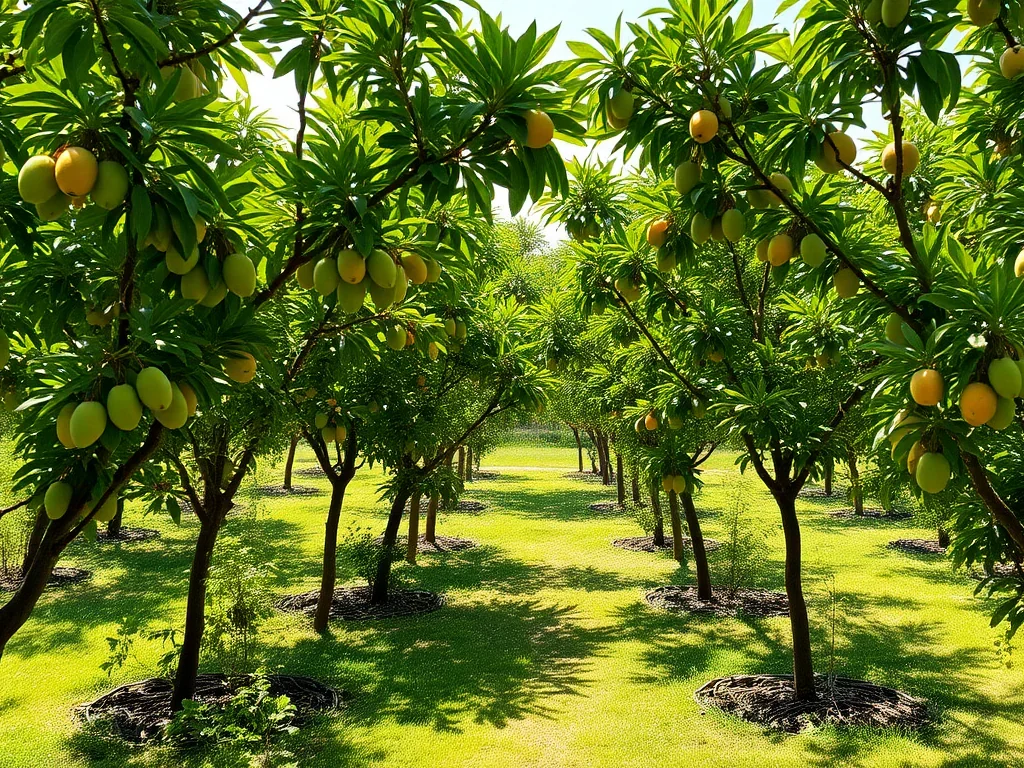
Here, winters are mild, and summers can be hot and dry.
Best Time to Plant:
- Late fall through early winter, when the soil remains warm but the air has cooled.
Recommended Trees:
- Citrus, figs, avocados, olives, and pomegranates.
Extra Tips:
- Provide afternoon shade for young trees during the first summer.
- Use organic mulch to retain soil moisture.
- Avoid midsummer planting—it’s too stressful.
4. Tropical and Subtropical Climates (USDA Zones 10–11)
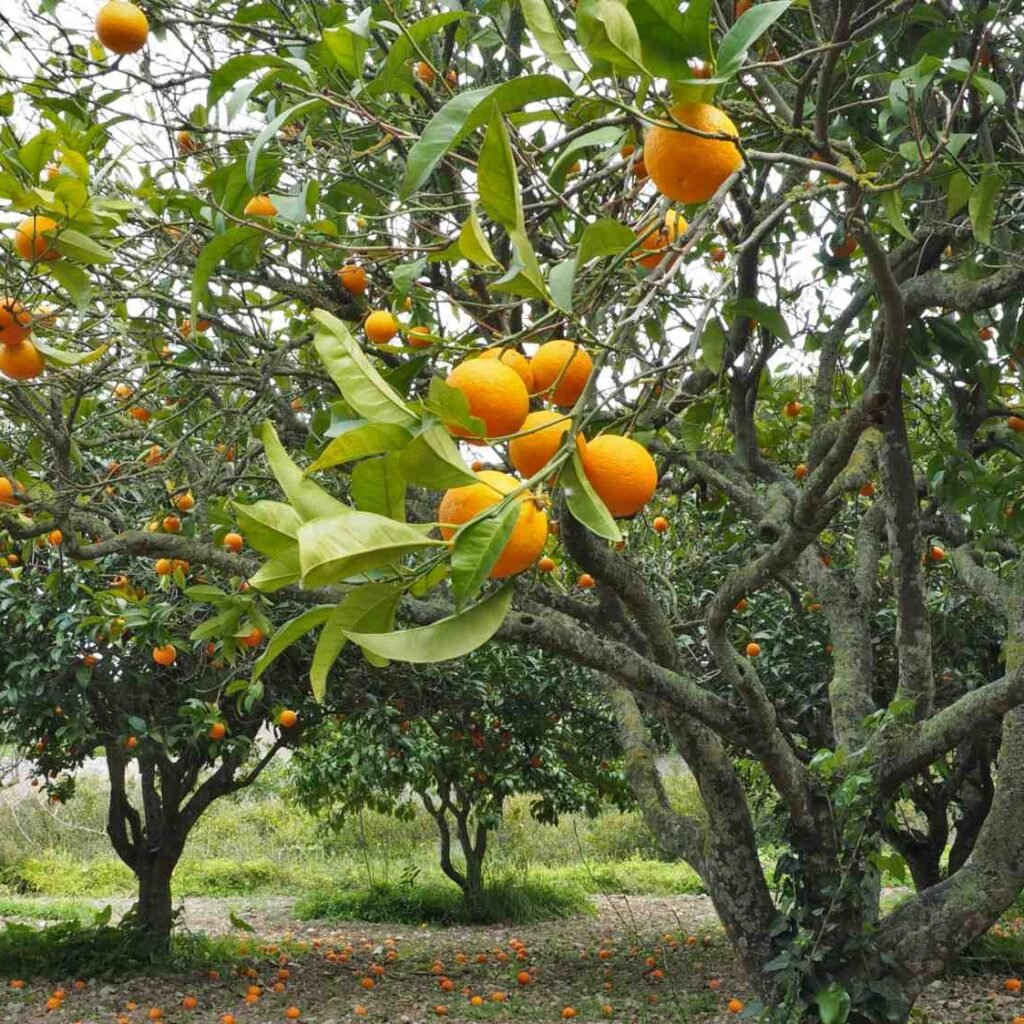
In these areas, frost is rare, and growing seasons are nearly year-round.
Best Time to Plant:
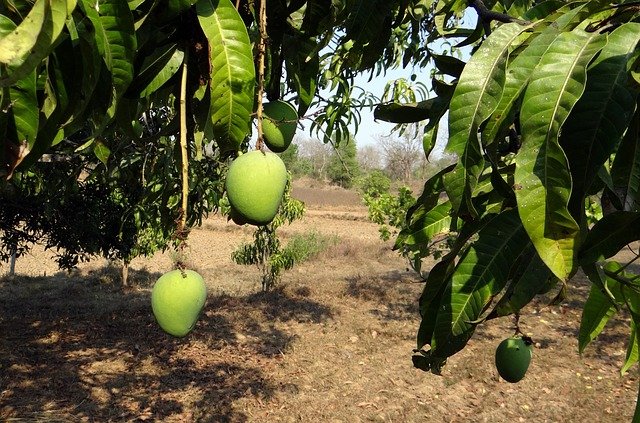
- End of the dry season, just before consistent rains begin.
Recommended Trees:
- Mango, banana, papaya, guava, lychee, and jackfruit.
Extra Tips:
- Ensure good drainage; tropical rains can waterlog roots.
- Provide partial shade for saplings until they’re established.
- Fertilize lightly with organic compost after the first flush of growth.
How to Know Your Local Planting Window
If you’re unsure when to plant, use this simple method:
- Check your USDA zone (or local equivalent).
- Note your region’s frost dates.
- In cold regions: plant after the last frost.
- In warm regions: plant 6–8 weeks before the first frost.
- Observe soil temperature.
- Ideal range for most fruit trees: 50–65°F (10–18°C).
- Watch local nurseries.
- When they start selling fruit trees, it’s usually the right time.
Bare-Root vs. Potted Trees: Timing Differences
The type of fruit tree you buy also affects the ideal planting time.
- Bare-root trees (sold without soil) should be planted while dormant, typically in late winter or early spring.
- Container-grown trees (in pots) offer flexibility—you can plant them almost any time, as long as the soil isn’t frozen or waterlogged.
Preparing the Perfect Planting Spot
No matter the season or region, successful planting starts with preparation.
Step 1: Choose a sunny location.
Most fruit trees need at least 6–8 hours of direct sunlight daily.
Step 2: Test and amend your soil.
Fruit trees prefer well-draining, loamy soil with a pH between 6.0–7.0. Mix in compost for fertility and texture.
Step 3: Dig the right hole.
Twice as wide as the root ball, but no deeper than the roots themselves. Planting too deep can suffocate the tree.
Step 4: Water deeply and mulch.
Give the tree a long drink right after planting. Then spread 2–3 inches of mulch (like wood chips) around the base—just not touching the trunk.
Caring for Young Fruit Trees After Planting
Planting is only half the job—aftercare ensures survival.
- Water regularly for the first year, especially in dry spells.
- Stake if needed to protect against wind until roots are firm.
- Prune lightly to remove weak or crossing branches.
- Fertilize sparingly—too much early nitrogen can cause weak, sappy growth.
By the second year, your tree should show strong new growth and begin shaping into a productive form.
Final Thoughts: Timing Is Everything
Planting a fruit tree at the right time for your climate isn’t just about getting it in the ground—it’s about setting it up for a lifetime of healthy growth and abundant harvests. When you align planting with your local weather patterns and soil conditions, you give your tree the best possible start.