Few herbs can match the universal appeal of basil—a fragrant, flavorful, and nutrient-packed green that’s become a staple in kitchens across the United States. From the classic aroma of Italian pesto to the fresh bite in summer salads and cocktails, basil adds a burst of freshness to countless American dishes.
But basil is more than just a culinary superstar—it’s also a medicinal herb, a natural air purifier, and one of the easiest plants to grow in a backyard or windowsill garden. Whether you’re a home cook, a gardener, or a health enthusiast, basil has something special to offer.
This comprehensive guide dives into the world of basil—its history, types, benefits, growing tips, and mouthwatering recipes—to help you make the most of this green treasure.
1. A Brief History: How Basil Took Root in American Kitchens
Basil (Ocimum basilicum) traces its origins back to India and Southeast Asia, where it was first cultivated over 5,000 years ago. It later spread through the Mediterranean, where it became an essential herb in Italian, Greek, and French cuisine.
When European immigrants brought basil to America, it quickly found a home in U.S. gardens and kitchens. Today, it’s one of the most popular culinary herbs in the United States, especially during summer when fresh basil thrives.
From California to New York, basil can be found in everything from pizzas and pastas to herbal teas, cocktails, and beauty products. Its distinct aroma and health benefits have cemented its place in both traditional and modern American lifestyles.
2. Nutritional Value: Tiny Leaves, Big Benefits
Basil might look delicate, but it’s packed with powerful nutrients and antioxidants that support your overall well-being.
A tablespoon of fresh basil provides:
- Calories: 1
- Vitamin A: 4% of daily value
- Vitamin K: 13%
- Vitamin C: 2%
- Calcium: 1%
- Iron: 1%
- Antioxidants: Lutein, beta-carotene, and eugenol
Though small in serving size, basil is a nutrient-dense herb that adds health-boosting compounds to your meals without adding calories.
3. The Health Benefits of Basil
Beyond its fresh aroma and flavor, basil offers numerous health benefits supported by modern science and centuries of traditional use.
a. Anti-Inflammatory Powerhouse
Basil contains eugenol, an essential oil known for reducing inflammation. This can help with joint pain, headaches, and muscle soreness.
b. Boosts Immunity
Rich in vitamin C and plant compounds, basil strengthens the immune system and helps the body fight off infections.
c. Supports Heart Health
Basil’s antioxidants can help lower cholesterol and blood pressure levels, promoting a healthier heart.
d. Improves Digestion
The natural oils in basil, such as linalool and citronellol, promote better digestion and reduce bloating.
e. Natural Stress Reliever
Basil has adaptogenic properties—it helps your body cope with stress and mental fatigue. Holy basil (Tulsi), in particular, is used in herbal teas to promote relaxation.
f. Fights Free Radicals
The polyphenols and flavonoids in basil protect cells from oxidative stress, slowing down signs of aging and reducing disease risk.
4. Popular Types of Basil Grown in the U.S.
There are over 150 varieties of basil worldwide, but these are the most loved and widely grown in American gardens and markets:
a. Sweet Basil
The most common variety found in grocery stores and used in Italian dishes. It has a mild, slightly peppery flavor and bright green leaves.
b. Genovese Basil
Famous for its rich flavor and large leaves, Genovese basil is the go-to choice for authentic pesto sauces.
c. Thai Basil
Used in Southeast Asian cuisine, it has smaller leaves, purple stems, and a spicy, anise-like flavor that holds up well to heat.
d. Lemon Basil
This fragrant variety adds a citrusy twist, perfect for teas, desserts, and seafood dishes.
e. Holy Basil (Tulsi)
Used in Ayurvedic medicine, this variety is known for its medicinal and stress-relieving properties.
f. Purple Basil
With striking dark purple leaves and a mild clove flavor, it’s popular for garnishes and infused vinegars.
Each type offers unique flavors, making basil one of the most versatile herbs for American cooking and gardening.
5. Growing Basil at Home: The American Gardener’s Favorite Herb
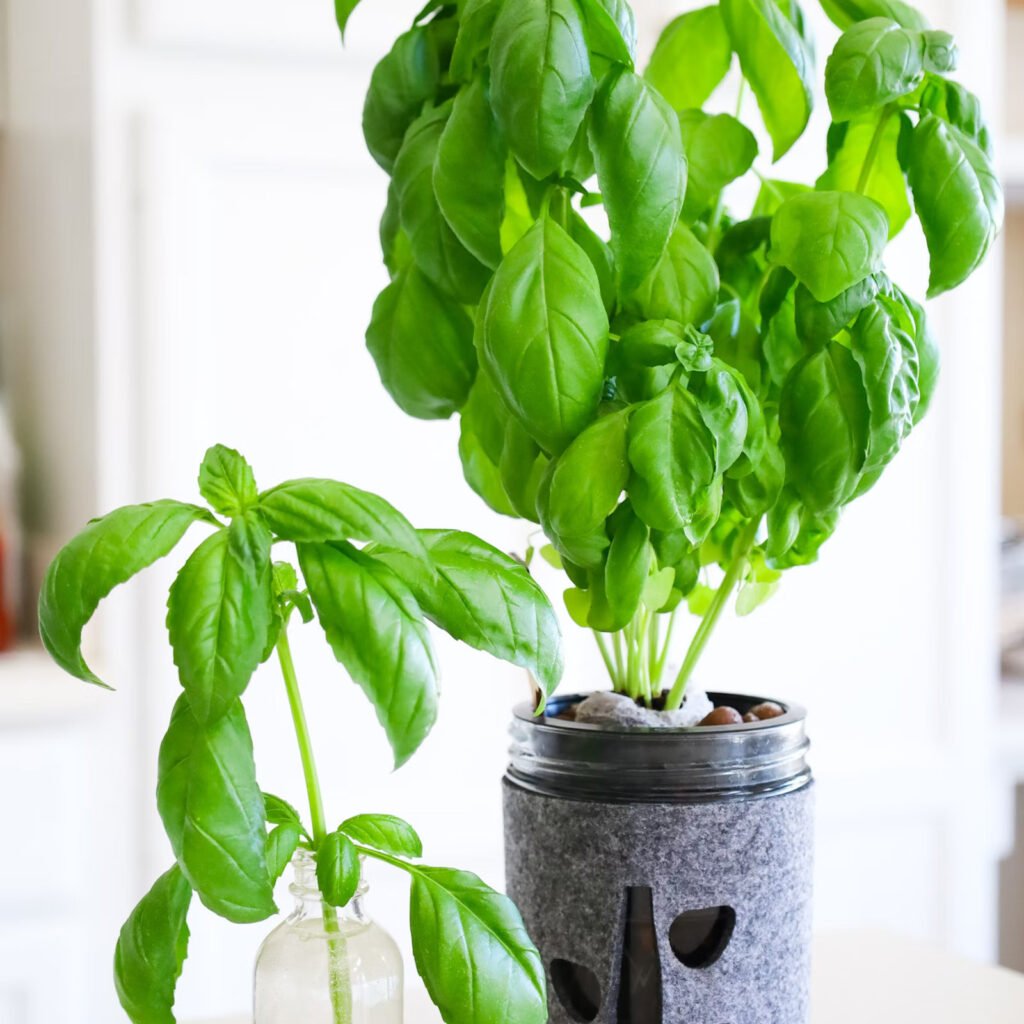
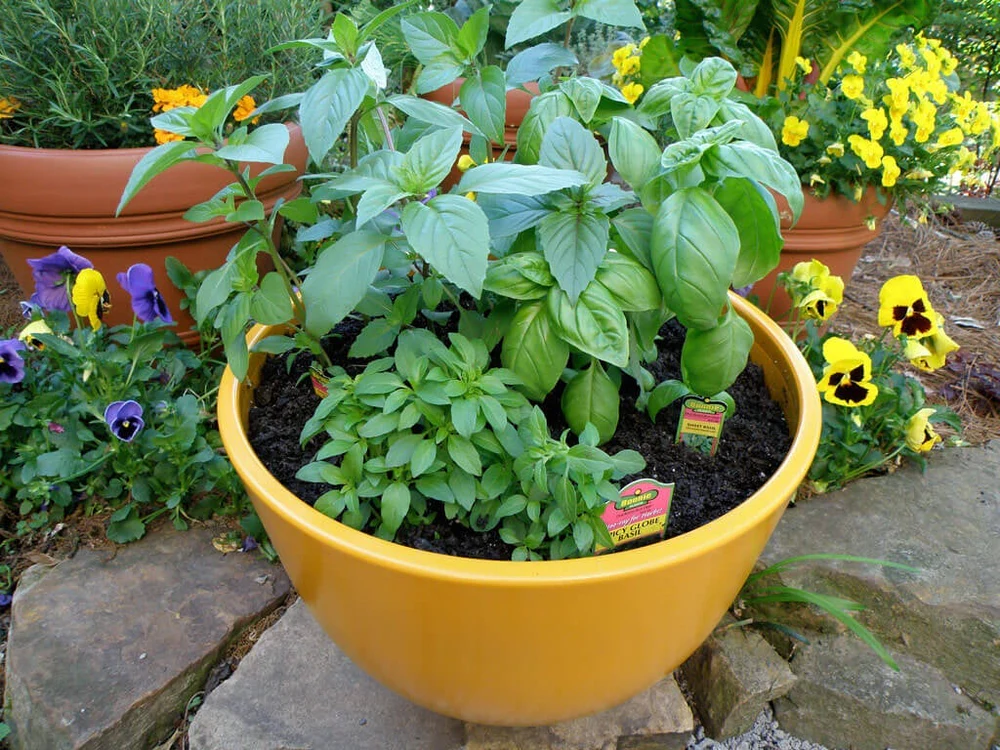
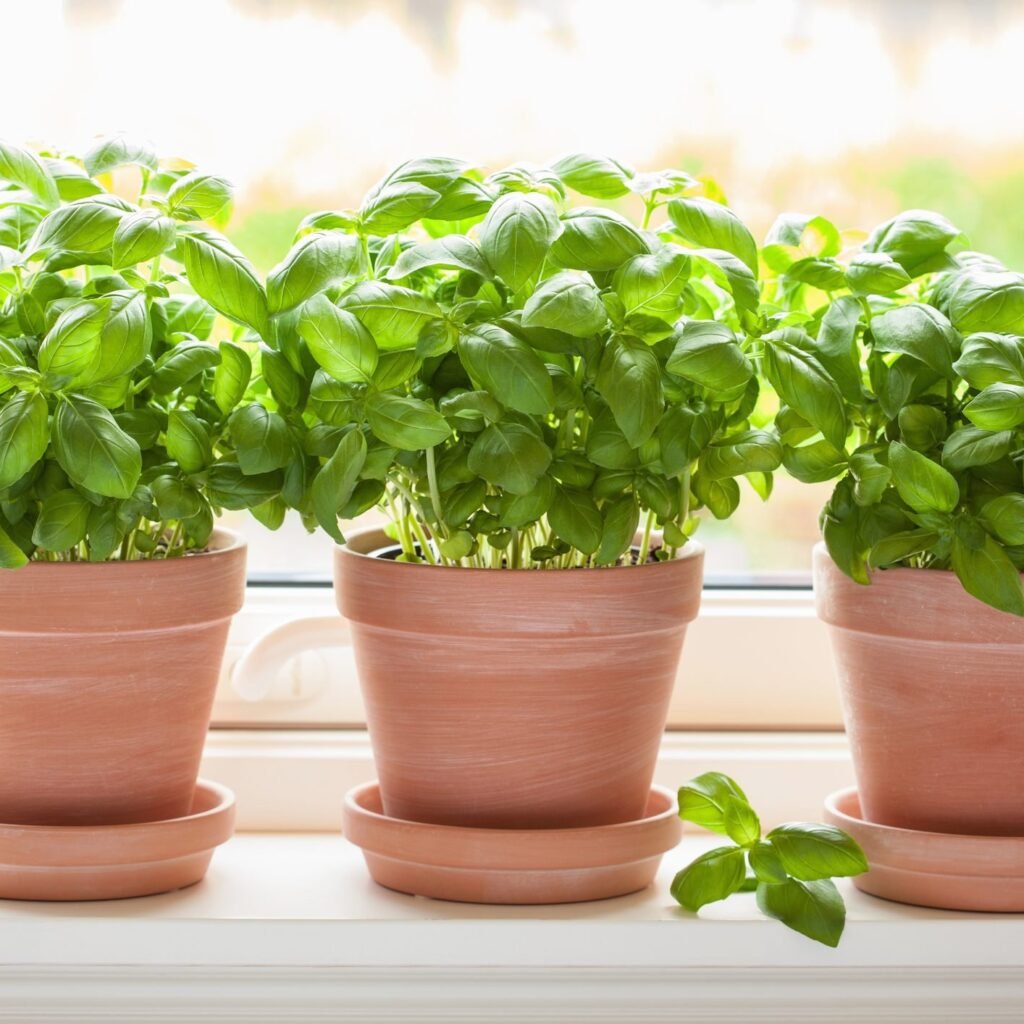
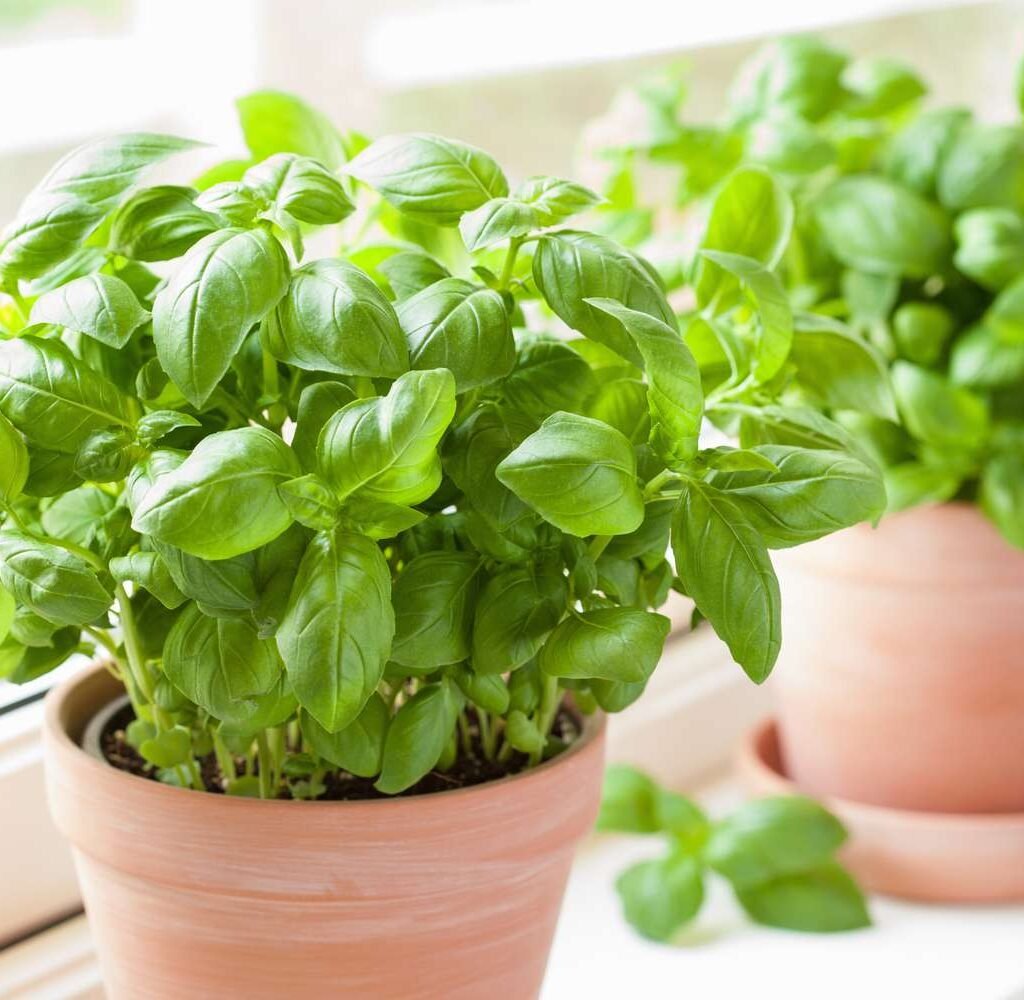
Basil is one of the easiest herbs to grow—whether you have a backyard garden, balcony, or kitchen windowsill.
Here’s how to grow healthy basil plants at home:
- Sunlight: Basil loves warmth and sunlight. Give it at least 6–8 hours of direct sunlight per day.
- Soil: Use well-draining, nutrient-rich soil. Basil thrives in slightly moist but not soggy soil.
- Watering: Water regularly but avoid overwatering. The soil should stay damp but not waterlogged.
- Pruning: Pinch off flower buds to encourage leafy growth. Trim leaves regularly to keep the plant bushy.
- Container Gardening: If growing indoors, place basil near a sunny window or under a grow light.
Pro Tip: Always harvest basil leaves from the top to promote regrowth. With proper care, a single basil plant can provide fresh leaves all season long.
6. Storing and Preserving Fresh Basil
Basil is best enjoyed fresh, but if you have a surplus from your garden or market, you can easily preserve it.
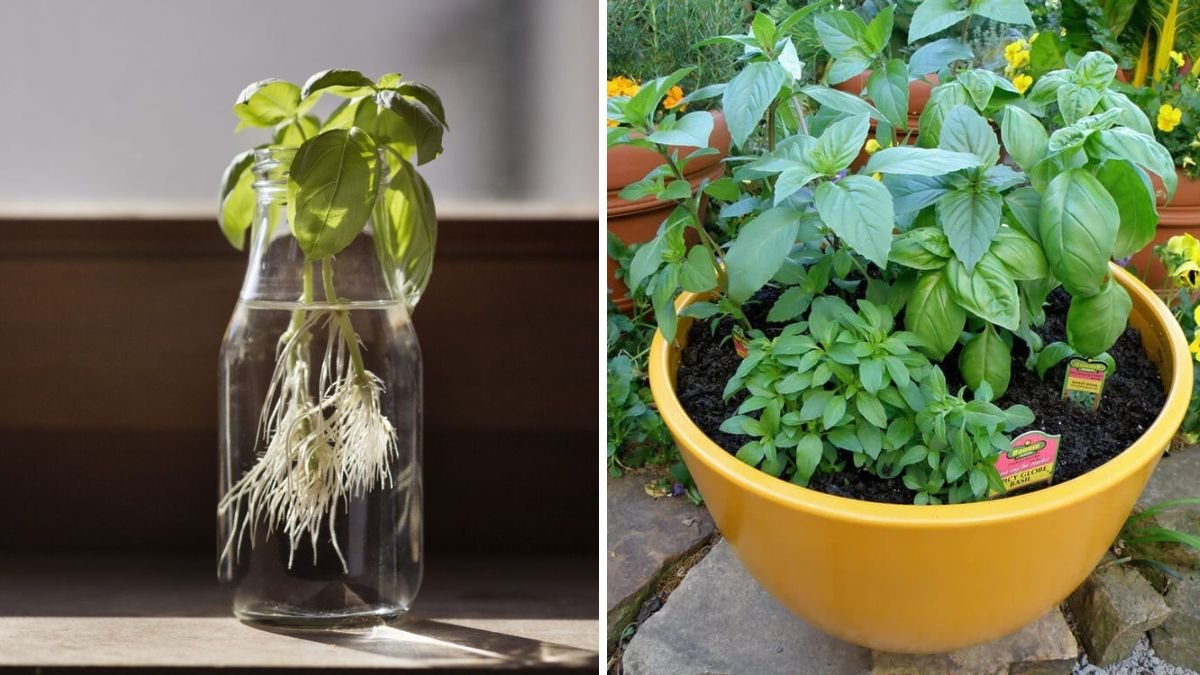
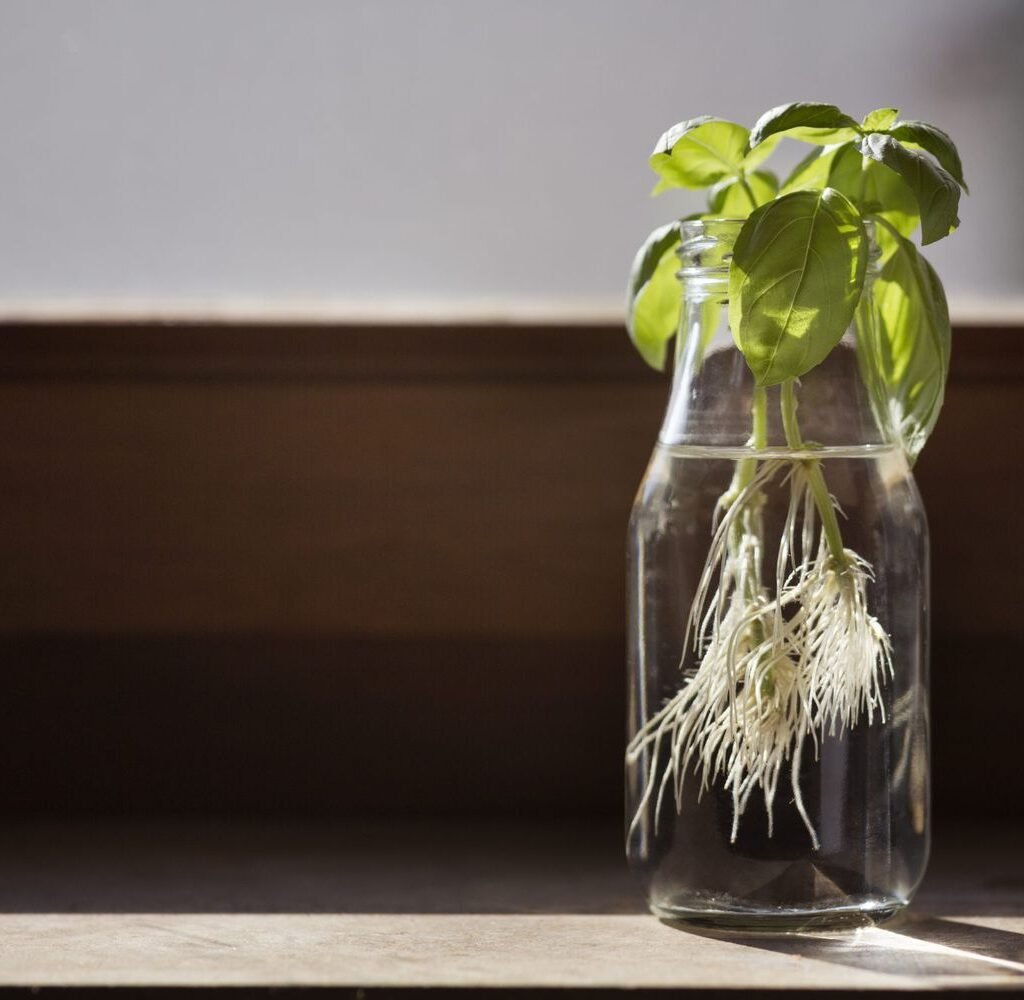
- Refrigerate: Place basil stems in a glass of water, cover loosely with a plastic bag, and refrigerate for up to a week.
- Freeze: Chop fresh leaves, place them in ice cube trays, and cover with olive oil. Freeze for future use in soups or sauces.
- Dry: Air-dry or dehydrate basil leaves, then store them in an airtight jar. Dried basil has a more concentrated flavor but shorter shelf life.
- Make Pesto: Blend basil with olive oil, garlic, and pine nuts to make classic pesto sauce. Freeze portions for year-round flavor.
7. Delicious American Basil Recipes to Try
Basil’s versatility shines in countless dishes—from appetizers to desserts. Here are a few American favorites:
a. Classic Basil Pesto
Blend fresh basil leaves, garlic, pine nuts, Parmesan cheese, and olive oil. Toss with pasta, spread on sandwiches, or use as a pizza sauce base.
b. Caprese Salad
A timeless summer dish made with fresh mozzarella, ripe tomatoes, basil leaves, olive oil, and balsamic glaze.
c. Basil Lemonade
Muddle fresh basil leaves into homemade lemonade for a refreshing twist. Perfect for warm American summers and backyard barbecues.
d. Grilled Chicken with Basil Marinade
Mix chopped basil with olive oil, lemon juice, and garlic. Marinate chicken breasts and grill for a flavorful, healthy meal.
e. Strawberry Basil Smoothie
Blend strawberries, basil, Greek yogurt, and honey for a unique, antioxidant-packed breakfast drink.
f. Tomato Basil Soup
Comfort in a bowl—this creamy soup pairs perfectly with grilled cheese sandwiches and cozy evenings.
8. Basil in American Wellness and Lifestyle
Beyond the kitchen, basil has made its mark in wellness trends across the U.S.:
- Basil Essential Oil: Used in aromatherapy for stress relief and mental clarity.
- Basil Tea (Tulsi Tea): Popular in herbal wellness circles for its calming and detoxifying effects.
- Natural Skincare: Basil’s antibacterial and antioxidant properties make it a common ingredient in DIY masks and toners.
Americans are increasingly embracing basil as part of holistic health routines, not just as a seasoning.
9. Fun Facts About Basil You Might Not Know
- The name “basil” comes from the Greek word basileus, meaning “king.”
- In ancient cultures, basil symbolized love and protection.
- There’s a National Fresh Basil Day celebrated every August 2nd in the U.S.
- Basil plants repel mosquitoes and insects, making them great for patios and gardens.
- Adding basil to your compost can help speed up decomposition naturally.
10. The Sustainable Side of Basil
Basil is not just good for you—it’s good for the planet. It grows quickly, requires minimal resources, and can thrive in small spaces. Many American gardeners plant basil alongside tomatoes and peppers as a natural pest deterrent, reducing the need for chemical pesticides.
Supporting local basil farmers or growing your own helps reduce your carbon footprint while ensuring fresh, organic herbs year-round.
11. Conclusion: A Leaf of Health, Flavor, and Freshness
From Italian kitchens to American backyard gardens, basil remains a timeless symbol of freshness, flavor, and wellness. It enhances every dish it touches—bringing brightness to salads, depth to sauces, and calm to your mind and body.
Whether you sprinkle it on a pizza, blend it into pesto, or grow it on your windowsill, basil adds a touch of green magic to everyday life. Easy to grow, bursting with nutrients, and rich in cultural history—this “king of herbs” truly deserves its crown in every American home.
So go ahead—plant some basil, cook with it, and enjoy the countless ways it can transform your meals and your health.