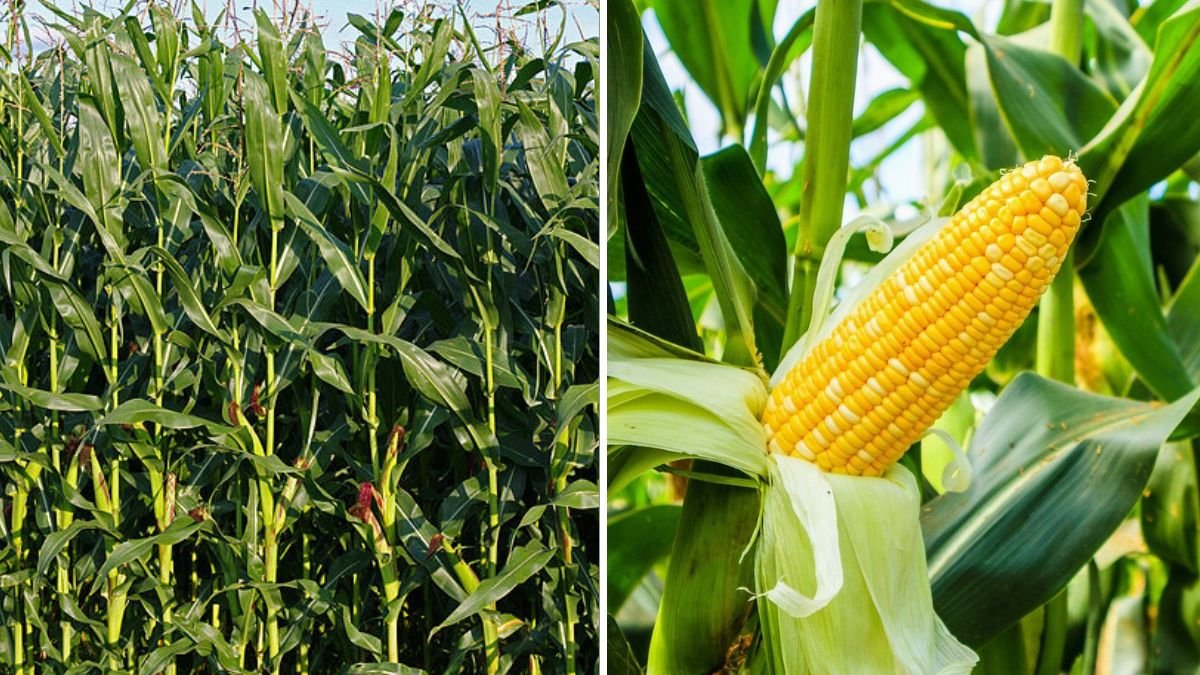
Corn, often called maize, is one of the most iconic and widely grown vegetables in the United States. Known for its sweet, juicy kernels, corn is a summer favorite, perfect for grilling, boiling, or adding to salads, salsas, and soups. Beyond its culinary appeal, corn is a rewarding crop for gardeners, offering tall, impressive plants and abundant harvests with the right care.
Whether you’re growing corn in a spacious backyard, raised beds, or even large containers, understanding its growth requirements is key to a bountiful, flavorful harvest. This guide covers everything from selecting the best corn varieties to planting, caring for, and harvesting your crop.
1. Choosing the Right Corn Variety
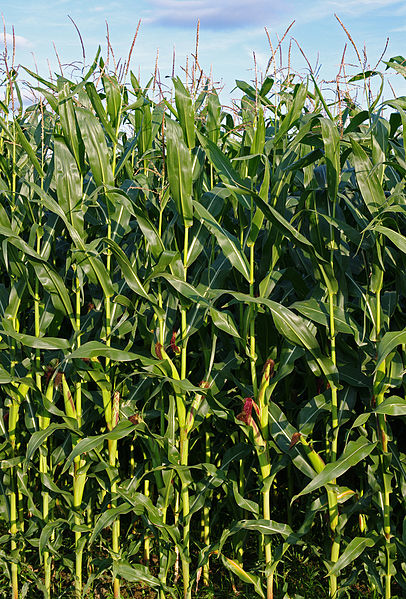
Corn comes in several types, each suited for different climates, tastes, and uses. Choosing the right variety ensures successful growth and maximum flavor.
Popular Corn Varieties in the U.S.:
- Sweet Corn: Ideal for fresh eating; varieties include ‘Silver Queen,’ ‘Honey Select,’ and ‘Peaches & Cream.’
- Popcorn: Perfect for home-popped snacks; varieties include ‘Strawberry Pop’ and ‘Red Zea.’
- Flint Corn: Often used for decoration or cornmeal; hardy and colorful.
- Dent Corn: Typically used for animal feed and processed foods.
For home gardeners, sweet corn is the most popular choice due to its tenderness and versatility. Consider your growing season and space before selecting a variety.
2. Starting Corn Seeds
Corn is a warm-season crop that grows best in soil temperatures between 60–95°F. Unlike some vegetables, corn generally performs better when sown directly outdoors rather than started indoors.

Seed Starting Tips:
- Direct Sowing: Plant seeds 1–2 inches deep once the soil temperature is at least 60°F and danger of frost has passed.
- Spacing: Space seeds 8–12 inches apart, with rows 24–36 inches apart. Plant in blocks of at least 4 rows to improve pollination.
- Thinning: Once seedlings emerge, thin to the strongest plant per spot, leaving 12–18 inches between plants.
Corn is wind-pollinated, so planting in blocks rather than single rows increases pollination success and leads to fuller ears.
3. Preparing the Soil
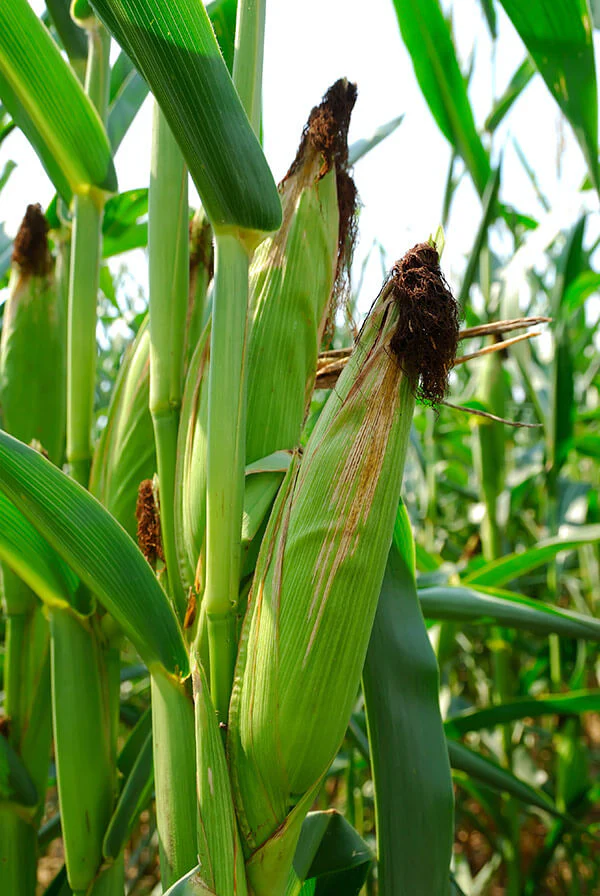
Corn is a heavy feeder, requiring fertile, well-draining soil for optimal growth. Proper soil preparation encourages tall stalks, healthy leaves, and abundant ears.
Soil Preparation Tips:
- pH: Aim for 6.0–6.8.
- Organic Matter: Mix in 2–4 inches of compost or well-aged manure before planting.
- Fertility: Incorporate a balanced fertilizer (10-10-10) at planting, then side-dress with nitrogen as plants grow.
- Drainage: Raised beds or mounds can improve drainage in wetter regions.
Healthy soil not only supports robust corn growth but also reduces susceptibility to pests and disease.
4. Planting and Spacing
Corn grows tall and requires adequate sunlight, airflow, and room for roots to thrive.

Planting Guidelines:
- Plant in full sun with at least 6–8 hours of direct sunlight per day.
- Space seeds 12 inches apart in rows that are 30–36 inches apart.
- For small gardens, consider dwarf corn varieties that reach 3–4 feet in height.
Corn is best grown in blocks rather than single long rows, as wind-pollination ensures better kernel development when plants are close together.
5. Watering and Fertilizing
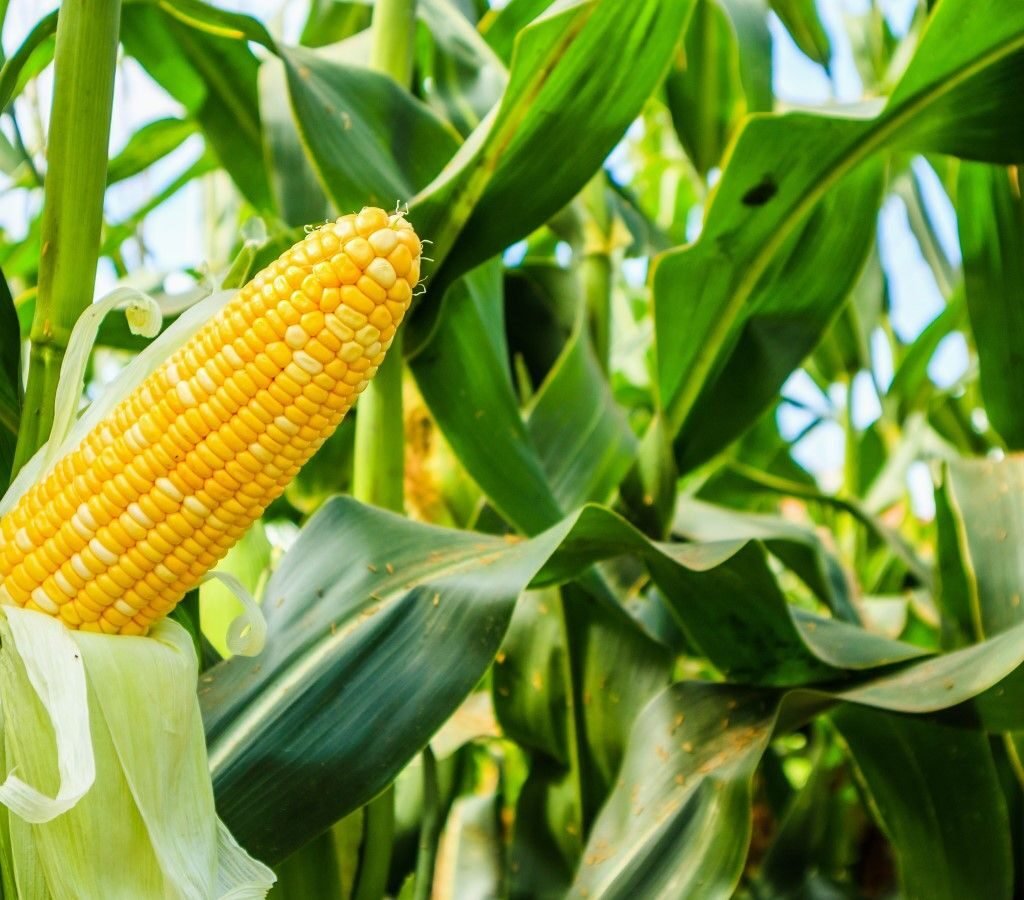
Corn requires consistent moisture, especially during pollination and ear development.
Watering Tips:
- Provide 1–1.5 inches of water per week, more during dry spells.
- Water at the base to prevent fungal diseases.
- Mulching around plants retains moisture and reduces weeds.
Fertilizing Tips:
- Side-dress with nitrogen-rich fertilizer when plants are about 12 inches tall and again when tassels appear.
- Avoid over-fertilizing late in the season, as this can encourage leafy growth over ear production.
6. Supporting Corn Plants
Corn stalks are tall and can be vulnerable to wind or heavy rains.

Support Tips:
- Planting in blocks provides natural support.
- For exposed areas, consider using stakes or windbreaks to prevent lodging (falling over).
- Avoid overcrowding to ensure strong stalks and healthy ears.
7. Pollination and Flower Care
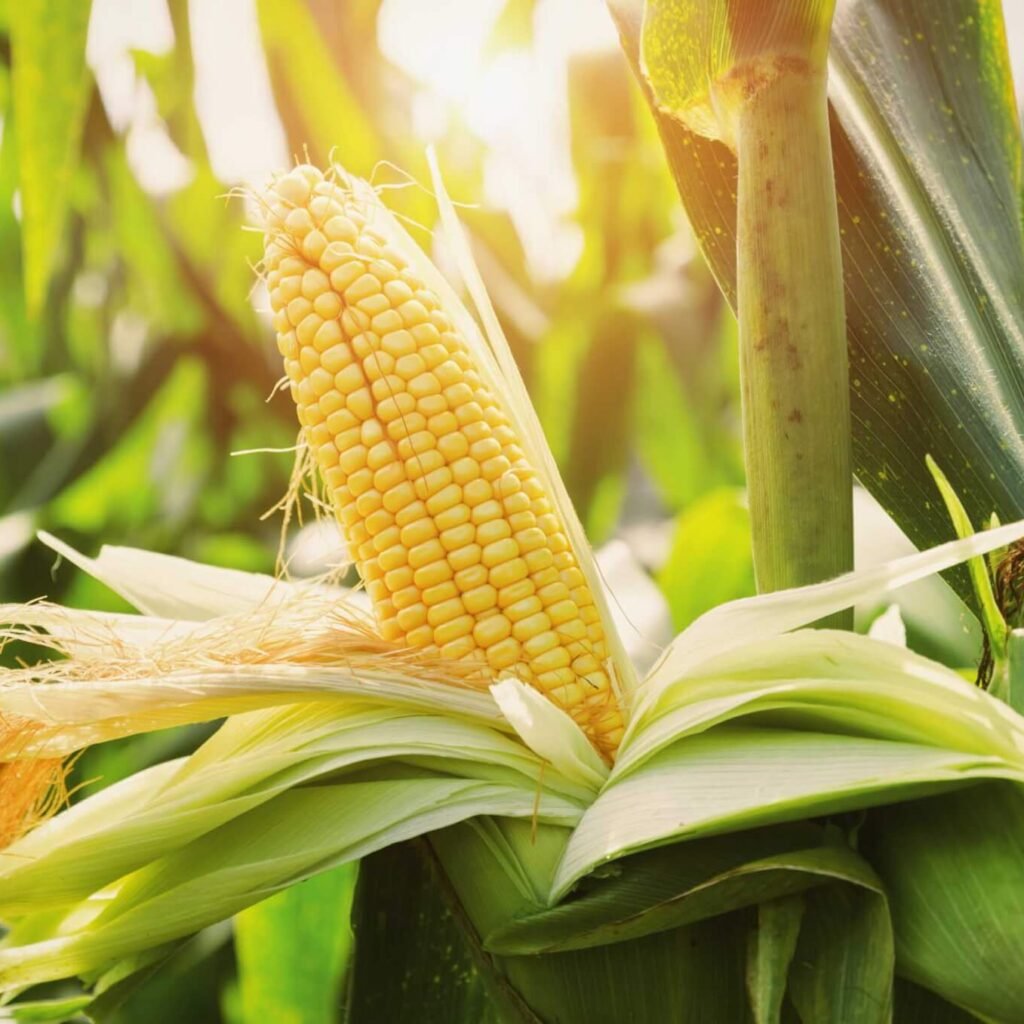
Successful pollination is key to developing full, plump ears.
- Tassels and Silks: Male flowers produce pollen at the top (tassels), while female flowers form ears with silks that catch pollen.
- Timing: Pollination occurs over several days; hand-pollinating by brushing pollen onto silks can increase yields.
- Monitoring: Ensure at least 50–60% of plants have healthy silks during tassel bloom.
Proper pollination leads to uniform kernels and larger ears.
8. Common Pests and Diseases
Corn can face pests and diseases that affect yield and quality.
Common Pests:
- Corn Earworms: Feed on kernels; handpick or use organic sprays.
- Aphids: Sap-sucking insects that weaken plants; blast with water or use insecticidal soap.
- Cutworms: Can damage seedlings; use collars or barriers.
Common Diseases:
- Rust: Orange-brown pustules on leaves; maintain spacing and airflow.
- Northern Leaf Blight: Gray-green lesions; rotate crops annually.
- Smuts: Black spore masses on ears; remove affected plants promptly.
Crop rotation, good spacing, and vigilant monitoring reduce most pest and disease issues.
9. Harvesting Corn
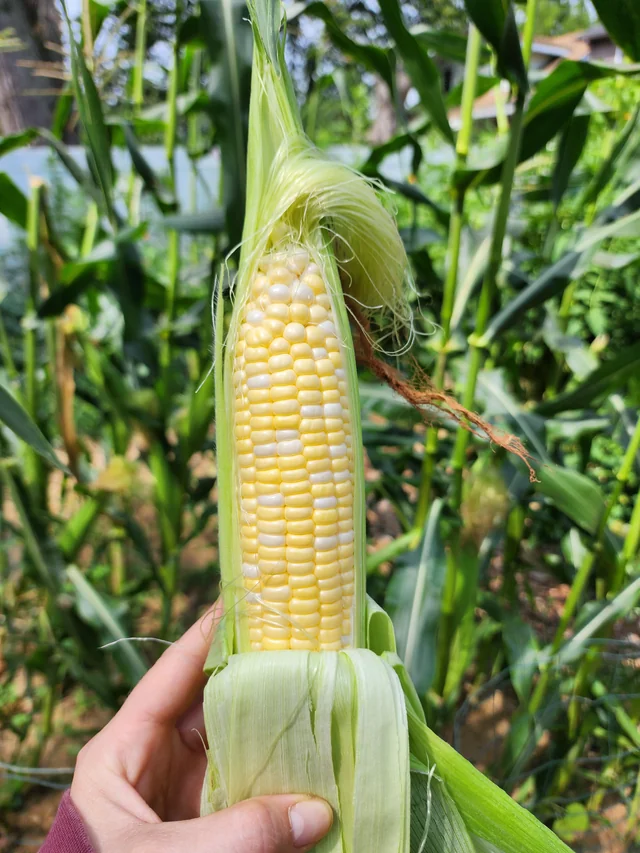
Timing is crucial for sweet corn to achieve peak flavor.
Harvesting Tips:
- Pick corn when silks turn brown, and ears feel full but still tender.
- Test kernels by pressing a fingernail into one; milky juice indicates readiness.
- Harvest early in the morning for the best flavor.
- Pick regularly, as leaving ears too long on the stalk reduces sweetness.
Freshly harvested corn can be boiled, grilled, or roasted immediately for the best taste.
10. Using and Preserving Corn
Corn is versatile and can be enjoyed fresh, frozen, or preserved for later use.
Culinary Uses:
- Boiled or Grilled Corn on the Cob: A summer favorite.
- Corn Salads and Salsas: Adds sweetness and texture.
- Corn Chowder and Soups: Classic comfort foods.
- Canning and Freezing: Blanch and freeze kernels for winter meals.
- Cornmeal: Dry varieties can be ground for cornbread and baking.
Proper storage ensures sweetness and freshness, maintaining the classic flavor that makes homegrown corn irresistible.
Conclusion: Grow Corn with Confidence
Corn is a rewarding crop for American gardeners, offering abundant harvests, versatility in cooking, and visual appeal with its tall, leafy stalks. By choosing the right variety, providing consistent care, and ensuring proper pollination, you can enjoy sweet, homegrown corn all season long.
Whether grilled on the barbecue, added to salads, or preserved for winter meals, nothing compares to the taste of freshly harvested corn from your own garden. With patience, planning, and proper care, your garden can yield ears of corn that are as flavorful as they are impressive.