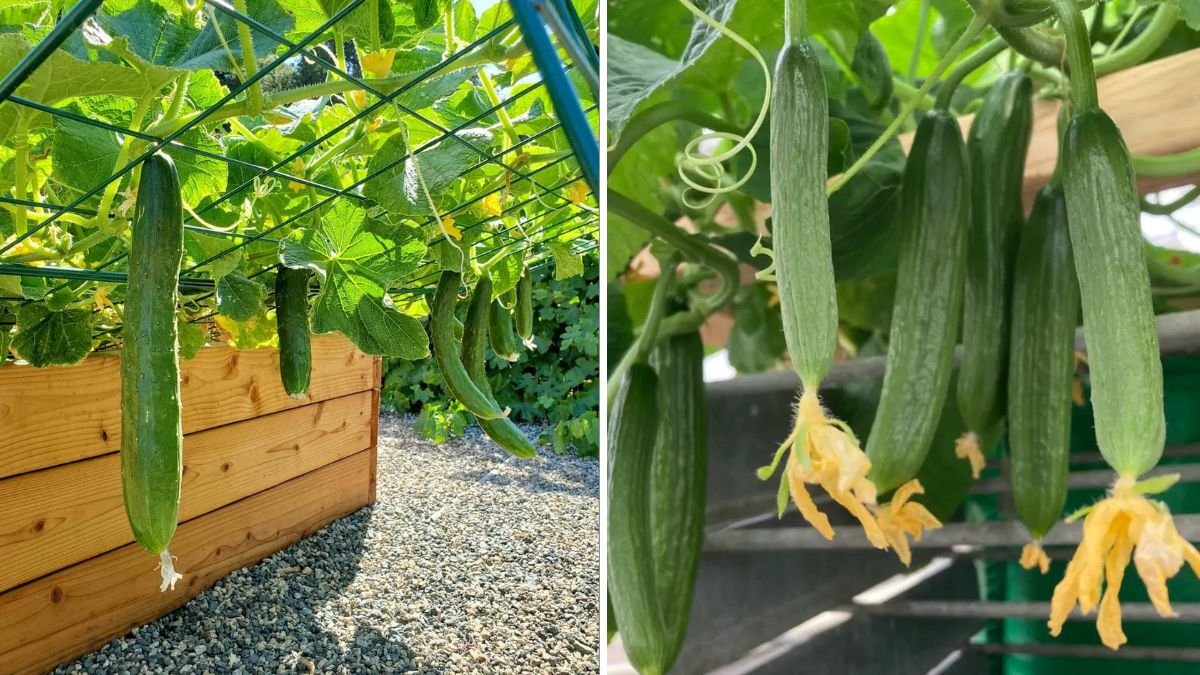
Few vegetables epitomize summer freshness quite like cucumbers. Crisp, refreshing, and versatile, cucumbers are a staple in American gardens—from backyard plots to container gardens on city patios. Whether you’re tossing them into salads, pickling them for homemade pickles, or adding them to refreshing beverages, homegrown cucumbers simply taste better than store-bought.
But growing cucumbers successfully requires more than planting a seed and hoping for the best. They need warm soil, consistent care, and proper support to produce abundant, healthy fruits. This comprehensive guide will walk you through everything you need to know to grow cucumbers successfully in the United States, from selecting the best varieties to harvesting crisp, flavorful fruits.
1. Understanding Cucumber Varieties
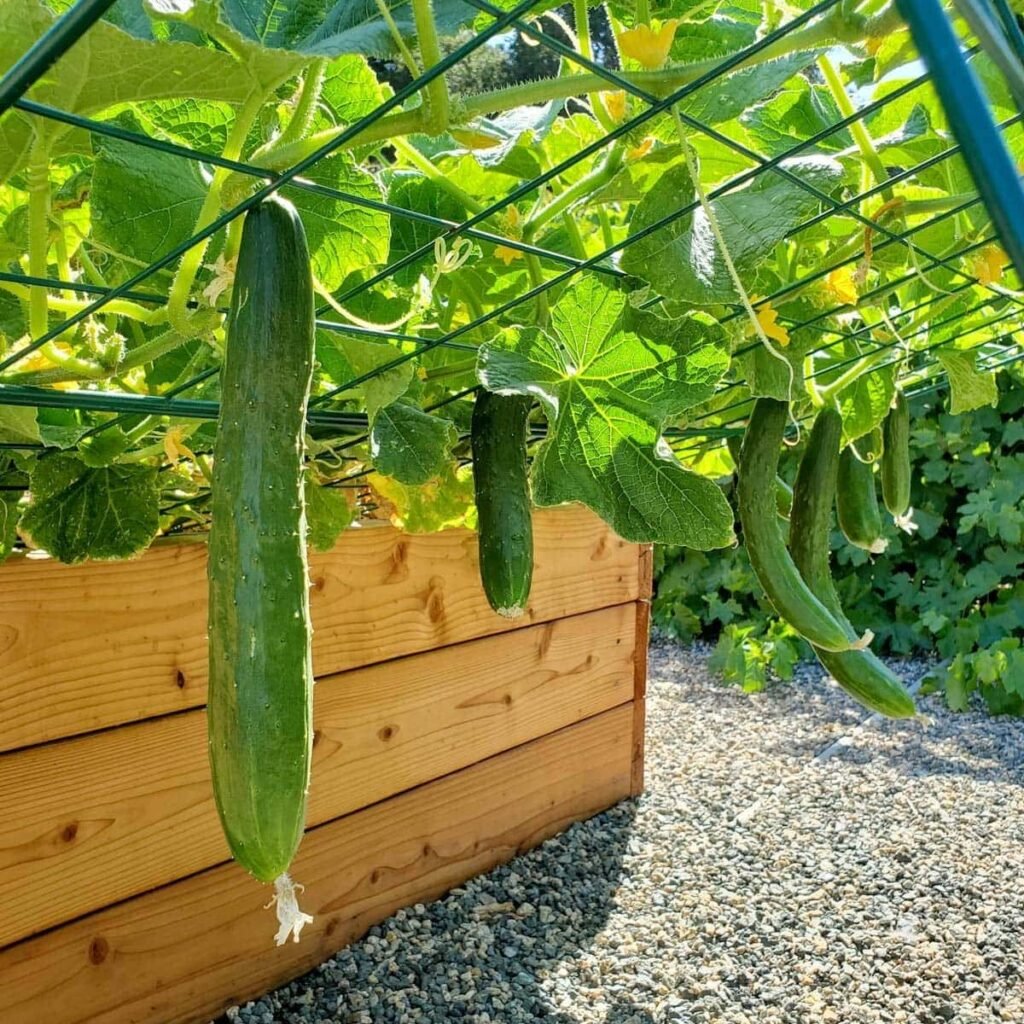
Cucumbers come in several types, each suited for different culinary uses and growing conditions. Choosing the right variety is the first step to a successful cucumber harvest.
Slicing Cucumbers
These are the traditional cucumbers you’ll find in salads or served fresh. They are usually longer, thicker-skinned, and less bitter.
Popular American varieties:
- ‘Marketmore 76’ – Disease-resistant, high-yielding, and classic slicing cucumber.
- ‘Straight Eight’ – Known for straight, uniform fruits with mild flavor.
- ‘Bush Champion’ – Ideal for smaller gardens and containers.
Pickling Cucumbers
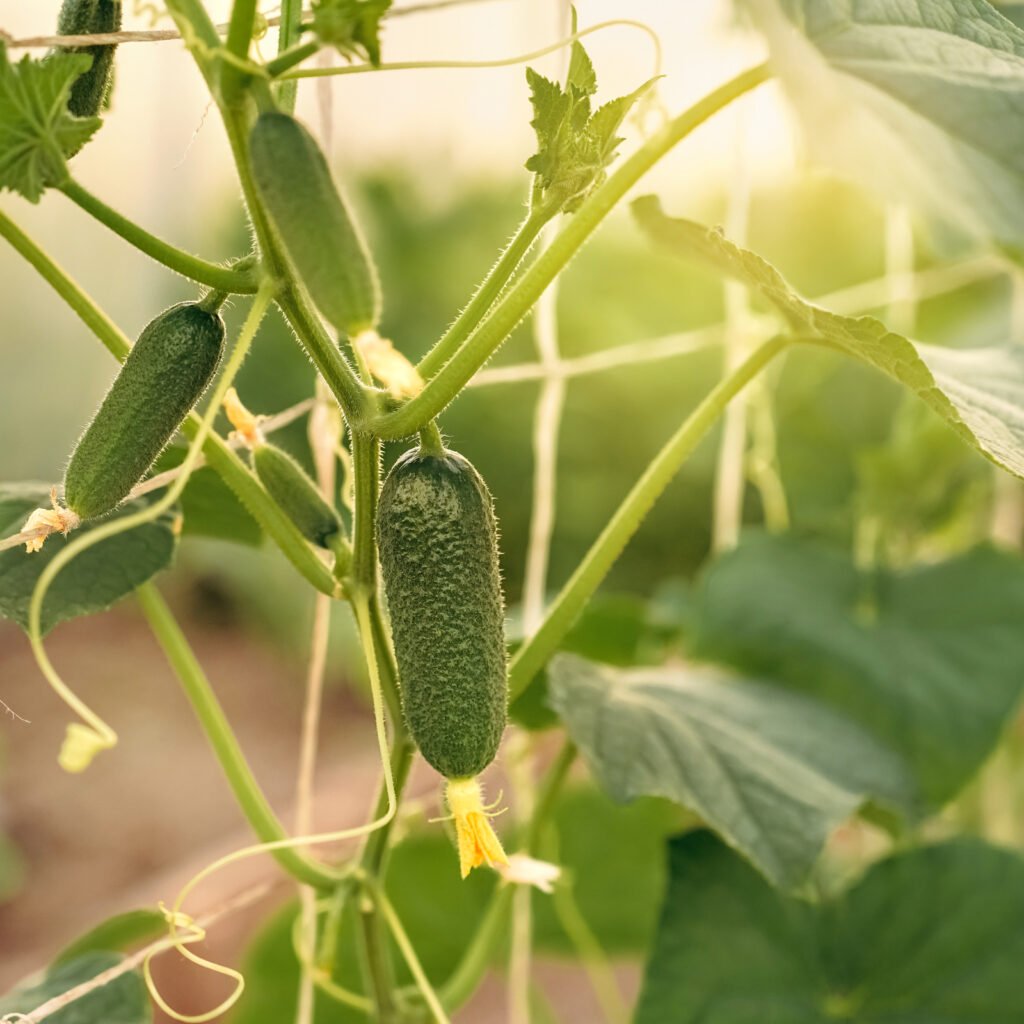
Shorter, thinner, and crispier, these are perfect for pickling.
Popular varieties:
- ‘Boston Pickling’ – Produces abundant small fruits ideal for jars.
- ‘National Pickling’ – Early-maturing and resistant to powdery mildew.
Specialty Cucumbers
Unique shapes, colors, and flavors for adventurous gardeners:

- ‘Lemon Cucumber’ – Round, yellow, mild-tasting fruits.
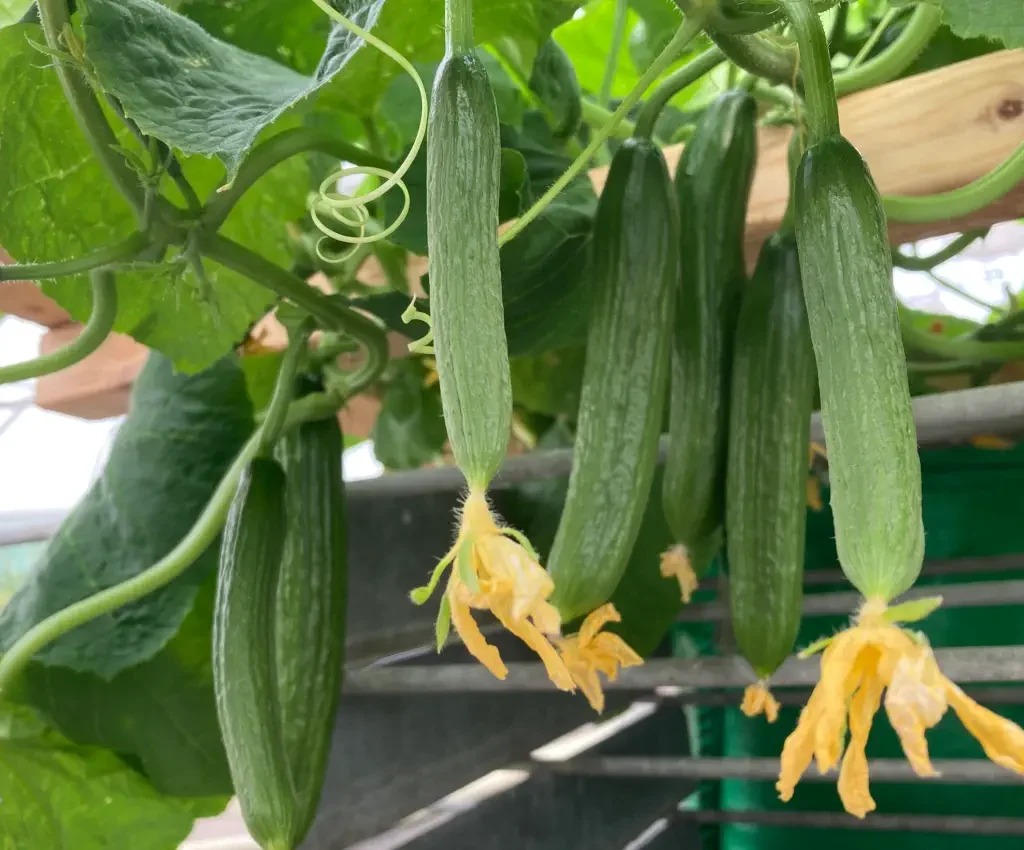
- ‘Armenian Cucumber’ – Long, slender, and slightly ribbed; technically a melon.
Select varieties based on your climate, garden space, and culinary preferences.
2. Starting Cucumbers from Seed
Cucumbers are warm-season vegetables that thrive in soil temperatures of 70–95°F. Starting seeds indoors gives you a head start, especially in cooler northern regions.
Seed Starting Tips:
- Timing: Sow seeds indoors 3–4 weeks before the last frost date.
- Containers: Use seed trays or small pots filled with a light seed-starting mix.
- Planting Depth: Plant seeds ½ inch deep and keep soil consistently moist.
- Light & Heat: Provide 12–16 hours of light per day with a grow light or sunny window; maintain 70–80°F for best germination.
- Transplanting: Harden off seedlings by gradually exposing them to outdoor conditions for 7–10 days before planting in the garden.
Alternatively, direct sow seeds outdoors once the soil has warmed to at least 70°F — usually late spring or early summer in most U.S. regions.
3. Preparing the Soil
Cucumbers are heavy feeders and prefer loose, fertile, well-draining soil. Proper preparation ensures strong growth and abundant fruit production.
Soil Preparation Steps:

- pH Level: Aim for 6.0–7.0.
- Fertility: Mix in 3–4 inches of compost or well-aged manure.
- Tilling: Loosen soil 8–12 inches deep to allow for deep root growth.
Pro Tip: Cucumbers grow best when planted after nitrogen-fixing crops like beans or peas. Avoid planting in areas where cucurbits (squash, melons) grew the previous year to prevent disease buildup.
4. Planting and Spacing
Proper spacing and planting techniques are essential to prevent overcrowding and improve airflow, reducing the risk of disease.
Planting Tips:
- Spacing: Sow seeds 12 inches apart in rows spaced 36–48 inches apart.
- Depth: Plant seeds ½ inch deep. For transplants, plant slightly deeper than they were in pots.
- Mounding: Many gardeners plant cucumbers on raised mounds or hills to improve drainage and warmth.
- Sunlight: Choose a location that receives 6–8 hours of full sun daily.
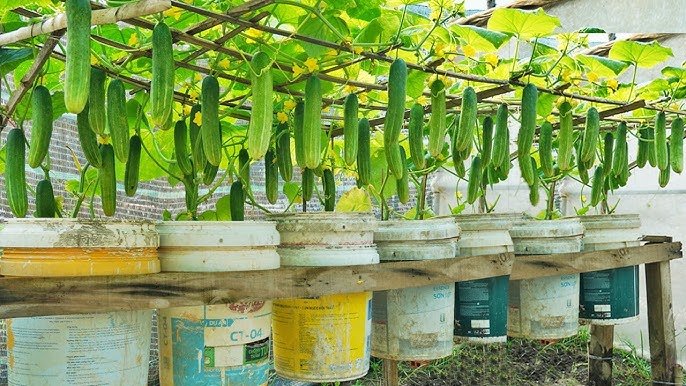
Cucumbers are natural climbers, so consider vertical growing techniques to save space and improve air circulation.
5. Supporting Cucumbers
While cucumbers can sprawl on the ground, vertical support has multiple benefits:
- Keeps fruits clean and straight
- Improves air circulation, reducing mildew and rot
- Makes harvesting easier
Support Options:

- Trellises: Wooden or metal trellises allow vines to climb and stay off the ground.
- Cages: Tomato cages work well for smaller cucumber varieties.
- Netting or Fencing: Lightweight garden netting can guide vines upward.
Tie vines loosely to the support as they grow to prevent breakage.
6. Watering and Fertilizing
Cucumbers need consistent moisture, especially during flowering and fruit set. Uneven watering can lead to bitter fruit or poor yields.
Watering Tips:
- Water deeply once or twice per week, depending on rainfall.
- Avoid wetting the foliage to reduce fungal disease risk.
- Use mulch to retain soil moisture and regulate temperature.
Fertilizing Tips:
- Incorporate a balanced, slow-release fertilizer (10-10-10) at planting.
- Side-dress with compost or liquid fertilizer every 3–4 weeks during the growing season.
- Ensure adequate potassium for fruit development and calcium to prevent blossom-end rot.
7. Pest and Disease Management
Cucumbers can face several common pests and diseases. Monitoring plants closely helps prevent infestations.
Common Pests:

- Cucumber Beetles: Yellow-green beetles that feed on leaves and transmit bacterial wilt. Use row covers and neem oil.
- Aphids: Sap-sucking insects. Spray with water or insecticidal soap.
- Spider Mites: Thrives in hot, dry conditions; increase humidity or use miticides if needed.
Common Diseases:
- Powdery Mildew: White, powdery growth on leaves. Prevent with good airflow and resistant varieties.
- Downy Mildew: Causes yellow spots on leaves; remove infected leaves promptly.
- Bacterial Wilt: Spread by cucumber beetles; remove infected plants immediately.
Crop rotation, proper spacing, and vigilant monitoring will help keep your cucumber patch healthy.
8. Harvesting Cucumbers
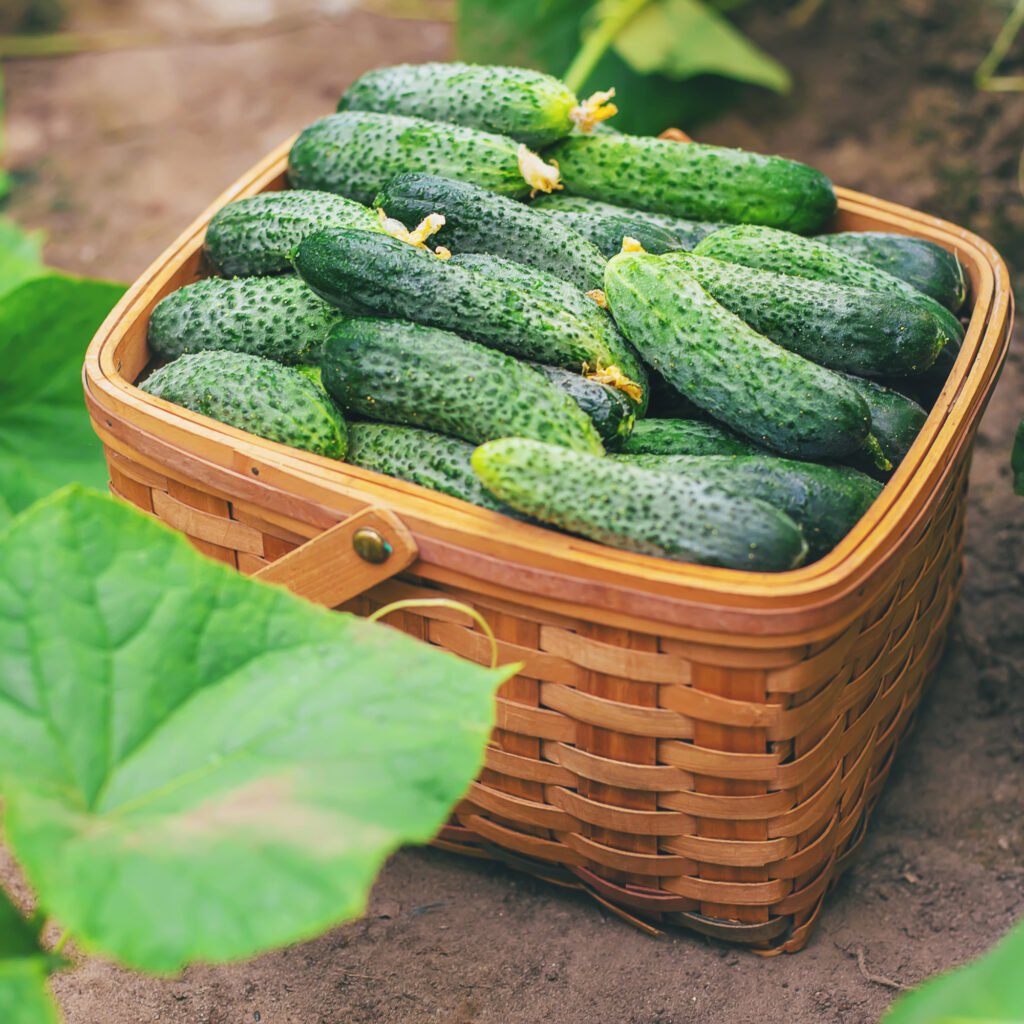
Cucumbers are ready to harvest 50–70 days after planting, depending on the variety. Regular harvesting encourages continuous production.
Harvesting Tips:
- Pick cucumbers when they are firm, smooth, and reach the expected size for the variety.
- Avoid letting cucumbers overmature—they can become bitter and seedy.
- Use garden shears or scissors to cut fruits gently, leaving a small stem attached.
- Harvesting every 2–3 days ensures the plant keeps producing.
9. Preserving and Using Cucumbers
Homegrown cucumbers can be enjoyed fresh or preserved for later enjoyment.
Ideas:

- Salads and Sandwiches: Fresh, crisp slices.
- Pickles: Sweet, dill, or spicy pickles for long-term storage.
- Infused Water: Slice and add to water for a refreshing drink.
- Relishes and Chutneys: Perfect for summer canning.
Store unwashed cucumbers in the fridge for up to a week for optimal freshness.
10. Tips for Maximum Flavor and Yield
- Sunlight is key: Cucumbers grown in full sun are sweeter and more productive.
- Mulch: Keeps roots cool, retains moisture, and reduces weeds.
- Consistent care: Watering, fertilizing, and pest control ensure higher yields.
- Vertical growing: Saves space and prevents rot.
Conclusion: Grow Crisp, Refreshing Cucumbers at Home
With their refreshing crunch and versatility in the kitchen, cucumbers are a must-have in any American garden. By following the right planting techniques, providing proper care, and protecting your plants from pests and disease, you can enjoy a bountiful harvest all season long.
Whether you’re a beginner gardener or a seasoned pro, growing cucumbers offers the satisfaction of fresh, homegrown produce that elevates salads, pickles, and summer dishes to a whole new level.
This season, plant cucumbers, watch them climb, and savor the taste of crisp, juicy, garden-fresh cucumbers straight from your backyard.