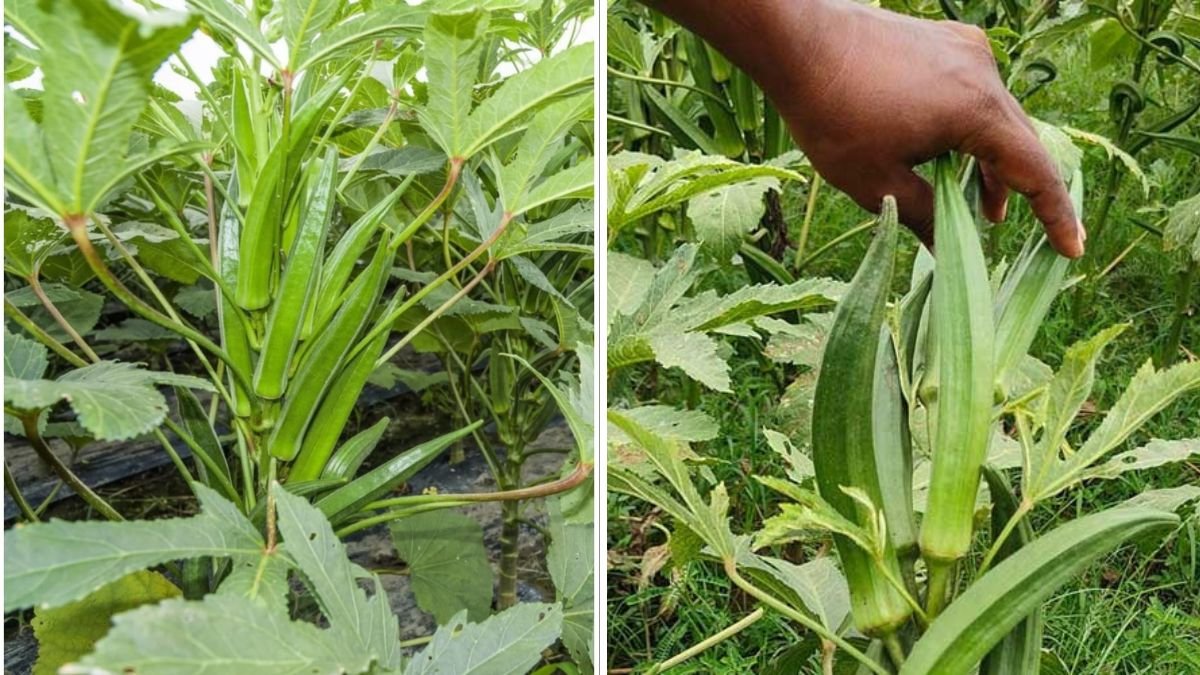
Okra, often called “lady’s finger”, is a staple of Southern cuisine and a favorite in American gardens for its versatility and resilience. This heat-loving vegetable produces tender, edible pods perfect for frying, stewing, grilling, or adding to soups like the classic gumbo. Beyond its culinary uses, okra is easy to grow and produces an abundant harvest, making it ideal for beginner and experienced gardeners alike.
Whether you have a backyard garden, raised beds, or large containers, growing okra successfully requires understanding its needs and following key planting and care strategies. This guide will walk you through everything you need to know to grow healthy, high-yielding okra plants from seed to harvest.
1. Choosing the Right Okra Variety
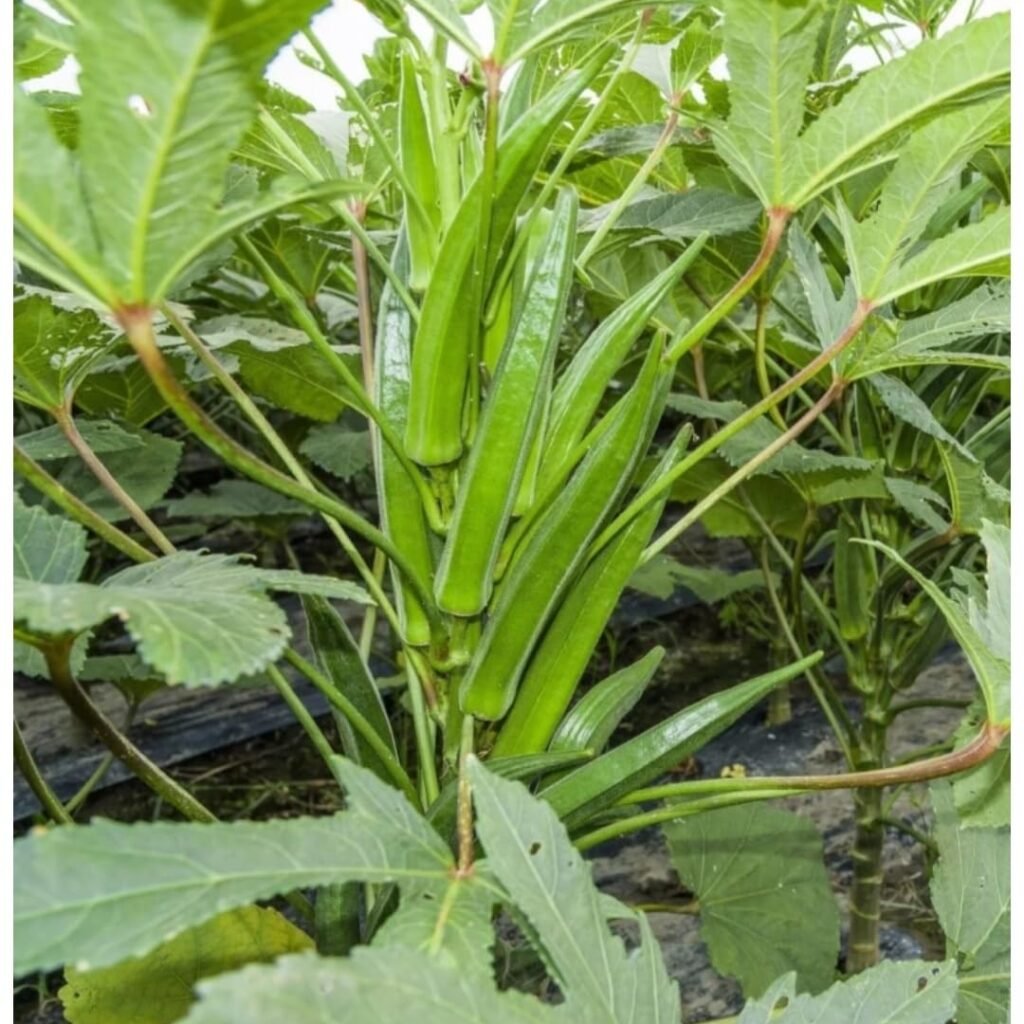
Selecting the right variety is crucial for maximizing yield, flavor, and adaptability to your region. Okra varieties differ in height, pod size, color, and disease resistance.
Popular American Okra Varieties:
- ‘Clemson Spineless’ – Most popular in the U.S.; spineless pods, vigorous growth, high yield.
- ‘Emerald’ – Medium-sized green pods, tender and flavorful.
- ‘Jambalaya’ – Resistant to common diseases and ideal for Southern gardens.
- ‘Burgundy’ – Deep red pods, perfect for salads and ornamental appeal.
- ‘Annie Oakley II’ – Dwarf variety suited for container or small gardens.
Choose a variety based on your garden size, climate, and intended culinary use. Taller varieties like Clemson Spineless thrive in spacious backyards, while dwarf types are perfect for patio containers.
2. Starting Okra Seeds
Okra thrives in warm weather, with optimal growth at 75–95°F. Seeds can be started indoors in cooler climates to extend the growing season.
Seed Starting Tips:
- Sow seeds ½–1 inch deep in seed trays or small pots with well-draining seed-starting mix.
- Keep soil warm, ideally 75–85°F, to encourage germination.
- Provide 12–16 hours of light daily with a grow light or sunny window.
- Transplant seedlings outdoors when nighttime temperatures remain above 60°F and seedlings have 2–3 true leaves.
Direct Sowing Outdoors:
- In warm climates, sow seeds directly after the last frost.
- Space seeds 12–18 inches apart in rows 3 feet apart.
3. Preparing the Soil
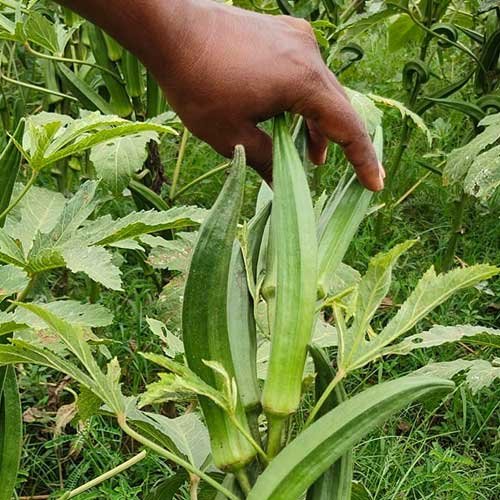
Okra grows best in well-draining, fertile soil rich in organic matter. Proper soil preparation encourages strong growth and abundant pod production.
Soil Preparation Tips:
- pH: Aim for 6.0–6.8.
- Organic Matter: Incorporate 2–3 inches of compost or aged manure into the soil.
- Drainage: Raised beds or mounds are ideal for preventing waterlogged roots.
- Sunlight: Okra requires full sun for at least 6–8 hours daily.
Healthy soil ensures vigorous plants and higher yields, while mulch helps conserve moisture, regulate soil temperature, and reduce weeds.
4. Planting and Spacing
Proper spacing is crucial to allow okra plants to grow tall, develop strong stems, and produce abundant pods.

Planting Guidelines:
- Space plants 12–18 inches apart in rows 36–48 inches apart.
- For container gardening, use large pots (5–10 gallons) and plant one okra per pot.
- Ensure adequate sunlight and airflow to prevent disease and encourage pod formation.
Okra plants can reach 3–6 feet in height, so spacing is essential to prevent overcrowding and allow for easy harvesting.
5. Watering and Fertilizing
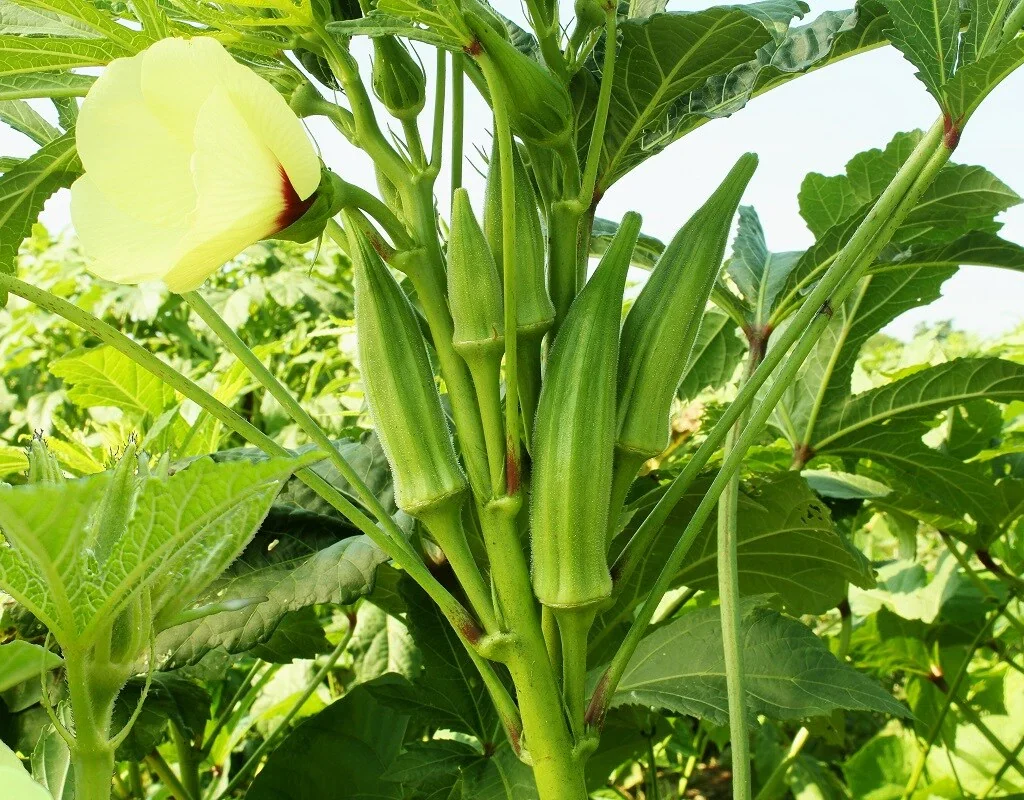
Okra is drought-tolerant but performs best with consistent watering. Water and nutrients play a critical role in flower and pod development.
Watering Tips:
- Provide 1–1.5 inches of water per week, especially during flowering and pod growth.
- Water deeply at the base of the plant to encourage deep root systems.
- Mulching helps retain soil moisture during hot summer days.
Fertilizing Tips:
- Apply a balanced fertilizer (10-10-10 NPK) at planting.
- Side-dress with compost or nitrogen-rich fertilizer when plants start flowering.
- Avoid over-fertilization, which can encourage leafy growth at the expense of pods.
6. Supporting and Caring for Okra
While okra is relatively low-maintenance, proper care maximizes yield and reduces disease risk.

Tips for Healthy Growth:
- Stake taller varieties if needed to prevent breakage in strong winds.
- Remove weeds around plants regularly to reduce competition for nutrients.
- Thin seedlings if overcrowded to maintain airflow and plant health.
- Encourage pollinators like bees, as they help improve pod formation.
Okra produces flowers that mature into pods rapidly, often ready for harvest within 50–60 days from planting.
7. Common Pests and Diseases
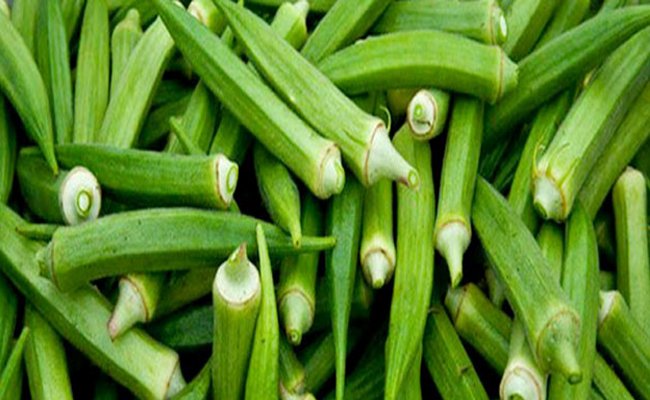
Okra can be affected by pests and diseases, but proactive management ensures healthy plants.
Common Pests:
- Aphids: Use insecticidal soap or blast with water.
- Flea Beetles: Small holes in leaves; protect young plants with row covers.
- Stink Bugs: Feed on pods and leaves; handpick or use organic insecticides.
Common Diseases:
- Powdery Mildew: White, powdery spots on leaves; ensure proper spacing.
- Verticillium Wilt: Causes yellowing and wilting; practice crop rotation.
- Leaf Spots: Remove infected leaves promptly to prevent spread.
Healthy soil, proper spacing, and regular monitoring are key to preventing pest and disease issues.

8. Harvesting Okra
Timing is critical for tender, flavorful pods. Overgrown okra becomes tough and fibrous.
Harvesting Tips:
- Pick pods 2–4 inches long, depending on variety.
- Harvest every 1–2 days during peak production.
- Use garden scissors or a knife to snip pods carefully, leaving the stem intact.
- Wear gloves if pods have fine hairs that can irritate skin.
Regular harvesting encourages plants to produce continuously throughout the growing season.
9. Using and Preserving Okra
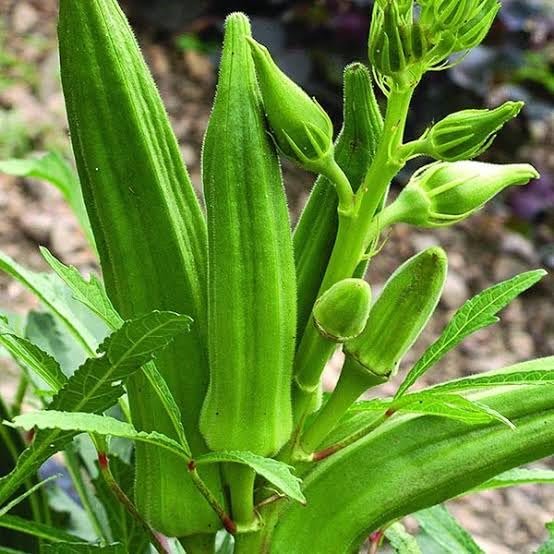
Okra is versatile in the kitchen, offering a range of culinary uses.
Culinary Uses:
- Fried Okra: Classic Southern comfort food.
- Gumbo: Essential in traditional Louisiana recipes.
- Roasted or Grilled: Toss with olive oil, salt, and pepper for a simple side dish.
- Pickled Okra: Crunchy, tangy, and perfect for snacking.
- Soups and Stews: Adds flavor and natural thickening.
Storage Tips:
- Fresh okra pods can be stored in the refrigerator for up to 5 days.
- Blanching and freezing pods allows for long-term preservation.
10. Tips for Maximum Okra Yield
- Ensure full sun exposure for robust plant growth.
- Keep soil consistently moist but well-drained.
- Mulch to regulate soil temperature and conserve water.
- Harvest frequently to encourage continuous pod production.
- Rotate crops annually to reduce disease buildup.
Conclusion: Grow Okra with Confidence
Okra is a rewarding addition to any American garden, offering abundant harvests, versatility in cooking, and vibrant summer foliage. By choosing the right variety, providing proper care, and harvesting consistently, gardeners can enjoy fresh, homegrown okra all season long.
Whether you’re frying it, adding it to gumbo, roasting it, or pickling it, homegrown okra provides flavor, nutrition, and the satisfaction of growing your own food. Start planting this season and enjoy the crisp, tender pods that only a garden-fresh okra plant can provide.