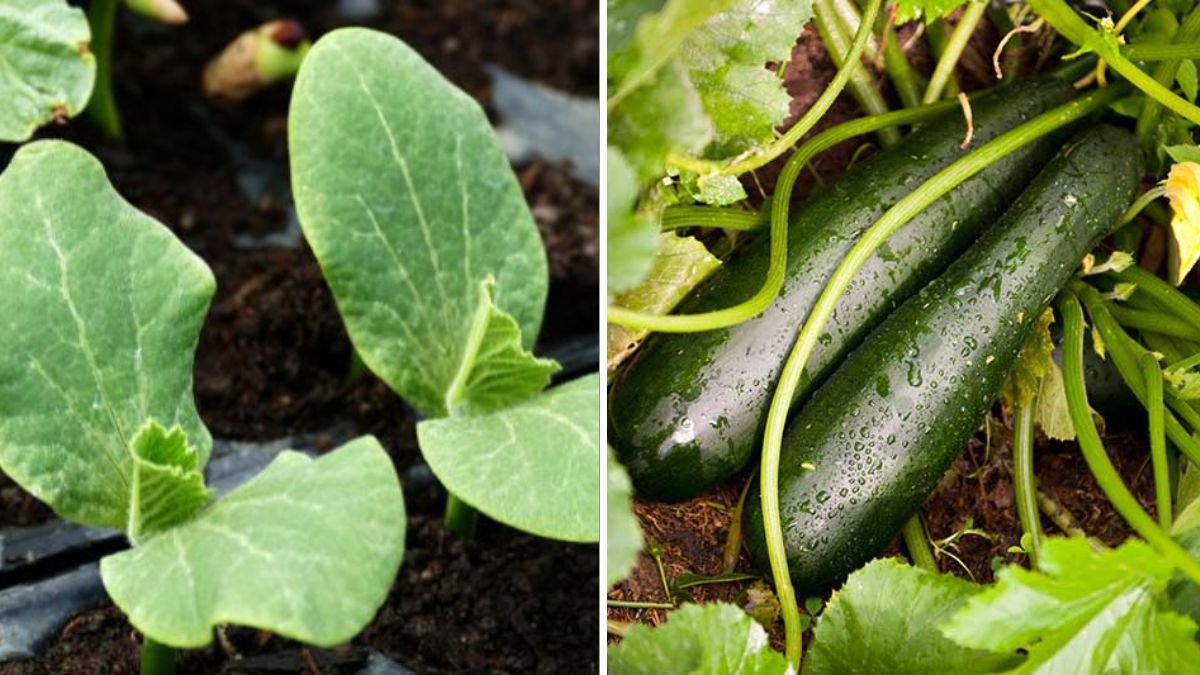
Few vegetables are as versatile, easy to grow, and satisfying to harvest as zucchini. This summer squash has captured the hearts of American gardeners for decades. With its tender flesh and mild flavor, zucchini is perfect for sautés, grills, breads, casseroles, and even spiralized noodles.
Whether you have a sprawling backyard garden, raised beds, or even a few large containers on your patio, zucchini is an ideal choice for gardeners of all experience levels. With the right care, it produces an abundant harvest that can last all summer.
In this comprehensive guide, we’ll walk you through everything you need to know to grow healthy, high-yielding zucchini plants in American gardens—from selecting the perfect variety to harvesting your flavorful fruits.
1. Choosing the Right Zucchini Variety
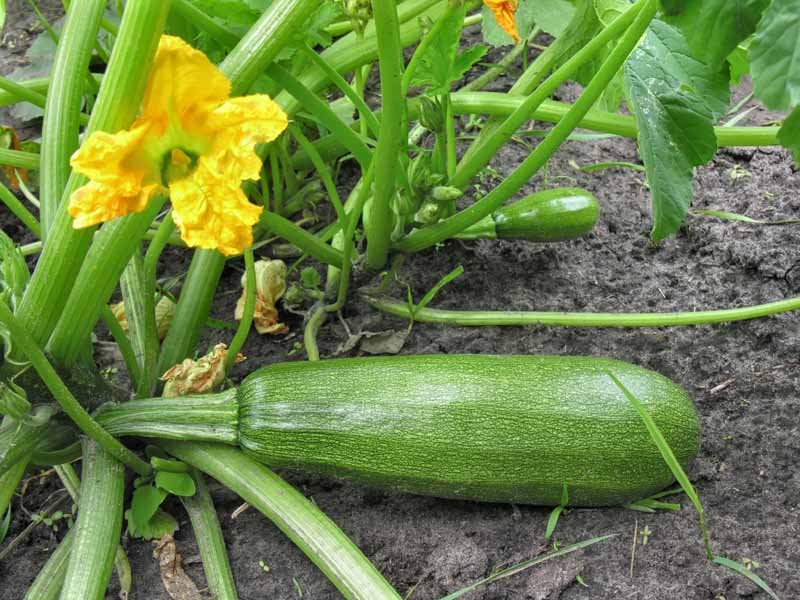
Zucchini comes in multiple shapes, colors, and growth habits, and selecting the right variety can make a big difference in your harvest.
Popular Varieties in the U.S.:
- ‘Black Beauty’ – Classic dark green zucchini, heavy-yielding and reliable.
- ‘Cocozelle’ – Italian heirloom with lightly striped skin and tender flesh.
- ‘Golden Zucchini’ – Bright yellow fruits that add visual appeal to any dish.
- ‘Raven’ – Disease-resistant and compact, ideal for smaller gardens.
- ‘Spineless Beauty’ – Easy-to-harvest variety with smooth skin.
When choosing, consider your garden size, local climate, and how you plan to use the zucchini—whether for fresh dishes, baking, or canning.

2. Starting Zucchini Seeds
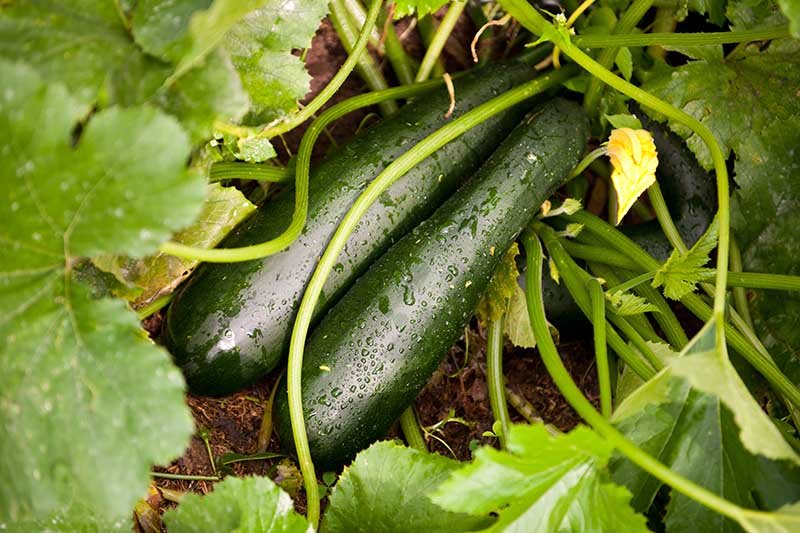
Zucchini is a warm-season crop, thriving in temperatures between 70–95°F. To maximize your growing season, start seeds indoors or sow directly into the garden.
Starting Seeds Indoors:
- Sow seeds 1 inch deep in seed trays filled with well-draining seed-starting mix.
- Maintain a temperature of 70–80°F for germination.
- Provide 12–16 hours of light daily with grow lights or a sunny window.
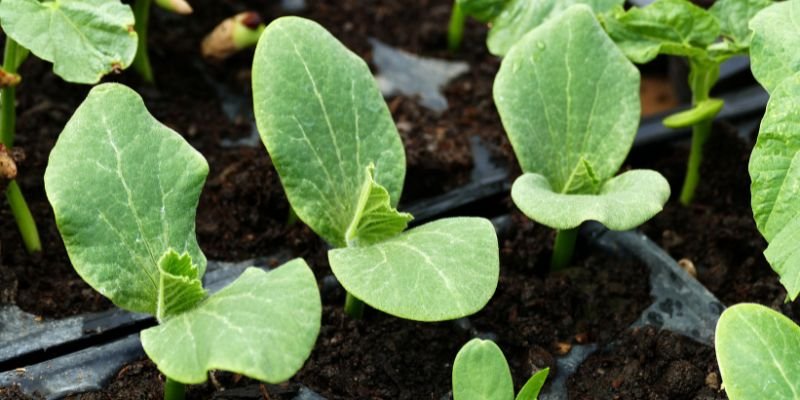
- Transplant seedlings outdoors when they have 2–3 true leaves and nighttime temperatures are consistently above 55°F.
Direct Sowing Outdoors:
- Wait until the soil warms to at least 65°F, usually late spring in most U.S. regions.
- Plant seeds 1 inch deep, spaced about 24–36 inches apart, with rows spaced 3–4 feet apart.
3. Preparing the Soil
Zucchini thrives in rich, well-drained soil with plenty of organic matter. Healthy soil encourages rapid growth and reduces the risk of pests and diseases.
Soil Preparation Tips:
- pH Level: Aim for 6.0–7.5.
- Organic Matter: Mix in 3–4 inches of compost or aged manure before planting.
- Drainage: Raised beds or mounds work well for gardeners in wetter climates.
Adding mulch helps retain moisture, suppress weeds, and keeps the soil temperature stable, which zucchini plants love.

4. Planting and Spacing
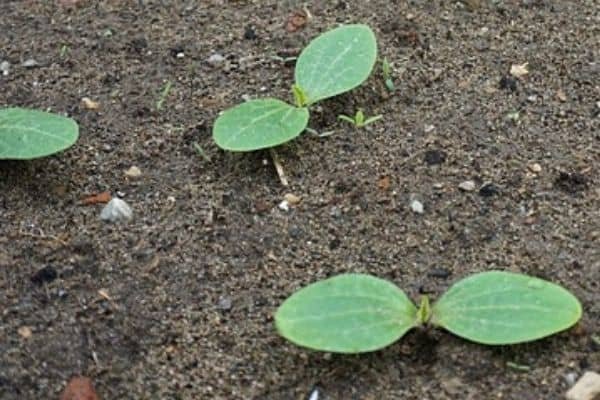
Proper spacing is crucial for zucchini, as sprawling plants need room for sunlight and airflow.
Planting Tips:
- Plant 2–3 seeds per hill, thinning to the strongest seedling after 1–2 weeks.
- Space hills 24–36 inches apart, with rows 3–4 feet apart.
- Ensure the planting site receives full sun (6–8 hours daily).
- If growing in containers, choose large pots (5–10 gallons) and plant one zucchini per pot.
5. Watering and Fertilizing
Zucchini requires consistent moisture to thrive, particularly when producing flowers and fruits.
Watering Tips:
- Provide 1–2 inches of water per week.
- Water at the base of the plant to prevent fungal diseases.
- Mulch helps retain moisture during hot summer months.
Fertilizing Tips:
- Before planting, mix a balanced organic fertilizer into the soil.
- Once plants begin flowering, side-dress with compost or a high-phosphorus fertilizer to support fruiting.
- Avoid excessive nitrogen; it encourages leafy growth over fruit production.
6. Supporting and Caring for Zucchini Plants
While zucchini can sprawl on the ground, providing some support or training can improve air circulation and reduce disease risk.

Support Tips:
- Trellising: Vertical growing saves space and keeps fruits clean.
- Pruning: Remove older leaves near the soil to improve airflow.
- Pollination: Zucchini flowers need pollinators. If you see few fruits, hand-pollinate flowers using a small brush.
Regular monitoring for pests and diseases ensures a healthy crop and reduces damage to fruits.
7. Common Pests and Diseases
Zucchini plants can attract pests and face fungal diseases. Awareness and prevention are key to maintaining healthy plants.
Common Pests:
- Squash Bugs: Feed on leaves; remove eggs and adults by hand or use neem oil.
- Cucumber Beetles: Cause damage and spread bacterial wilt; row covers can protect seedlings.
- Aphids: Use water sprays or insecticidal soap for control.
Common Diseases:
- Powdery Mildew: White coating on leaves; improve spacing and airflow.
- Downy Mildew: Yellow spots on leaves; avoid overhead watering.
- Bacterial Wilt: Remove infected plants immediately to prevent spread.
Crop rotation, proper spacing, and clean gardening practices help prevent most problems.

8. Harvesting Zucchini

Zucchini grows rapidly, and harvesting at the right time ensures the best flavor and continued fruit production.
Harvesting Tips:
- Pick fruits 6–8 inches long for tender texture.
- Check plants daily—zucchini can double in size in 24 hours.
- Use a sharp knife or scissors to cut fruits, leaving a small stem attached.
- Frequent harvesting encourages plants to produce more fruits throughout the season.
Overgrown zucchini becomes tough and seedy, so harvesting regularly is essential for flavor and productivity.
9. Using and Preserving Zucchini
Homegrown zucchini is versatile and can be used fresh, cooked, or preserved for later use.
Culinary Ideas:
- Sautéed or Grilled: Lightly seasoned, perfect for summer meals.
- Baked Goods: Zucchini bread, muffins, and cakes add moisture and nutrition.
- Zoodles: Spiralize for a low-carb alternative to pasta.
- Freezing: Blanch and freeze slices for winter use.
- Pickling: Make sweet or spicy pickled zucchini for long-term storage.
10. Tips for Maximum Zucchini Yield
- Sunlight is essential: More sun = more abundant fruit.
- Consistent care: Regular watering, feeding, and monitoring for pests ensures healthy plants.
- Mulching: Keeps soil moist and prevents weeds.
- Companion planting: Plant with beans or nasturtiums to improve growth and deter pests.
- Vertical growing: Saves space and reduces rot.
Conclusion: Grow Abundant, Delicious Zucchini
Zucchini is one of the most rewarding vegetables to grow in American gardens. With its rapid growth, prolific yields, and versatile culinary uses, it’s a must-have for gardeners of all skill levels.

By selecting the right variety, providing proper care, and harvesting regularly, you can enjoy fresh, homegrown zucchini all season long. Whether for salads, baked goods, grilled dishes, or creative recipes, there’s nothing quite like the flavor of a zucchini straight from your garden.
This season, plant zucchini, nurture it with care, and experience the joy of fresh, crisp, and flavorful fruits that make every meal a little brighter.