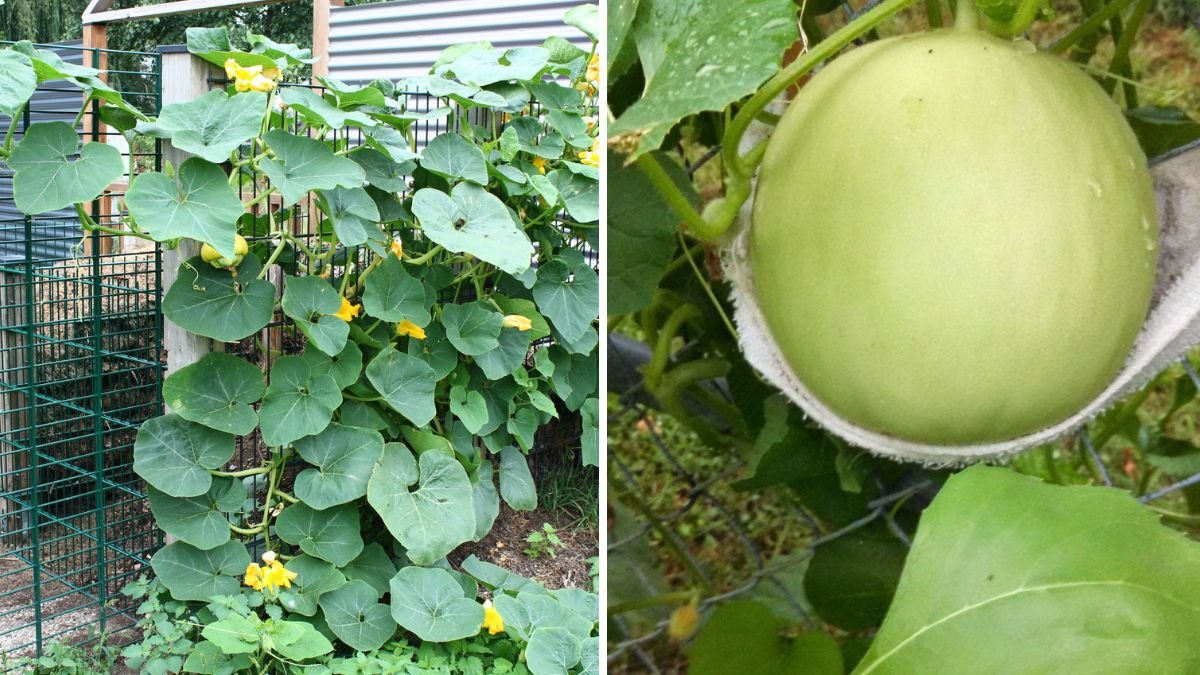
When the summer heat hits hard, nothing refreshes quite like a perfectly ripe melon. From juicy watermelons at backyard barbecues to sweet cantaloupes served at breakfast buffets, melons are an American summer staple. These fruits don’t just taste amazing—they’re also packed with vitamins, antioxidants, and hydration-boosting nutrients that make them a guilt-free indulgence.
In this ultimate guide, we’ll explore everything you need to know about melons—their types, nutritional value, how to pick the best ones, and creative ways to enjoy them all season long.
1. The All-American Love Affair with Melons

Melons have long been part of American culture, symbolizing refreshment and family togetherness. From Fourth of July picnics to poolside parties, slices of watermelon or honeydew are almost always on the menu. The U.S. is one of the world’s largest producers of melons, especially in states like California, Arizona, Texas, and Florida, where sunny climates create the perfect growing conditions.
Beyond their sweet, hydrating flavor, melons carry a nostalgic charm—reminding many Americans of carefree childhood summers and family gatherings.
2. Popular Types of Melons You’ll Find in the U.S.
There are dozens of melon varieties grown across the country, but a few stand out for their popularity, taste, and versatility. Here’s a closer look at America’s favorite melons:

a. Watermelon
The undisputed king of summer fruits, watermelon is about 92% water, making it the ultimate thirst-quencher. With its bright red flesh and crisp texture, it’s perfect for barbecues, fruit salads, and smoothies. Seedless varieties have become a major hit in American grocery stores for convenience and easy snacking.
b. Cantaloupe (Muskmelon)
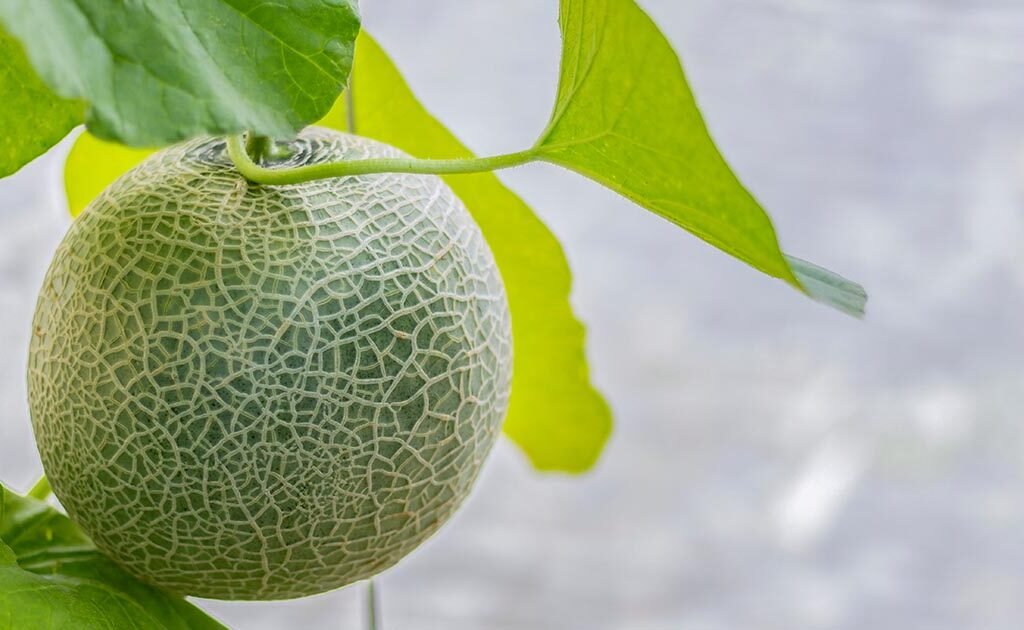
Cantaloupe is known for its netted rind and deep orange interior. It’s rich in vitamins A and C and makes an excellent breakfast fruit. Americans love cantaloupe paired with cottage cheese, yogurt, or prosciutto for a quick yet gourmet snack.
c. Honeydew Melon
Honeydew is often found in fruit platters and brunch spreads thanks to its subtle sweetness and pale green flesh. It’s a great choice for people who prefer a less intense flavor but still want that juicy melon refreshment.
d. Galia, Canary, and Crenshaw Melons
These specialty melons are gaining traction in American farmers’ markets.
- Galia: A cross between cantaloupe and honeydew, with a floral aroma and tropical sweetness.
- Canary: Named for its bright yellow skin, this melon has a crisp bite and mild, sweet flavor.
- Crenshaw: Known for its spicy-sweet flesh and creamy texture, it’s ideal for gourmet fruit salads.
Each of these melons offers something unique—making them great options for adventurous fruit lovers.

3. Nutritional Powerhouse: Why You Should Eat More Melons
Melons aren’t just delicious—they’re incredibly healthy. Let’s break down their impressive nutritional profile:
- Hydration Hero: With over 90% water content, melons help replenish fluids and electrolytes, especially during hot summer days.
- Low in Calories: One cup of diced melon contains fewer than 60 calories, making it a diet-friendly snack.
- Packed with Vitamins: Cantaloupe and honeydew are loaded with vitamin C, which boosts immunity, while watermelon contains vitamin A for healthy vision and skin.
- Heart Health Benefits: Watermelon contains lycopene, an antioxidant linked to lower cholesterol and improved cardiovascular function.
- Digestive Support: Melons are rich in dietary fiber, which aids digestion and promotes a healthy gut.
In short, melons check all the boxes for a healthy, refreshing snack—low-calorie, nutrient-rich, and naturally hydrating.
4. How to Choose a Perfectly Ripe Melon
Picking the right melon can be tricky, but these tips will make you a pro:
For Watermelon:
- Look for the Field Spot: A creamy yellow patch indicates ripeness (it’s where the melon rested on the ground).
- Check the Sound: Tap the melon—it should have a deep, hollow sound, not a dull thud.
- Inspect the Shape: Uniformly shaped melons tend to ripen evenly.
For Cantaloupe:
- Sniff the Stem End: It should have a sweet, musky fragrance.
- Feel the Rind: A slight softness and raised netting indicate ripeness.
For Honeydew:
- Check the Color: A ripe honeydew has a creamy, yellowish hue—not bright green.
- Touch Test: It should feel heavy for its size with a faintly sticky surface.
5. Delicious Ways to Enjoy Melons
Melons are incredibly versatile and can be enjoyed in countless ways beyond basic fruit slices. Here are some creative and easy recipes to try at home:
a. Melon Salad with Mint and Feta
Cube watermelon, honeydew, and cantaloupe, then toss them with crumbled feta, fresh mint leaves, and a drizzle of lime juice. This sweet-salty combo is perfect for summer picnics.

b. Melon Smoothie Bowl
Blend frozen melon chunks with coconut water, banana, and a splash of yogurt. Pour into a bowl and top with granola, chia seeds, and berries for a refreshing breakfast.
c. Prosciutto-Wrapped Melon Bites
A classic Italian-inspired appetizer—wrap thin slices of prosciutto around cantaloupe wedges. Add a drizzle of balsamic glaze for an elegant twist.
d. Watermelon Popsicles
Blend seedless watermelon with lemon juice and freeze in molds for a naturally sweet treat kids and adults will love.
e. Melon Salsa
Dice cantaloupe, watermelon, and red onion. Mix with cilantro, lime juice, and jalapeños for a colorful salsa that pairs perfectly with grilled chicken or fish.
6. Growing Melons in Your Backyard
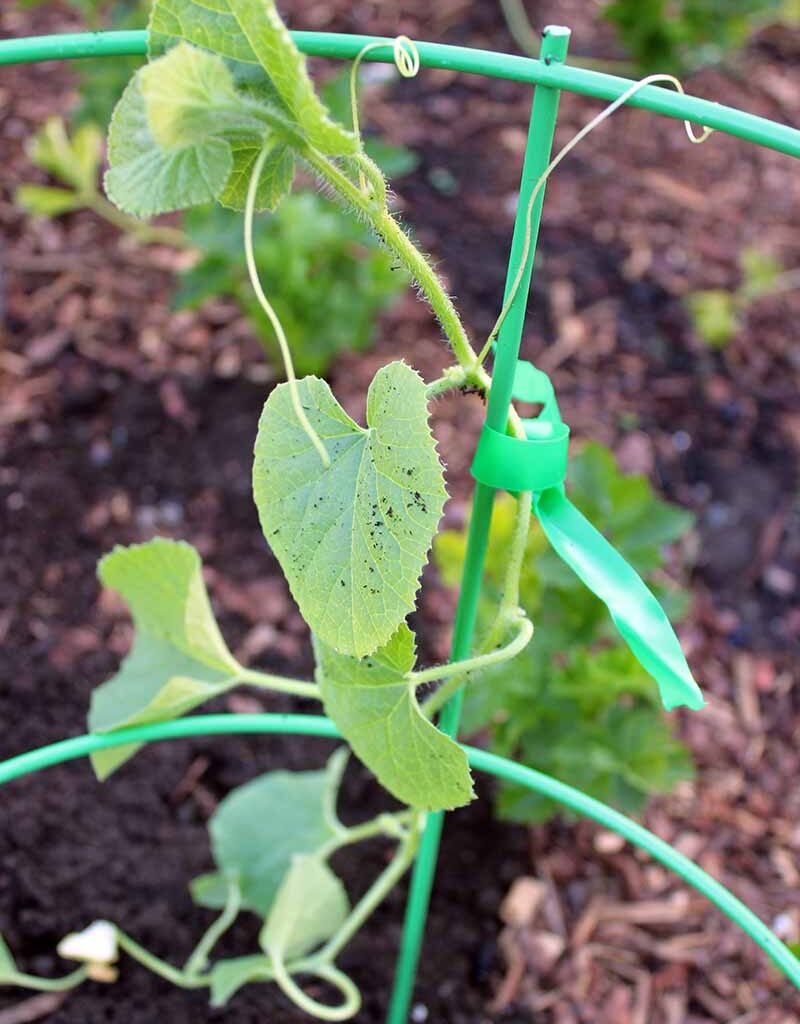
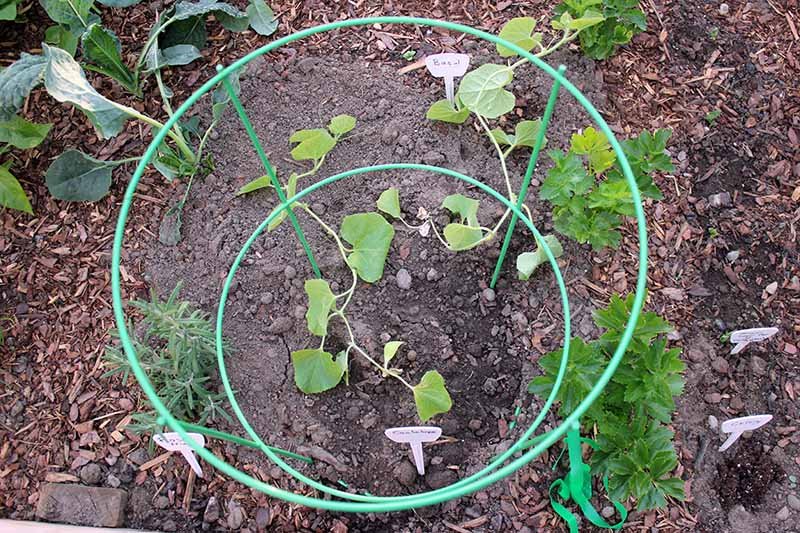
If you have a sunny garden patch, growing melons at home can be rewarding. Here are a few quick tips:

- Planting Time: Sow seeds after the last frost when soil temperatures are at least 70°F.
- Soil Needs: Melons prefer well-drained, sandy soil rich in organic matter.
- Watering: Keep the soil consistently moist but avoid waterlogging. Drip irrigation works best.
- Pollination: Bees are essential for melon pollination, so avoid using pesticides during bloom time.
- Harvesting: Most melons are ready to harvest 70–90 days after planting, once they emit a sweet aroma and easily detach from the vine.
Homegrown melons tend to be sweeter and more flavorful—plus, you’ll enjoy the satisfaction of growing your own fruit.
7. Fun Facts About Melons You Probably Didn’t Know
- Watermelons originated in Africa but have been grown in the U.S. since the 1600s.
- The world’s largest watermelon weighed over 350 pounds!
- Melons belong to the Cucurbitaceae family, the same as cucumbers, pumpkins, and squash.
- National Watermelon Day is celebrated every August 3rd in the U.S.
- In Japan, certain rare melons like the Yubari King can sell for thousands of dollars per pair!
8. Sustainability and Melon Farming in America
Modern melon farms are increasingly adopting sustainable practices—like water-efficient irrigation and integrated pest management—to reduce environmental impact. Many local U.S. farmers are turning to organic melon production, avoiding synthetic fertilizers and pesticides to offer cleaner, eco-friendly fruits.
By buying locally grown melons at farmers’ markets, Americans can support sustainable agriculture while enjoying fresher, tastier produce.
9. Melons in American Cuisine and Culture

Beyond being a summer snack, melons have found their way into modern American cuisine. Chefs across the country are using melons in innovative dishes—think grilled watermelon steaks, melon gazpacho, and melon margaritas. In states like California and Florida, melon festivals celebrate the fruit’s versatility and cultural significance, featuring contests, tastings, and farm tours.
10. Final Thoughts: A Slice of Sweet, Healthy Summer
Melons are more than just a seasonal fruit—they’re a symbol of summer joy, health, and togetherness. Whether you’re savoring a juicy watermelon at a backyard barbecue or blending a cantaloupe smoothie for breakfast, every bite captures the essence of sunny days and carefree living.

Packed with nutrients, low in calories, and endlessly versatile, melons deserve a permanent spot in every American kitchen. So next time you hit the farmer’s market or grocery store, pick up a few melons—and taste the sweet side of summer.