Few foods capture the warmth and comfort of home-cooked American meals like sweet potatoes. Whether mashed, roasted, baked, or turned into crispy fries, sweet potatoes have earned their spot as a beloved staple on dinner tables across the United States. From classic Thanksgiving casseroles topped with toasted marshmallows to modern power bowls at trendy cafés, this humble root vegetable has evolved into both a comfort food and a superfood.
But sweet potatoes are more than just delicious—they’re a powerhouse of nutrients that support overall wellness, energy, and heart health. In this detailed guide, we’ll explore the history, types, health benefits, cooking methods, and mouthwatering recipes that make sweet potatoes one of America’s most versatile and nutritious ingredients.
1. A Brief History: From Ancient Roots to Modern Superfood

Sweet potatoes (Ipomoea batatas) have a fascinating history. Native to Central and South America, they’ve been cultivated for over 5,000 years. European explorers brought them to North America in the 1600s, where they quickly became a Southern staple due to their adaptability and sweet flavor.
Today, the U.S. ranks among the top sweet potato producers globally, with North Carolina, Mississippi, and Louisiana leading the way. American farmers harvest millions of pounds each year, and consumption has skyrocketed thanks to the growing popularity of healthy, plant-based diets.
2. Nutritional Profile: Nature’s Sweet Powerhouse
Sweet potatoes pack a serious nutritional punch. Despite their naturally sweet taste, they’re a low-glycemic food loaded with vitamins, minerals, and fiber.
Here’s what one medium-sized baked sweet potato (about 130 grams) provides:
- Calories: ~112
- Carbohydrates: 26 grams
- Fiber: 4 grams
- Protein: 2 grams
- Fat: 0 grams
- Vitamin A: 400% of your daily recommended intake
- Vitamin C: 30%
- Potassium: 15%
- Manganese: 25%
Key Takeaway: Sweet potatoes are rich in beta-carotene, an antioxidant that your body converts into vitamin A—vital for eye health, immunity, and glowing skin.

3. Health Benefits of Sweet Potatoes
Sweet potatoes aren’t just tasty—they offer a wide range of health benefits that make them a top choice for anyone pursuing a balanced diet.
a. Boosts Immunity
Thanks to their high vitamin A and C content, sweet potatoes strengthen the immune system and protect against infections.
b. Promotes Digestive Health
Their high fiber content supports gut health, aiding digestion and preventing constipation. Fiber also helps you feel full longer, making sweet potatoes ideal for weight management.
c. Regulates Blood Sugar
Unlike refined carbs, sweet potatoes have a low glycemic index. They release energy slowly, preventing blood sugar spikes—perfect for diabetics and anyone watching their carb intake.
d. Supports Eye and Skin Health
Beta-carotene keeps your eyes sharp and your skin glowing. It also acts as a natural sun protectant by reducing UV damage.
e. Heart-Friendly Food
Potassium and magnesium in sweet potatoes help regulate blood pressure, reduce stress on the cardiovascular system, and maintain a healthy heartbeat.
f. Anti-Inflammatory Properties
The antioxidants in sweet potatoes—especially in purple varieties—help reduce inflammation, potentially lowering the risk of chronic diseases.

4. Different Types of Sweet Potatoes in the U.S.
Not all sweet potatoes are created equal. In the United States, several varieties are loved for their unique flavors, colors, and textures.
a. Beauregard Sweet Potatoes
The most common type in grocery stores—known for their copper-colored skin and deep orange flesh. Moist, sweet, and perfect for mashing or baking.
b. Jewel Sweet Potatoes
Slightly milder in sweetness, these are often used in casseroles and fries for their smooth texture.
c. Garnet Sweet Potatoes
With dark reddish skin and rich orange flesh, Garnets have a bold, caramel-like sweetness that shines when roasted.
d. Purple Sweet Potatoes
Gaining popularity for their striking color and antioxidant power, these are denser and less sweet—ideal for baking or smoothies.
e. White Sweet Potatoes
Milder in flavor and fluffier in texture, white sweet potatoes make a good substitute for regular potatoes in savory dishes.
5. How to Select and Store Sweet Potatoes

Selecting the right sweet potatoes can make a big difference in flavor and shelf life.

When shopping:
- Choose firm, smooth potatoes with no soft spots or cuts.
- Avoid any with sprouts or a musty smell—they’re past their prime.
Storage tips:
- Keep sweet potatoes in a cool, dark, and well-ventilated place—not the refrigerator.
- Properly stored, they can last up to 3–4 weeks.
6. Delicious American Sweet Potato Recipes to Try
Sweet potatoes shine in countless recipes—from classic Southern comfort food to modern healthy meals. Here are some American favorites you’ll want to try:
a. Classic Sweet Potato Casserole
A holiday must-have! Mash baked sweet potatoes with butter, brown sugar, and cinnamon. Top with mini marshmallows and bake until golden. Sweet, nostalgic, and irresistible.
b. Crispy Sweet Potato Fries
Cut sweet potatoes into thin wedges, toss with olive oil, paprika, and sea salt. Bake until crisp for a healthier alternative to French fries.
c. Roasted Sweet Potato and Quinoa Salad
Combine roasted cubes of sweet potato with quinoa, baby spinach, cranberries, and feta cheese. Drizzle with a lemon-honey dressing for a refreshing, protein-packed lunch.
d. Sweet Potato Pancakes
Mix mashed sweet potato into your pancake batter for extra moisture and natural sweetness. Top with maple syrup and pecans for a cozy weekend breakfast.

e. BBQ Chicken and Sweet Potato Bowls
Layer roasted sweet potatoes with shredded BBQ chicken, black beans, corn, and avocado. This protein-rich meal is perfect for meal prepping.
f. Sweet Potato Pie
The ultimate Southern dessert—smooth, spiced filling in a buttery crust. It’s a delicious cousin to pumpkin pie and a Thanksgiving favorite.
7. Sweet Potatoes in American Culture
Sweet potatoes hold a special place in American cuisine and culture. From Southern kitchens to health-conscious cafes, they’ve stood the test of time as both comfort food and wellness staple.
- Thanksgiving Tradition: No holiday table feels complete without sweet potato casserole or pie.
- Southern Cuisine: Dishes like candied yams and sweet potato biscuits are treasured Southern recipes passed down for generations.
- Modern Health Trend: Today, sweet potatoes feature in smoothie bowls, tacos, vegan burgers, and gluten-free baking.
They’ve managed to bridge the gap between traditional and contemporary cooking—a true symbol of versatility.
8. Sweet Potatoes vs. Yams: What’s the Difference?
In the U.S., the terms “sweet potato” and “yam” are often used interchangeably, but they’re actually different vegetables.
- Sweet Potatoes: Soft, sweet, and available in orange, white, or purple varieties.
- Yams: Starchy, dry, and native to Africa and Asia. True yams are rarely found in American grocery stores.
The confusion dates back to the 20th century when orange-fleshed sweet potatoes were labeled as “yams” to distinguish them from white varieties.
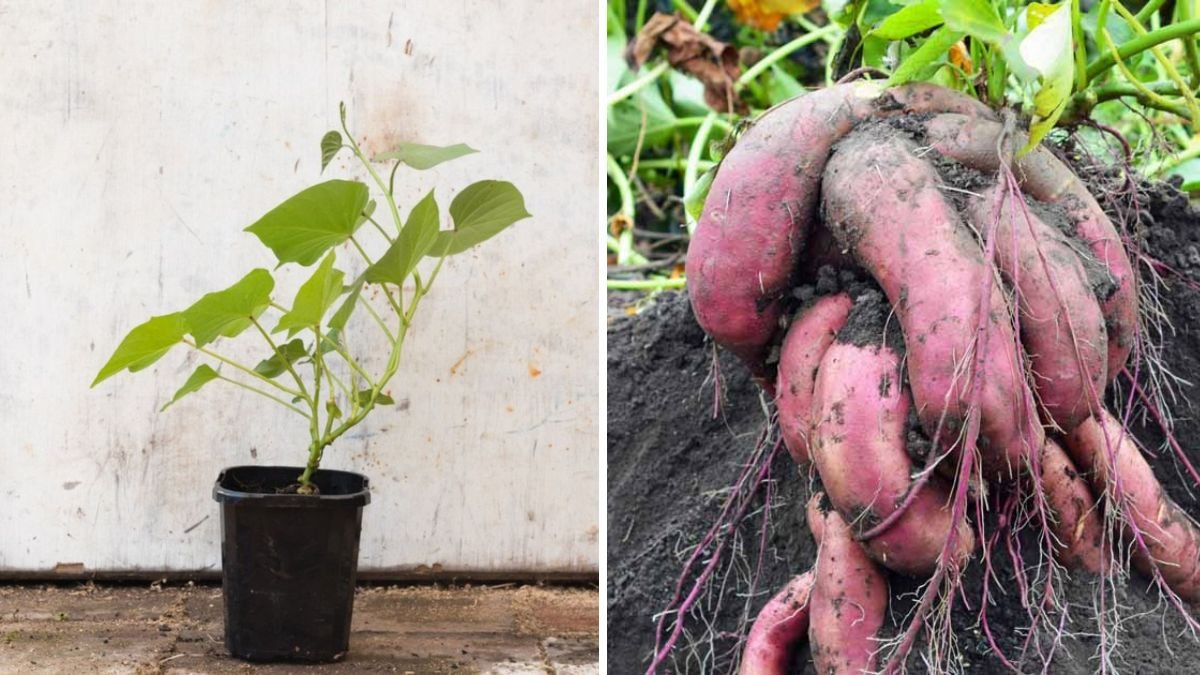
9. Growing Sweet Potatoes at Home

If you have a sunny garden, sweet potatoes are surprisingly easy to grow.

Here’s how:
- Start with slips: These are small sprouts from mature sweet potatoes.
- Soil: Choose well-draining, sandy soil.
- Sunlight: Sweet potatoes need at least 6 hours of direct sunlight daily.
- Watering: Keep soil moist but not soggy.
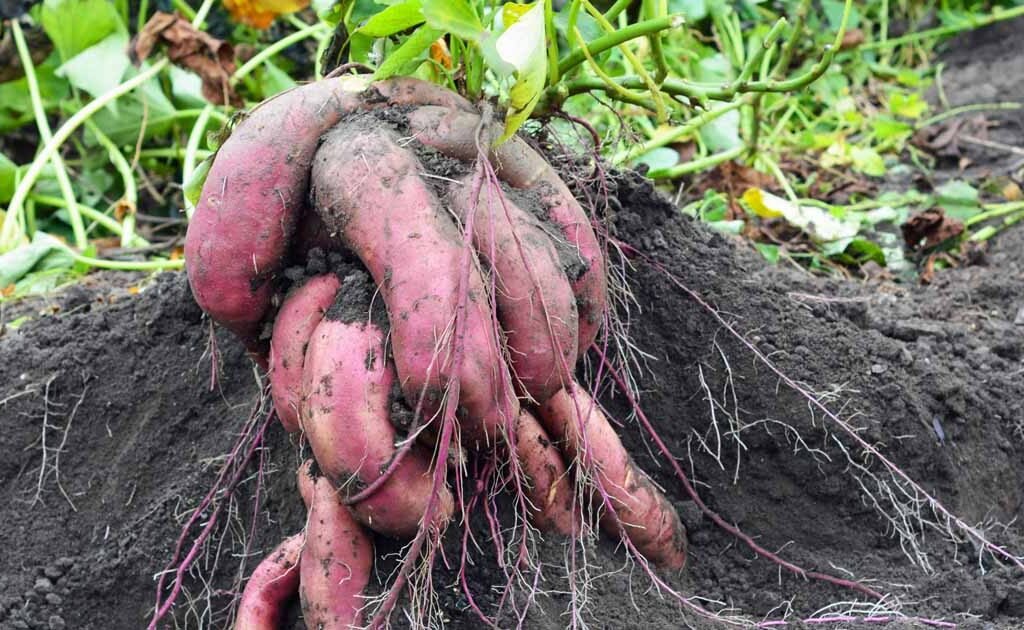
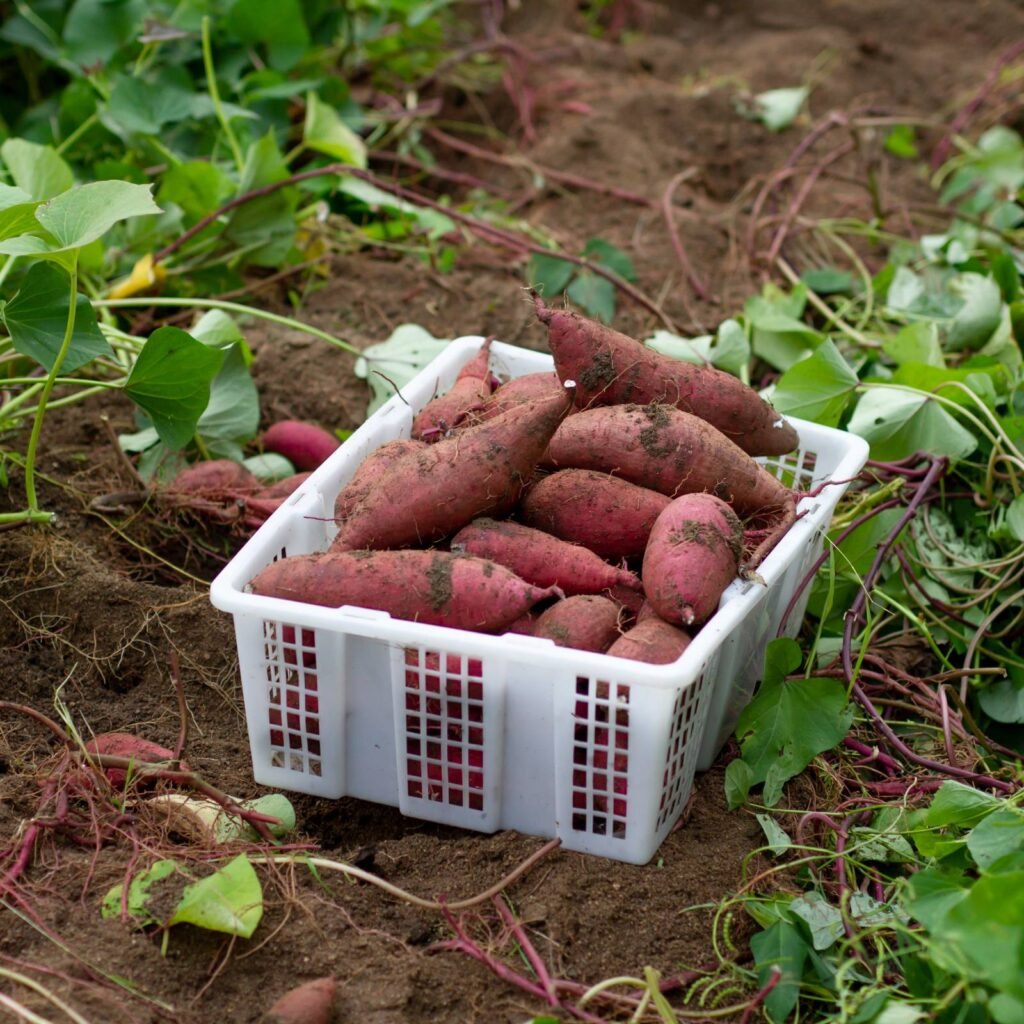
- Harvest time: Around 90–120 days after planting, once the leaves begin to yellow.
Freshly harvested sweet potatoes taste sweeter after curing for about two weeks in a warm, humid space.
10. The Sustainable Side of Sweet Potatoes
Sweet potatoes are not only nutritious but also environmentally friendly. They require less water than many staple crops and enrich the soil through nitrogen fixation. Their versatility in both food and biofuel production makes them a sustainable crop for the future of American agriculture.
Buying locally grown sweet potatoes supports U.S. farmers and reduces your carbon footprint—making every bite better for both your body and the planet.
11. Fun Facts About Sweet Potatoes
- North Carolina produces over 60% of America’s sweet potatoes.
- Sweet potatoes are not actually potatoes—they belong to the morning glory family.
- November is officially National Sweet Potato Awareness Month in the U.S.
- The average American eats about 7 pounds of sweet potatoes per year.
- NASA considers sweet potatoes a key food for future space missions due to their nutrition and easy cultivation!
Conclusion: Sweet, Nutritious, and Truly American
From soulful Southern dishes to trendy health bowls, sweet potatoes have earned their reputation as a timeless American favorite. They’re vibrant, affordable, and packed with nutrients that benefit every part of your body. Whether you roast them for dinner, bake them into a pie, or toss them in a salad, sweet potatoes always deliver flavor, comfort, and health in one bite.
So next time you’re at the grocery store, grab a few of these orange gems—you’ll be bringing home not just a delicious ingredient but a true symbol of American nourishment and tradition.