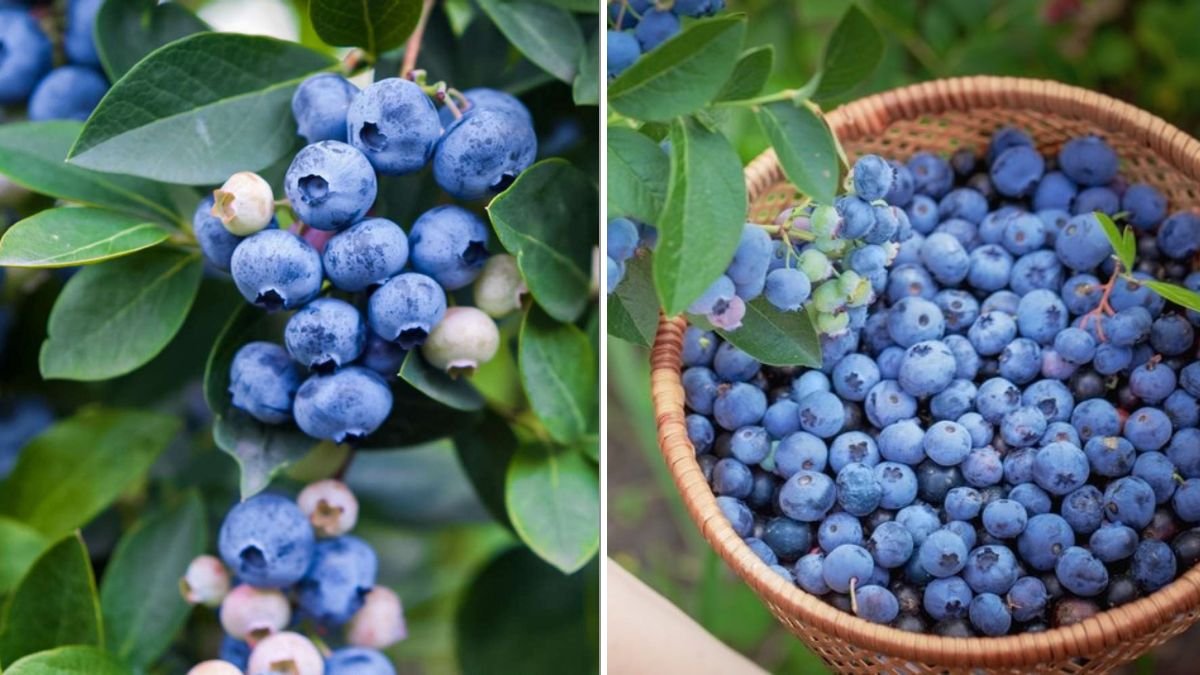
There’s nothing quite as disappointing as tending to your blueberry bushes all season long—watering, pruning, fertilizing—only to realize they’ve produced little (or no) fruit. Blueberries are known for being hardy, low-maintenance shrubs, but even the most resilient plants need the right conditions to thrive.
If your blueberry bush is all leaves and no berries, don’t worry. You’re not alone—and the problem can usually be traced to a few common mistakes. Let’s take a deep dive into why your blueberry bush isn’t producing fruit—and what you can do to turn things around for a bumper harvest next season.
1. Your Blueberry Bush Is Too Young
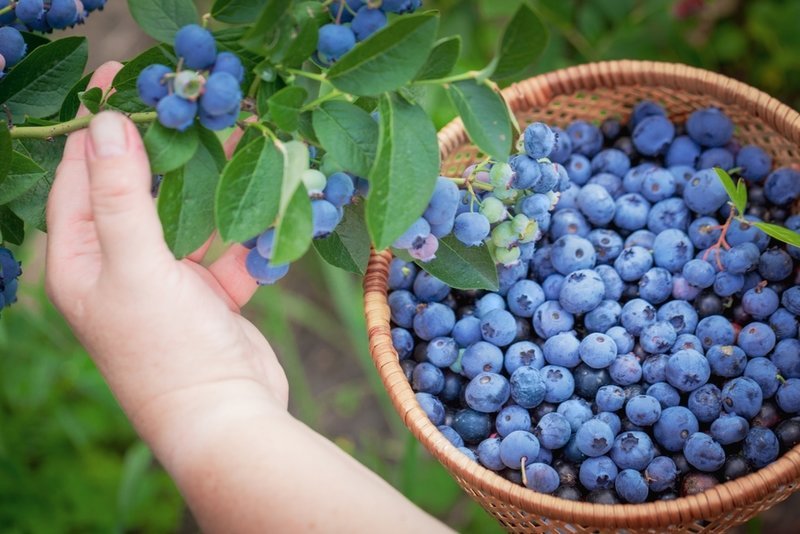
One of the most common reasons for a lack of fruit is simply impatience. Blueberry plants take time to mature.
- Year 1–2: The plant focuses on establishing a strong root system. Most growers recommend pinching off flowers during this time to help the plant conserve energy.
- Year 3: You’ll start to see small clusters of berries, but yields will still be light.
- Year 4–5 and beyond: Once mature, the bush can produce several pounds of fruit each season.
2. Your Blueberry Bush Isn’t Getting Proper Pollination
Blueberry bushes need pollination to set fruit, and while some varieties are self-pollinating, most yield much better when cross-pollinated with another variety.
Signs of poor pollination:
- Flowers bloom beautifully but later shrivel without forming berries.
- Small, misshapen, or sparse fruits appear.
Common causes:
- Lack of pollinator activity (few bees or butterflies).
- Only one variety of blueberry in the area.
- Rainy or windy weather during bloom time that keeps pollinators away.
- Plant at least two different varieties with overlapping bloom times (e.g., ‘Bluecrop’ and ‘Jersey’).
- Encourage pollinators by planting nearby flowers like lavender, coneflowers, or bee balm.
- Avoid using pesticides during flowering—they can harm bees.
3. Insufficient Sunlight
Blueberries love the sun. Without enough light, they’ll produce lush foliage but very few berries.
Ideal conditions:
- At least 6–8 hours of direct sunlight daily.
- Morning sun is especially beneficial—it dries dew from leaves, reducing disease risk.
If your bush is in partial shade:
- It may flower late, ripen slowly, or fail to produce at all.
- Move container-grown bushes to a sunnier location.
- For in-ground plants, consider pruning nearby trees or shrubs that block sunlight.
4. Soil pH Is Too High
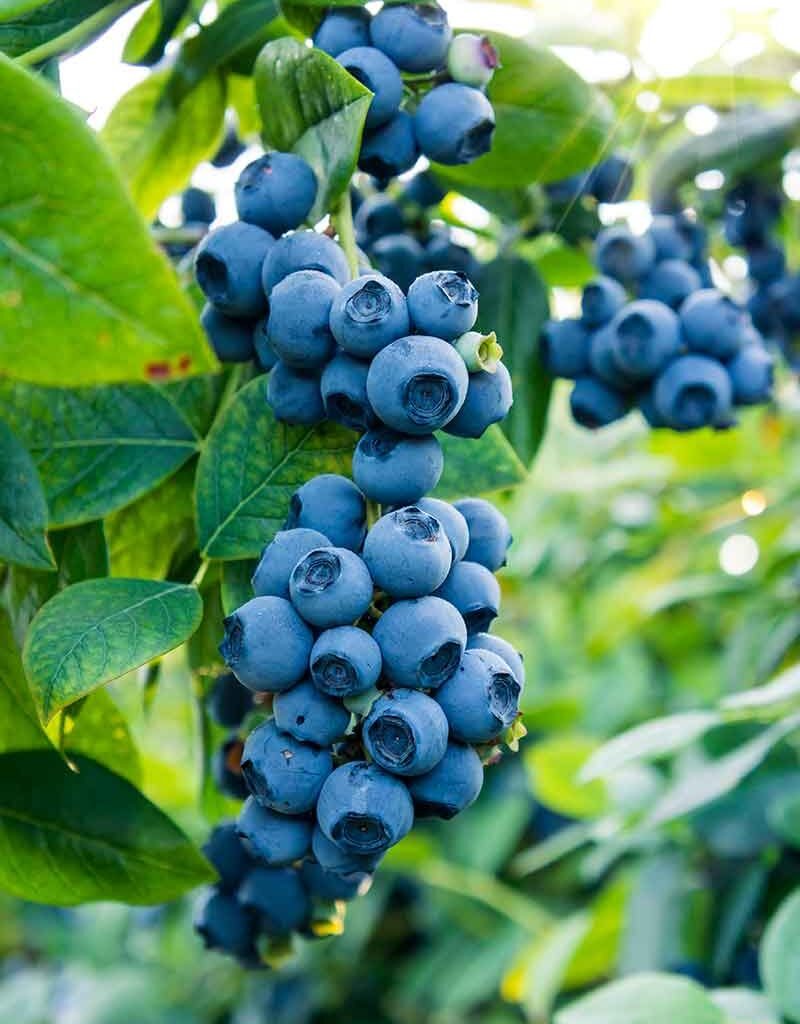
Blueberries are acid-loving plants. They need a low soil pH to absorb essential nutrients like iron, manganese, and zinc.
Ideal pH range: 4.5–5.5
Common problem: Many garden soils are closer to neutral (6.5–7.0), which can lead to nutrient lockout—your plant can’t “eat,” even if the soil looks rich.
Symptoms of high pH:

- Yellowing leaves with green veins (iron deficiency).
- Poor growth and reduced flowering.
- Test your soil using a pH test kit or send a sample to a local extension office.
- If it’s too high, amend with:
- Elemental sulfur or sphagnum peat moss (long-term fix).
- Acidic mulch like pine needles or bark chips (for maintenance).
- Water with rainwater instead of tap water if your local supply is alkaline.
5. Overwatering or Poor Drainage
While blueberries love moisture, too much water can be just as harmful as too little. Soggy roots lead to rot and stress, which can stop the plant from flowering or fruiting.
Key signs of water issues:
- Wilting leaves despite wet soil.
- Root rot or blackened roots when you dig around the base.
- Weak or stunted growth.
- Blueberries need moist but well-drained soil.
- Water deeply once or twice a week (more often during hot spells).
- Improve drainage by adding organic matter and raising the planting bed if your soil is heavy clay.
6. Improper Pruning
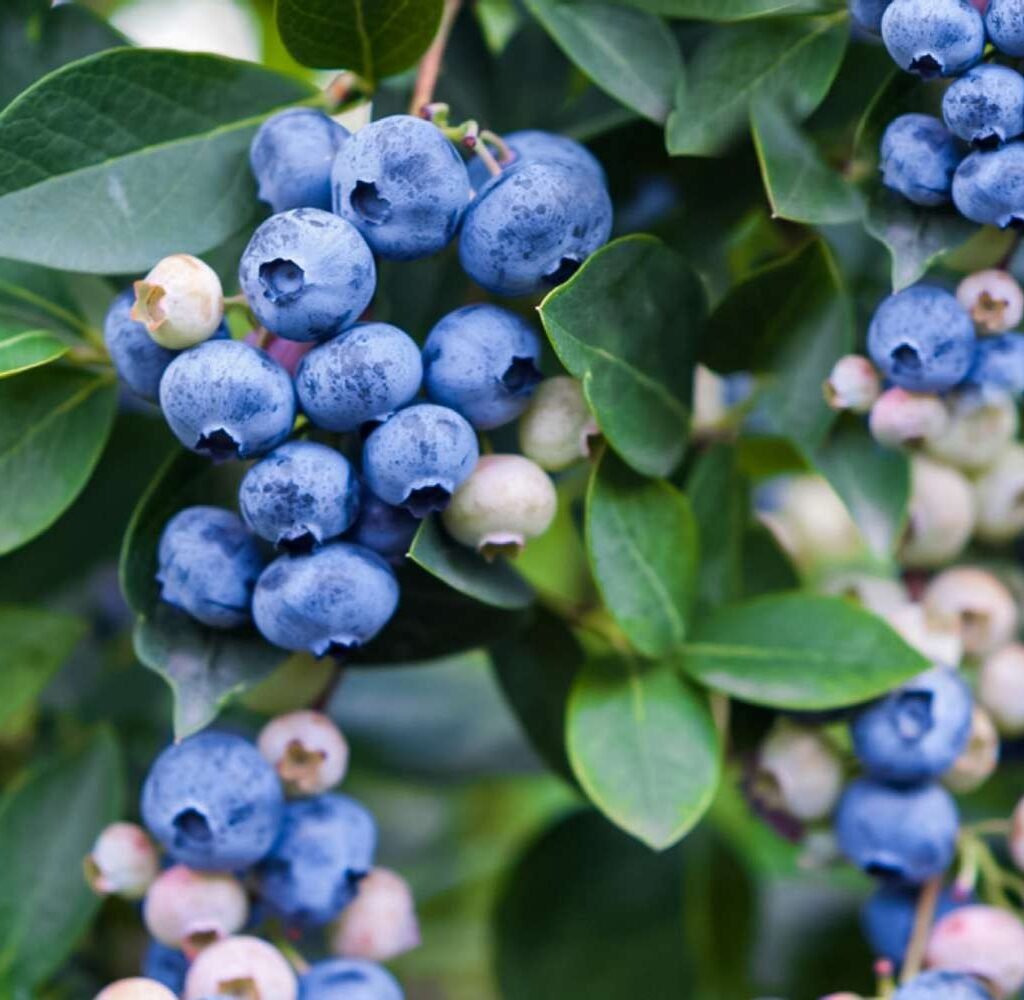
Blueberry bushes require regular pruning to encourage fruit production. Without it, the plant diverts energy to old wood or excessive foliage rather than berries.
When and how to prune:
- Best time: Late winter or early spring, before new growth starts.
- What to remove:
- Any dead, damaged, or weak canes.
- Old canes older than 4 years (they produce fewer berries).
- Low branches touching the soil.
- Aim to keep 6–8 healthy canes per bush of varying ages.
7. Over-Fertilizing (or Using the Wrong Type)
Blueberries have delicate roots and are easily damaged by too much fertilizer, especially those high in nitrogen.
Too much nitrogen causes:

- Excess leafy growth.
- Fewer flowers and fruits.
- Increased susceptibility to diseases.
- Use acid-forming fertilizers designed for azaleas or rhododendrons.
- Apply slow-release organic fertilizers like cottonseed meal or fish emulsion in early spring.
- Avoid feeding after midsummer—late fertilization can push new growth that won’t harden before frost.
8. Frost Damage
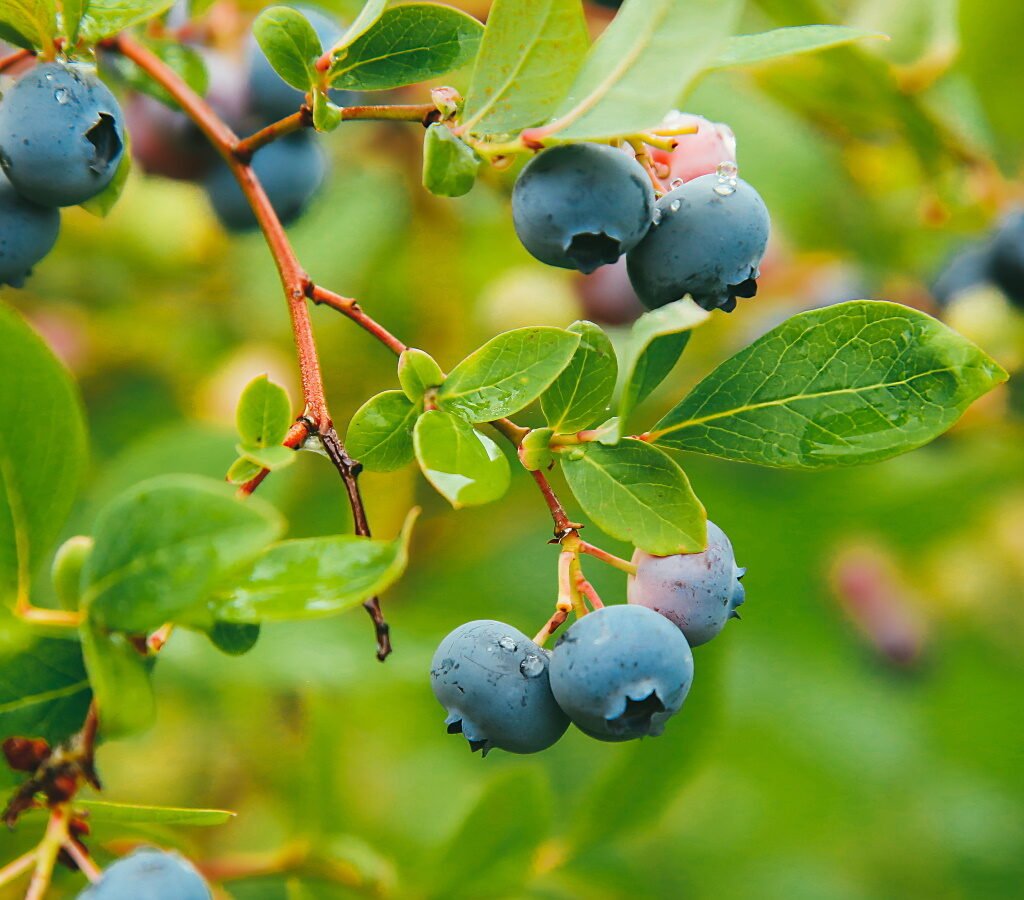
Late spring frosts can wipe out blossoms before they have a chance to develop into fruit.
Symptoms:
- Brown or blackened flower tips after a cold night.
- Shrubs leaf out but never produce berries.
- Cover plants with frost blankets or burlap when frost is predicted.
- Avoid pruning too early in spring—extra growth can shield tender buds.
- Choose cold-hardy varieties like ‘Northblue’ or ‘Patriot’ if you live in cooler climates.
9. Birds and Wildlife
Sometimes your blueberry bush is producing fruit—it’s just not there when you look! Birds, squirrels, and even deer find ripe blueberries irresistible.
Signs:
- Berries disappearing overnight.
- Peck marks or missing clusters.
- Cover bushes with bird netting as soon as berries start to form.
- Use reflective tape or garden spinners to deter wildlife.
- For small plantings, a light mesh enclosure works beautifully.
10. Temperature or Climate Stress
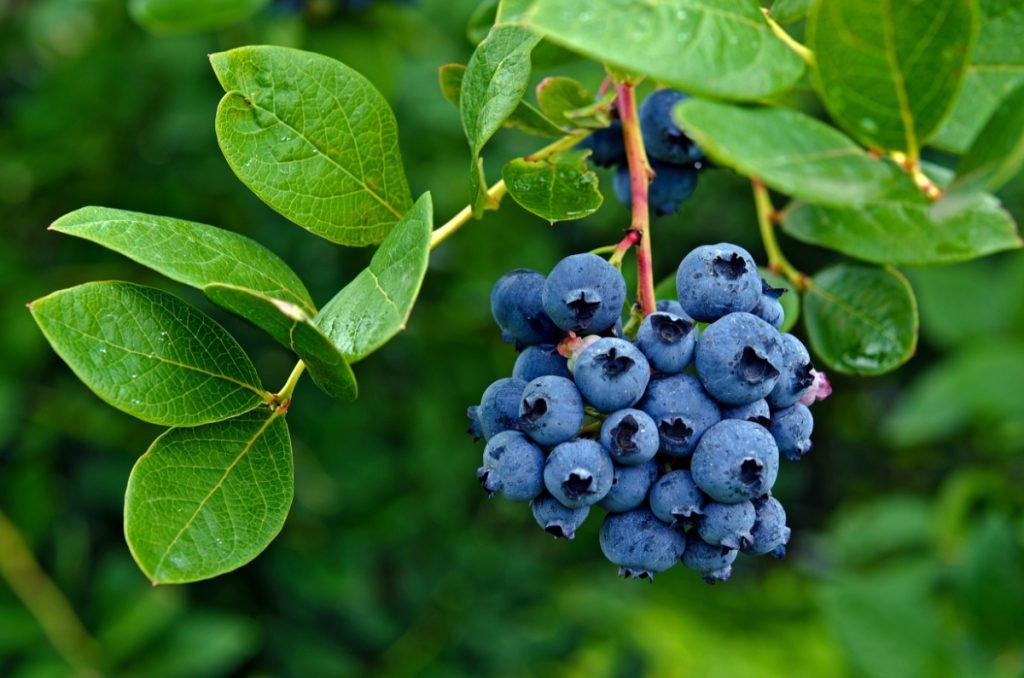
Blueberries have specific climate preferences. They need a certain number of chill hours (exposure to cold temperatures) to set fruit properly.
If you live in a warm region:

- Some northern varieties may not receive enough chilling, leading to poor flowering.
If you live in a cold region:
- Sudden temperature drops can damage buds.
- Choose the right variety for your region:
- Northern highbush for cooler climates.
- Southern highbush or rabbiteye for warmer areas.
- Protect plants during extreme weather with mulch or temporary shading.
11. Pests or Diseases
Sometimes invisible attackers are to blame. Blueberries can suffer from fungal diseases and insect pests that reduce vigor and fruiting.
Common issues:
- Mummy berry: Flowers and berries shrivel and turn gray.
- Botrytis (gray mold): Fuzzy gray growth on flowers or fruit.
- Aphids or leafrollers: Cause distorted leaves and reduced photosynthesis.
- Prune to improve airflow and reduce humidity.
- Remove and destroy infected fruit or foliage.
- Apply neem oil or organic fungicides during early spring if needed.
12. Lack of Mulch or Soil Protection
Mulching isn’t just cosmetic—it’s essential for maintaining consistent soil moisture and acidity.
- Pine needles
- Bark chips
- Sawdust (aged)
Apply a 2–4 inch layer around the base (but not touching the stems). This keeps roots cool, suppresses weeds, and maintains the acidic environment blueberries love.
13. Stress from Transplanting
If you’ve recently planted or moved your blueberry bush, it may be suffering from transplant shock. The plant focuses on root establishment before flowering again.
- Keep the soil evenly moist but not soggy.
- Avoid fertilizing for a month after transplanting.
- Give it one full growing season to recover.
Final Thoughts
If your blueberry bush isn’t producing fruit, don’t give up—it’s almost always fixable. Whether the culprit is young age, poor pollination, soil issues, or environmental stress, identifying the root cause will help you get your plant back on track.
Blueberries are resilient and long-lived; once established, they can produce for 15–20 years with proper care. Give them sun, acidic soil, good drainage, and a little patience, and soon you’ll be rewarded with clusters of plump, delicious berries straight from your garden.
So the next time your bush looks barren, take heart—your blueberry harvest might just be one season of smart care away.