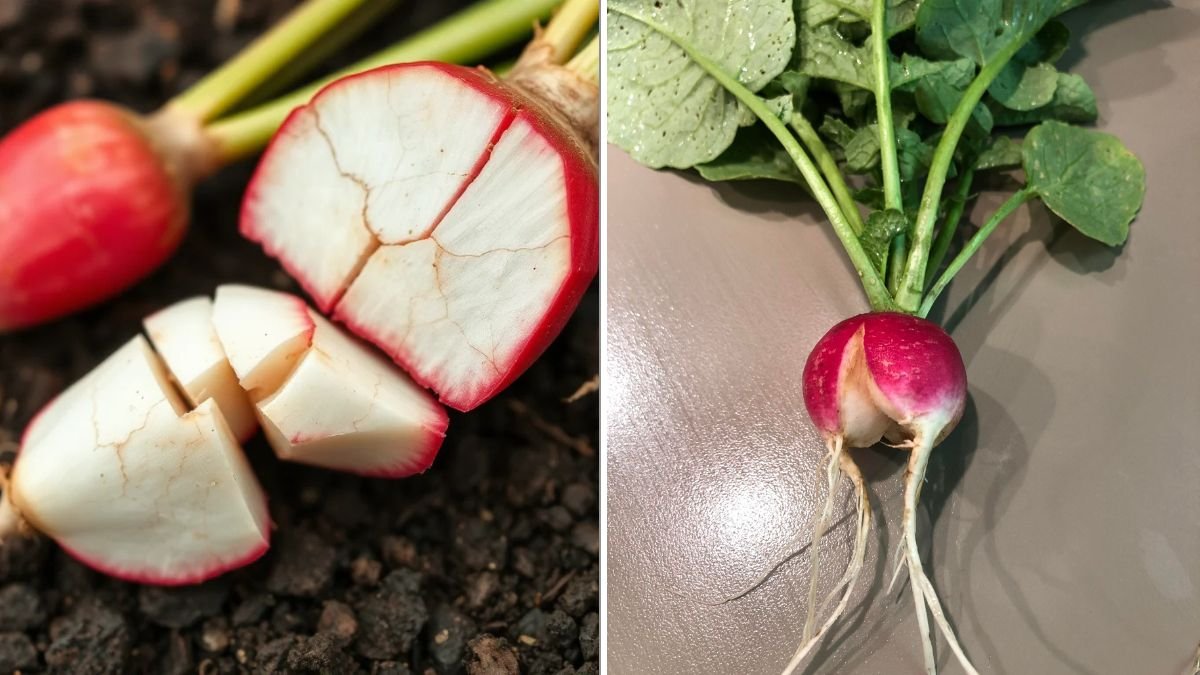
Radishes are one of the quickest and most satisfying crops to grow — perfect for impatient gardeners and beginners alike. Within just a few weeks, those tiny seeds transform into crisp, peppery roots ready for salads, snacks, and sandwiches. But sometimes, instead of smooth, round bulbs, you pull up radishes that are split, cracked, or misshapen. If that sounds familiar, don’t worry — you’re not alone. Cracking is a common problem, but it’s also one of the easiest to prevent once you understand what’s going on underground.
In this article, we’ll explore why radishes crack, what environmental factors cause it, and exactly how to fix and prevent it in future harvests.
Why Radishes Crack: The Root of the Problem
Cracking in radishes happens when the internal growth of the root outpaces the elasticity of its skin. Essentially, the inside expands too quickly for the outside to keep up — causing splits or ruptures along the surface.
This imbalance is most often caused by inconsistent moisture, but there are several contributing factors worth understanding.

1. Inconsistent Watering
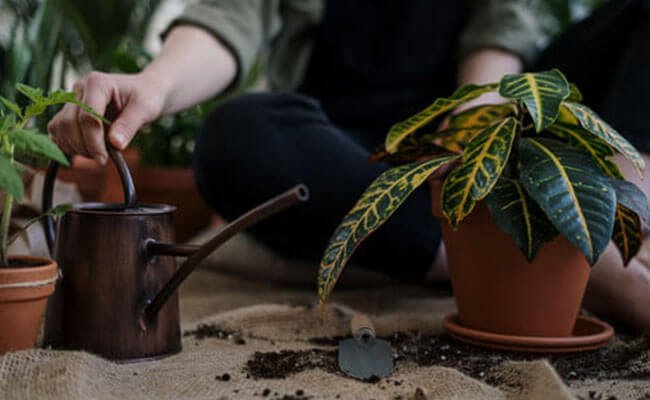
The number one culprit behind cracking radishes is irregular watering.
Radishes need consistent soil moisture to grow evenly. When the soil dries out and then suddenly receives a heavy watering or rainfall, the roots rapidly absorb water. This sudden influx causes the interior to swell, while the skin can’t expand quickly enough — leading to splitting.
Signs:
- Radishes split horizontally or vertically.
- Outer skin may peel away slightly.
- Roots often appear fine until harvest day.
Solution:
- Water deeply and evenly, providing about 1 inch of water per week.
- Avoid allowing the soil to dry completely between waterings.
- Use mulch (like straw or shredded leaves) to help maintain consistent soil moisture.
2. Delayed Harvesting
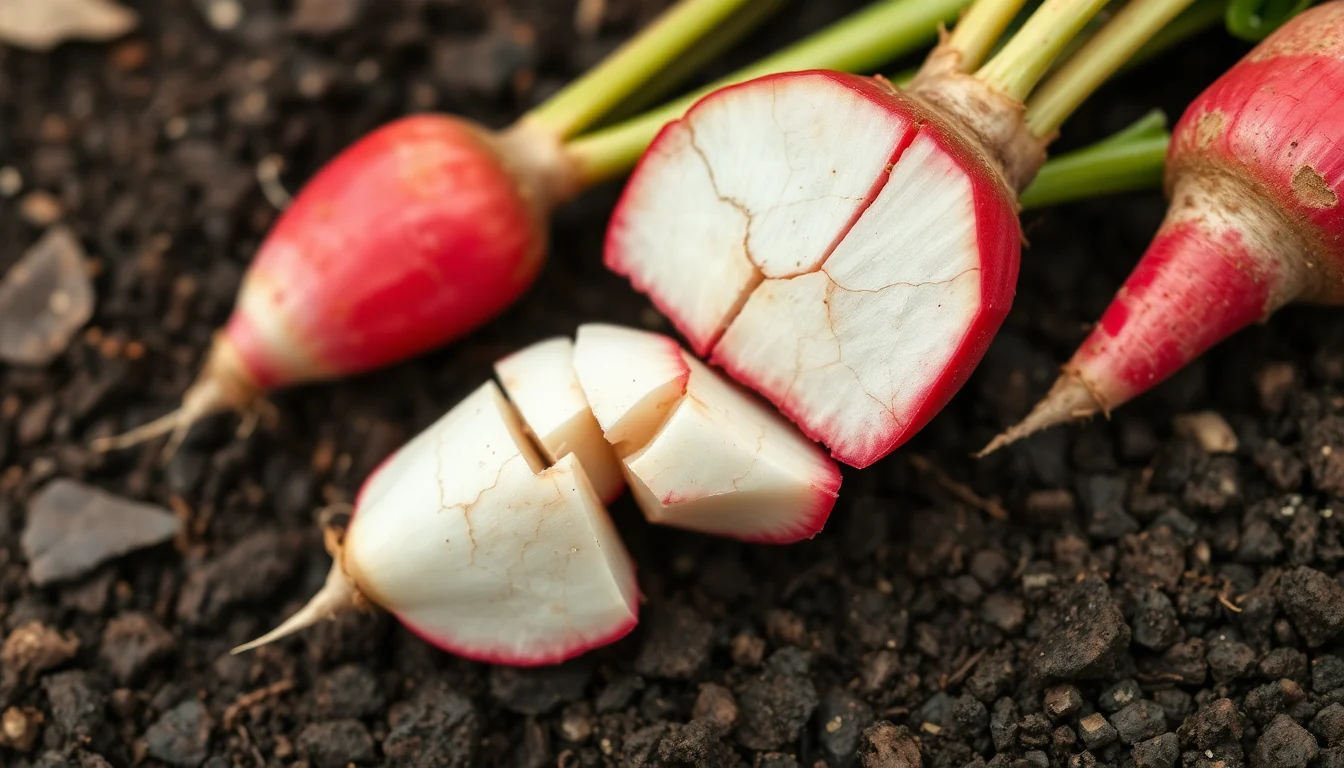
Radishes grow fast — most varieties mature in 20 to 30 days. Once they reach full size, they don’t stop growing; instead, they continue to take up water and nutrients, which can cause them to swell beyond their skin’s capacity.
Signs:
- Cracks appear in overripe radishes left in the ground too long.
- Roots feel woody or fibrous when cut open.
Solution:
- Harvest radishes promptly at maturity, typically 3 to 4 weeks after sowing.
- Check their size regularly — when the tops of the bulbs start to push above the soil, it’s time to pull them.
- For continuous harvests, succession plant every 7–10 days instead of sowing all your seeds at once.
3. Uneven Growth Conditions
Radishes prefer cool, stable temperatures between 50–70°F (10–21°C). Extreme fluctuations in temperature, sunlight, or nutrient levels can trigger stress responses in plants that affect root development.

For example, if growth slows during a cold or dry spell, then rapidly resumes during warm, wet weather, the roots may expand too fast and crack.
Solution:
- Plant radishes in early spring or fall, avoiding the heat of summer.
- Use shade cloth if growing in warmer months.
- Keep the soil loose and well-draining to encourage uniform growth.
4. Too Much Nitrogen
Excess nitrogen encourages leafy growth at the expense of root development. Not only will your radishes have big tops and small roots, but they’re also more likely to crack as the roots struggle to mature properly.
Solution:
- Avoid using high-nitrogen fertilizers (such as lawn food or fresh manure).
- Instead, use a balanced vegetable fertilizer with a ratio close to 5-10-10 (N-P-K).
- Mix compost into your soil before planting to improve structure without overfeeding nitrogen.
5. Poor Soil Structure
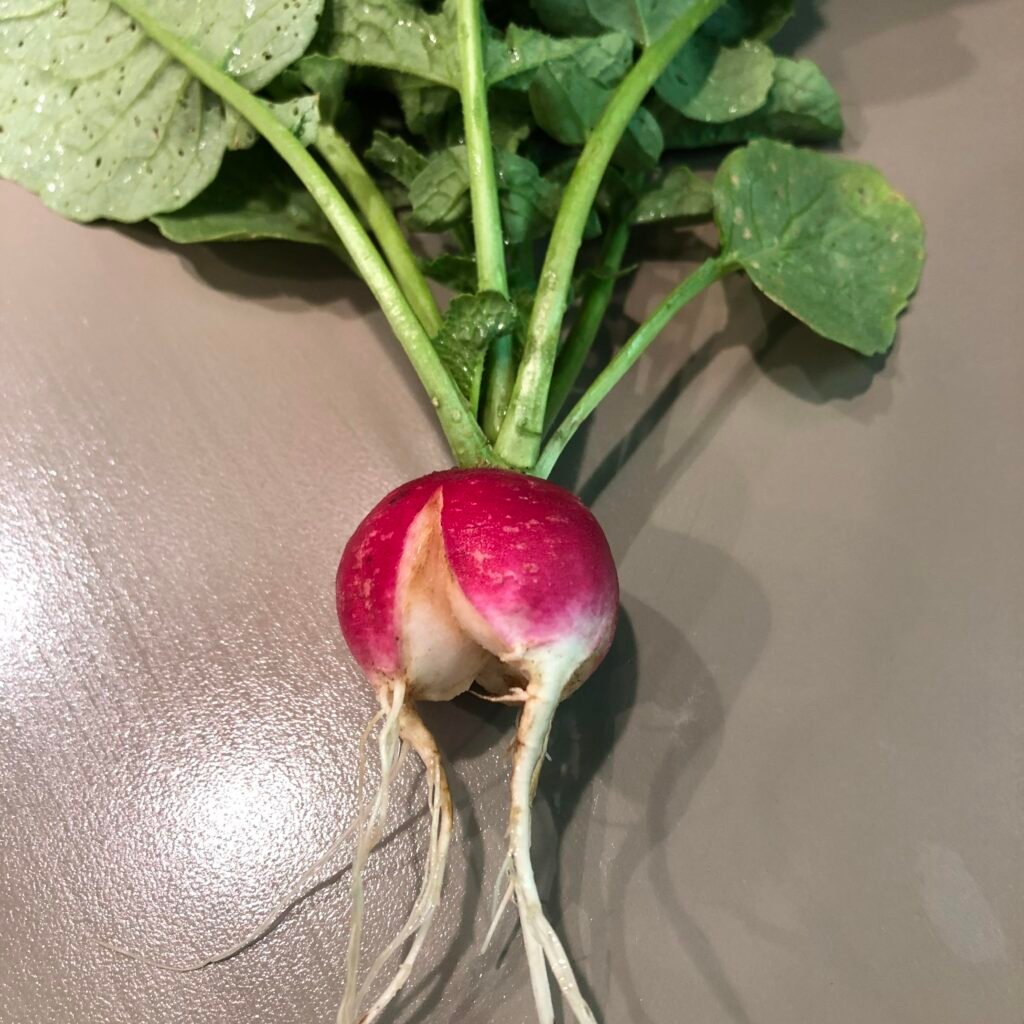
Radishes need loose, friable soil to expand evenly. Compacted or rocky soil restricts growth, causing roots to grow irregularly and sometimes crack as they push through dense layers.
Solution:
- Prepare your soil by loosening it 8–10 inches deep before planting.
- Work in organic matter such as compost or aged leaf mold.
- Avoid walking on garden beds once they’re prepared — use boards or stepping stones to minimize compaction.
How to Prevent Cracking — A Step-by-Step Guide
To keep your radishes smooth and crack-free, follow this simple care routine:

Step 1: Choose the Right Variety
Some radish types are more resistant to cracking than others.
Try reliable varieties like:
- ‘Cherry Belle’ – Early maturing and consistent.
- ‘French Breakfast’ – Elongated and tolerant of minor stress.
- ‘Sparkler’ – Classic round radish with smooth texture.
Step 2: Maintain Consistent Moisture
- Check soil daily, especially during hot or windy weather.
- Keep the top 1 inch of soil evenly damp but not soggy.
- Mulch around plants to retain moisture and reduce temperature swings.
Step 3: Space Plants Properly
Overcrowded radishes compete for water and nutrients, leading to uneven growth.
- Thin seedlings to 1 inch apart once they have true leaves.
- Leave 6–8 inches between rows for air circulation.
Step 4: Harvest on Time
- Begin checking radishes about 20 days after planting.
- Pull one to check size; if it’s about 1 inch in diameter, harvest the rest.
- Don’t wait for perfect uniformity — smaller radishes taste better and store longer.
Step 5: Keep Soil Cool
Radishes are cool-weather crops. Warm soil accelerates maturity and increases stress.
- Grow them in spring (March–April) and fall (September–October).
- Use shade cloth in summer or plant in partial shade to extend the growing season.
Bonus Tip: Use Cracked Radishes Creatively
Even cracked radishes are still edible and flavorful! They may not look perfect, but they can be used in:

- Soups and stews, where appearance doesn’t matter.
- Pickled radishes, sliced thinly and brined in vinegar.
- Roasted vegetable medleys, which bring out their sweetness.
Just be sure to wash and trim cracked areas well to prevent decay.
Final Thoughts
Cracked radishes may look disappointing, but they’re a valuable signpost in your gardening journey. They tell you that your plants are growing vigorously — they just need a bit more consistency and timing.
By keeping soil moisture steady, harvesting on time, and maintaining balanced soil conditions, you can enjoy crisp, beautiful, unblemished radishes all season long.
So next time you see a crack or split, don’t worry — it’s just your garden teaching you how to be an even better grower. With a little attention, your next batch of radishes will be perfectly round, snappy, and ready for the salad bowl.