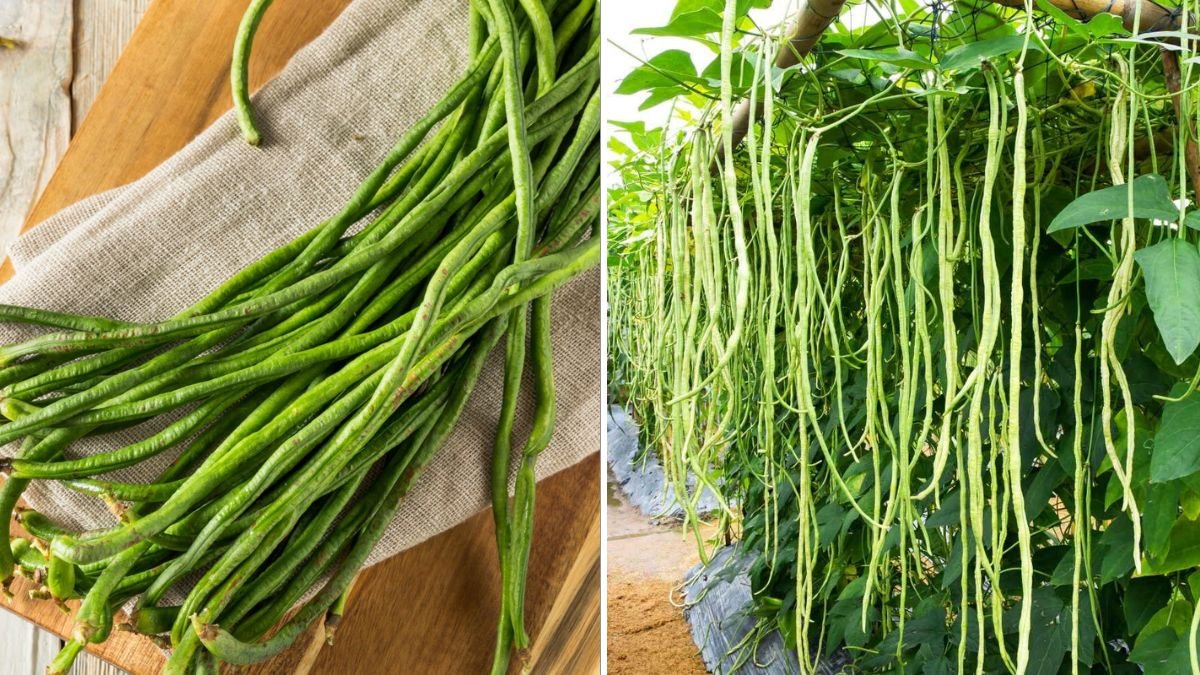
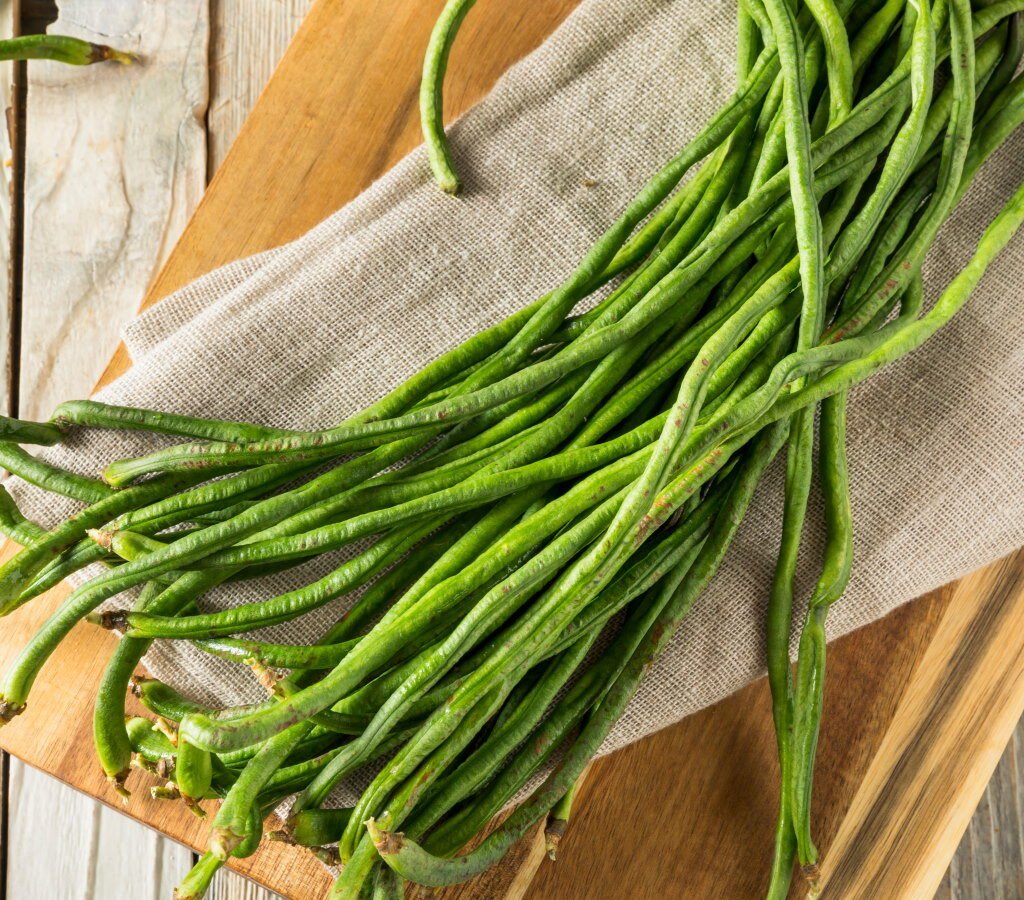
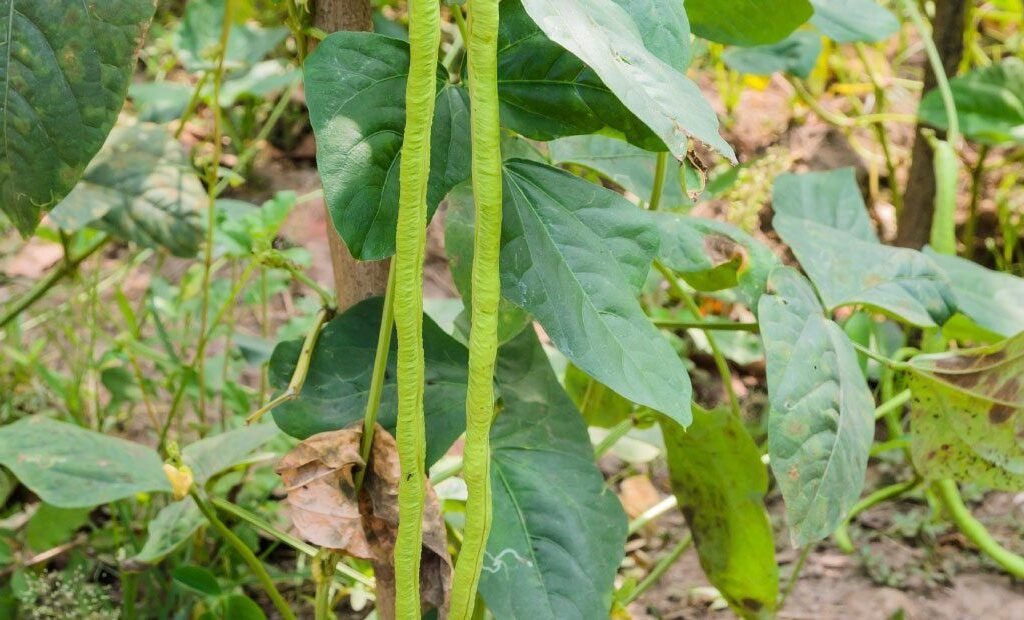
If you’ve ever strolled through a farmer’s market and spotted a bundle of unusually long, green pods that look like extra-large green beans, you’ve just met the yardlong bean. Also known as asparagus beans, Chinese long beans, or snake beans, these vibrant vegetables are beloved in Asian cuisine—and are quickly gaining popularity in American home gardens and kitchens.
Despite their name, yardlong beans don’t actually grow a full yard in length (though some can reach 30 inches!). They’re a tropical legume that thrives in warm climates, producing slender pods with a crisp texture and a subtly nutty flavor. As Americans seek more diverse, homegrown produce and global flavors, yardlong beans are becoming a must-try ingredient for both gardeners and food lovers alike.
Let’s explore the origins, growing tips, nutritional benefits, and delicious ways to cook this fascinating vegetable that’s winning hearts across the United States.
What Are Yardlong Beans?
Yardlong beans (Vigna unguiculata subsp. sesquipedalis) belong to the same family as cowpeas and black-eyed peas, not traditional green beans. They are native to Southeast Asia, where they’ve been cultivated for centuries. Known for their incredible length and tender texture, yardlong beans are a staple in Chinese, Thai, and Filipino cooking.
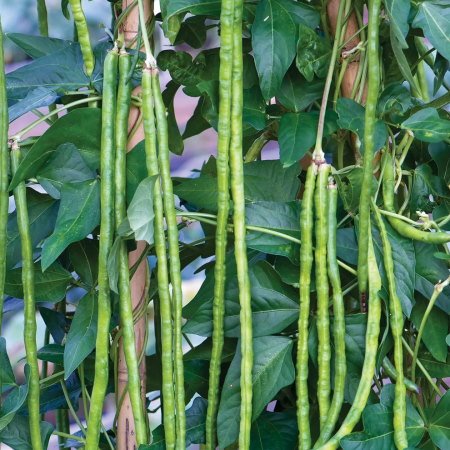
Unlike green beans that grow on bushy plants, yardlong beans grow on vining plants that can stretch over 10 feet tall. Each vine produces dozens of slender, pencil-like pods that are best harvested when they’re about 12 to 18 inches long—before they become tough or stringy.
In America, gardeners often grow them as a summer alternative to green beans, since yardlong beans thrive in hot, humid weather where other beans may struggle.
Nutritional Benefits of Yardlong Beans
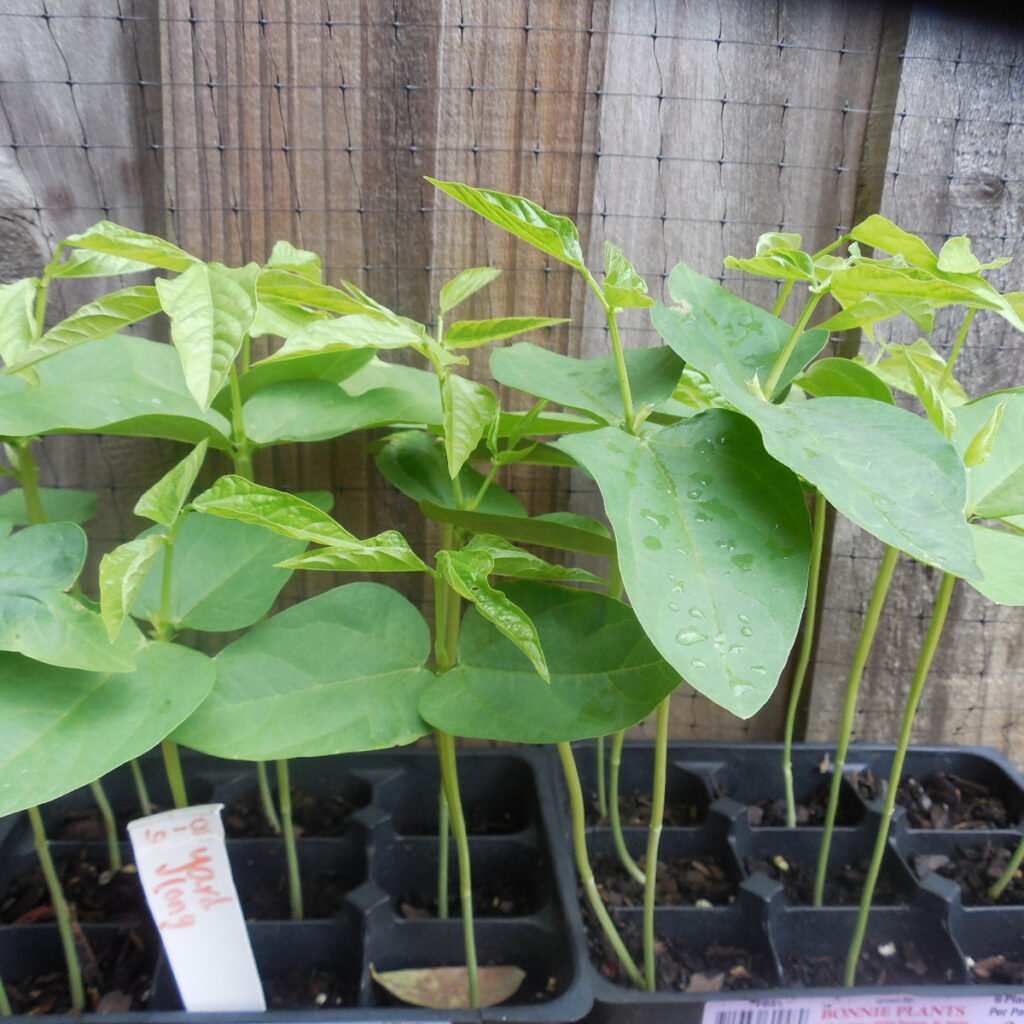
Yardlong beans aren’t just delicious—they’re incredibly nutritious. These vibrant green pods are packed with vitamins, minerals, and antioxidants that promote overall wellness.
Here’s what makes them a nutritional powerhouse:
- Low in Calories: One cup of cooked yardlong beans contains only about 50 calories, making them perfect for weight management.
- Rich in Vitamins: They’re an excellent source of vitamin C, vitamin A, and folate, which boost immunity and support healthy skin and vision.
- High in Fiber: The beans’ high fiber content promotes healthy digestion and helps stabilize blood sugar levels.
- Heart-Healthy: Yardlong beans contain potassium and magnesium, which help regulate blood pressure and support cardiovascular health.
- Packed with Protein: Like other legumes, they provide plant-based protein, ideal for vegetarians and vegans.
- Antioxidant-Rich: The beans contain flavonoids and polyphenols that help fight inflammation and oxidative stress.
Incorporating yardlong beans into your diet is a simple way to boost your intake of fiber, protein, and essential nutrients—all while enjoying their fresh, mild flavor.
How to Grow Yardlong Beans in Your Garden
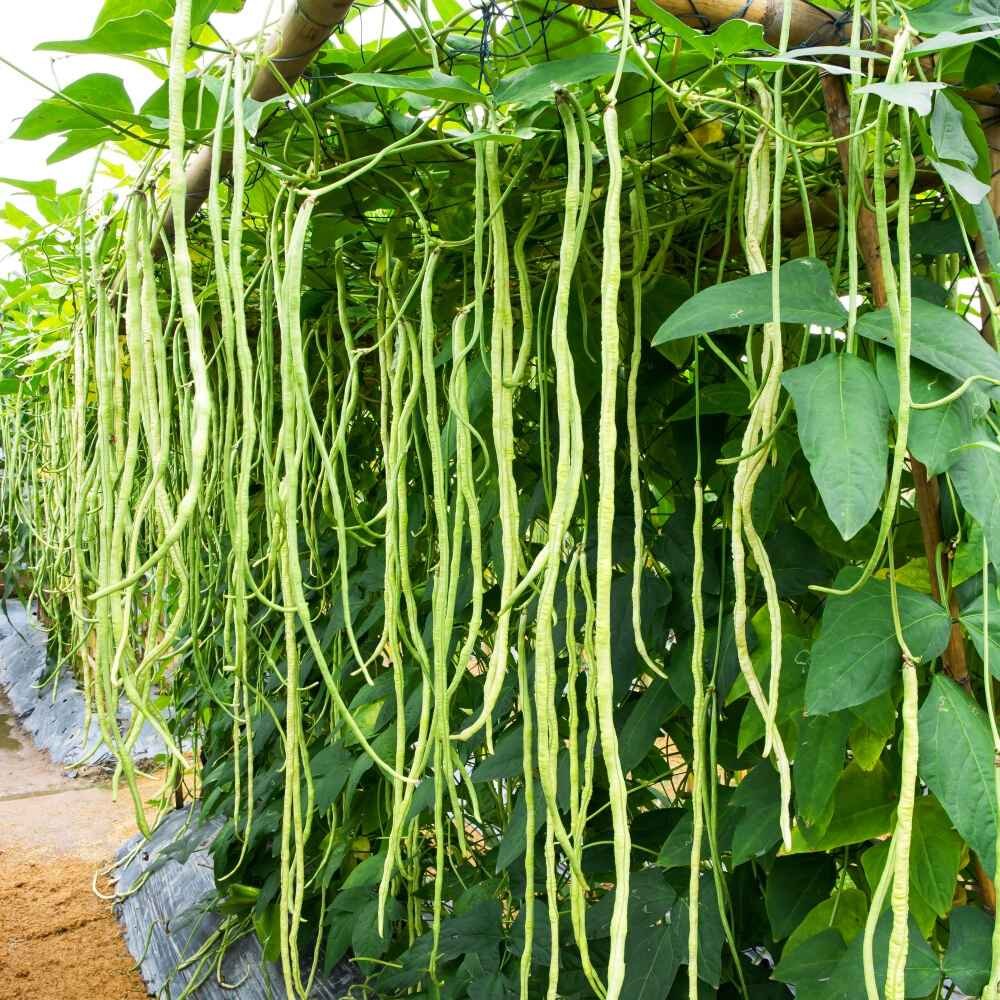
One reason yardlong beans are growing in popularity among American gardeners is that they’re easy to cultivate and highly productive.
Here’s how to grow them successfully in your backyard or garden plot:
1. Choose a Sunny Location
Yardlong beans need full sun—at least 6 to 8 hours per day. They thrive in warm climates and love temperatures between 75°F and 90°F, making them ideal for Southern and Western U.S. gardens.
2. Prepare the Soil
Use well-draining soil enriched with compost. Yardlong beans prefer a slightly acidic to neutral pH (6.0–7.0).
3. Planting the Seeds
- Sow seeds directly into the ground after the last frost date.
- Plant seeds 1 inch deep and 3 inches apart in rows spaced about 3 feet apart.
- Provide a sturdy trellis or pole support, as vines can grow up to 12 feet long.
4. Watering and Care
Keep the soil evenly moist but not waterlogged. Yardlong beans are relatively drought-tolerant once established, but consistent watering improves yield.
5. Harvesting
Pods are ready to pick 60 to 75 days after planting. Harvest when pods are slender, crisp, and around 12–18 inches long. Frequent picking encourages more production.
Pro Tip: Yardlong beans grow quickly—harvest every 2–3 days to ensure young, tender pods.
Cooking with Yardlong Beans
Yardlong beans are incredibly versatile in the kitchen. They retain their firm texture and bright green color when cooked properly, adding both crunch and nutrition to a variety of dishes.
You can use them anywhere you’d use green beans—but their flavor shines in stir-fries, curries, and salads.
Here are some classic and creative ways to enjoy them:
1. Garlic Stir-Fried Yardlong Beans
A simple, flavorful Asian-inspired dish that highlights the beans’ natural crunch.
Ingredients:
- 1 lb yardlong beans, trimmed and cut into 2-inch pieces
- 2 tbsp sesame or vegetable oil
- 4 garlic cloves, minced
- 1 tbsp soy sauce
- ½ tsp sugar
- Salt to taste
Directions:
Heat oil in a wok or skillet. Add garlic and sauté until fragrant. Toss in yardlong beans and stir-fry for 5–6 minutes until bright green and slightly tender. Add soy sauce, sugar, and salt. Serve hot with rice or noodles.
2. Southern-Style Yardlong Beans and Bacon
A tasty fusion of Asian vegetables and Southern flavors.
Ingredients:
- 1 lb yardlong beans, cut into 2-inch pieces
- 3 strips bacon, chopped
- 1 small onion, diced
- 1 garlic clove, minced
- Salt and black pepper to taste
Directions:
In a skillet, cook bacon until crisp. Add onion and garlic, then toss in yardlong beans. Sauté until beans are tender but still crisp. Season and serve as a side dish with roasted chicken or grilled steak.
3. Yardlong Bean Salad with Lime Dressing
A refreshing and healthy side dish for summer picnics or barbecues.
Ingredients:
- 2 cups blanched yardlong beans, cut into 2-inch pieces
- 1 cup cherry tomatoes, halved
- ½ red bell pepper, sliced
- 2 tbsp olive oil
- 1 tbsp lime juice
- Salt, pepper, and chili flakes to taste
Directions:
Combine all ingredients in a bowl and toss with olive oil and lime juice. Chill for 30 minutes before serving.
4. Spicy Thai Yardlong Bean Curry
Bring authentic Thai flavors to your table with this vibrant curry.
Ingredients:
- 1 lb yardlong beans, chopped
- 2 tbsp red curry paste
- 1 can coconut milk
- 1 tbsp fish sauce (or soy sauce for vegan version)
- 1 tsp sugar
- Fresh basil for garnish
Directions:
In a pan, sauté curry paste until aromatic. Add coconut milk, fish sauce, and sugar. Stir in beans and cook until tender. Garnish with basil and serve with jasmine rice.
Yardlong Beans in American Cuisine
While traditionally an Asian vegetable, yardlong beans are making their way into American cuisine thanks to their unique appearance, mild taste, and adaptability. Chefs across the U.S. are using them in:

- Farm-to-table salads
- Vegetable stir-fries
- Fusion tacos and wraps
- Healthy meal-prep bowls
Their ability to absorb flavors while maintaining texture makes them a favorite for modern plant-based recipes and healthy eating trends.
In home kitchens, yardlong beans are also replacing green beans in comfort dishes like casseroles and sautéed sides, adding an exotic twist without complicating the recipe.
Storage and Meal Prep Tips
Fresh yardlong beans stay crisp for up to 5 days in the refrigerator when stored in a perforated plastic bag or airtight container.
To freeze them:
- Blanch the beans in boiling water for 2 minutes.
- Cool in ice water, drain, and pat dry.
- Store in freezer bags for up to 3 months.
This makes it easy to enjoy fresh yardlong beans even after harvest season.
Why Americans Love Yardlong Beans
Yardlong beans check all the boxes for today’s home gardeners and cooks:
- Easy to grow in warm U.S. climates.
- High-yielding, providing continuous harvests.
- Nutrient-dense and low in calories.
- Versatile in the kitchen, working in both traditional and modern recipes.
They embody the perfect blend of global flavor and local sustainability, aligning with America’s growing interest in home gardening, healthy eating, and multicultural cuisine.
Final Thoughts
Yardlong beans might be rooted in Asian tradition, but they’re quickly becoming a star in American gardens and kitchens. Their crisp texture, subtle flavor, and remarkable nutritional value make them an ingredient worth discovering.
Whether you sauté them with garlic, toss them in a salad, or simmer them in curry, yardlong beans add freshness, flavor, and a touch of adventure to your meals.
So, the next time you visit your local farmer’s market—or plan your next garden season—give yardlong beans a try. You’ll not only enjoy their taste and versatility but also experience a beautiful blend of cultural heritage and modern American cooking.